JPEdLab iconJPEdLab
Save history

Create an account and play

Explore first, then save your progress whenever you are ready. No email address is required.

Start free
  1. Course
  2. Beginner 1
  3. ひらがな あ行〜な行

ひらがな あ行〜な行hiragana a-gyou~na-gyou

Hiragana a-gyou na-gyou (ひらがな あ行〜な行) means “Hiragana sounds: a to na rows”.

あいうえおaiueo

あいうえお

Learn to match the hiragana あ行〜な行 with their sounds, then read the chart by rows and columns.

In the course›

How it works

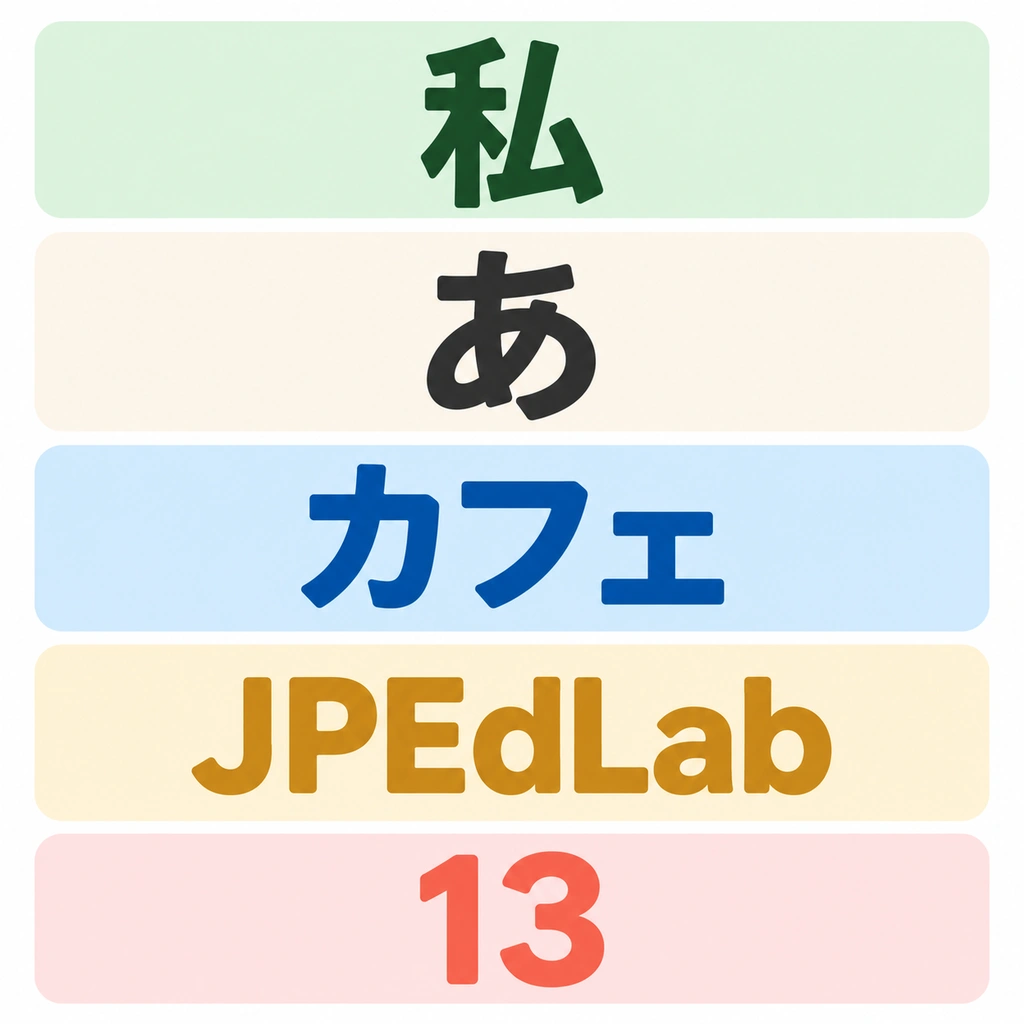
  1. Japanese often mixes kanji, hiragana, katakana, letters and numbers. For now, just notice their shapes.
    Japanese often mixes kanji, hiragana, katakana, letters and numbers. For now, just notice their shapes.

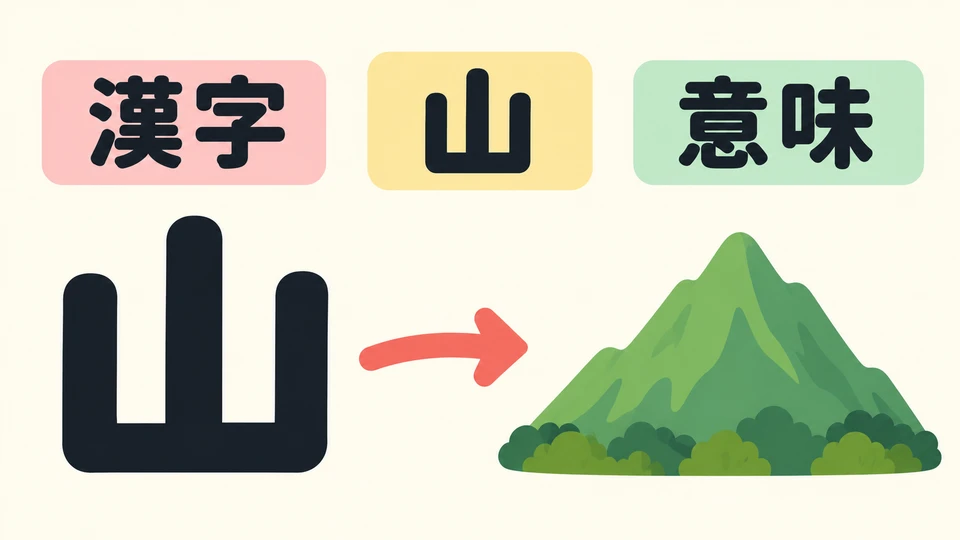
  2. Kanji came from China and often give clues to a word’s meaning. Their Japanese pronunciation may differ from Chinese.
    Kanji came from China and often give clues to a word’s meaning. Their Japanese pronunciation may differ from Chinese.

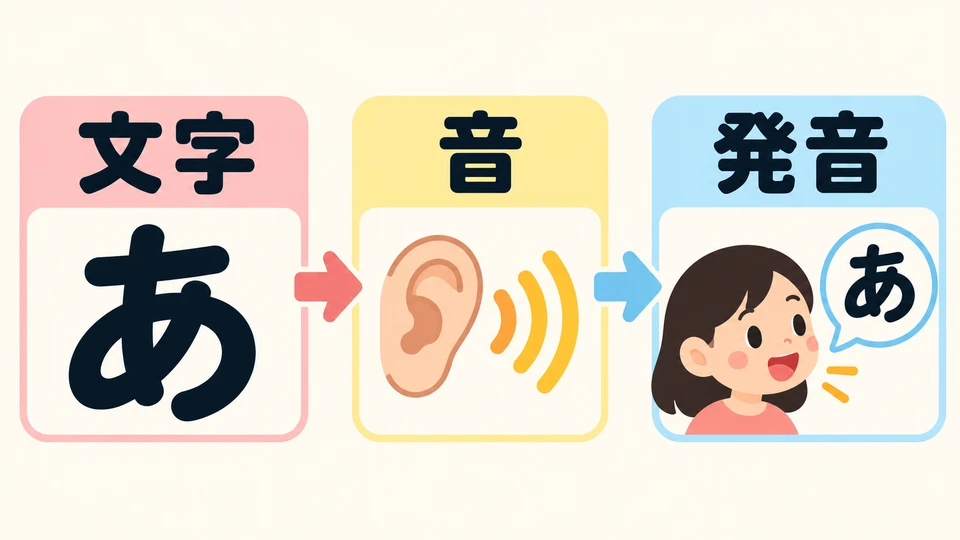
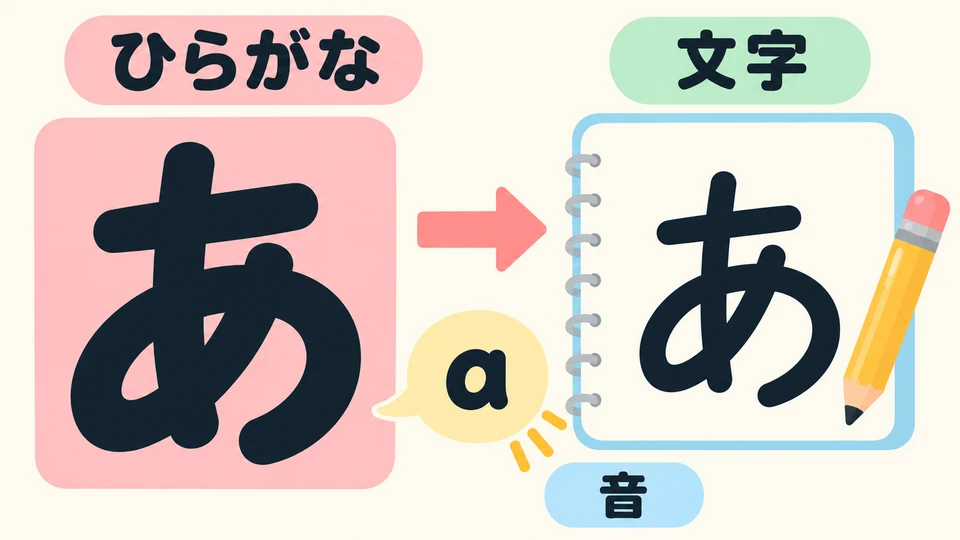
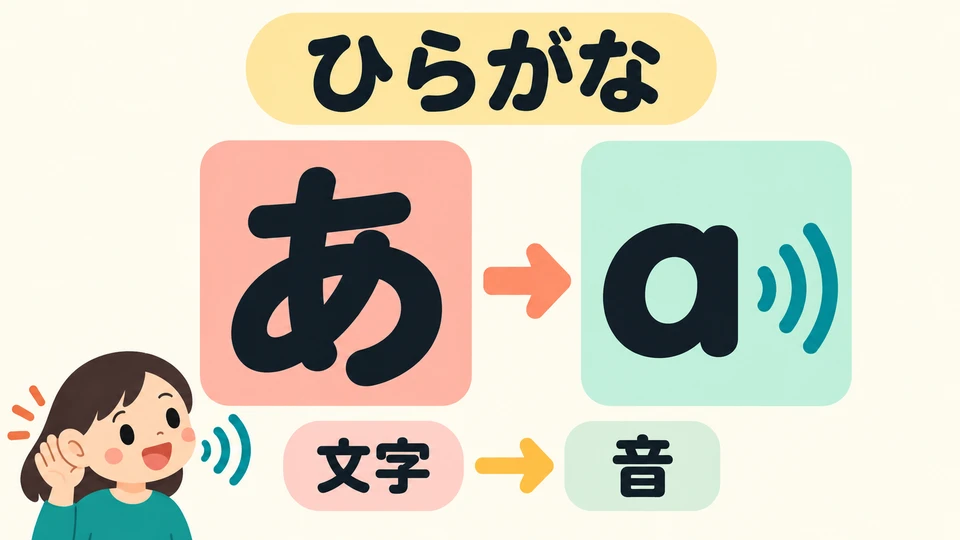
  3. Hiragana represent sounds: for example, 「あ」 is pronounced a. Start by linking each shape to its sound.
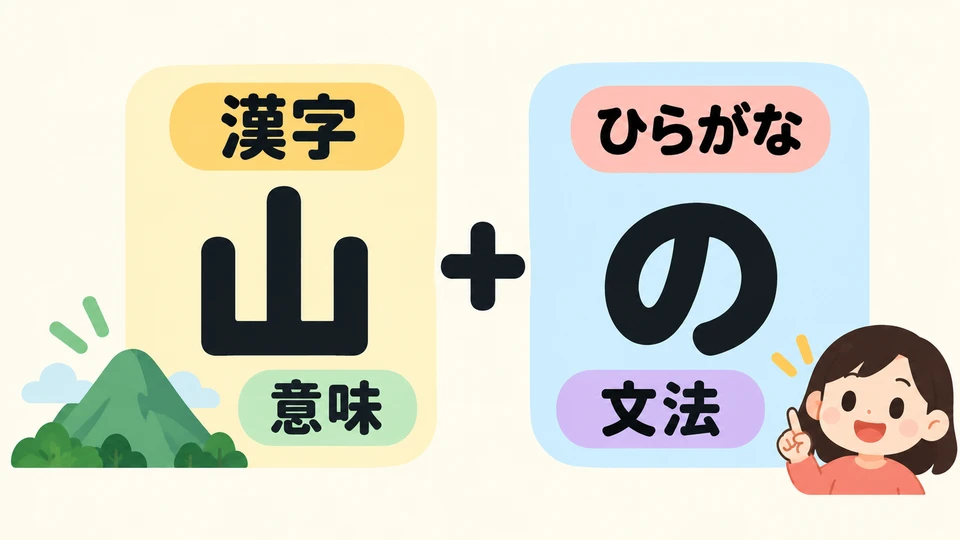
    Hiragana represent sounds: for example, 「あ」 is pronounced a. Start by linking each shape to its sound.

  4. Kanji often suggest a word’s meaning. Hiragana can also mark word endings and grammar; the two are often used together.
    Kanji often suggest a word’s meaning. Hiragana can also mark word endings and grammar; the two are often used together.

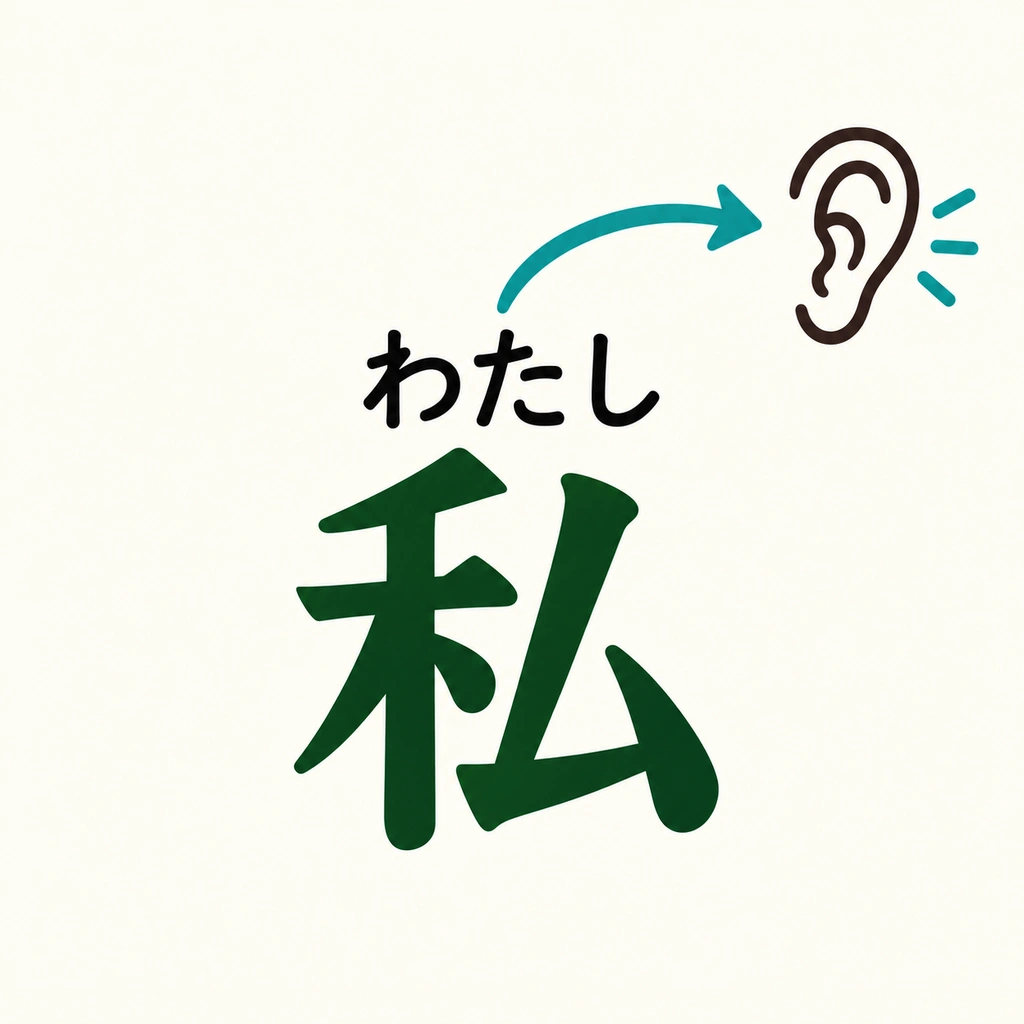
  5. The small hiragana above kanji are called furigana. They help you read the kanji; this course provides these reading guides.
    The small hiragana above kanji are called furigana. They help you read the kanji; this course provides these reading guides.

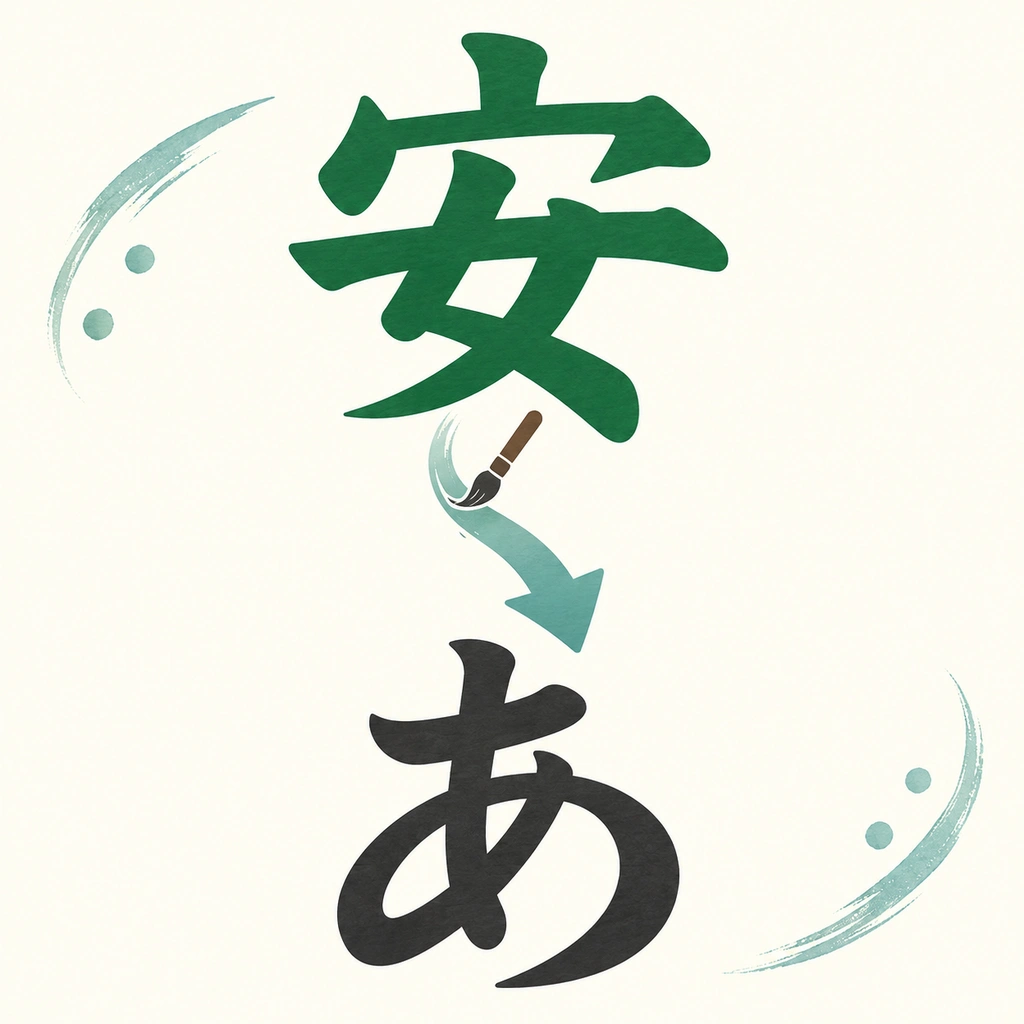
  6. Hiragana developed from cursive kanji. Their shapes gradually became simpler and more flowing, making them easier to write.

    Hiragana developed from cursive kanji. Their shapes gradually became simpler and more flowing, making them easier to write.

  7. Katakana also represent sounds. They often write loanwords and foreign names of people and places. We’ll learn them later.
    Katakana also represent sounds. They often write loanwords and foreign names of people and places. We’ll learn them later.

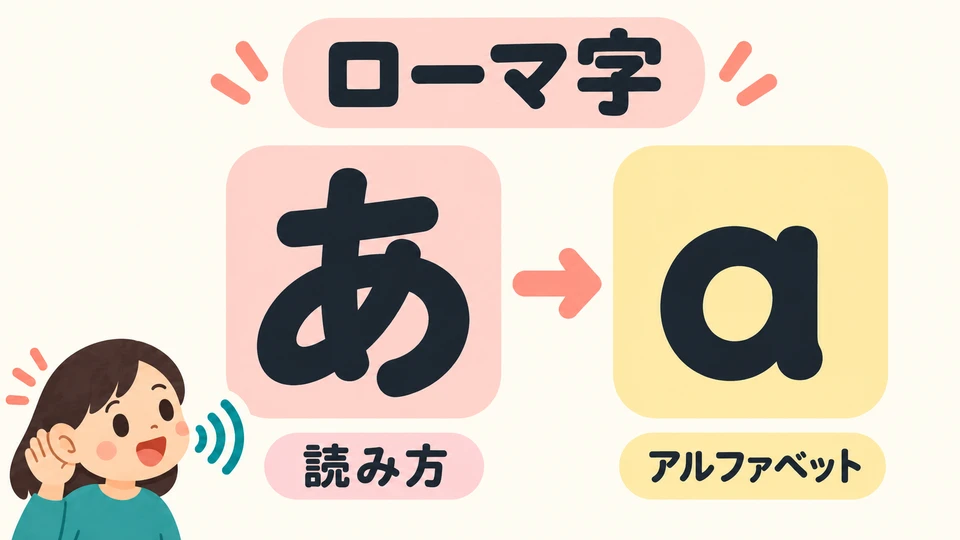
  8. Romaji use Latin letters to show Japanese pronunciation. Latin letters also appear directly in names.

Example sentences

  • あいうえおaiueo

    あいうえお

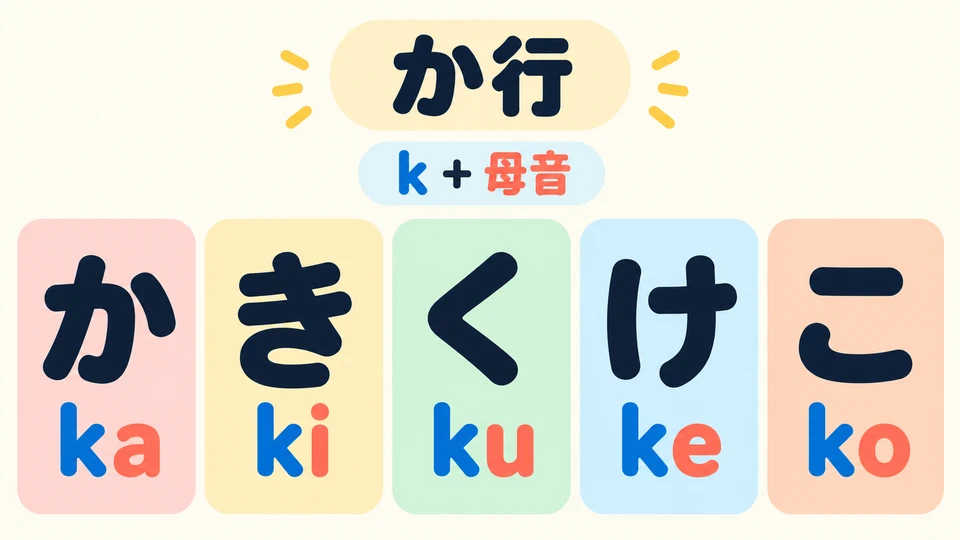
  • かきくけこkakikukeko

    かきくけこ

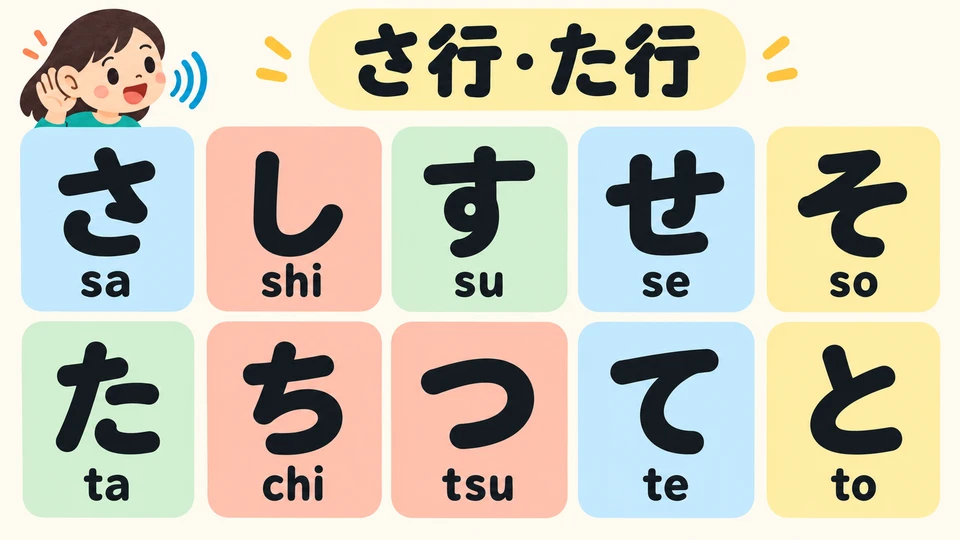
  • さしすせそsashisuseso

    さしすせそ

  • たちつてとtachitsuteto

    たちつてと

More grammar in this theme

  • ひらがな あ行〜な行Hiragana sounds: a to na rows
Keep practising

Test your Japanese vocabulary12 adaptive questions, freeCheck your pronunciationRead aloud and get a scorePractise verb forms10-question conjugation quizSee the whole courseGrammar, vocabulary and quizzes by theme

Romaji use Latin letters to show Japanese pronunciation. Latin letters also appear directly in names.

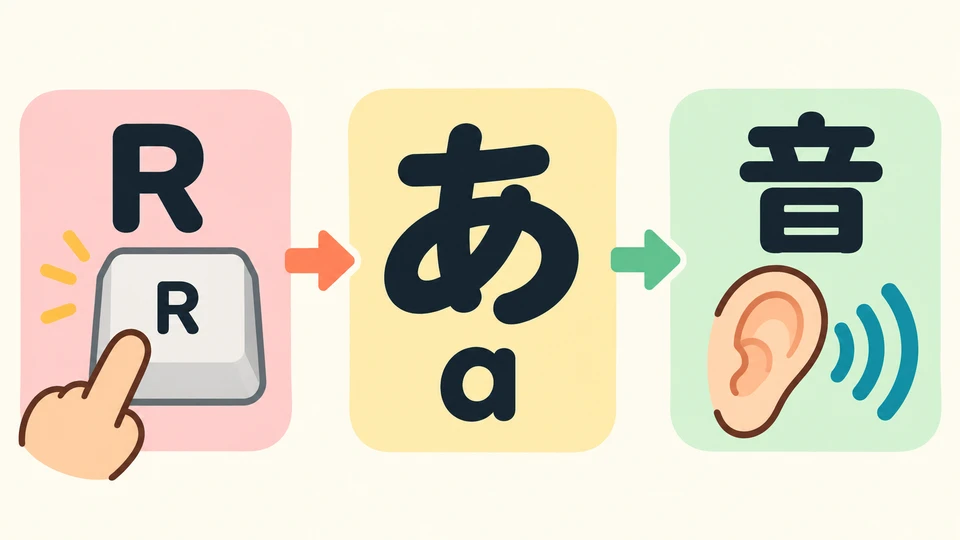
  • If you’re unsure of a pronunciation, tap the course’s 「R」 button to see the romaji, then listen and imitate the sound.

    If you’re unsure of a pronunciation, tap the course’s 「R」 button to see the romaji, then listen and imitate the sound.

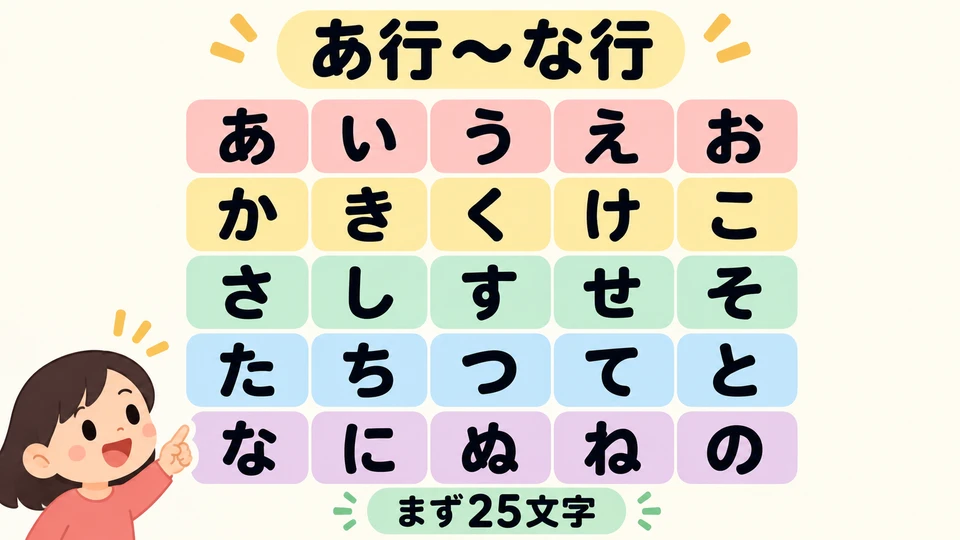
  • In this lesson, start with the 25 hiragana from the 「あ行」 to the 「な行」. You don’t need to learn all hiragana at once.

    In this lesson, start with the 25 hiragana from the 「あ行」 to the 「な行」. You don’t need to learn all hiragana at once.

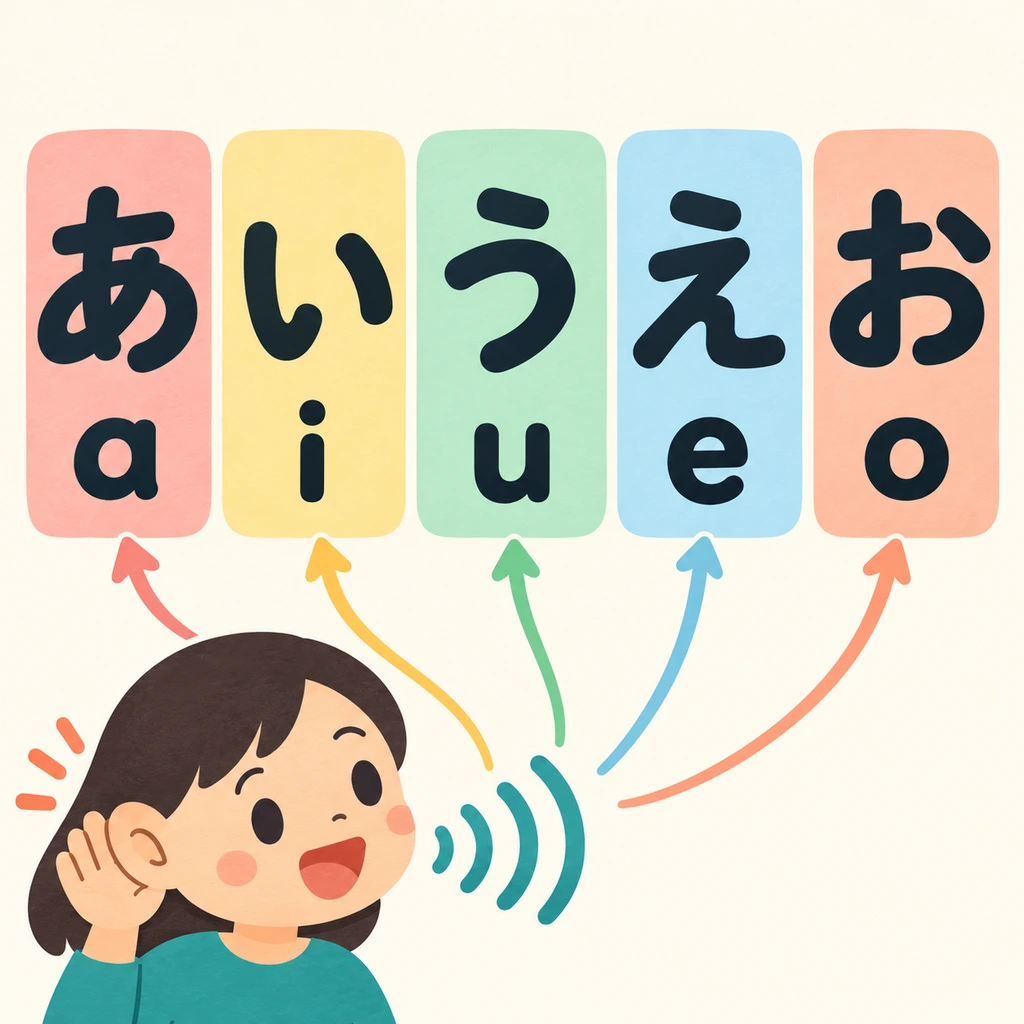
  • 「あいうえお」 are the five vowels. When you listen to the audio later, try matching each character to its sound.

    「あいうえお」 are the five vowels. When you listen to the audio later, try matching each character to its sound.

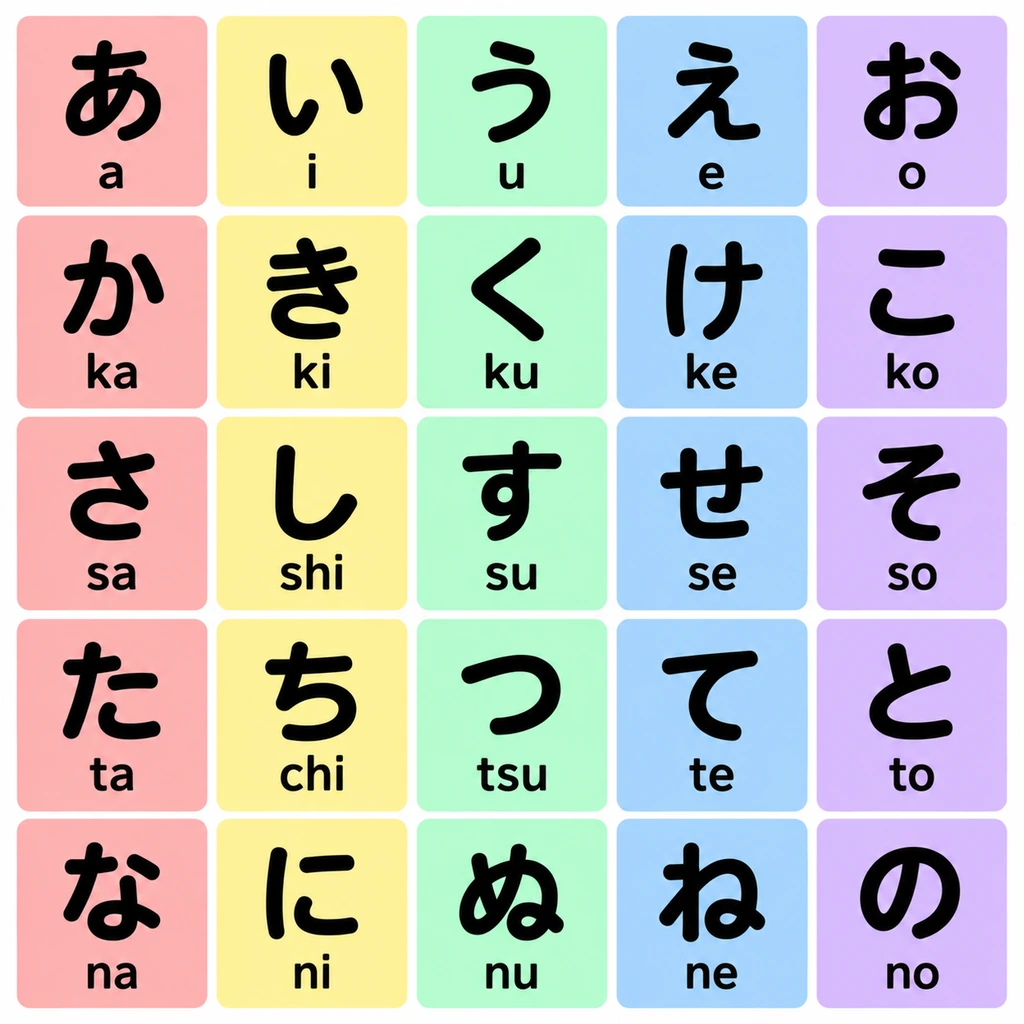
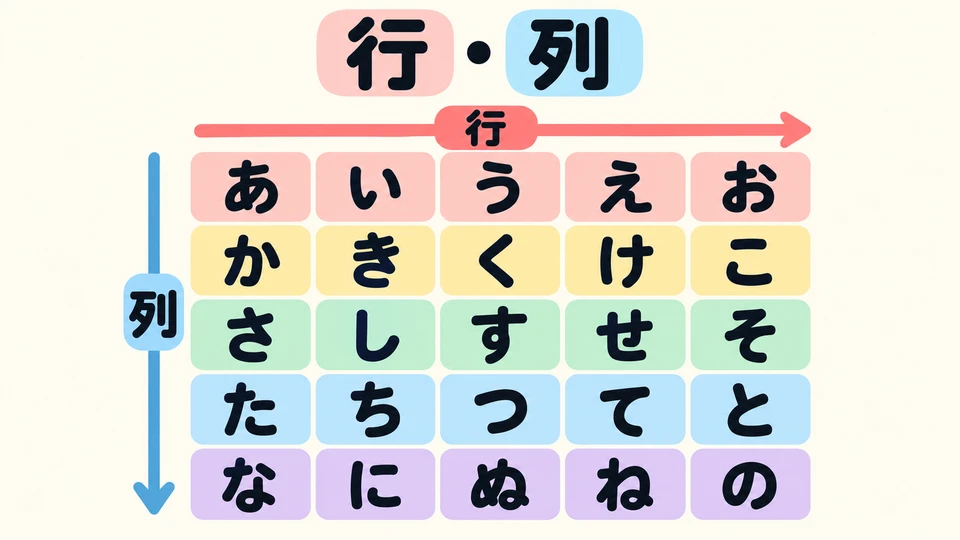
  • The hiragana chart is called the gojūon chart. Across each row, the vowels change in order; within each column, the vowel stays the same.

    The hiragana chart is called the gojūon chart. Across each row, the vowels change in order; within each column, the vowel stays the same.

  • 「かきくけこ」 add k before the five vowels. The beginning stays the same; only the vowel after it changes.

    「かきくけこ」 add k before the five vowels. The beginning stays the same; only the vowel after it changes.

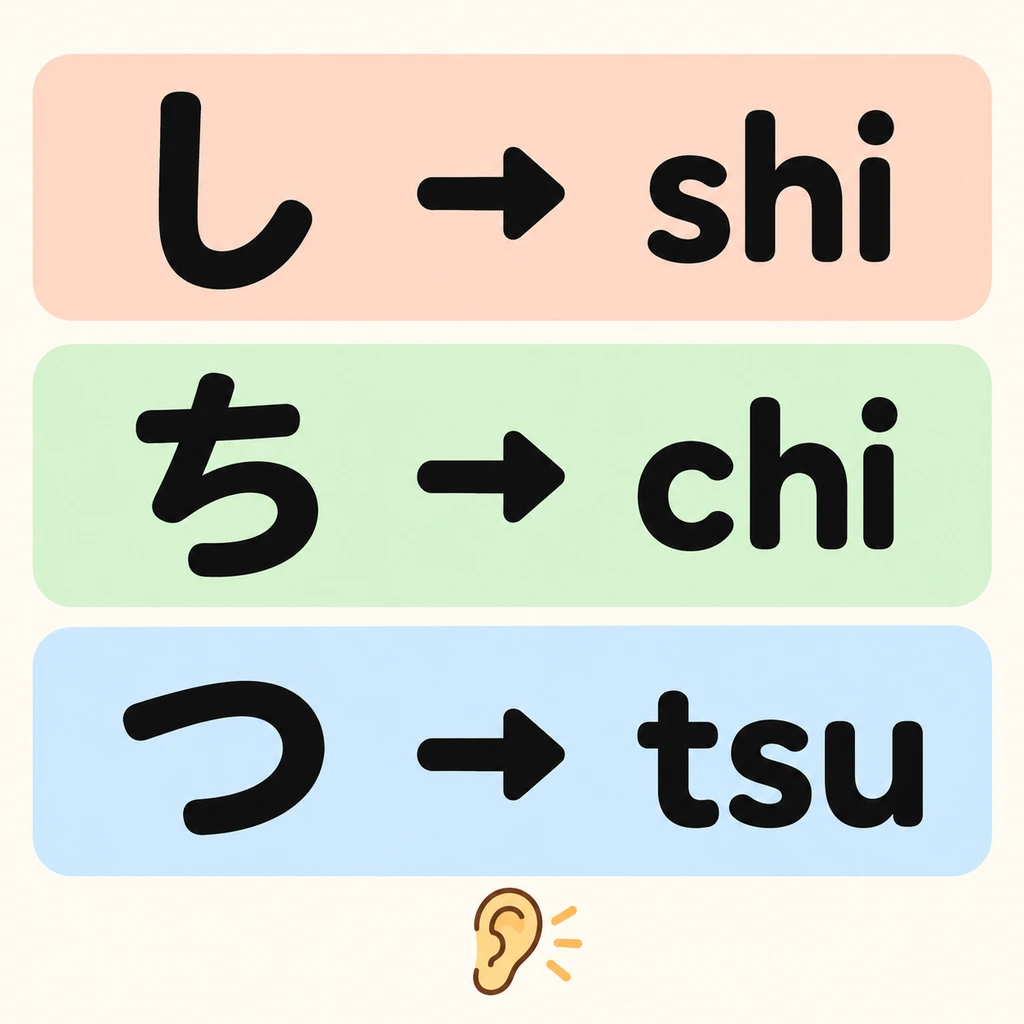
  • Pay attention to the pronunciation of 「し・ち・つ」. Check their romaji carefully, then listen and imitate them later.

    Pay attention to the pronunciation of 「し・ち・つ」. Check their romaji carefully, then listen and imitate them later.

  • 「さしすせそ」 and 「たちつてと」 each form a row. The audio later will demonstrate them row by row.

    「さしすせそ」 and 「たちつてと」 each form a row. The audio later will demonstrate them row by row.

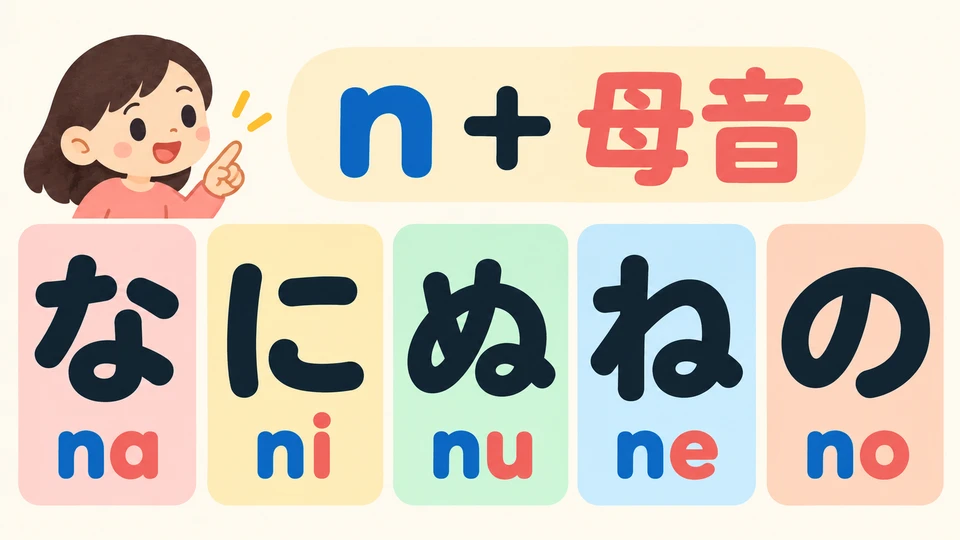
  • 「なにぬねの」 add n before the five vowels. The beginning stays the same, and the vowels change in order.

    「なにぬねの」 add n before the five vowels. The beginning stays the same, and the vowels change in order.

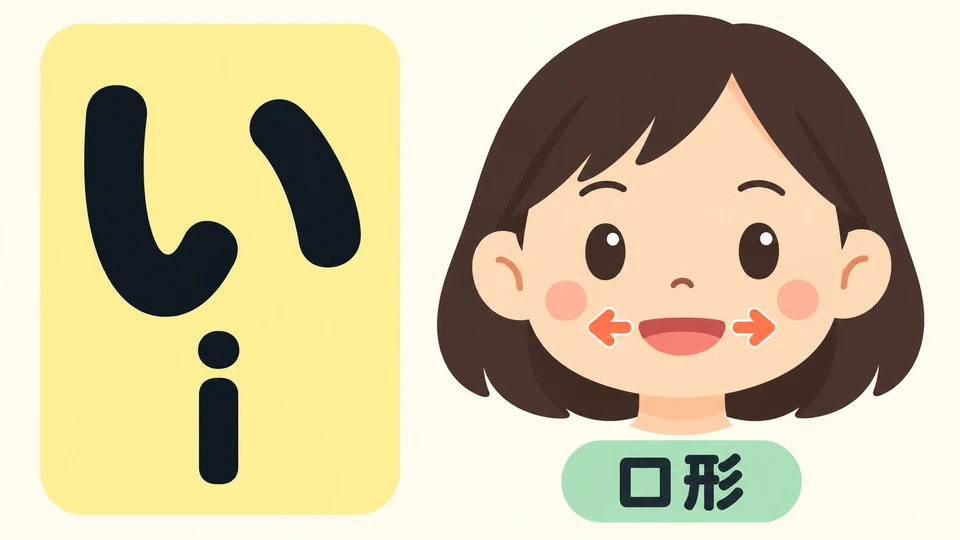
  • For 「い」, gently spread the corners of your mouth sideways. When listening later, imitate the natural Japanese mouth shape.

    For 「い」, gently spread the corners of your mouth sideways. When listening later, imitate the natural Japanese mouth shape.

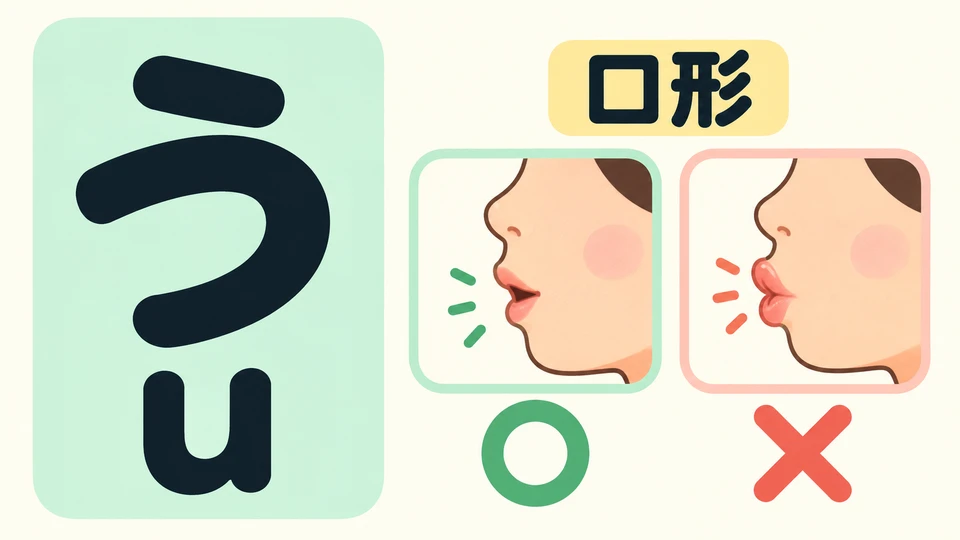
  • For 「う」, don’t push your lips noticeably forward. Later, use the audio to practice a short, natural sound.

    For 「う」, don’t push your lips noticeably forward. Later, use the audio to practice a short, natural sound.

  • Look back at the chart: read each row, then each column. Cover the romaji—can you still recognize the kana?

    Look back at the chart: read each row, then each column. Cover the romaji—can you still recognize the kana?

  • The word cards later will play audio. Look at the characters, listen and repeat to match the kana with their sounds.

    The word cards later will play audio. Look at the characters, listen and repeat to match the kana with their sounds.

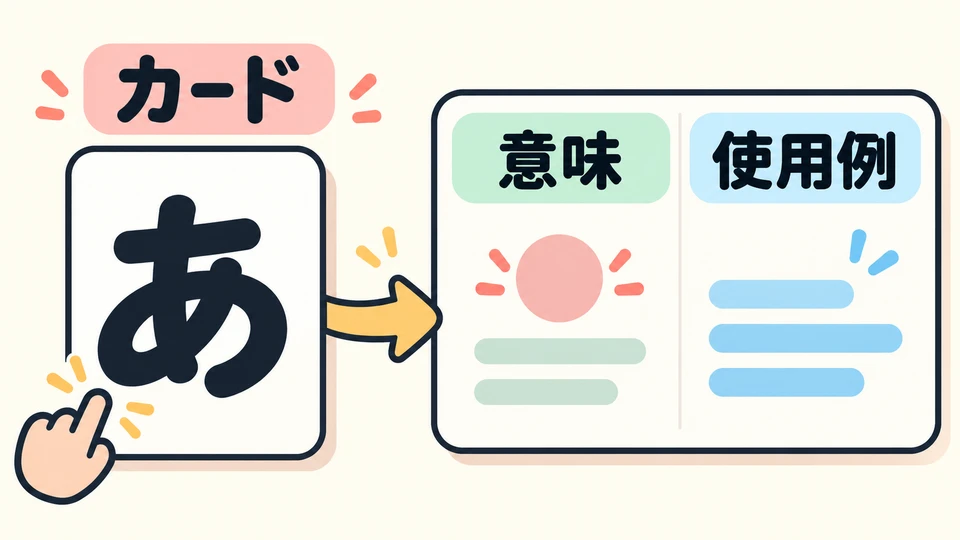
  • Tap a card to see its meaning and usage examples. Focus first on the kana sounds; there’s no rush to memorize the words.

    Tap a card to see its meaning and usage examples. Focus first on the kana sounds; there’s no rush to memorize the words.

  • You can also practice writing while looking at the kana. Think of each sound as you write to help remember the shape.

    You can also practice writing while looking at the kana. Think of each sound as you write to help remember the shape.

  • なにぬねのnaninuneno

    なにぬねの

    Beginner 1
    Introduction to Japanese Writing
    ひらがな は行〜んHiragana sounds: ha row to n
    カタカナ ア行〜ワ行Katakana sounds and loanwords
    濁音・半濁音Voiced and p-sound kana
    長音・促音Long vowels and consonant pauses
    拗音(きゃ・きゅ・きょ)Blended sounds with small ゃゅょ
    教室で使う表現Useful classroom expressions
    Nextひらがな は行〜ん