JPEDLAB iconJPEDLAB
Save history

Create an account and play

Explore first, then save your progress whenever you are ready. No email address is required.

Start free
Read as articleCards
See the whole course›Beginner 1›Introduction to Japanese Writing

Japanese grammar · Beginner 1

カタカナ ア行〜ワ行katakana a-gyou~wa-gyou

Katakana sounds and loanwords

Read 「カタカナ ア行〜ワ行」 aloud and learn how katakana often write loanwords and foreign names.

Start the interactive lessonIllustrated cards, audio and speaking practice

How it works

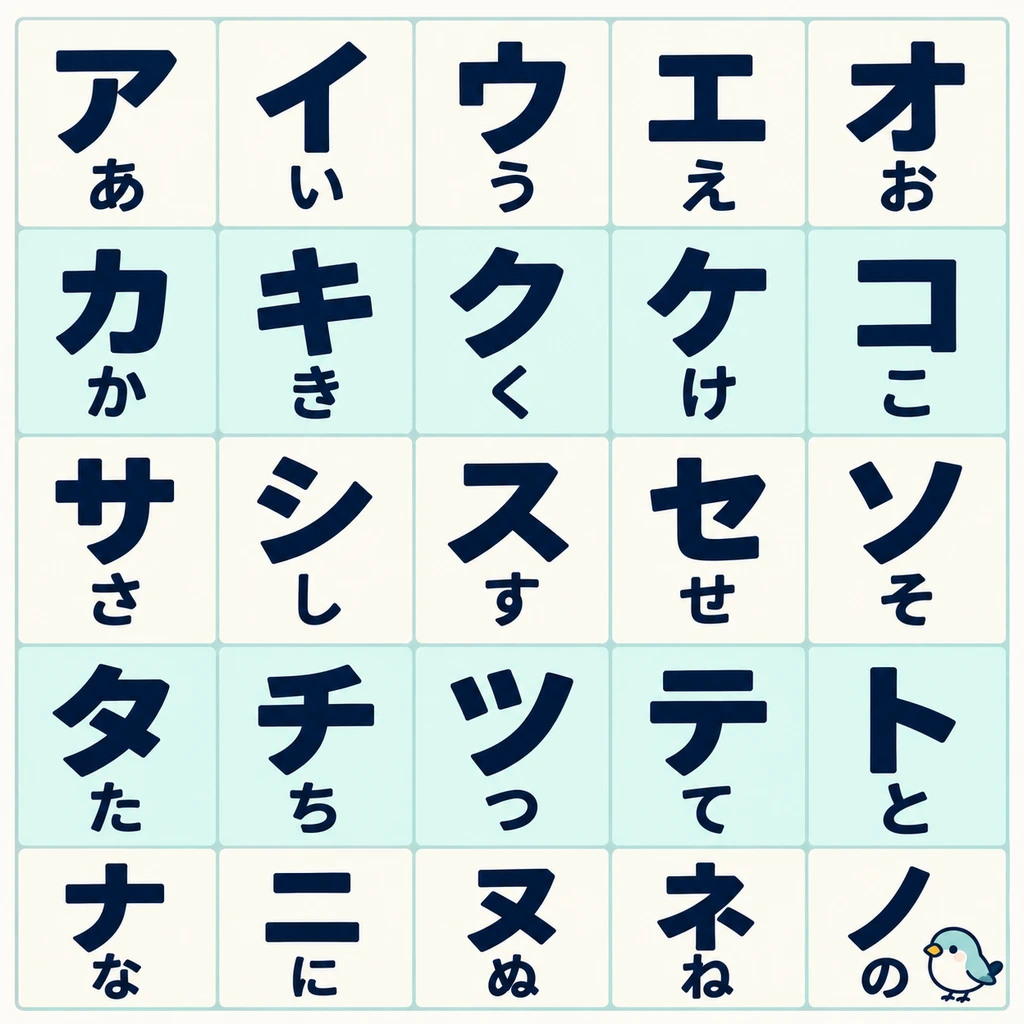
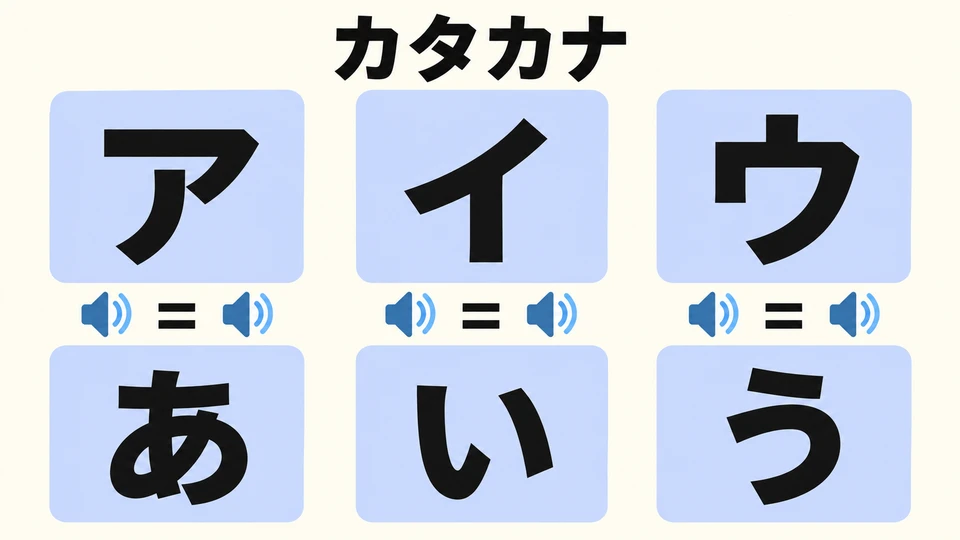
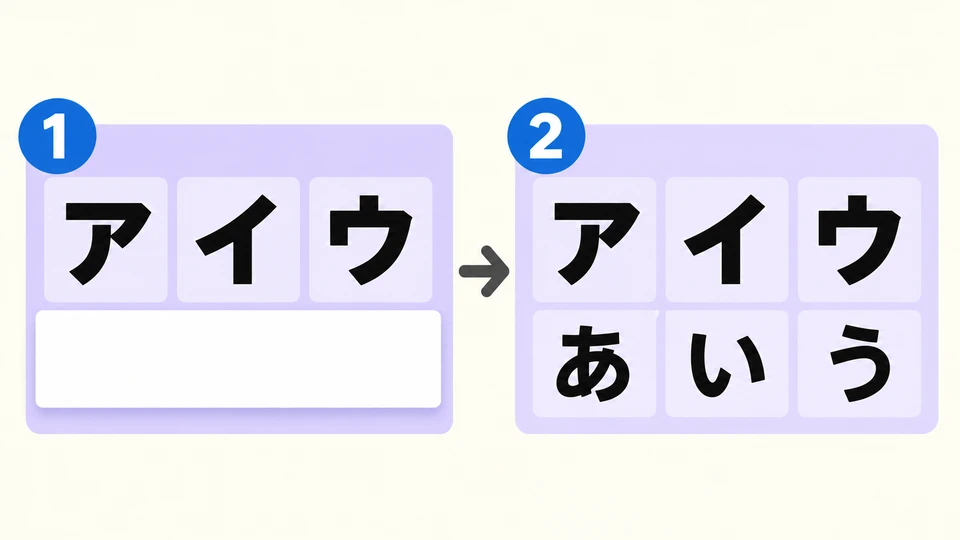
  1. Katakana and hiragana look different but have the same sounds. Look at the hiragana below, then read the chart row by row.
    Katakana and hiragana look different but have the same sounds. Look at the hiragana below, then read the chart row by row.

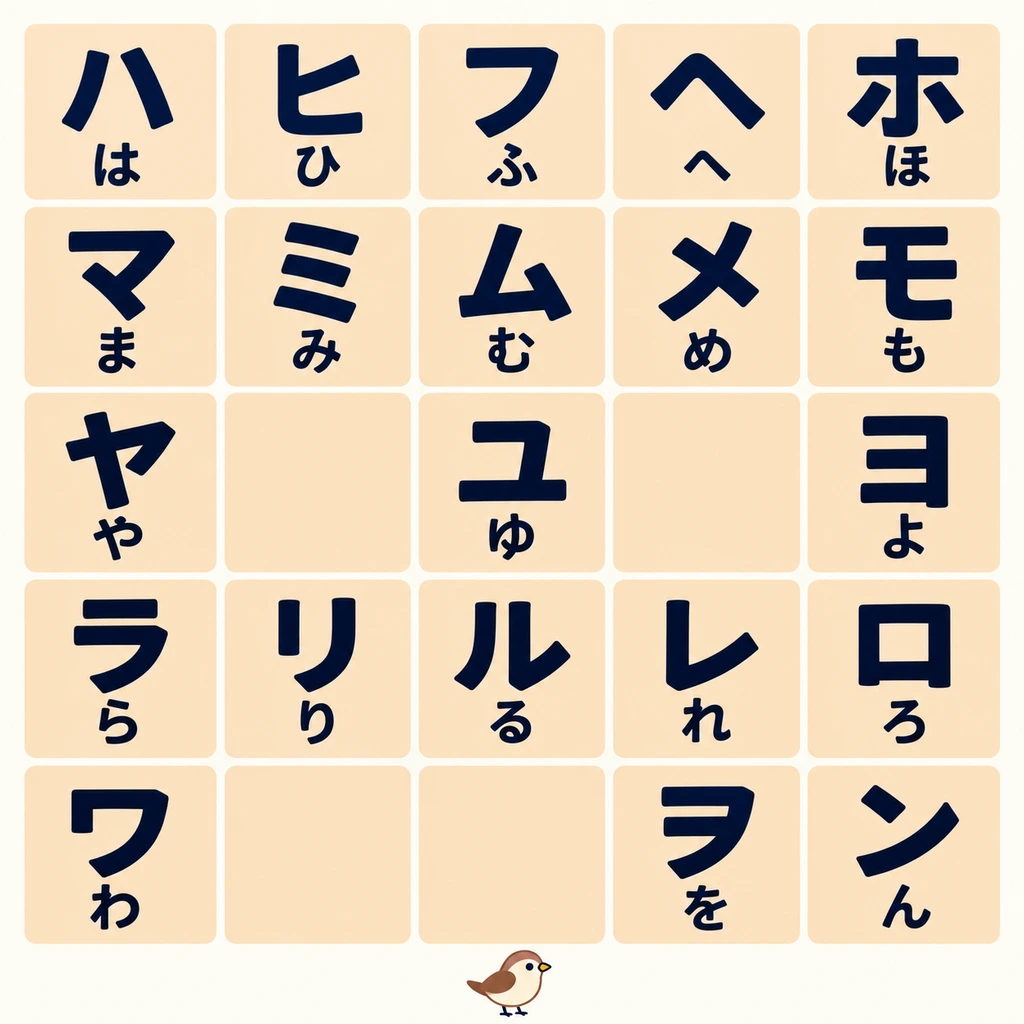
  2. The second half of the chart also uses the same sounds. Read from the ハ row to the ワ row and find sounds you already know.
    The second half of the chart also uses the same sounds. Read from the ハ row to the ワ row and find sounds you already know.

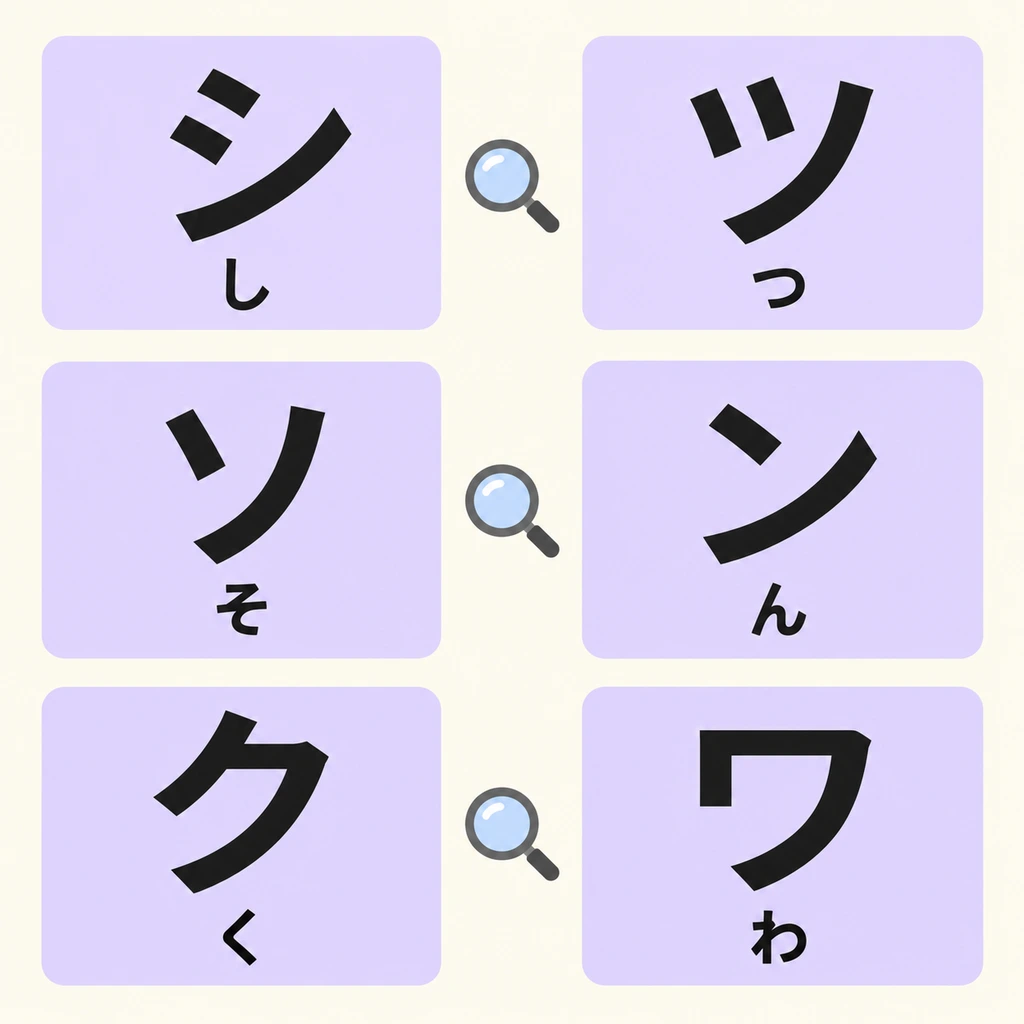
  3. Katakana often have angular shapes. The three pairs in the picture look similar but sound different. First, look closely at their differences.
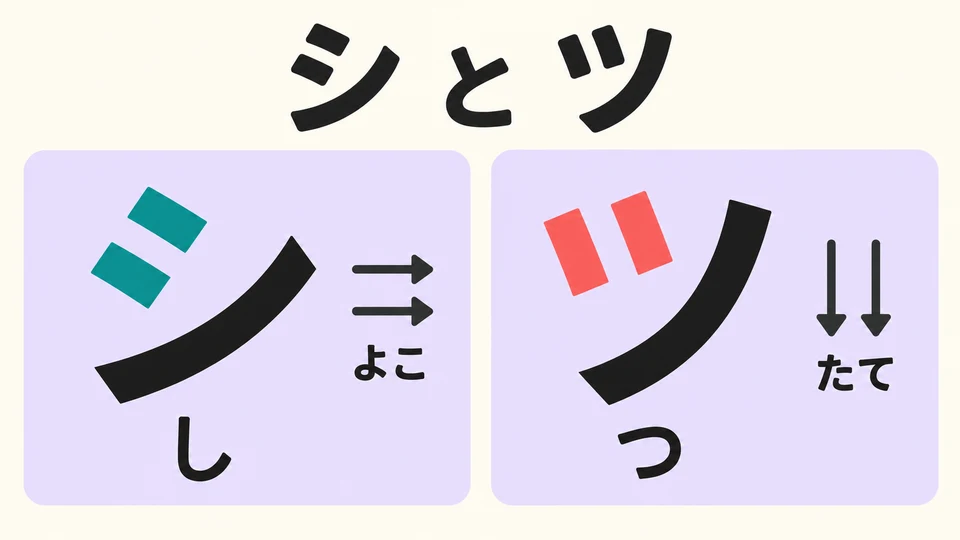
    Katakana often have angular shapes. The three pairs in the picture look similar but sound different. First, look closely at their differences.

  4. The two short strokes in シ are more horizontal; those in ツ are more vertical. Read シ as し and ツ as つ.
    The two short strokes in シ are more horizontal; those in ツ are more vertical. Read シ as し and ツ as つ.

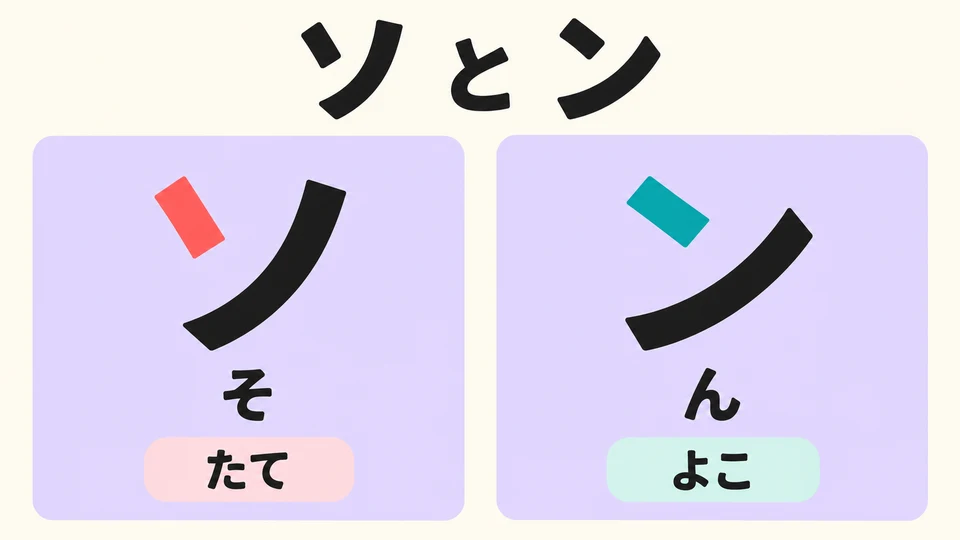
  5. The short stroke in ソ is more vertical; the one in ン is more horizontal. They match そ and ん respectively. Look at more than just the long stroke.
    The short stroke in ソ is more vertical; the one in ン is more horizontal. They match そ and ん respectively. Look at more than just the long stroke.

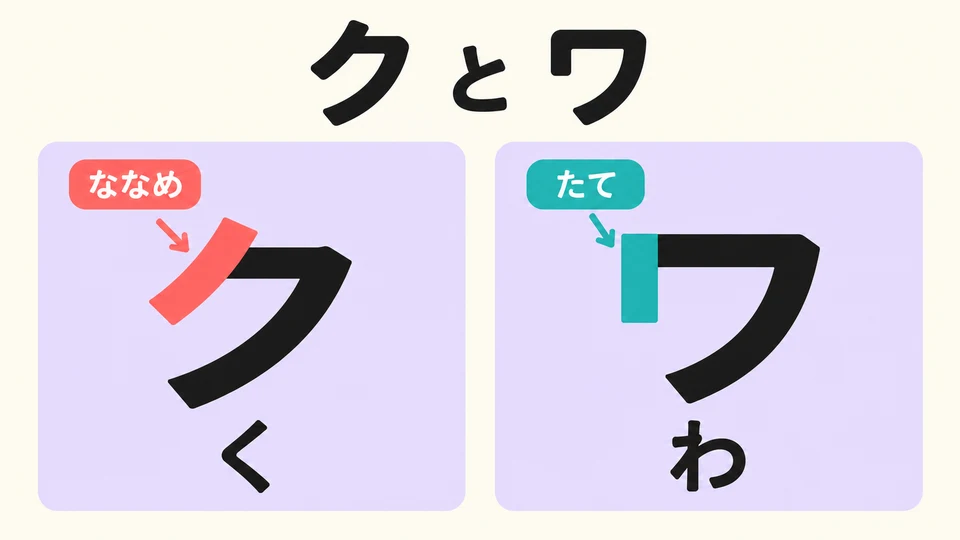
  6. ク has a diagonal stroke at the top left; ワ has a short vertical stroke there. Read them as く and わ respectively.
    ク has a diagonal stroke at the top left; ワ has a short vertical stroke there. Read them as く and わ respectively.

  7. Like hiragana, katakana represent sounds. Don’t guess their meanings as if they were kanji; first, read each character aloud.
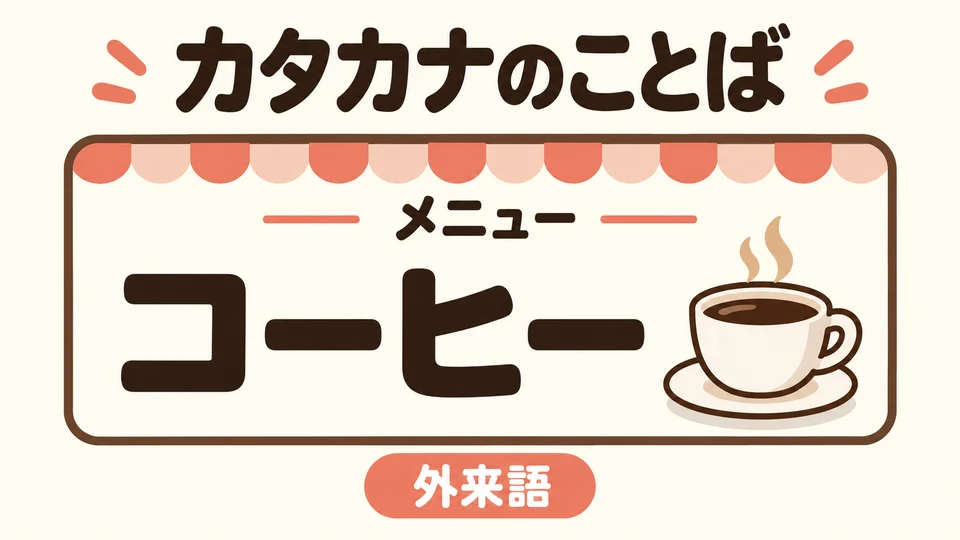
    Like hiragana, katakana represent sounds. Don’t guess their meanings as if they were kanji; first, read each character aloud.

  8. コーヒー on a menu is a loanword meaning “coffee.” Katakana are often used to write loanwords.
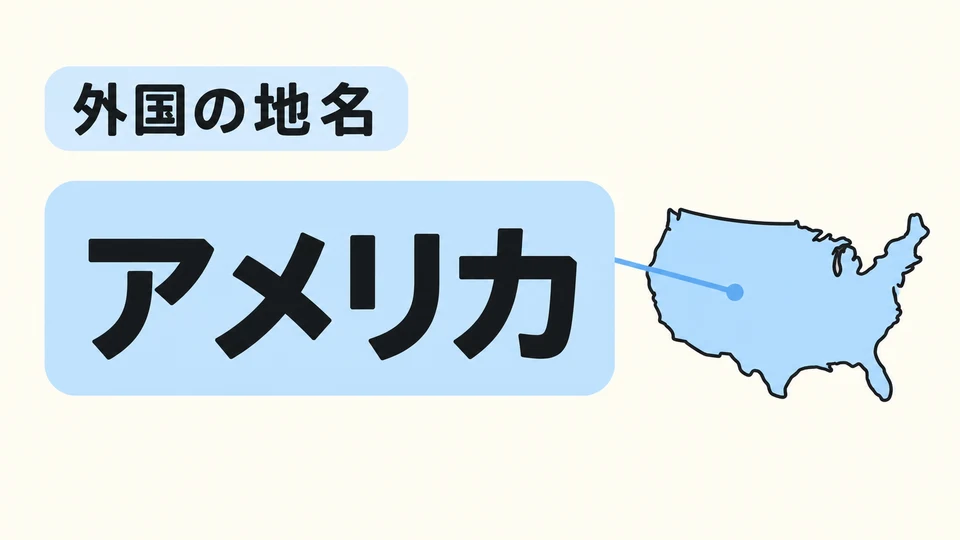
    コーヒー on a menu is a loanword meaning “coffee.” Katakana are often used to write loanwords.

  9. アメリカ on a map means the United States. Foreign place names are also often written in katakana.
    アメリカ on a map means the United States. Foreign place names are also often written in katakana.

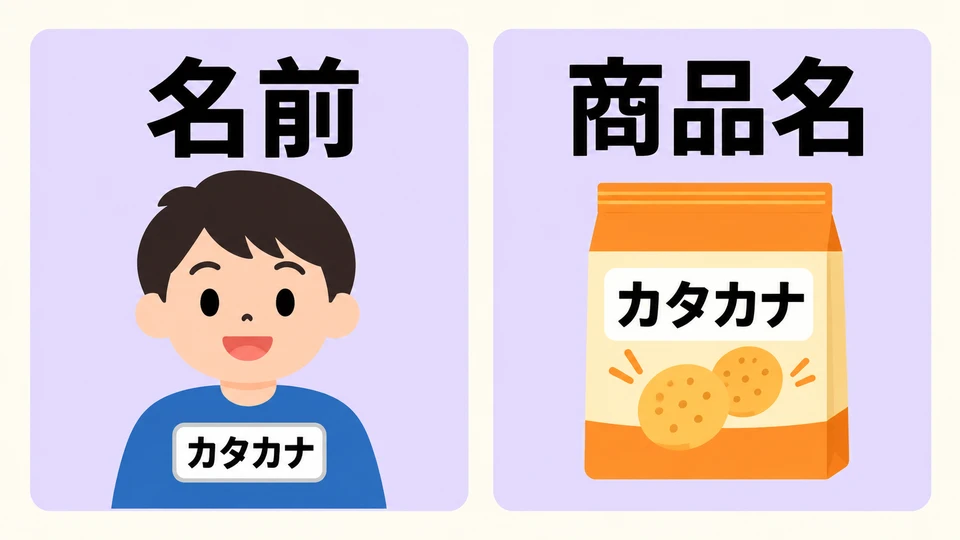
  10. Foreign people’s names and product names often use katakana too. When you see them, start by noticing the shapes of the characters.
    Foreign people’s names and product names often use katakana too. When you see them, start by noticing the shapes of the characters.

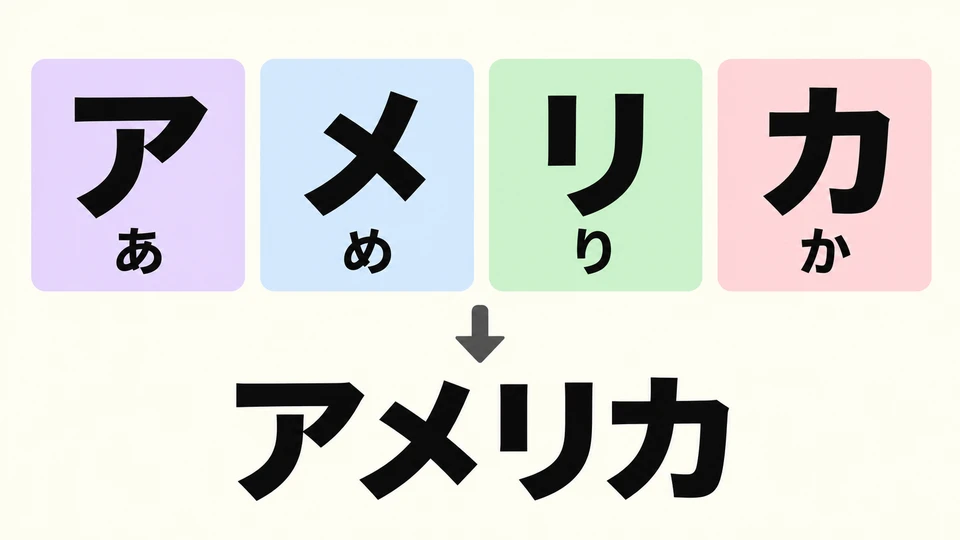
  11. Try reading アメリカ: ア・メ・リ・カ matches あ・め・り・か. Put the sounds together to pronounce the word.
    Try reading アメリカ: ア・メ・リ・カ matches あ・め・り・か. Put the sounds together to pronounce the word.

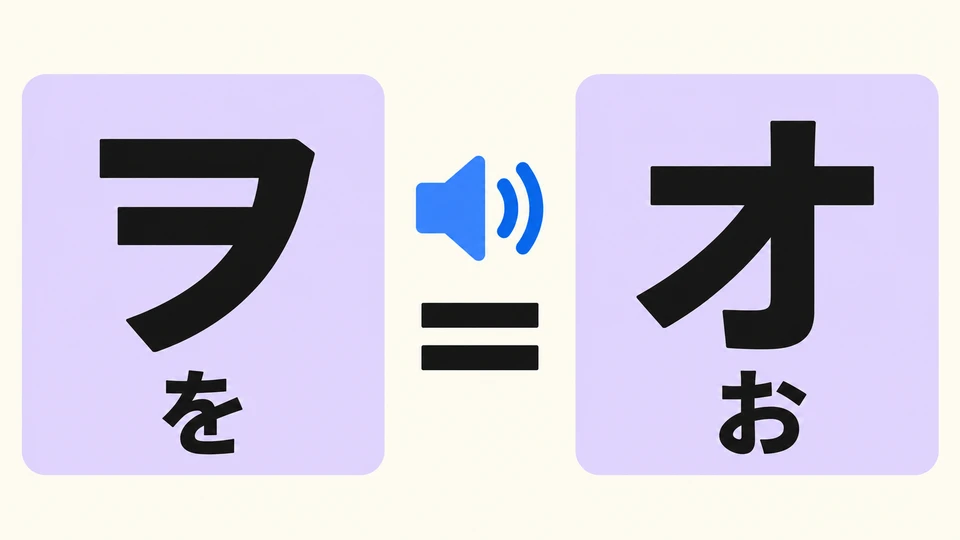
  12. ヲ in the chart matches を. In modern Japanese, it is usually pronounced like オ. Different shapes can have the same sound.
    ヲ in the chart matches を. In modern Japanese, it is usually pronounced like オ. Different shapes can have the same sound.

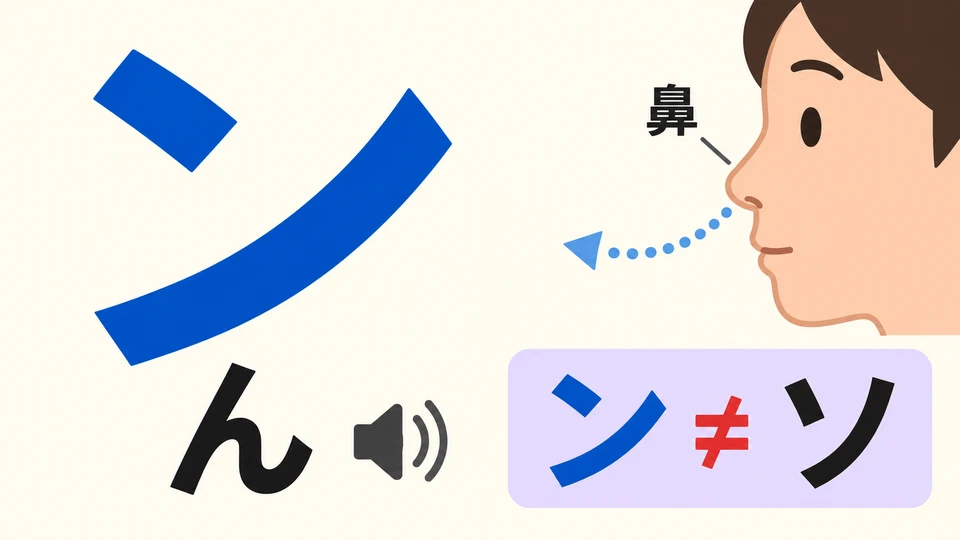
  13. ン matches ん and is a nasal sound. Don’t add a full vowel after it when reading, and don’t confuse it with ソ.
    ン matches ん and is a nasal sound. Don’t add a full vowel after it when reading, and don’t confuse it with ソ.

  14. Look at the first two charts again. Cover the hiragana and try reading. If you’re unsure of a character, uncover its matching sound and practice again.

    Look at the first two charts again. Cover the hiragana and try reading. If you’re unsure of a character, uncover its matching sound and practice again.

Example sentences

  • アメリカあめりかamerika

    America

  • コーヒーこーひーkoohii

    coffee

More grammar in this theme

  • カタカナ ア行〜ワ行Katakana sounds and loanwords

Keep practising

Test your Japanese vocabulary12 adaptive questions, freeCheck your pronunciationRead aloud and get a scorePractise verb forms10-question conjugation quizSee the whole courseGrammar, vocabulary and quizzes by theme
ひらがな あ行〜な行Hiragana sounds: a to na rows
ひらがな は行〜んHiragana sounds: ha row to n
濁音・半濁音Voiced and p-sound kana
長音・促音Long vowels and consonant pauses
拗音(きゃ・きゅ・きょ)Blended sounds with small ゃゅょ
教室で使う表現Useful classroom expressions
Previousひらがな は行〜ん
Next濁音・半濁音