JPEDLAB iconJPEDLAB
Save history

Create an account and play

Explore first, then save your progress whenever you are ready. No email address is required.

Start free
Read as articleCards
1/47

Classroom expressions help you follow the lesson. Start by understanding and responding; you do not need to speak perfectly right away.

››

Lesson notes · Beginner 1

教室で使う表現kyoushitsu de tsukau hyougen

Useful classroom expressions

Use 「教室で使う表現」 to follow class instructions, respond, ask for repetition, and thank your teacher.

How it works
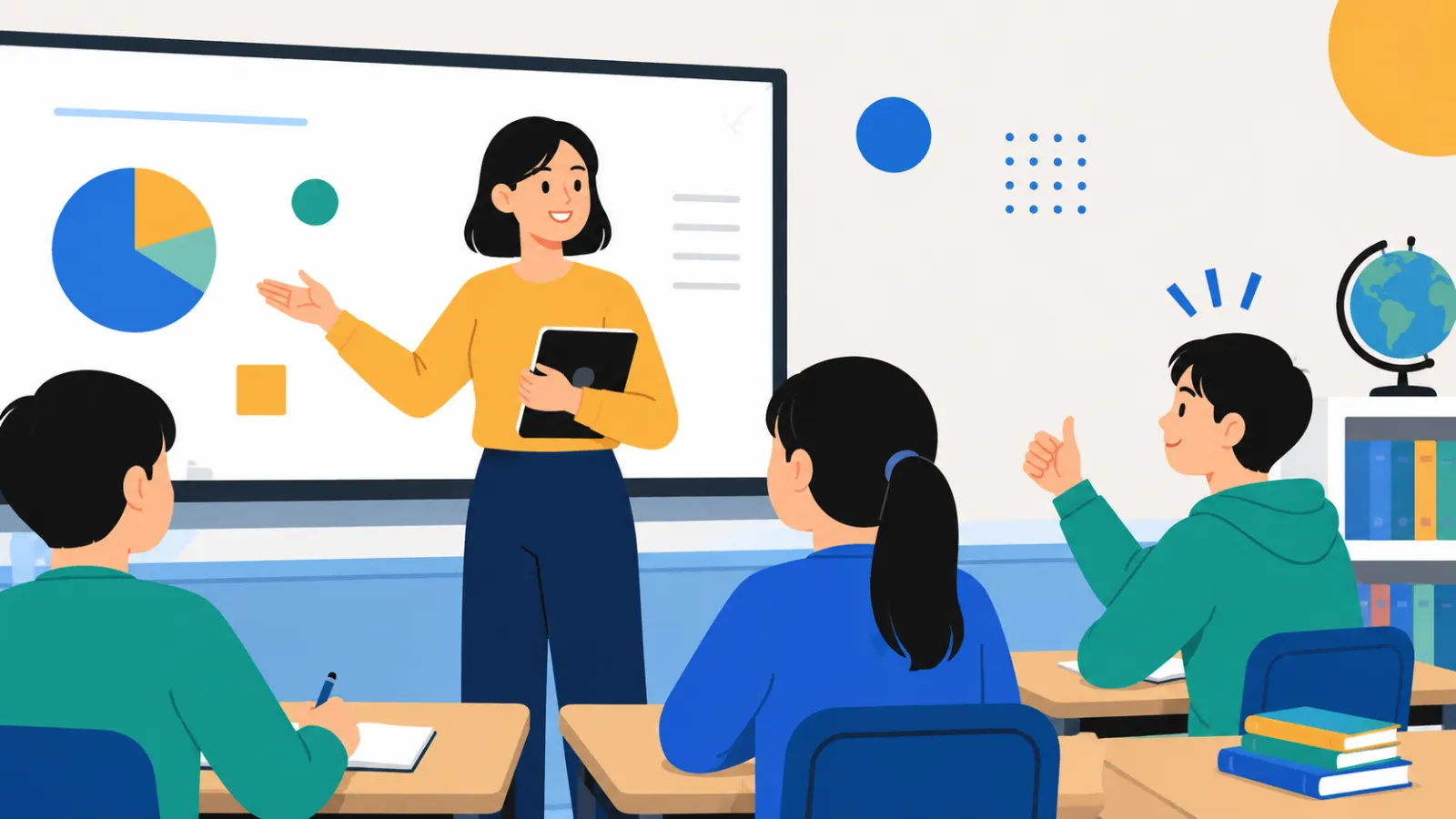
  1. Classroom expressions help you follow the lesson. Start by understanding and responding; you do not need to speak perfectly right away.
    Classroom expressions help you follow the lesson. Start by understanding and responding; you do not need to speak perfectly right away.
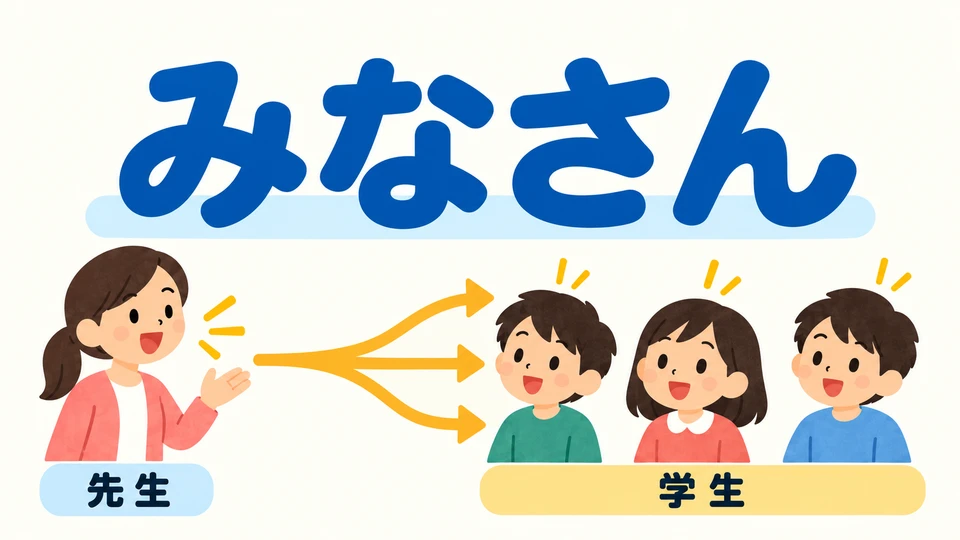
  2. When the teacher says 「みなさん」, they are addressing the whole class. Get ready for the lesson when you hear the opening cue.

When the teacher says 「みなさん」, they are addressing the whole class. Get ready for the lesson when you hear the opening cue.

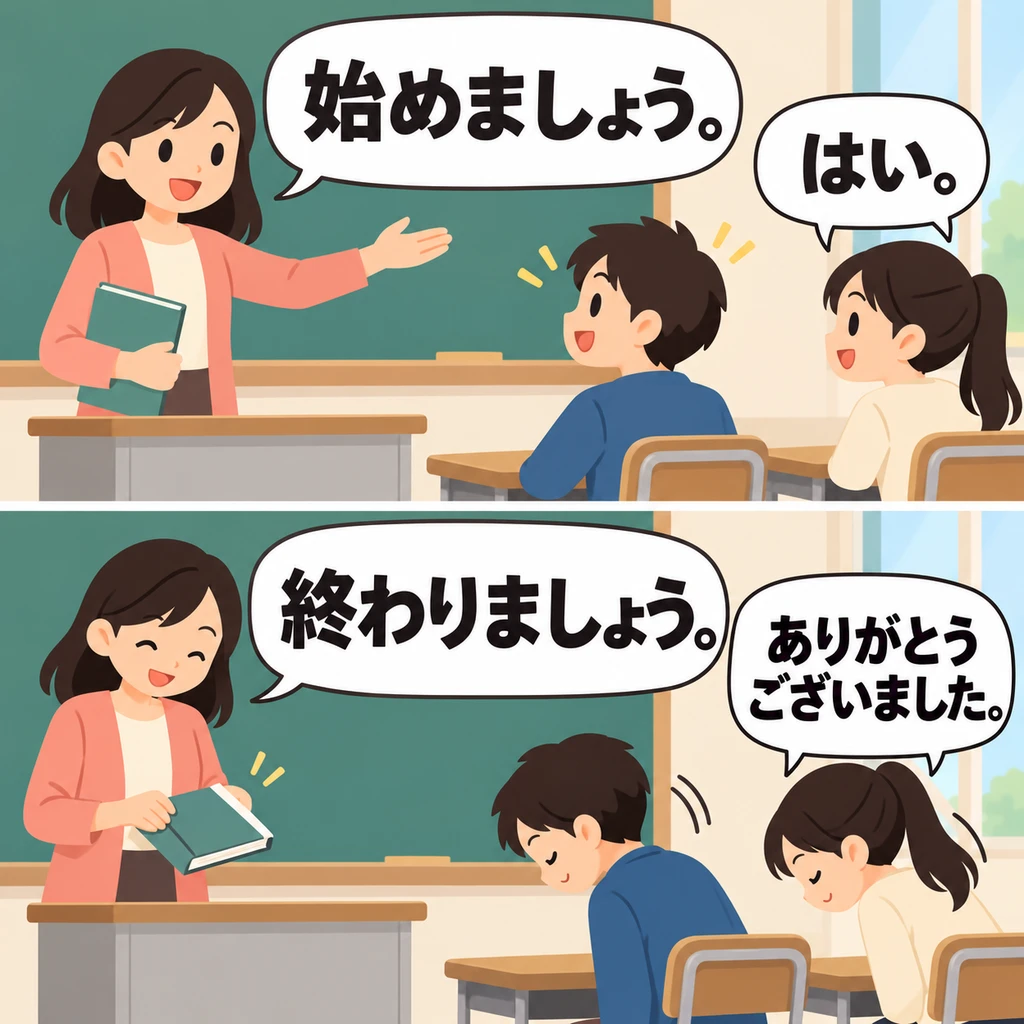
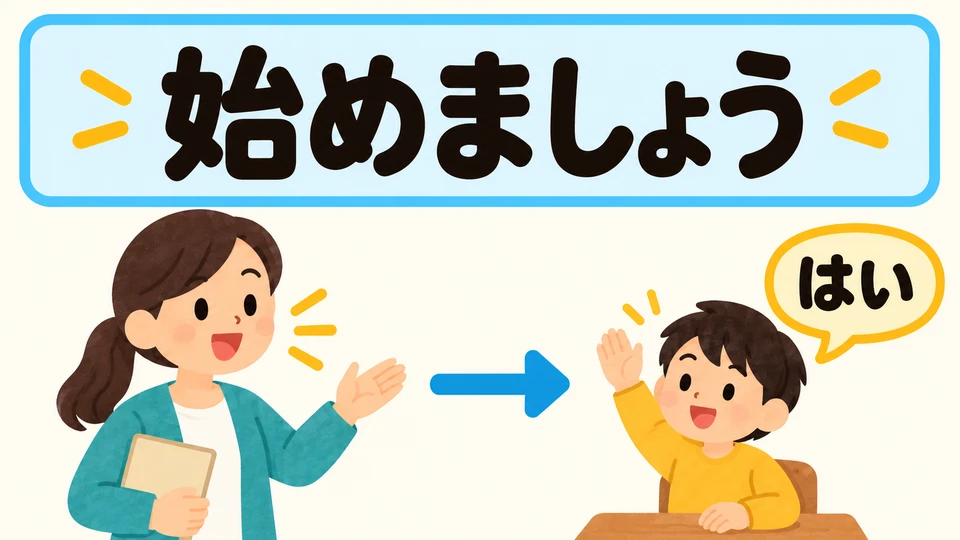
  • 「始めましょう」 means “Let’s begin.” Students can answer 「はい」 to show they are ready.

    「始めましょう」 means “Let’s begin.” Students can answer 「はい」 to show they are ready.

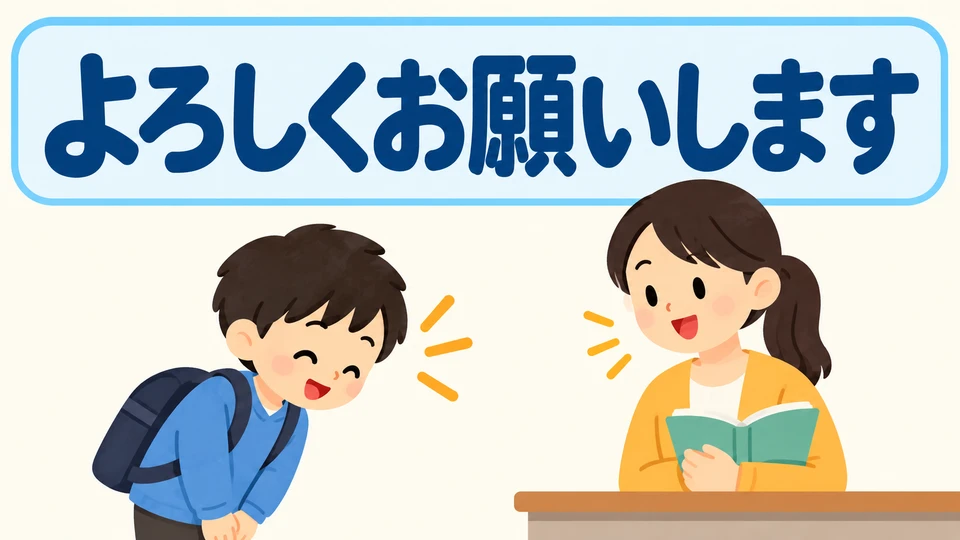
  • At the start of class, say 「よろしくお願いします」 to politely ask the teacher for their guidance.

    At the start of class, say 「よろしくお願いします」 to politely ask the teacher for their guidance.

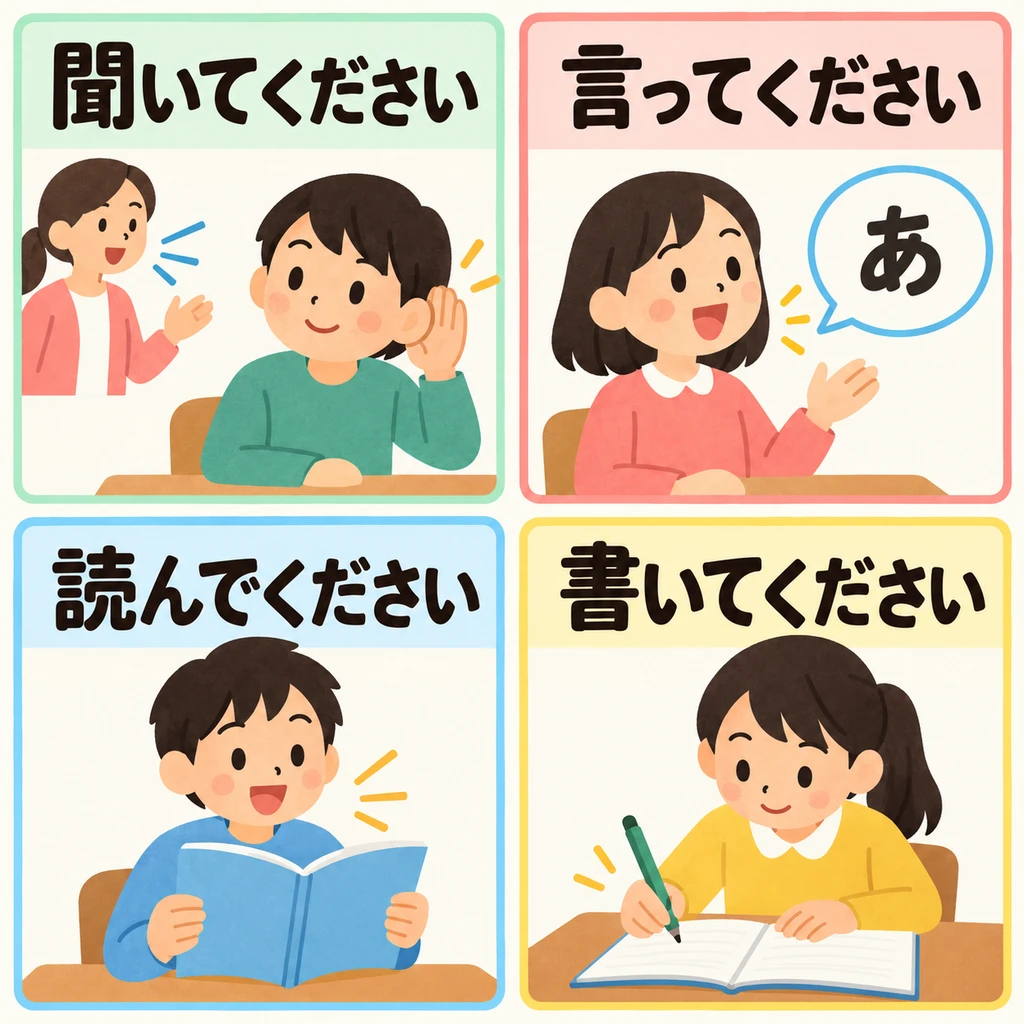
  • In the four pictures, which student is listening, speaking, reading, or writing? Learn each instruction’s sound together with its action.

    In the four pictures, which student is listening, speaking, reading, or writing? Learn each instruction’s sound together with its action.

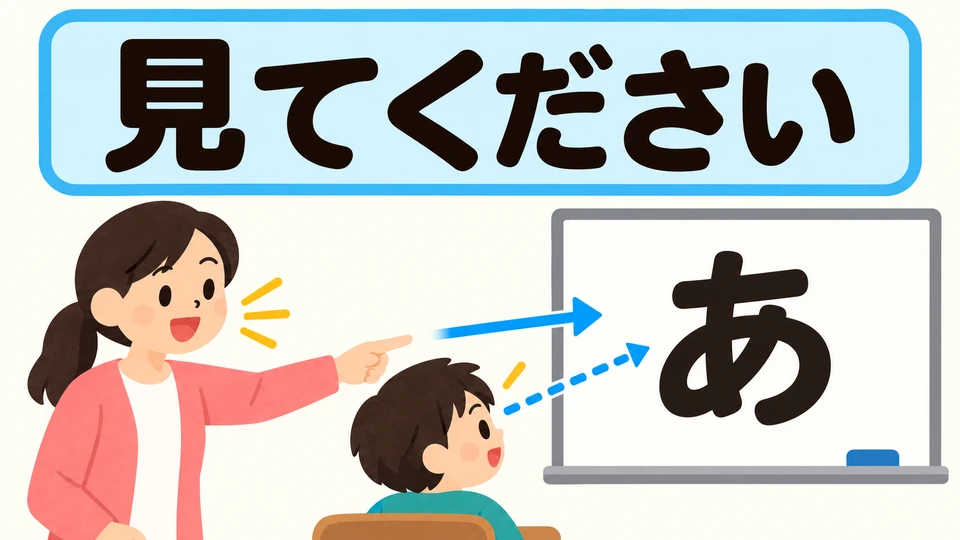
  • 「見てください」 means “Please look.” Look where the teacher points.

    「見てください」 means “Please look.” Look where the teacher points.

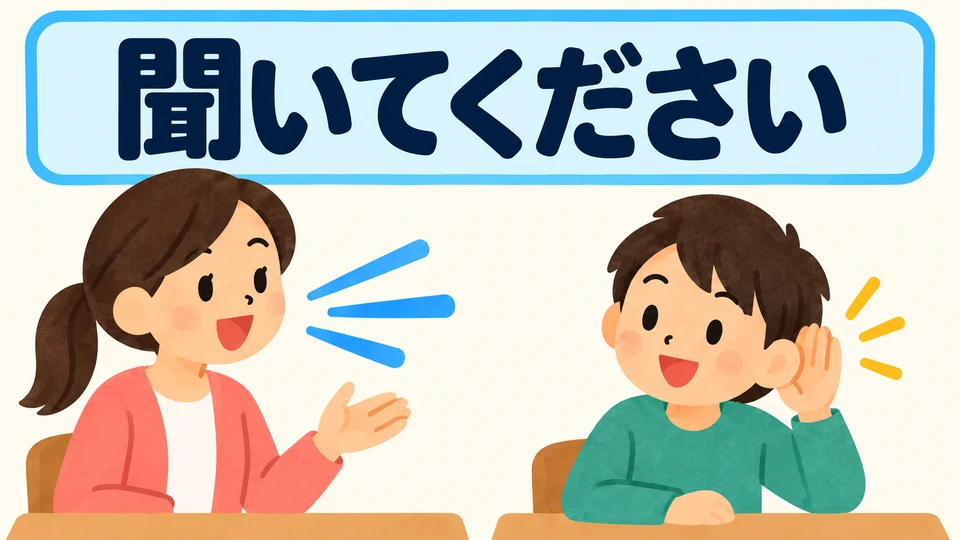
  • 「聞いてください」 means “Please listen.” Focus on the teacher’s voice or the recording and listen carefully to the model.

    「聞いてください」 means “Please listen.” Focus on the teacher’s voice or the recording and listen carefully to the model.

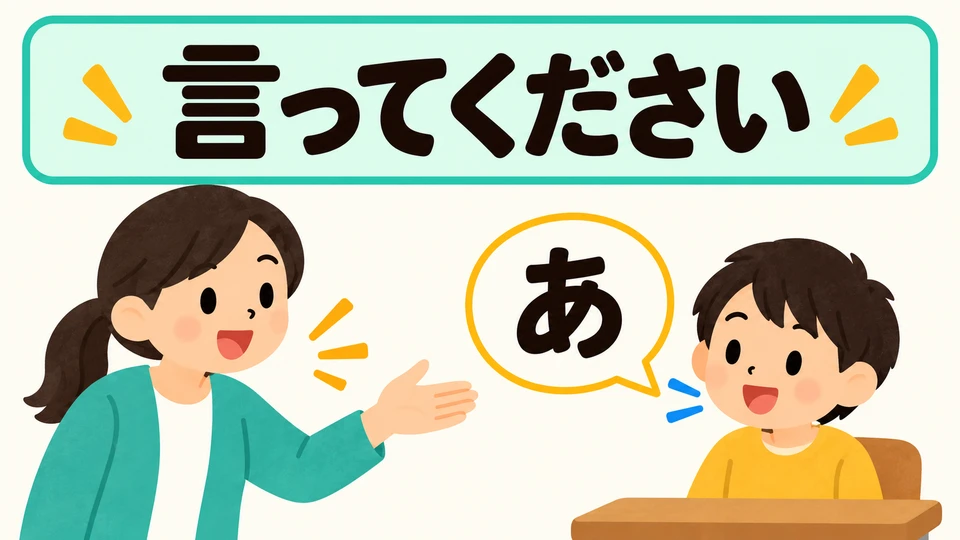
  • 「言ってください」 means “Please say it.” When it is your turn to speak, say the word the teacher asks for.

    「言ってください」 means “Please say it.” When it is your turn to speak, say the word the teacher asks for.

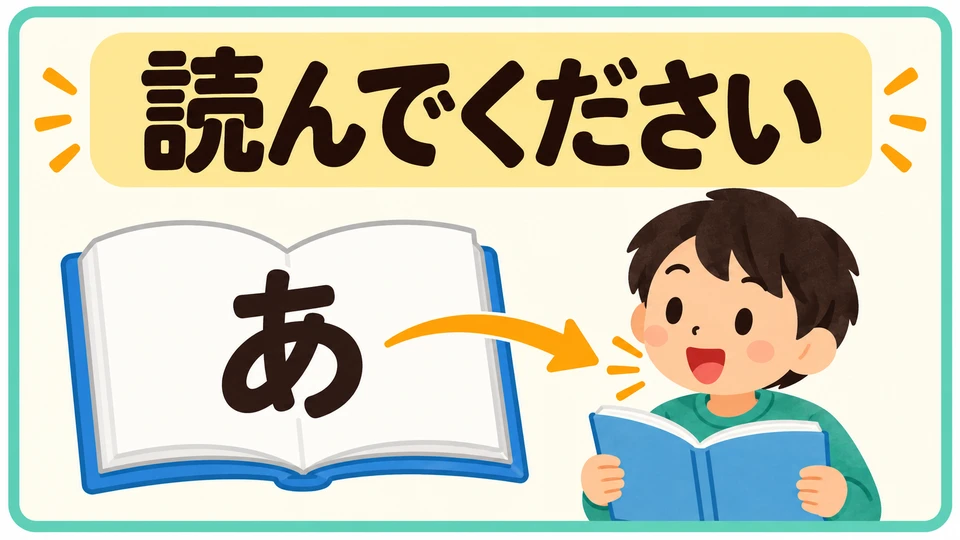
  • 「読んでください」 means “Please read.” Look at the words in the book or on the board, then read them aloud.

    「読んでください」 means “Please read.” Look at the words in the book or on the board, then read them aloud.

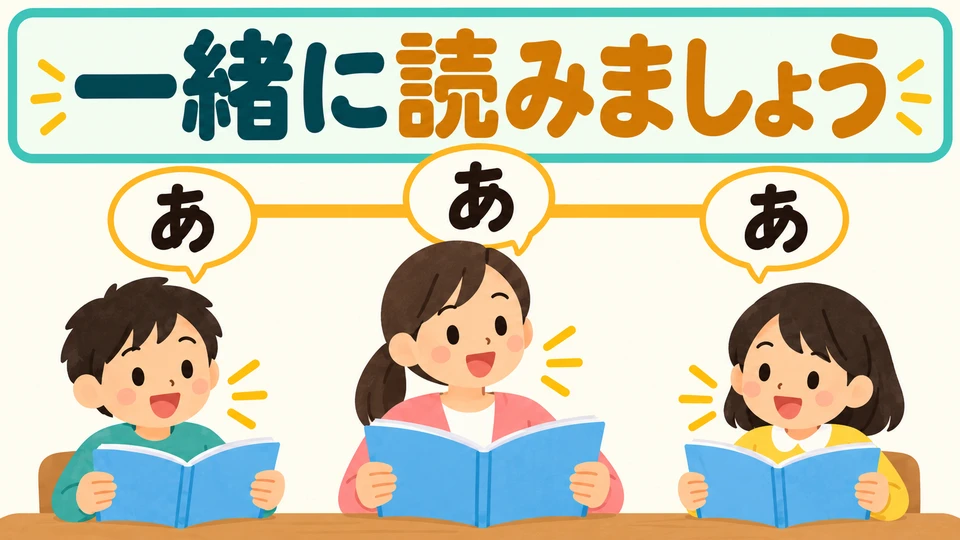
  • 「一緒に読みましょう」 means “Let’s read together.” Read at the same time as the teacher and your classmates.

    「一緒に読みましょう」 means “Let’s read together.” Read at the same time as the teacher and your classmates.

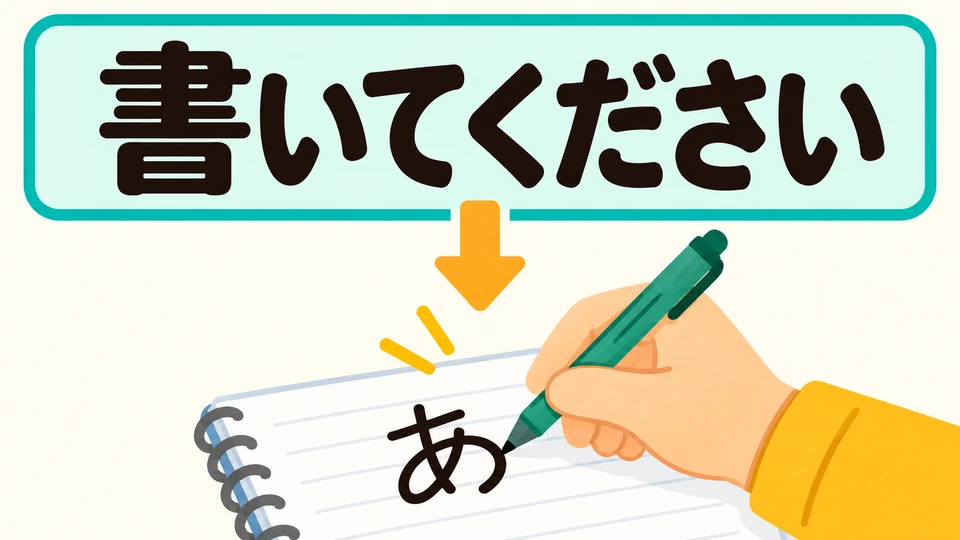
  • 「書いてください」 means “Please write.” Take out your pen and notebook and write down the specified content.

    「書いてください」 means “Please write.” Take out your pen and notebook and write down the specified content.

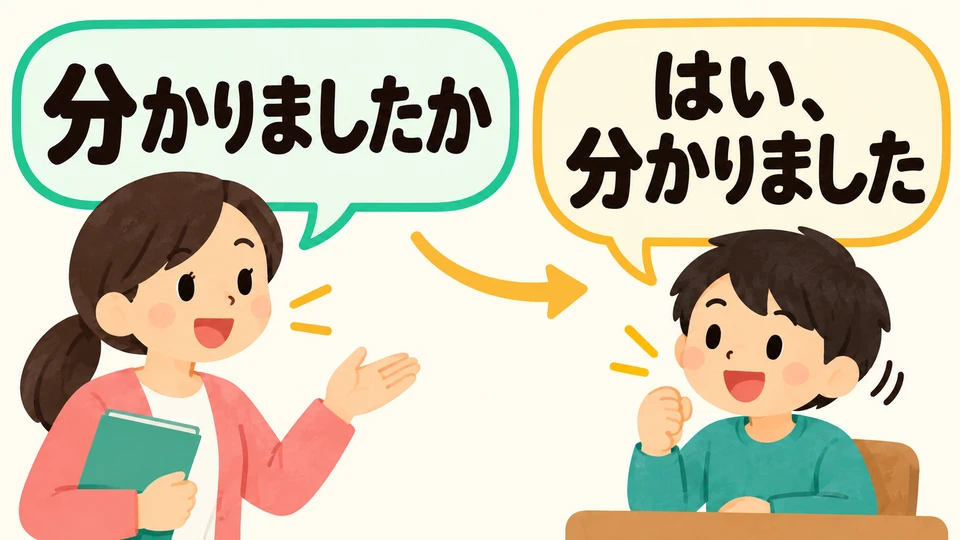
  • With 「分かりましたか」, the teacher checks whether you understood. If you did, answer 「はい、分かりました」.

    With 「分かりましたか」, the teacher checks whether you understood. If you did, answer 「はい、分かりました」.

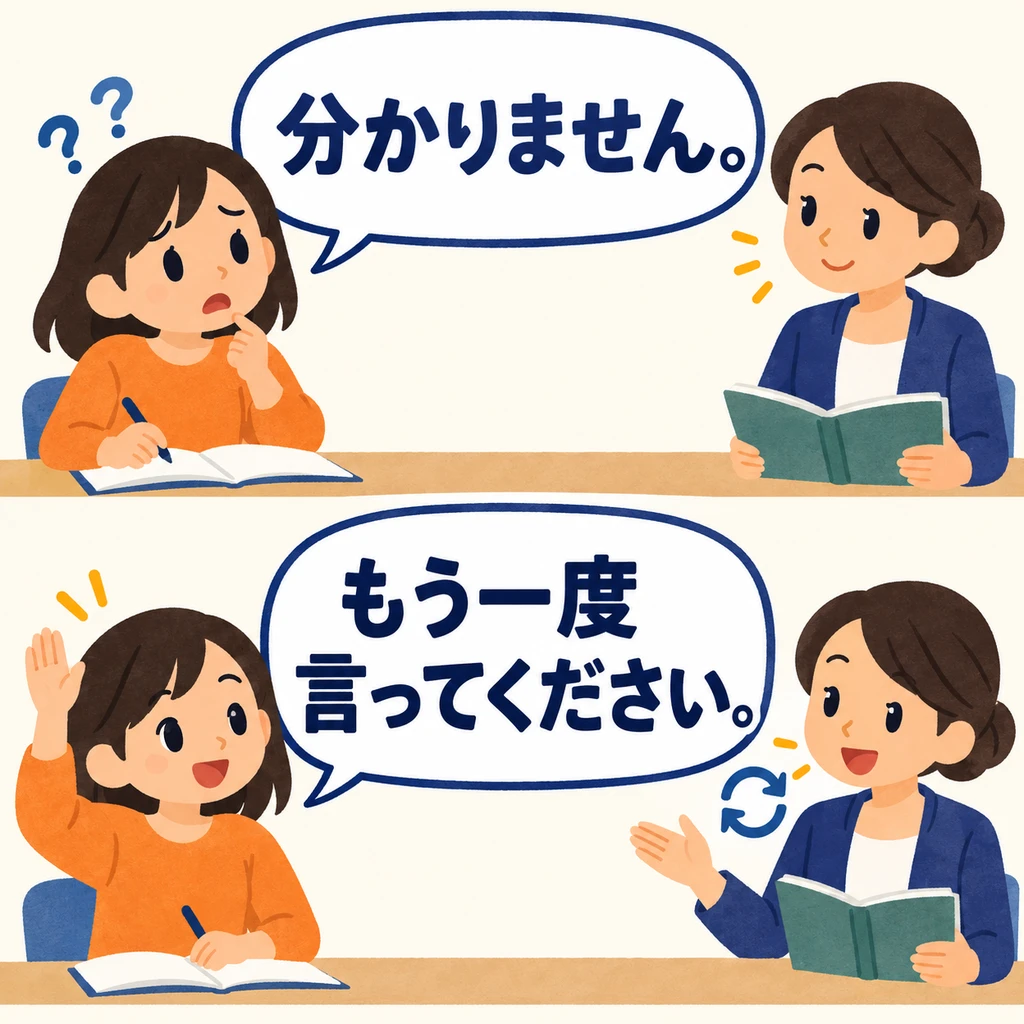
  • See how the student asks for help: say you do not understand, then ask the teacher to repeat. You do not have to pretend you understand.

    See how the student asks for help: say you do not understand, then ask the teacher to repeat. You do not have to pretend you understand.

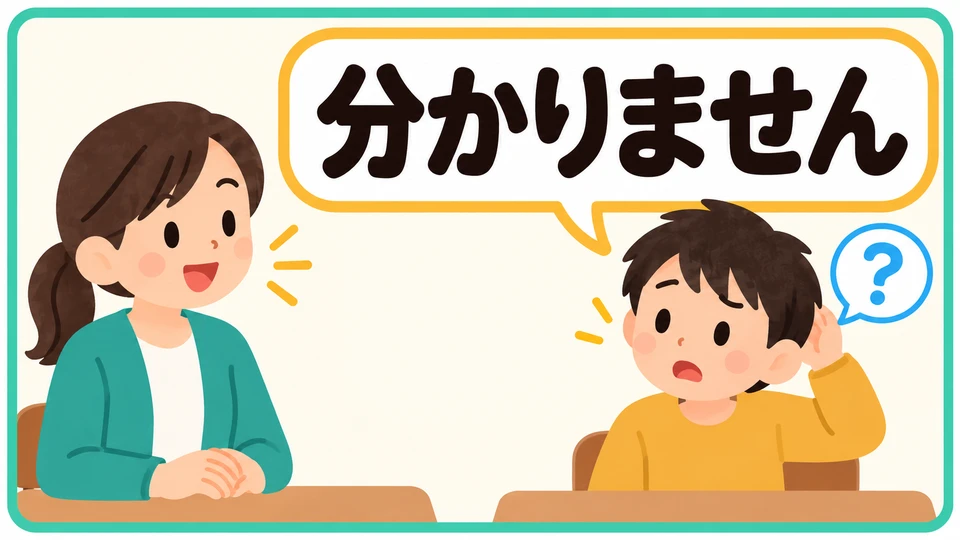
  • 「分かりません」 means “I don’t understand.” You can say this even if you heard the sounds but did not understand the meaning.

    「分かりません」 means “I don’t understand.” You can say this even if you heard the sounds but did not understand the meaning.

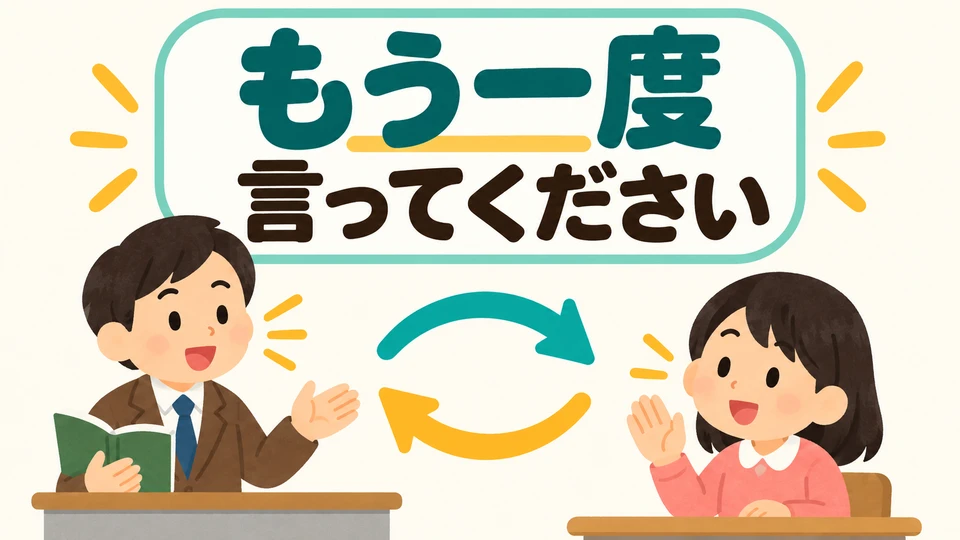
  • 「もう一度言ってください」 means “Please say it again.” You can also use it to ask for help when you did not hear clearly.

    「もう一度言ってください」 means “Please say it again.” You can also use it to ask for help when you did not hear clearly.

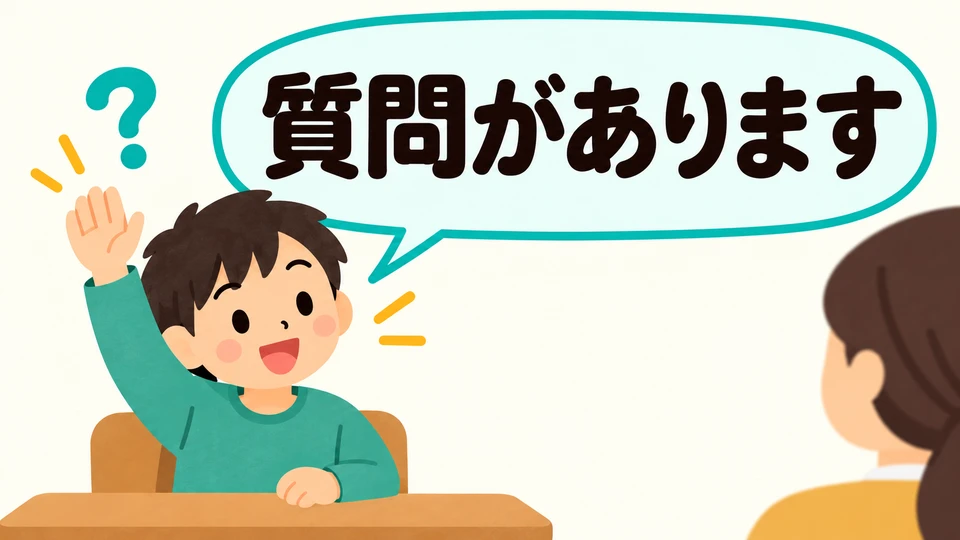
  • When you want to ask a question, raise your hand and say 「質問があります」 to let the teacher know.

    When you want to ask a question, raise your hand and say 「質問があります」 to let the teacher know.

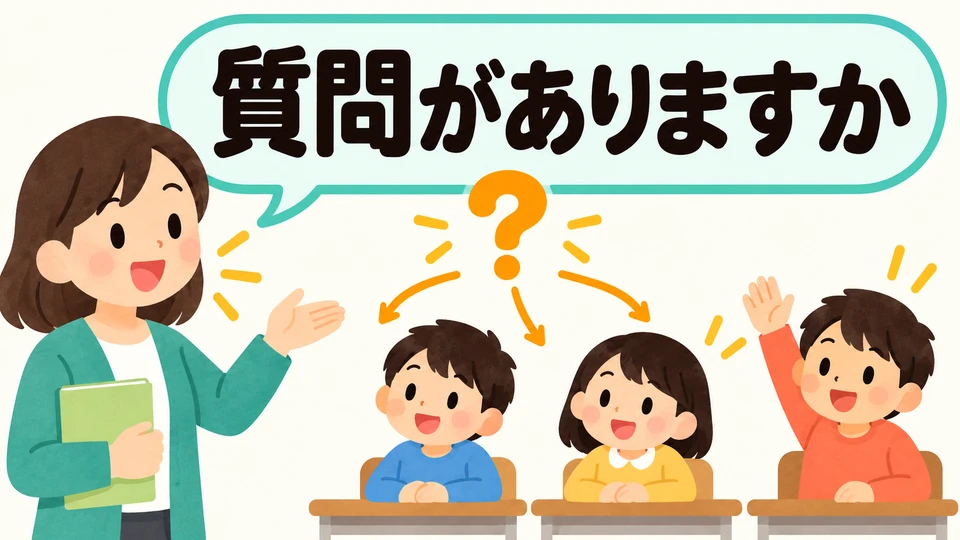
  • 「質問がありますか」 asks whether anyone has a question. If something is unclear, speak up and tell the teacher.

    「質問がありますか」 asks whether anyone has a question. If something is unclear, speak up and tell the teacher.

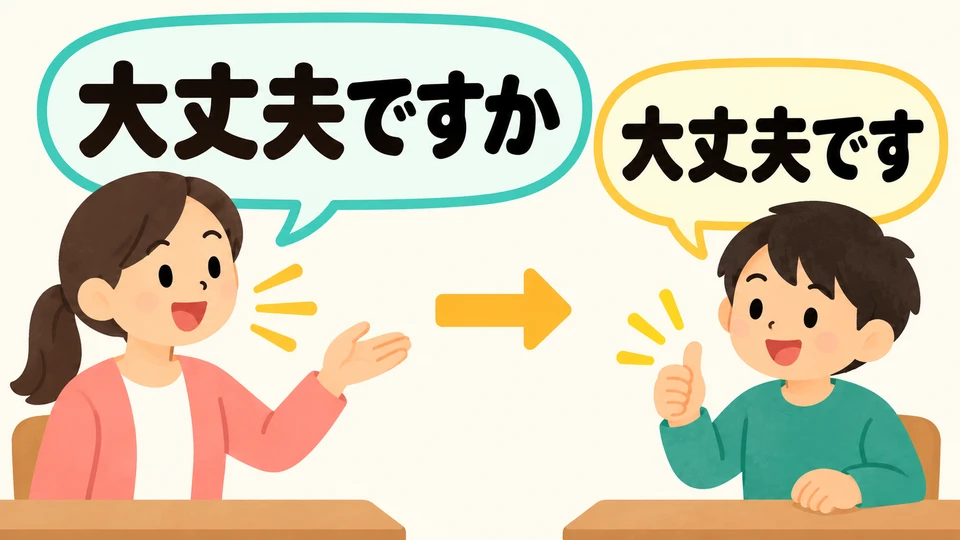
  • With 「大丈夫ですか」, the teacher checks whether everything is okay. If it really is, you can answer 「大丈夫です」.

    With 「大丈夫ですか」, the teacher checks whether everything is okay. If it really is, you can answer 「大丈夫です」.

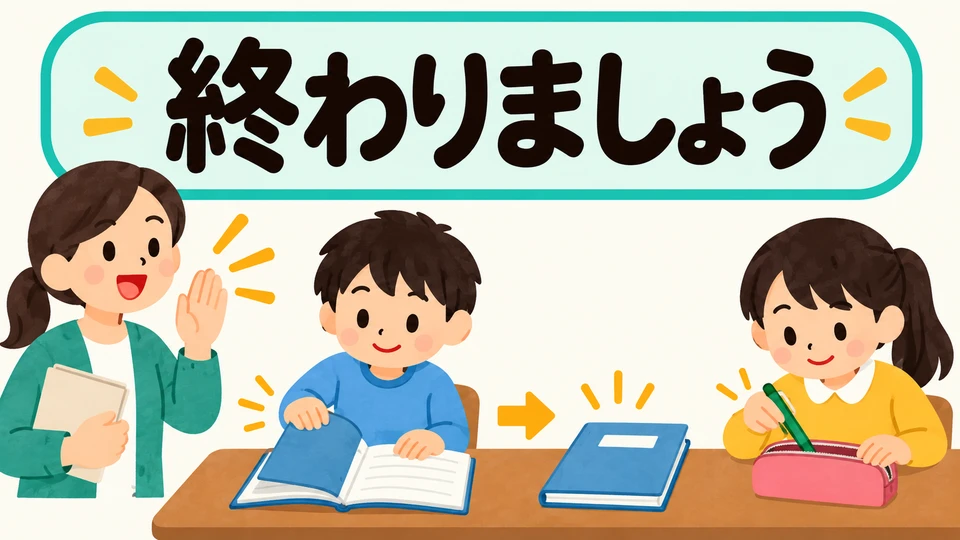
  • 「終わりましょう」 signals that the lesson is over. After hearing it, put away your book and notebook.

    「終わりましょう」 signals that the lesson is over. After hearing it, put away your book and notebook.

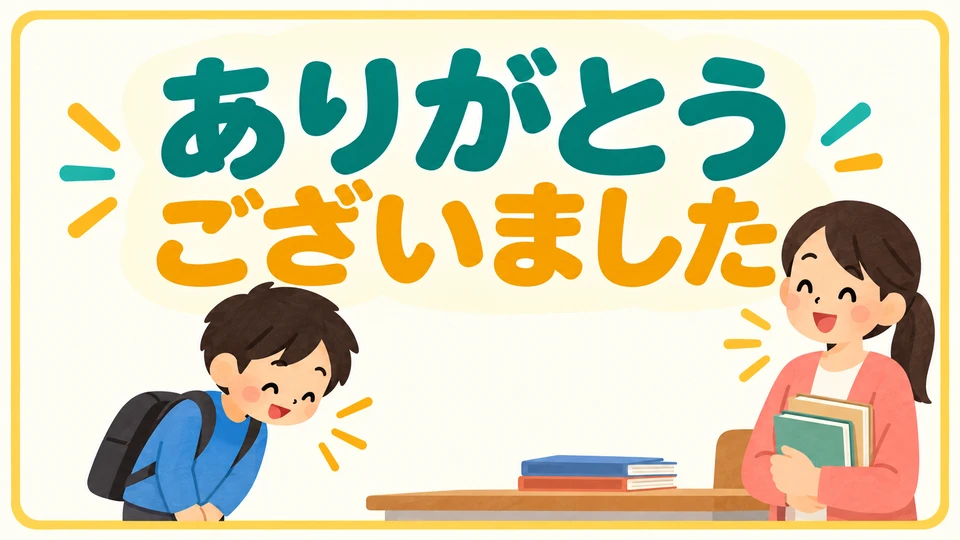
  • At the end of class, say 「ありがとうございました」 to thank the teacher for the lesson you just had.

    At the end of class, say 「ありがとうございました」 to thank the teacher for the lesson you just had.

  • Example sentences

    • 先生せんせいsensei

      teacher

    • 学生がくせいgakusei

      student

    • みなさんminasan

      everyone

    • ノートのーとnooto

      notebook

    • ペンぺんpen

      pen

    • 始めましょうはじめましょうhajimemashou

      let’s begin

    • 終わりましょうおわりましょうowarimashou

      let’s finish

    • 見てくださいみてくださいmite kudasai

      please look

    • 聞いてくださいきいてくださいkiite kudasai

      please listen

    • 言ってくださいいってくださいitte kudasai

      please say it

    • 読んでくださいよんでくださいyonde kudasai

      please read

    • 書いてくださいかいてくださいkaite kudasai

      please write

    • もう一度言ってくださいもういちどいってくださいmou ichido itte kudasai

      please say it one more time

    • 一緒に読みましょういっしょによみましょうissho ni yomimashou

      let’s read together

    • 分かりましたわかりましたwakarimashita

      I understood

    • 分かりませんわかりませんwakarimasen

      I don’t understand

    • 大丈夫ですかだいじょうぶですかdaijoubu desu ka

      Is it okay? / Are you okay?

    • 大丈夫ですだいじょうぶですdaijoubu desu

      It’s okay

    • 質問がありますかしつもんがありますかshitsumon ga arimasu ka

      Do you have any questions?

    • 質問がありますしつもんがありますshitsumon ga arimasu

      I have a question

    • はいhai

      yes

    • よろしくお願いしますよろしくおねがいしますyoroshiku onegaishimasu

      Thank you in advance. / Nice to meet you.

    • ありがとうございましたarigatou gozaimashita

      thank you very much

    In a conversation

    • 先生
      始めましょう。はじめましょう。

      Teacher: Let’s begin.

    • 学生
      よろしくお願いします。よろしくおねがいします。

      Student: Thank you in advance.

    • 先生
      見てください。みてください。

      Teacher: Please look.

    • 学生
      はい、分かりました。はい、わかりました。

      Student: Yes, I understood.

    • 学生
      質問があります。しつもんがあります。

      Student: I have a question.

    • 先生
      終わりましょう。おわりましょう。

      Teacher: Let’s finish.

    More grammar in this theme

    • ひらがな あ行〜な行Hiragana sounds: a to na rows
    • ひらがな は行〜んHiragana sounds: ha row to n
    • カタカナ ア行〜ワ行Katakana sounds and loanwords
    • 濁音・半濁音Voiced and p-sound kana
    • 長音・促音Long vowels and consonant pauses
    • 拗音(きゃ・きゅ・きょ)Blended sounds with small ゃゅょ
    • 教室で使う表現Useful classroom expressions
    Previous拗音(きゃ・きゅ・きょ)

    Keep practising

    Test your Japanese vocabulary12 adaptive questions, freeCheck your pronunciationRead aloud and get a scorePractise verb forms10-question conjugation quizSee the whole courseGrammar, vocabulary and quizzes by theme
    See the whole course
    Beginner 1
    Introduction to Japanese Writing