
Japanese grammar · ≈ JLPT N5 · Beginner 1
〜歳です~sai desu
State someone’s age
Add 「〜歳です」 after a number to state an age; 「おいくつですか」 asks more politely.
How it works
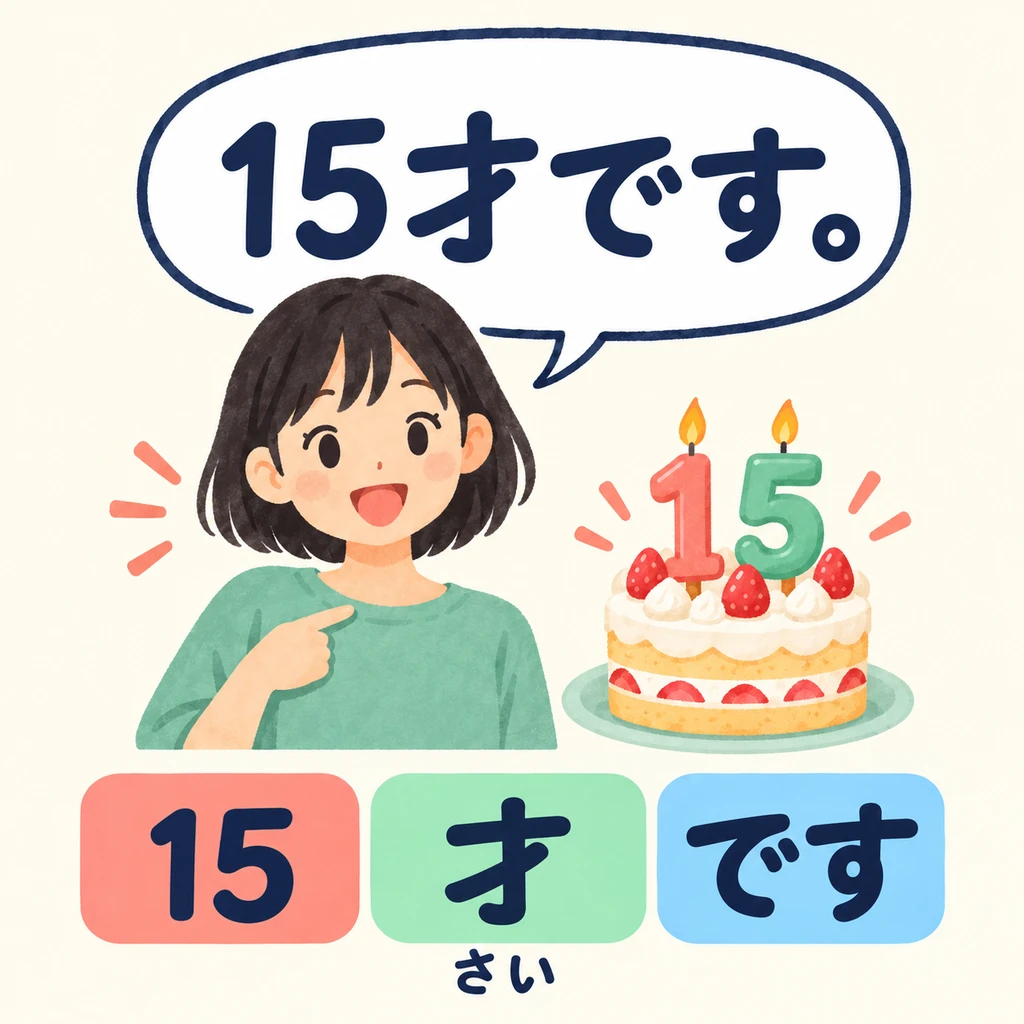
The 15 on the cake shows her age. Add 「才です」 after a number to say how old someone is.
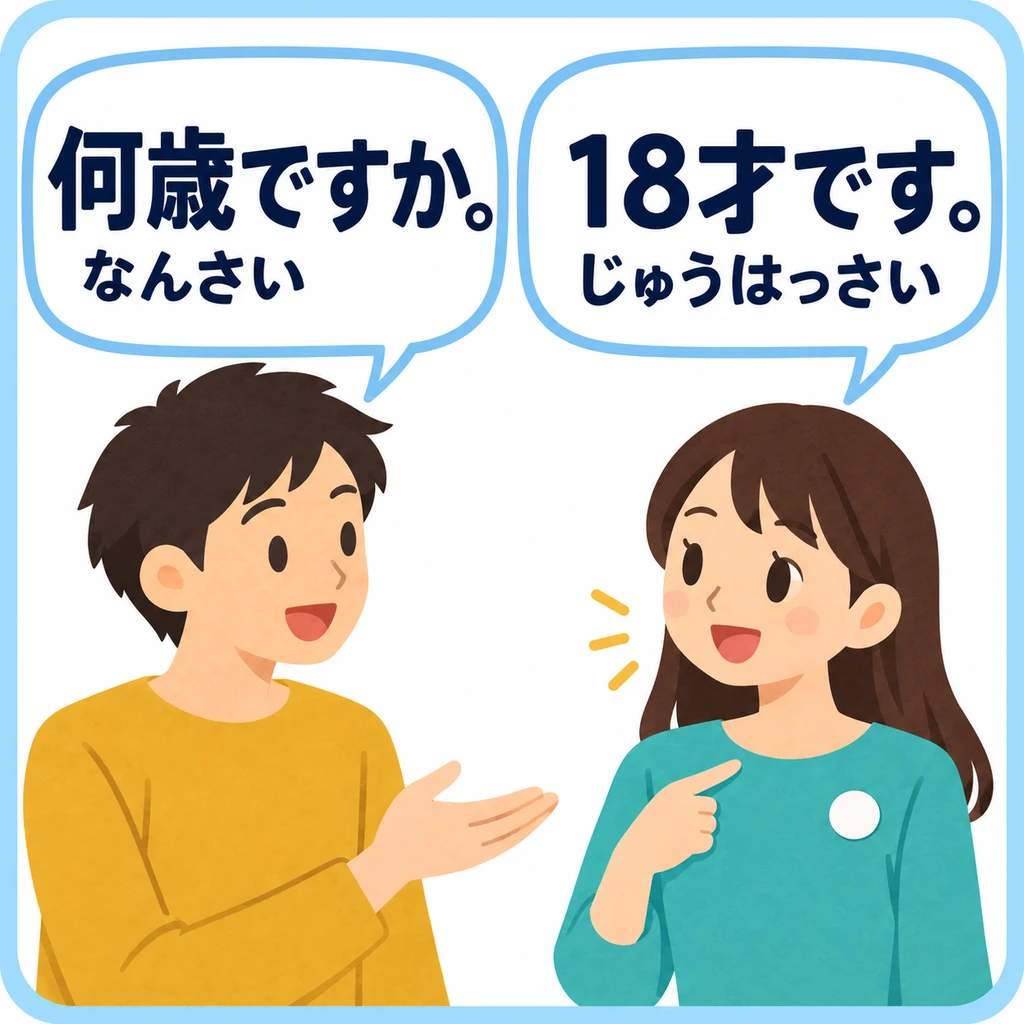
To ask someone’s age, use 「何歳ですか」. Remember that 「何歳」 is read 「なんさい」.
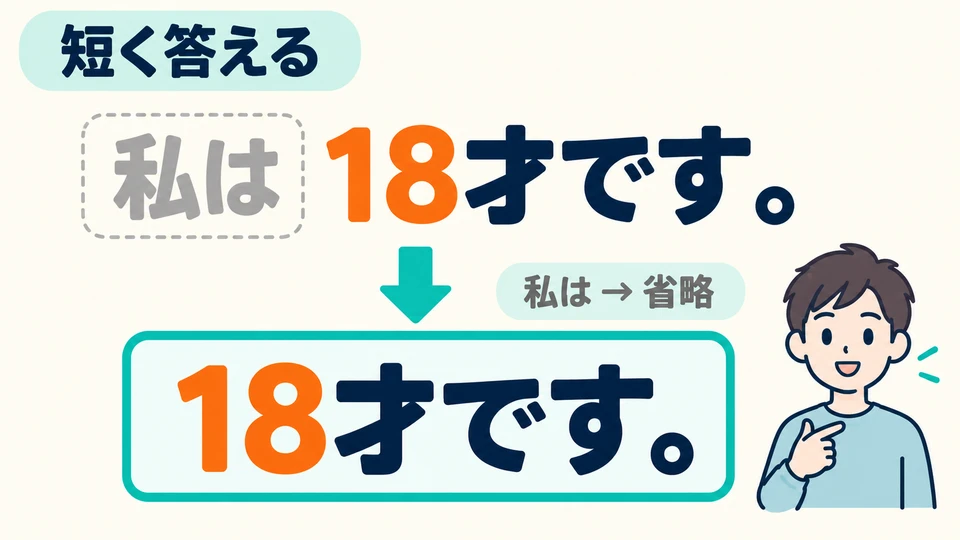
You can answer with just 「18才です」. When both speakers know who you mean, you can leave out 「私は」.
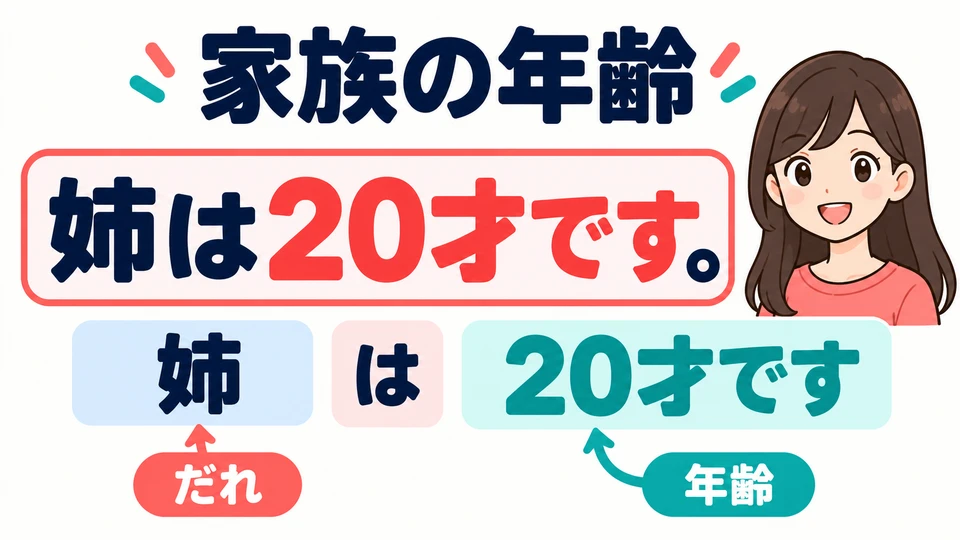
To introduce a family member, say who they are, then their age. For example, 「姉は20才です」 means “My older sister is 20.”
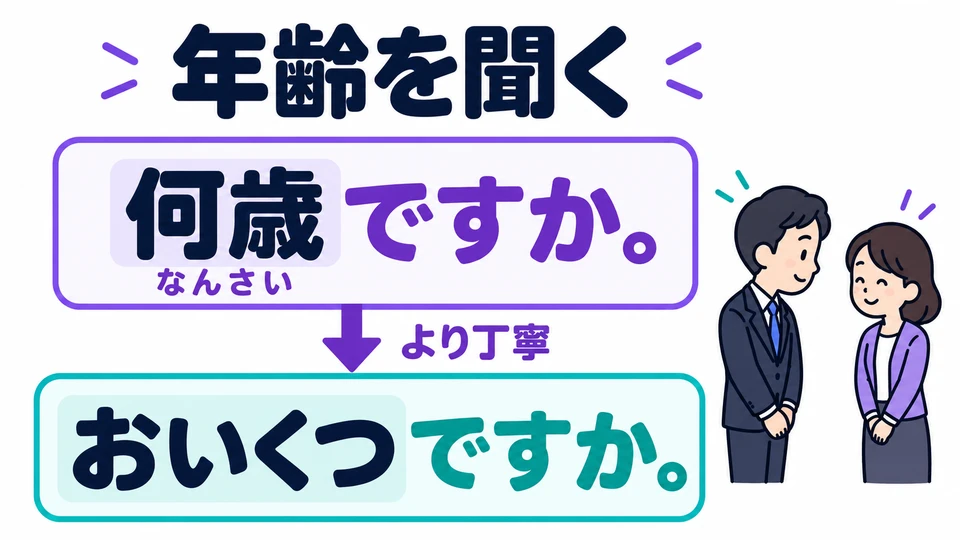
You can also ask someone’s age with 「おいくつですか」. This is more polite; the answer still gives their age.
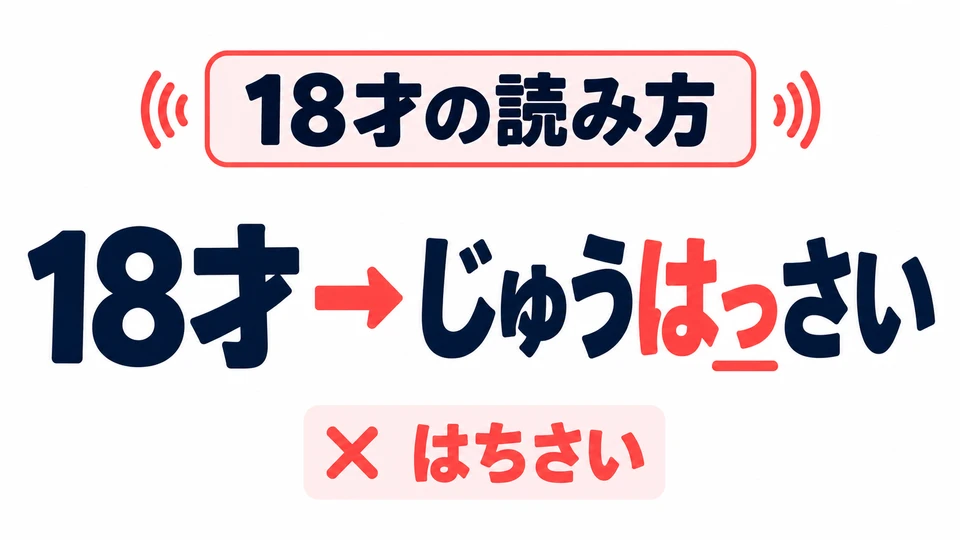
「18才」 is read 「じゅうはっさい」. Here, 八 becomes 「はっ」, so don’t say 「はちさい」.
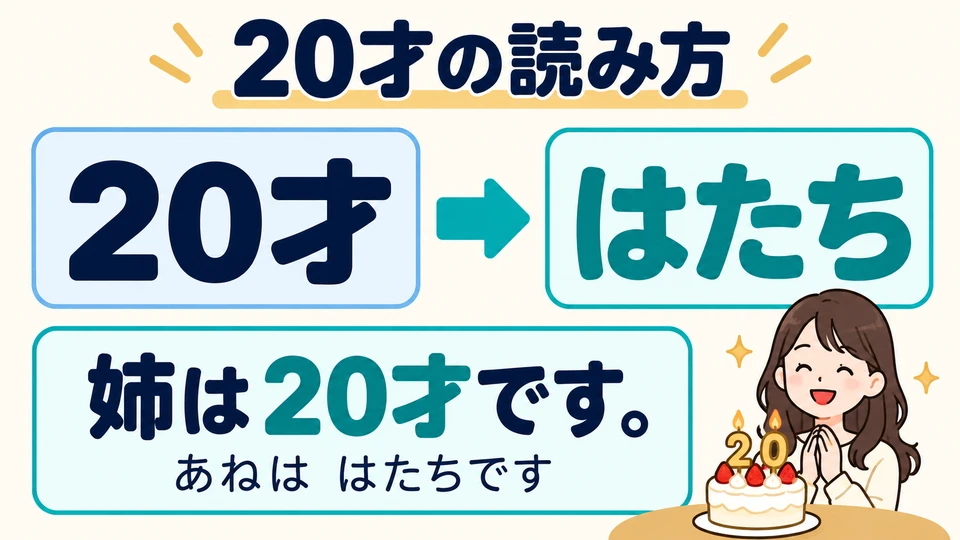
「20才」 has a special reading: 「はたち」. To say your older sister is 20, use 「姉は20才です」.
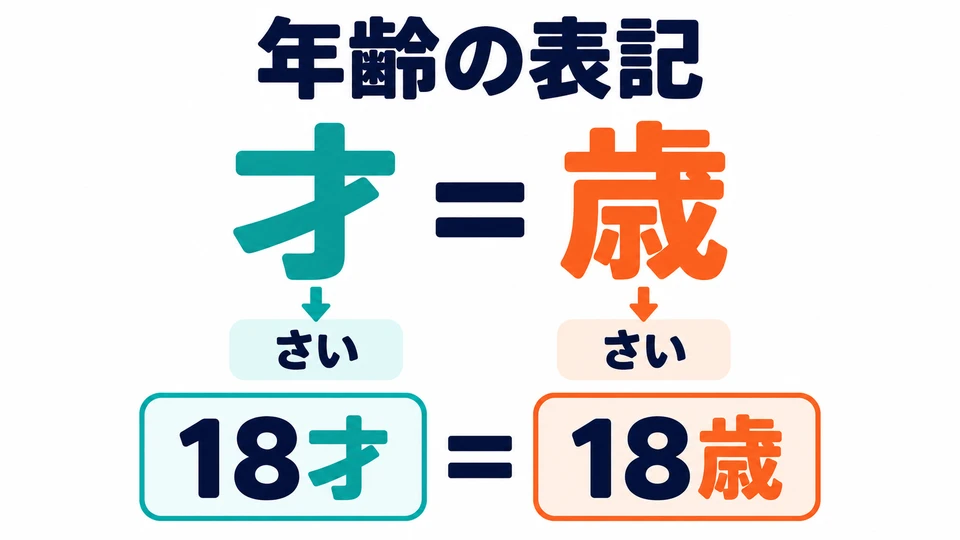
For ages, 「才」 and 「歳」 mean the same thing and are both read 「さい」. Learn to recognize both spellings in example sentences.
Example sentences
- 15才juugosaiです。desu
I'm 15 years old.
- お父さんotousanはwa何歳nansaiですdesuか。ka
In a conversation
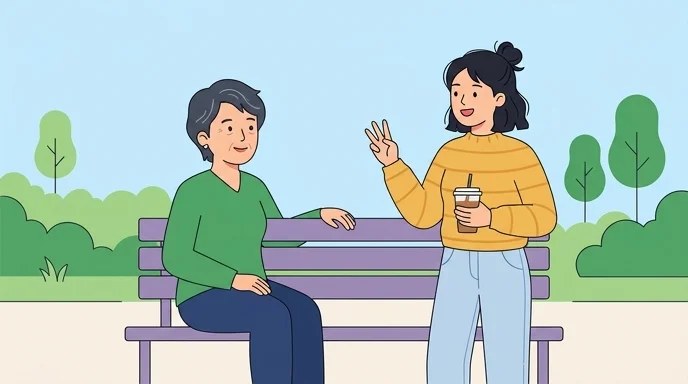
- 鈴木李さん、何歳ですか。
Suzuki: Li, how old are you?
- 李私は18才です。姉は20才です。
Check yourself
Level 1 · Recognise
Which sentence is correct?
Level 1 · Recognise
Listen and choose the meaning
Level 2 · Build
Put the words in order
My father is 40 years old.
Level 3 · Use
What goes in the blank?
うちのペットは猫です。3 。
Our pet is a cat. It is 3 years old.
More grammar in this theme
- 〜歳ですState someone’s age