JPEDLAB iconJPEDLAB
Save history

Create an account and play

Explore first, then save your progress whenever you are ready. No email address is required.

Start free
Read as articleCards
See the whole course›Beginner 1›Introduction to Japanese Writing

Japanese grammar · Beginner 1

ひらがな は行〜んhiragana ha-gyou~n

Hiragana sounds: ha row to n

Learn 「ひらがな は行〜ん」 and how 「を」 marks the object of an action.

Start the interactive lessonIllustrated cards, audio and speaking practice

How it works

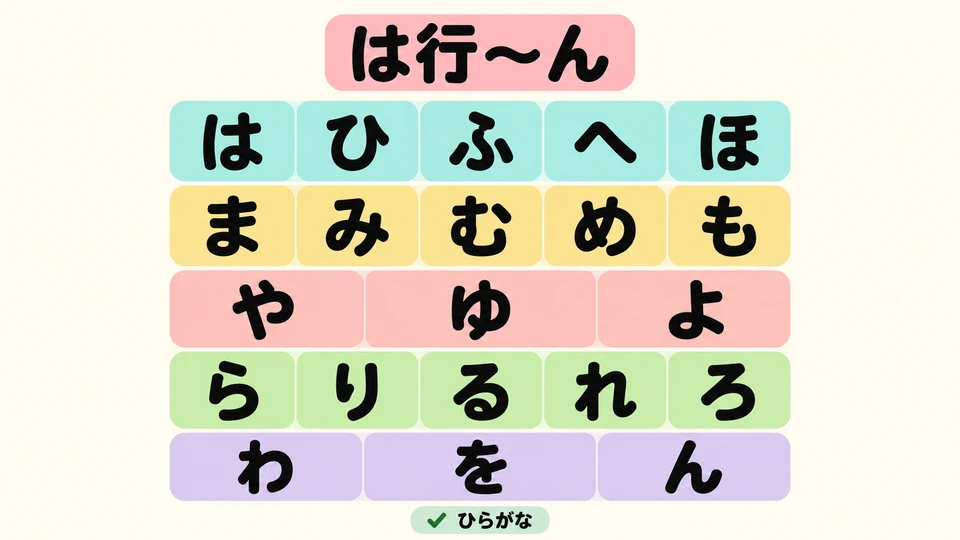
  1. This lesson covers the は row through ん. Together with the sounds you already learned, you can now read the basic hiragana.
    This lesson covers the は row through ん. Together with the sounds you already learned, you can now read the basic hiragana.

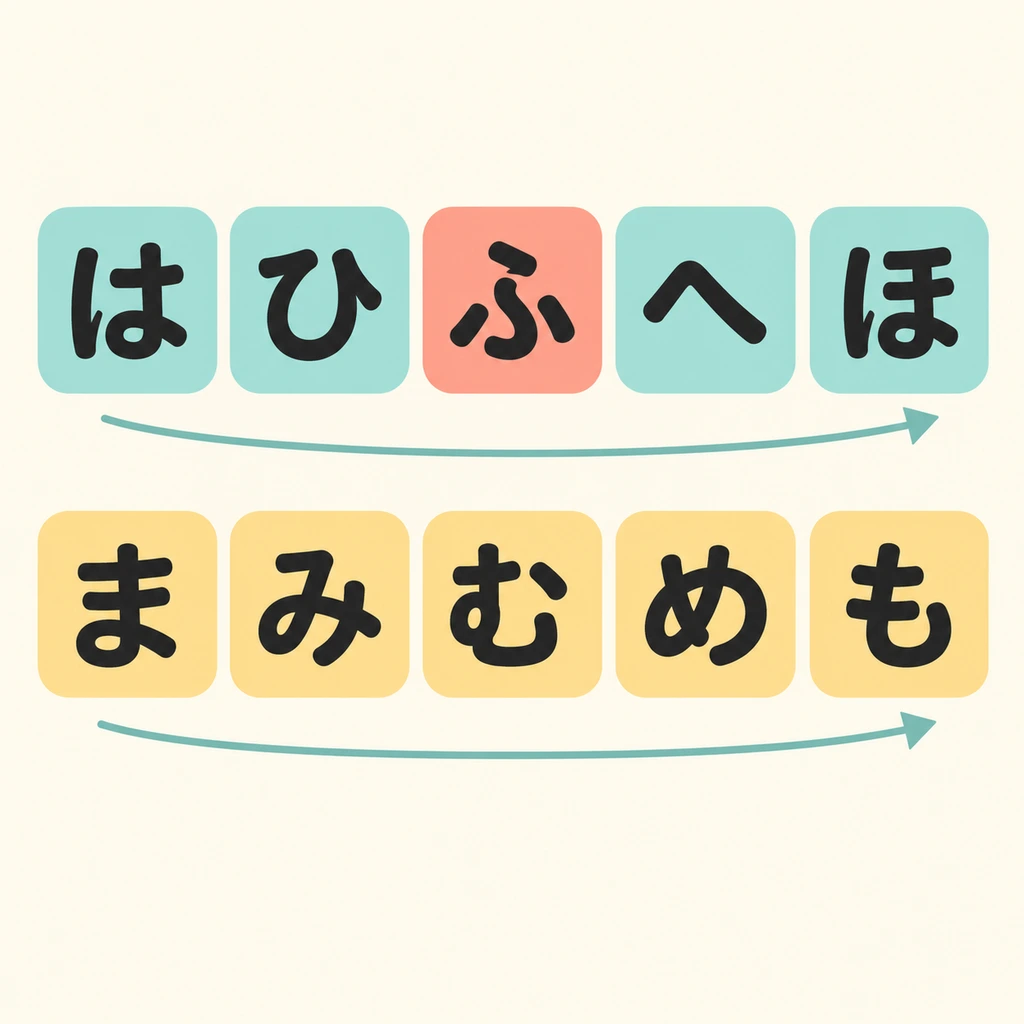
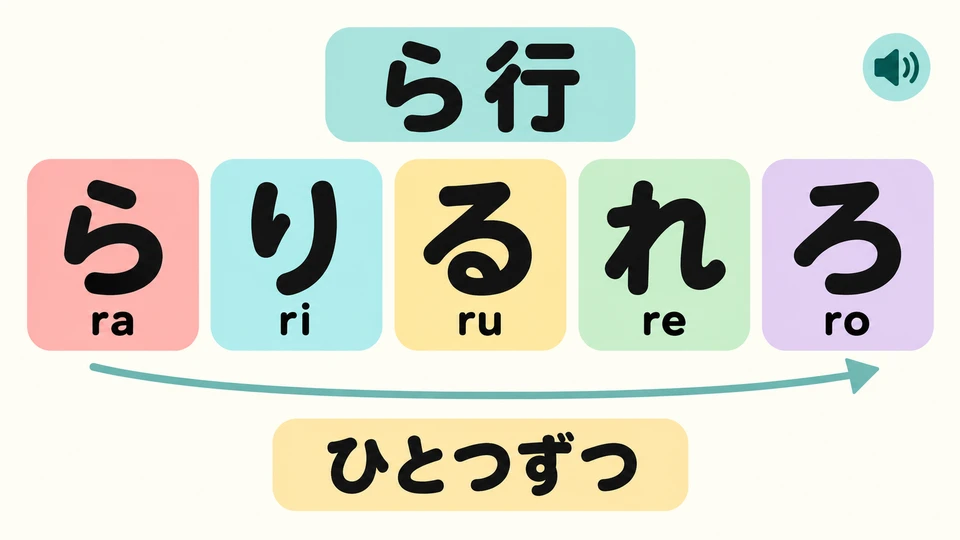
  2. Follow the audio and read both rows in the direction of the arrows. The は and ま rows each have five sounds. Read each character separately.
    Follow the audio and read both rows in the direction of the arrows. The は and ま rows each have five sounds. Read each character separately.

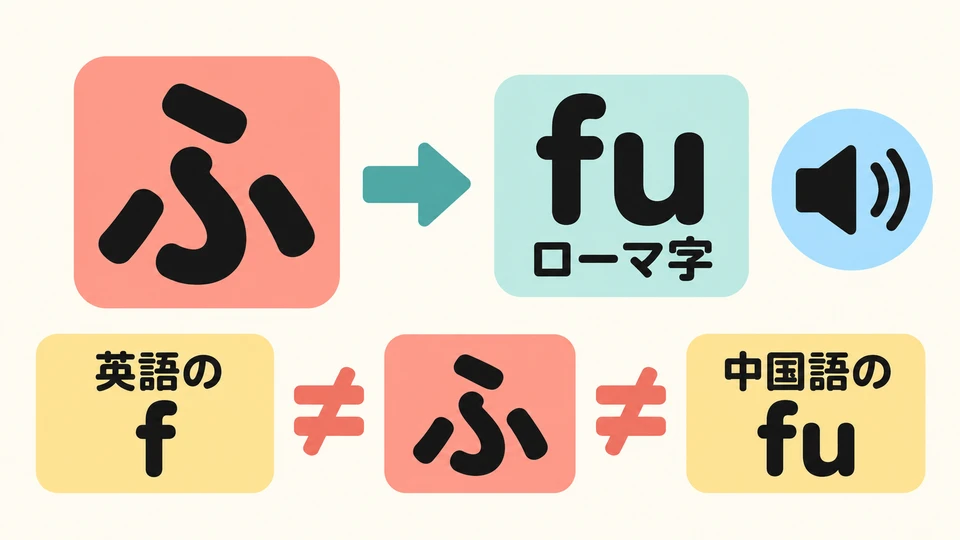
  3. ふ is written fu in romaji, but it sounds different from Chinese fu and from the English f sound.
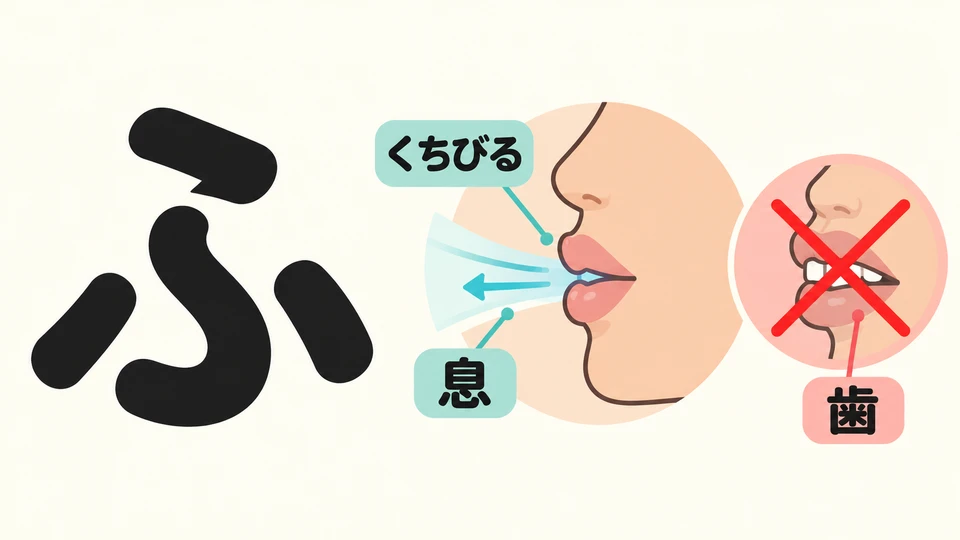
    ふ is written fu in romaji, but it sounds different from Chinese fu and from the English f sound.

  4. Try saying ふ: bring your lips gently close together and blow softly. Your upper teeth should not touch your lower lip.
    Try saying ふ: bring your lips gently close together and blow softly. Your upper teeth should not touch your lower lip.

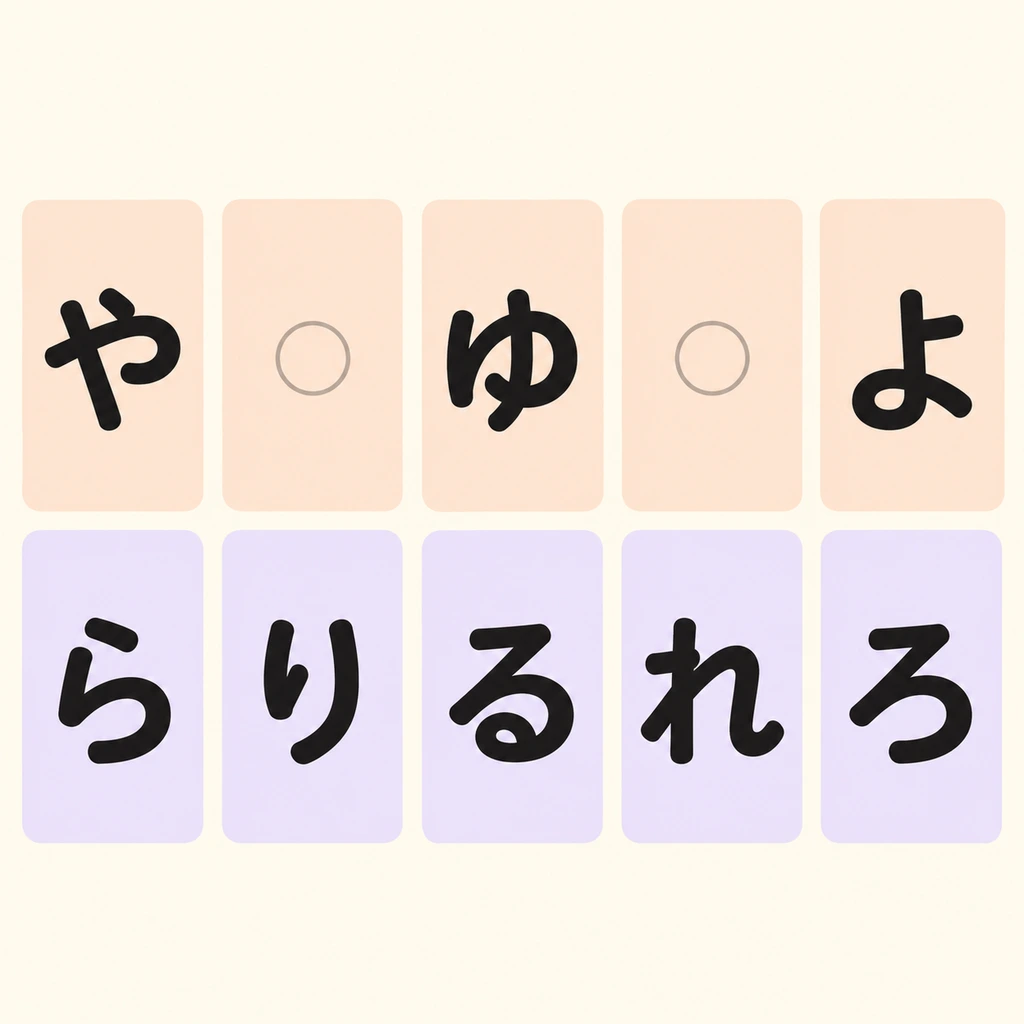
  5. Look at the top row: the や row has only や, ゆ, and よ. Read along with the audio. Do not add sounds in the empty spaces.
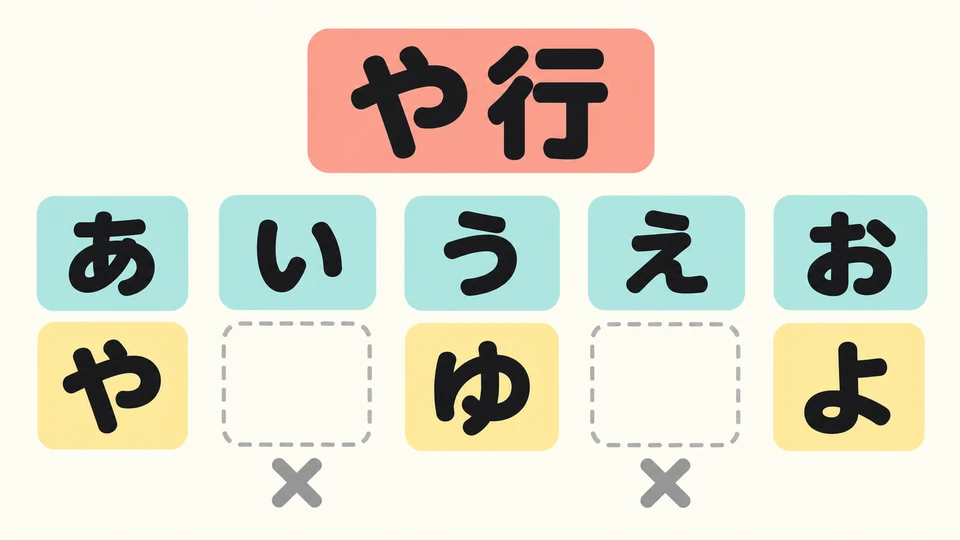
    Look at the top row: the や row has only や, ゆ, and よ. Read along with the audio. Do not add sounds in the empty spaces.

  6. Why are there gaps in the や row? Modern Japanese has no basic hiragana for yi or ye.
    Why are there gaps in the や row? Modern Japanese has no basic hiragana for yi or ye.

  7. Listen to the ら row again: ら, り, る, れ, ろ. Read all five characters clearly, one at a time.
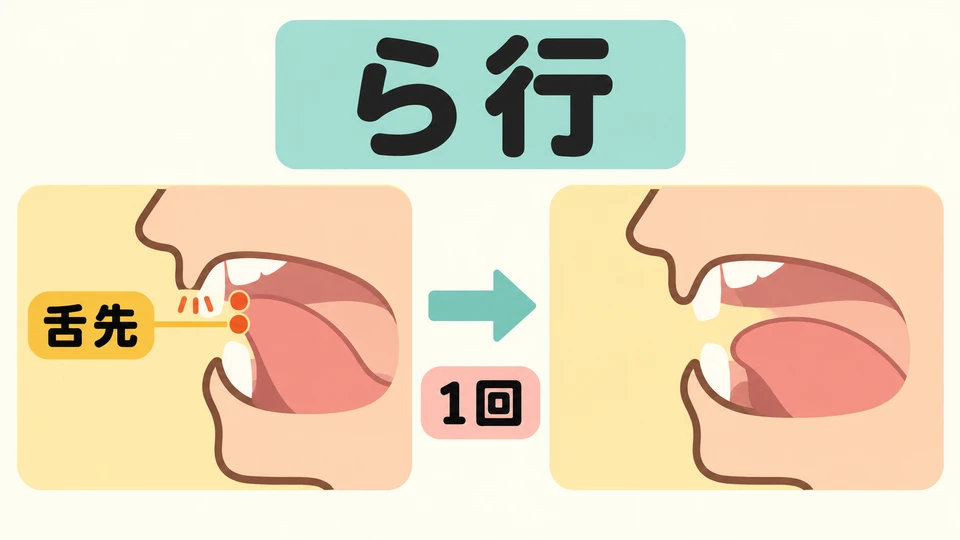
    Listen to the ら row again: ら, り, る, れ, ろ. Read all five characters clearly, one at a time.

  8. For the ら row, lightly tap the tip of your tongue just behind your upper teeth, then release it immediately. Do not curl your tongue back.
    For the ら row, lightly tap the tip of your tongue just behind your upper teeth, then release it immediately. Do not curl your tongue back.

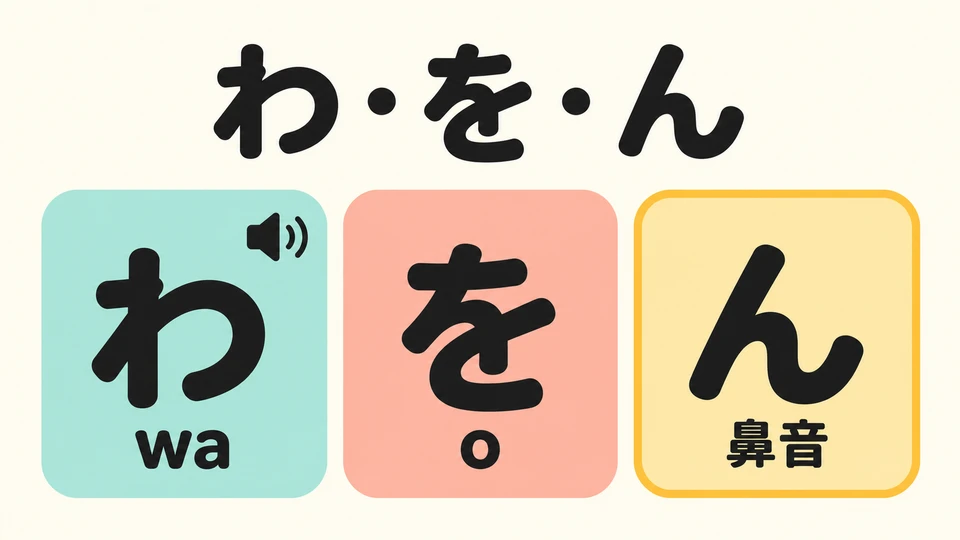
  9. First listen to わ, pronounced wa. The last group is arranged as わ, を, ん, but ん is a separate nasal sound.
    First listen to わ, pronounced wa. The last group is arranged as わ, を, ん, but ん is a separate nasal sound.

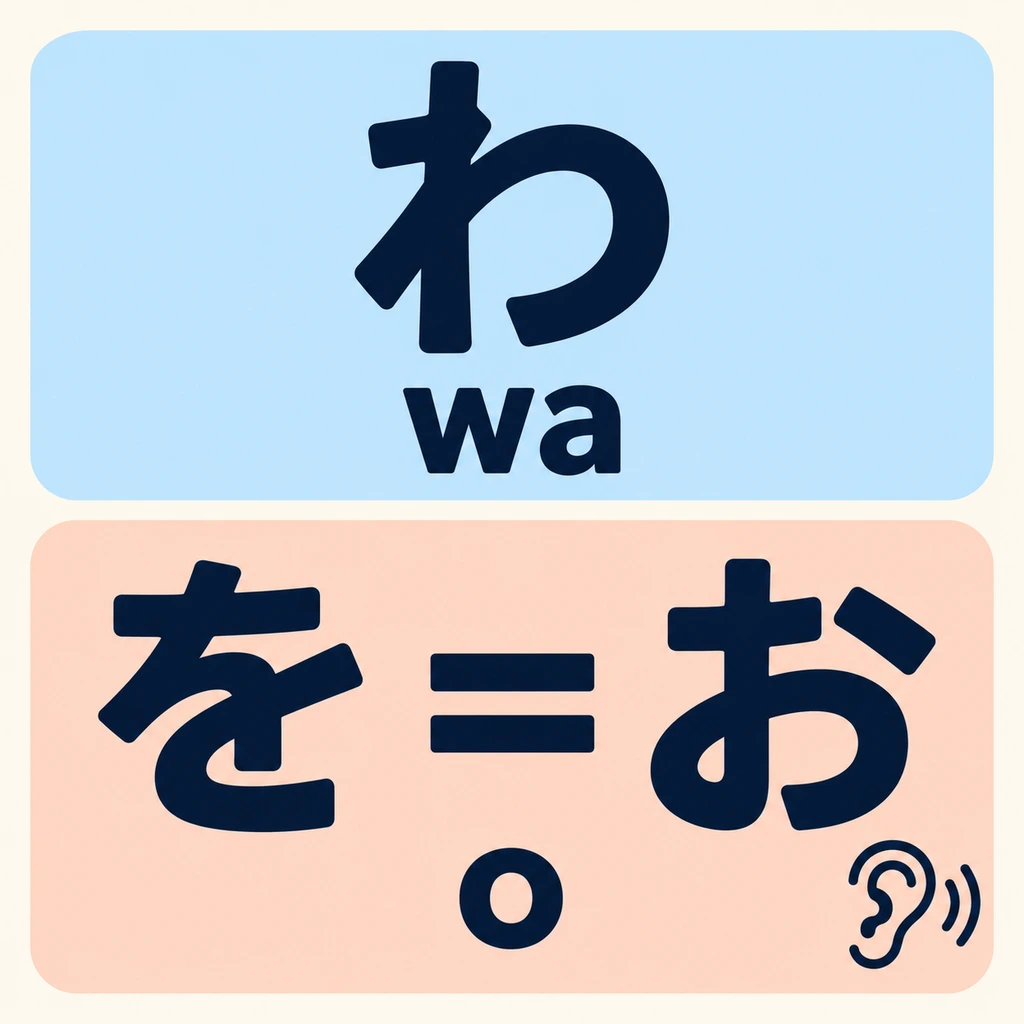
  10. Notice を: it looks different from お, but both are usually pronounced o. Even when the romaji says wo, do not pronounce it wo.
    Notice を: it looks different from お, but both are usually pronounced o. Even when the romaji says wo, do not pronounce it wo.

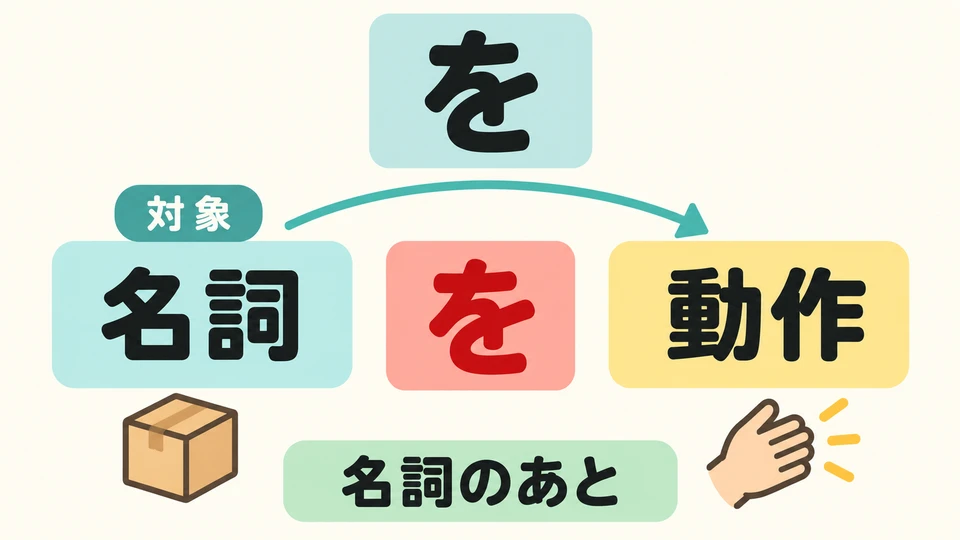
  11. を often appears after a noun in a sentence to mark the object of an action. For now, get familiar with this role.
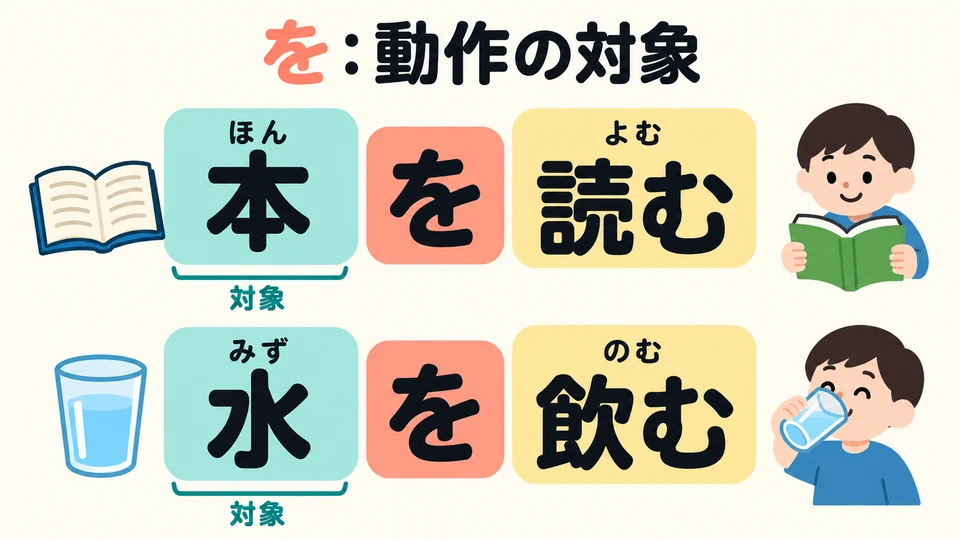
    を often appears after a noun in a sentence to mark the object of an action. For now, get familiar with this role.

  12. In the examples, を after 本 marks the book as what is read. を after 水 marks the water as what is drunk.
    In the examples, を after 本 marks the book as what is read. を after 水 marks the water as what is drunk.

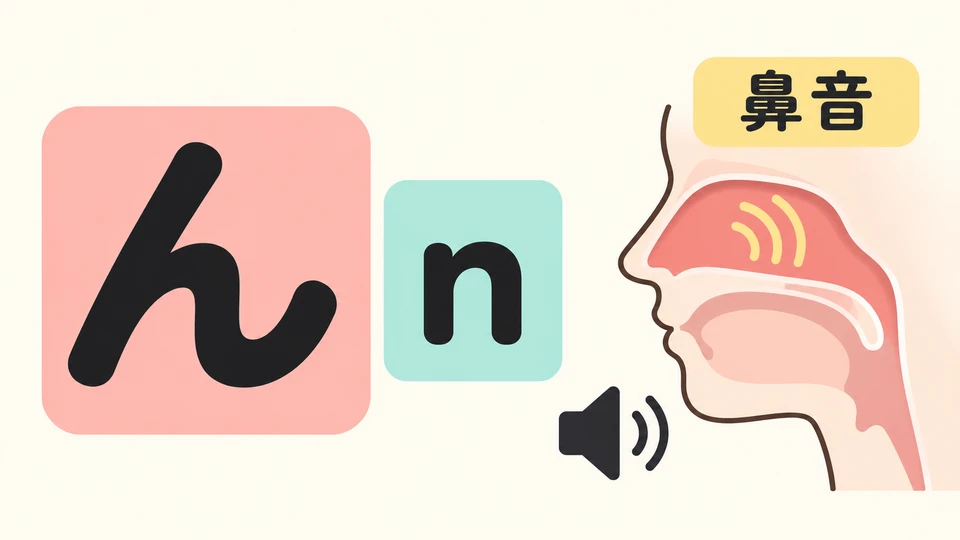
  13. ん is a nasal sound similar to n. Listen to ん in the audio and feel how the sound resonates in your nose.
    ん is a nasal sound similar to n. Listen to ん in the audio and feel how the sound resonates in your nose.

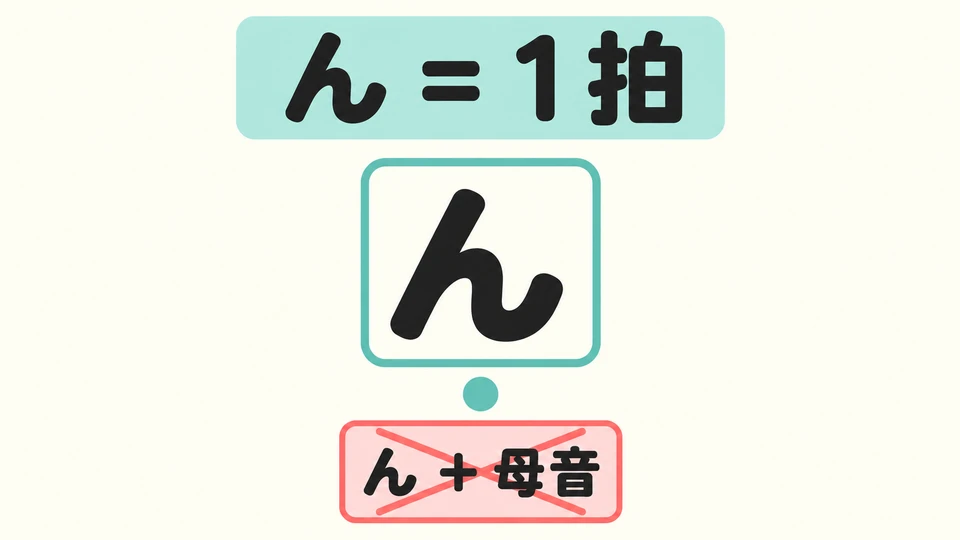
  14. Although ん has no vowel like the other characters, it still takes one beat. Do not add an extra vowel when saying it.
    Although ん has no vowel like the other characters, it still takes one beat. Do not add an extra vowel when saying it.

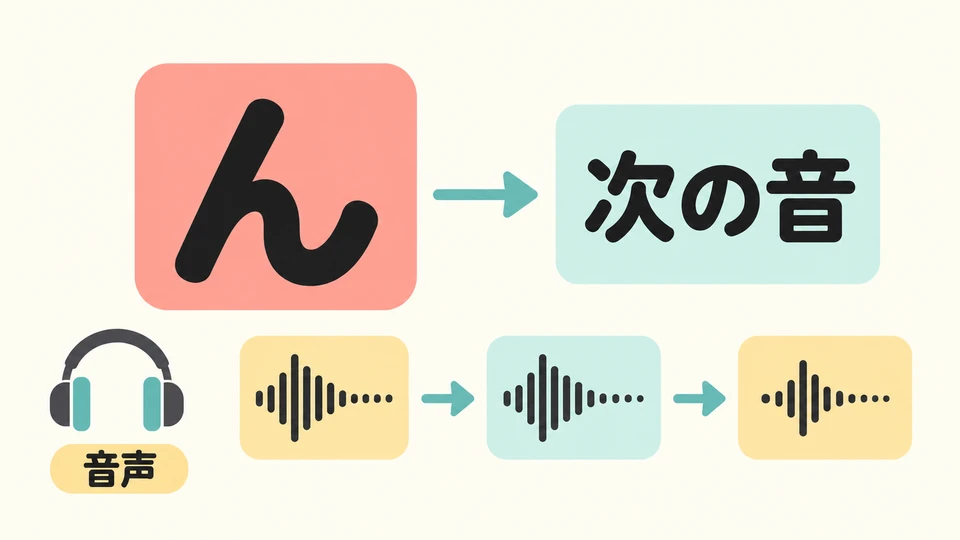
  15. The sound after ん can make it sound slightly different. Start by imitating the audio; it does not have to be a fixed n sound.
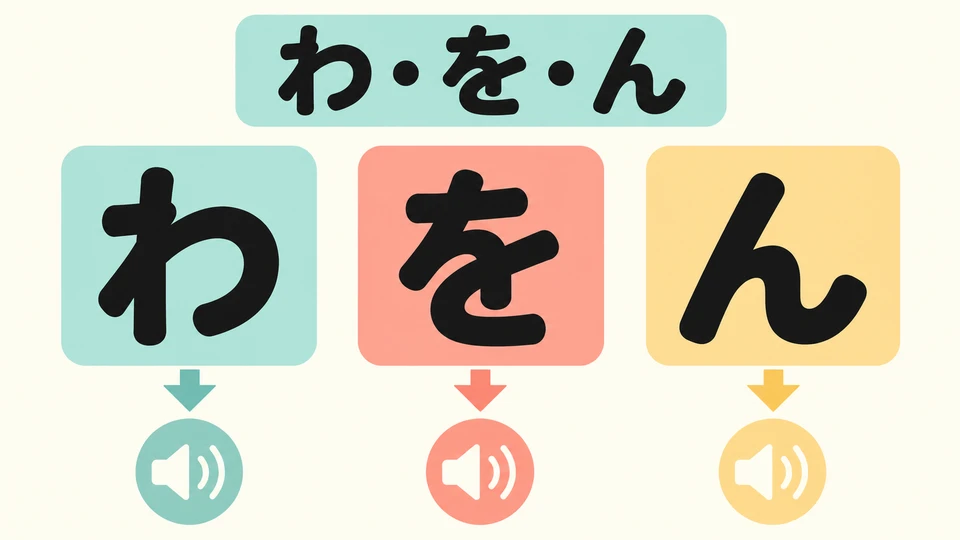
    The sound after ん can make it sound slightly different. Start by imitating the audio; it does not have to be a fixed n sound.

  16. Finally, repeat わ, を, ん: wa, o, and a nasal sound. Match each of the three written characters to its sound.

    Finally, repeat わ, を, ん: wa, o, and a nasal sound. Match each of the three written characters to its sound.

Example sentences

  • はひふへほhahifuheho

    はひふへほ

  • まみむめもmamimumemo

    まみむめも

  • やゆよyayuyo

    やゆよ

  • らりるれろrarirurero

More grammar in this theme

  • ひらがな は行〜んHiragana sounds: ha row to n

Keep practising

Test your Japanese vocabulary12 adaptive questions, freeCheck your pronunciationRead aloud and get a scorePractise verb forms10-question conjugation quizSee the whole courseGrammar, vocabulary and quizzes by theme

らりるれろ

  • わをんwaon

    わをん

  • 本を読むほんをよむhon o yomu

    read a book

  • 水を飲むみずをのむmizu o nomu

    drink water

  • ひらがな あ行〜な行Hiragana sounds: a to na rows
    カタカナ ア行〜ワ行Katakana sounds and loanwords
    濁音・半濁音Voiced and p-sound kana
    長音・促音Long vowels and consonant pauses
    拗音(きゃ・きゅ・きょ)Blended sounds with small ゃゅょ
    教室で使う表現Useful classroom expressions
    Previousひらがな あ行〜な行
    Nextカタカナ ア行〜ワ行