
Japanese grammar · ≈ JLPT N5 · Beginner 1
〜たいです/〜たくないです~tai desu / ~takunai desu
want or not want to do
Use 「〜たいです/〜たくないです」 to express your own wish or reluctance to do an action.
How it works
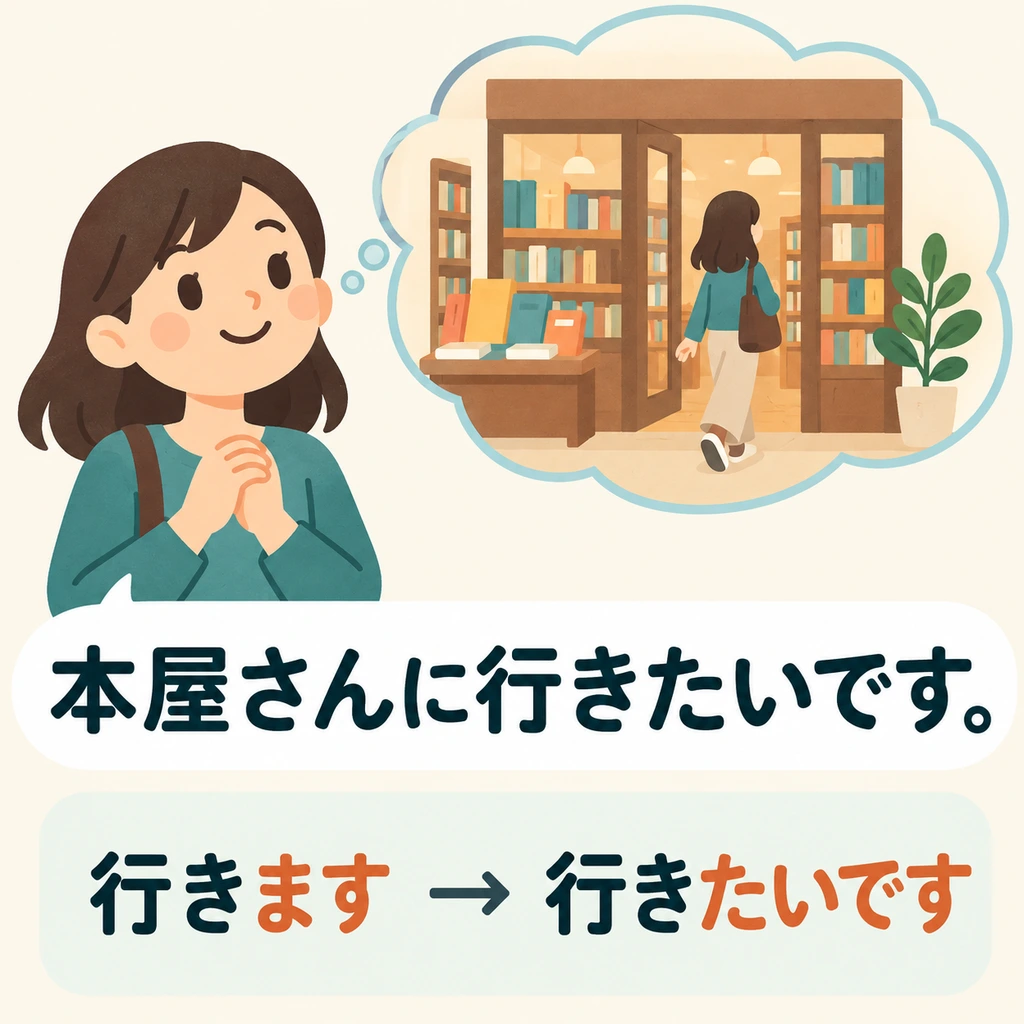
What does she want to do? 「たいです」 expresses your own wish to do something.
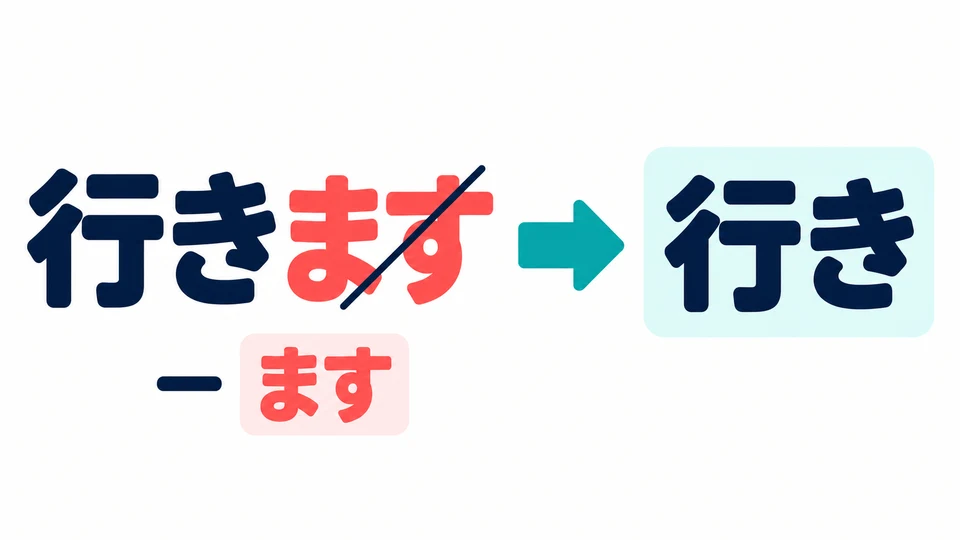
First, remove 「ます」 from the verb’s 「ます形」: 行きます→行き.
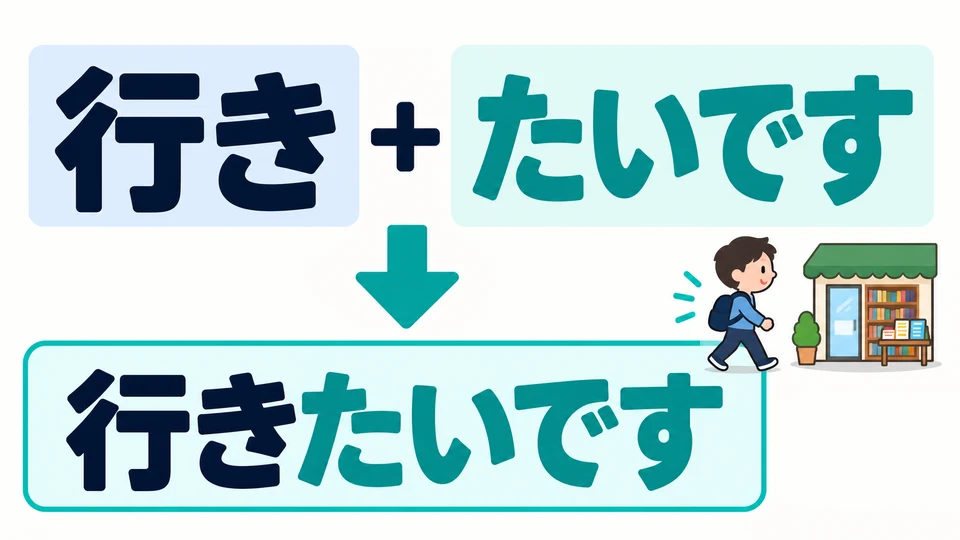
Then add 「たいです」: 行き→行きたいです. Don’t keep 「ます」.
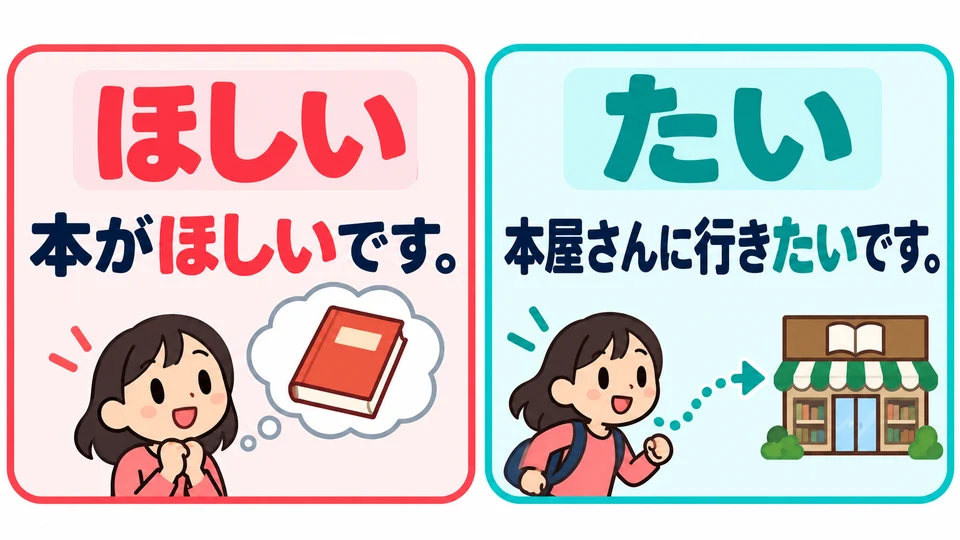
「ほしい」 describes things you want; 「たい」 describes actions you want to do, like going to a bookstore.
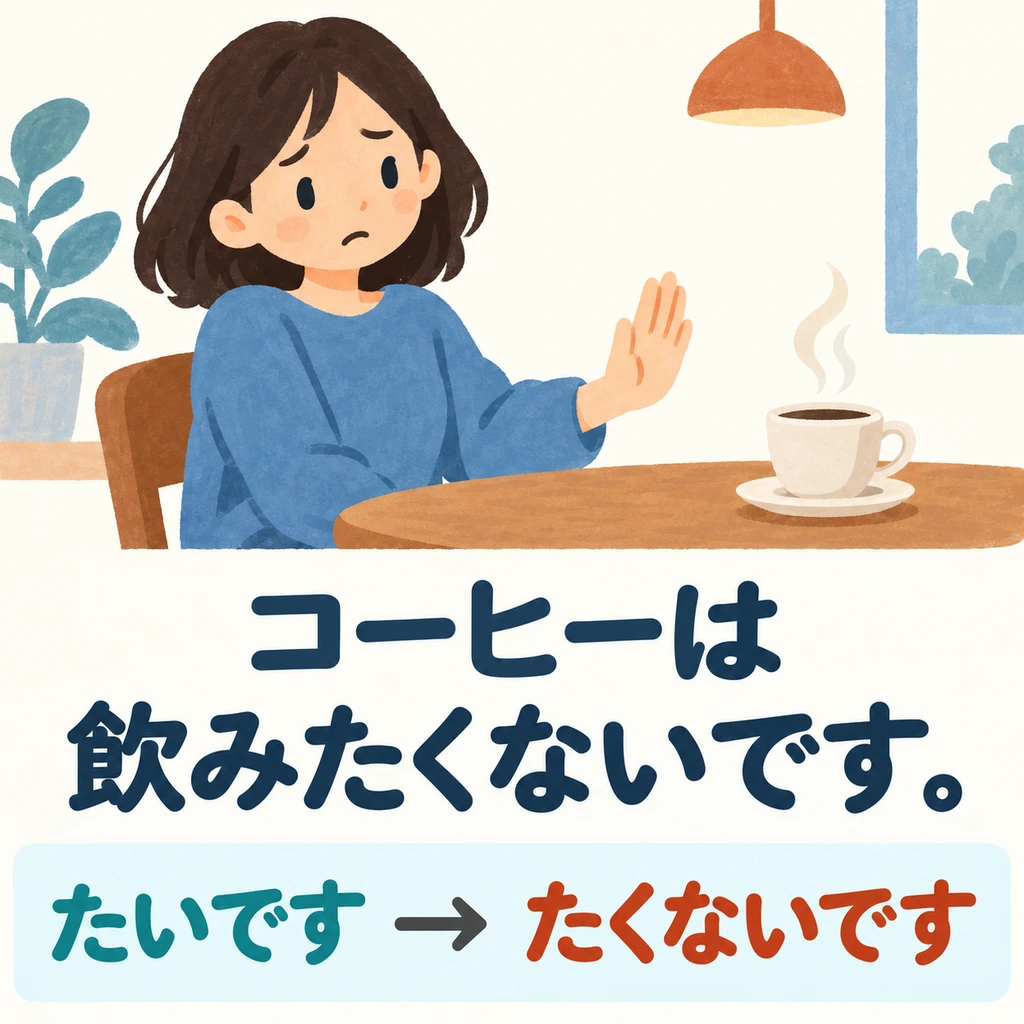
She doesn’t want to drink coffee right now. Use 「たくないです」 to say you don’t want to do something.
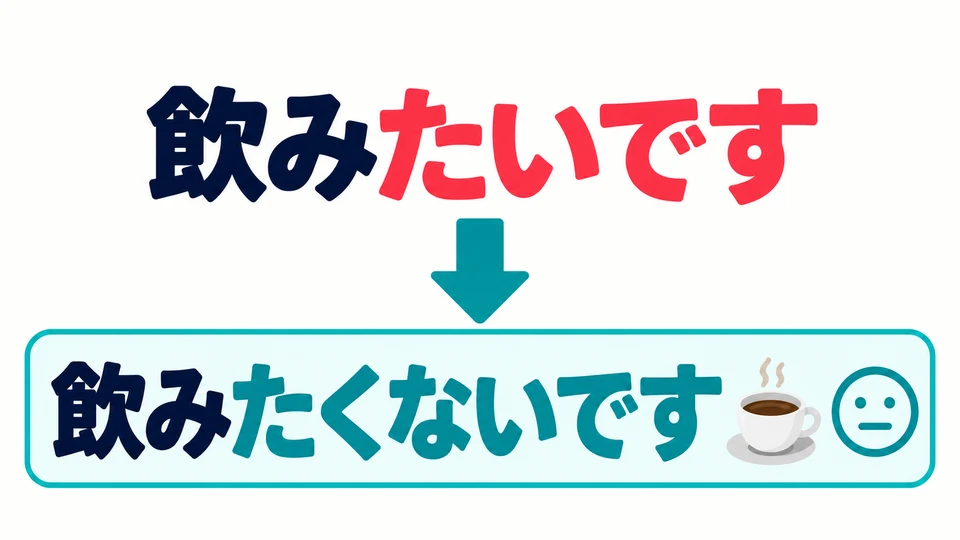
For the negative, replace 「たいです」 with 「たくないです」: 飲みたくないです.
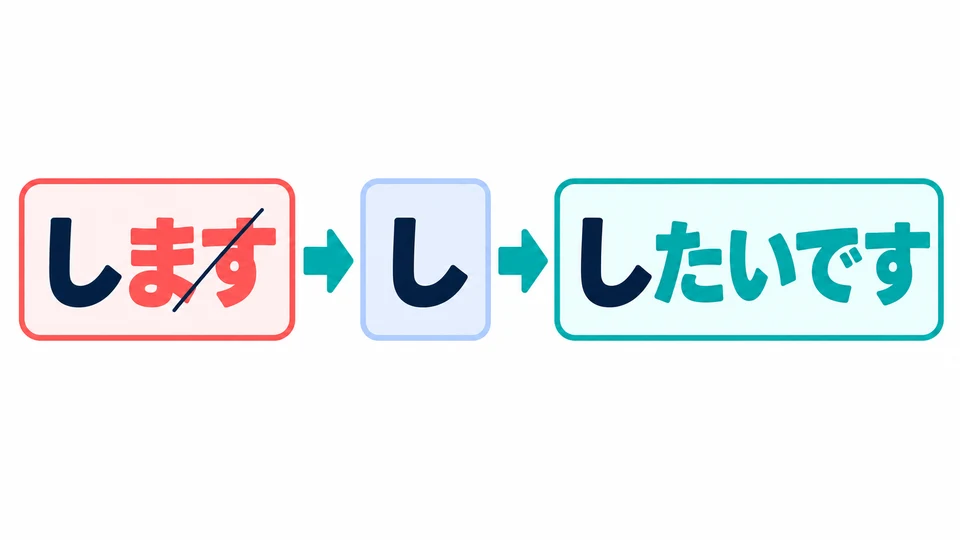
With 「します」, remove 「ます」 first too: します→し→したいです.
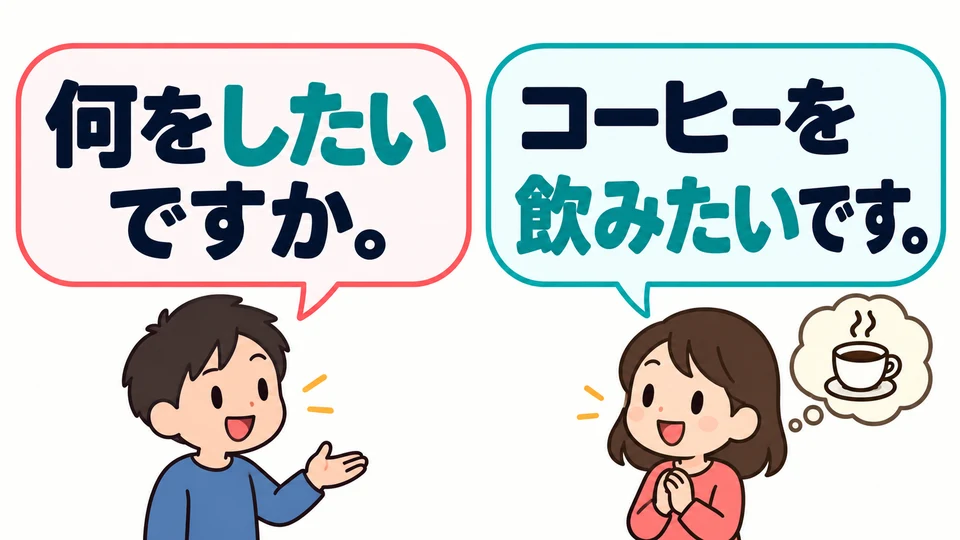
To ask what someone wants to do, use 「何をしたいですか」. Reply by saying what you want to do.
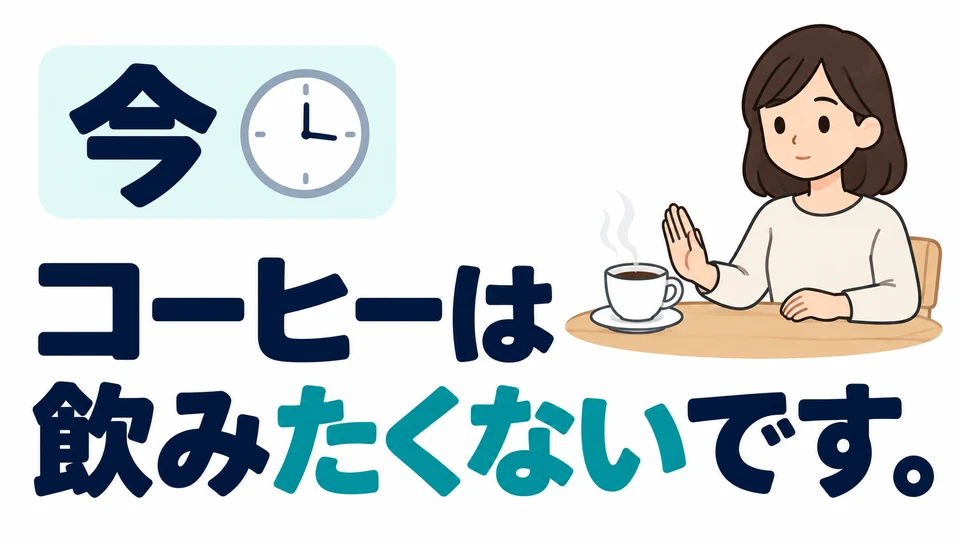
The example says the speaker doesn’t want coffee right now. It doesn’t mean they can’t drink it or never drink it.
Example sentences
- 本屋さんhonyasanにni行きたいです。ikitaidesu
I want to go to a bookstore.
- コーヒーkoohiiはwa飲みたくnomitakuないです。naidesu
In a conversation
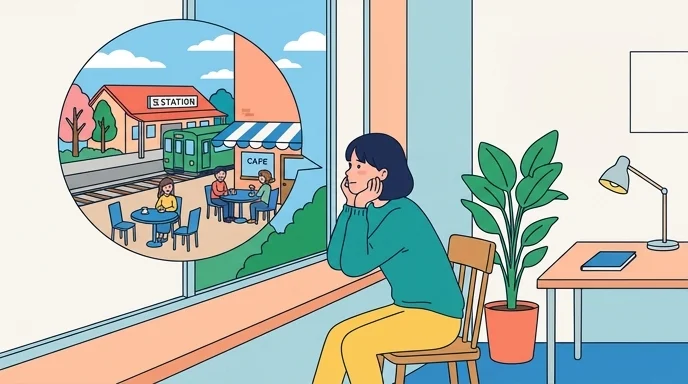
- A休みの日に何をしたいですか。
A: What do you want to do on your day off?
- Bカフェでコーヒーを飲みたいです。
Check yourself
Level 1 · Recognise
Which sentence is correct?
Level 1 · Recognise
Listen and choose the meaning
Level 2 · Build
Put the words in order
I want to drink coffee at a cafe.
Level 3 · Use
What goes in the blank?
図書館で です。
I want to study at the library.
More grammar in this theme
- 〜たいです/〜たくないですwant or not want to do