JPEDLAB iconJPEDLAB
Save history

Create an account and play

Explore first, then save your progress whenever you are ready. No email address is required.

Start free
Read as articleCards
See the whole course›Beginner 2›Recommendations

Japanese grammar · ≈ JLPT N4 · Beginner 2

〜た〜を/へ~ta ~o/e

noun modifier + particle

Put a plain-form verb before a noun to identify it, then mark the whole phrase with を or へ.

Start the interactive lessonIllustrated cards, audio and speaking practiceTake the quiz
Pattern
〜た〜を/へ
Romaji
~ta ~o/e
JLPT (approx.)
≈ N4
Course level
Beginner 2
Theme
Recommendations

How it works

  1. Which dish? Put “made in the morning” before the noun to show which dish you mean.
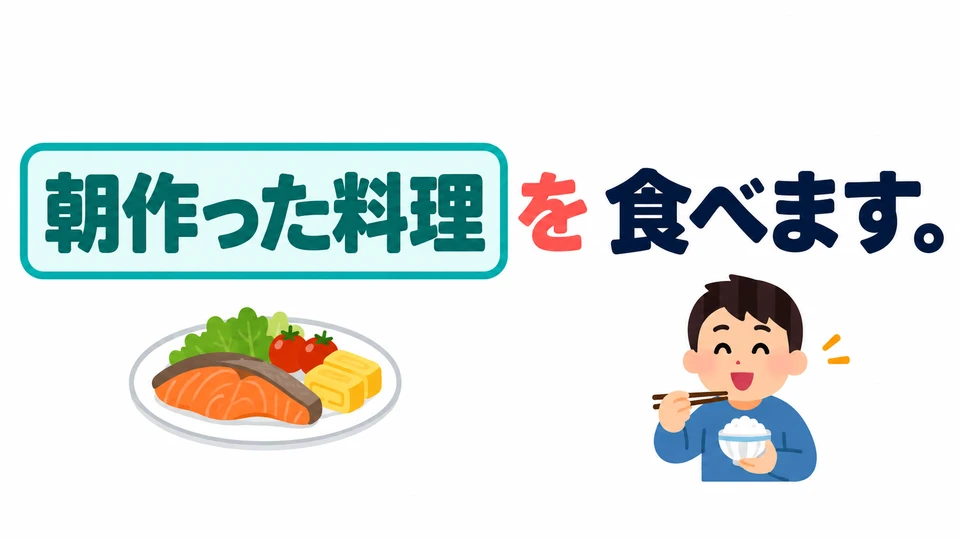
    Which dish? Put “made in the morning” before the noun to show which dish you mean.

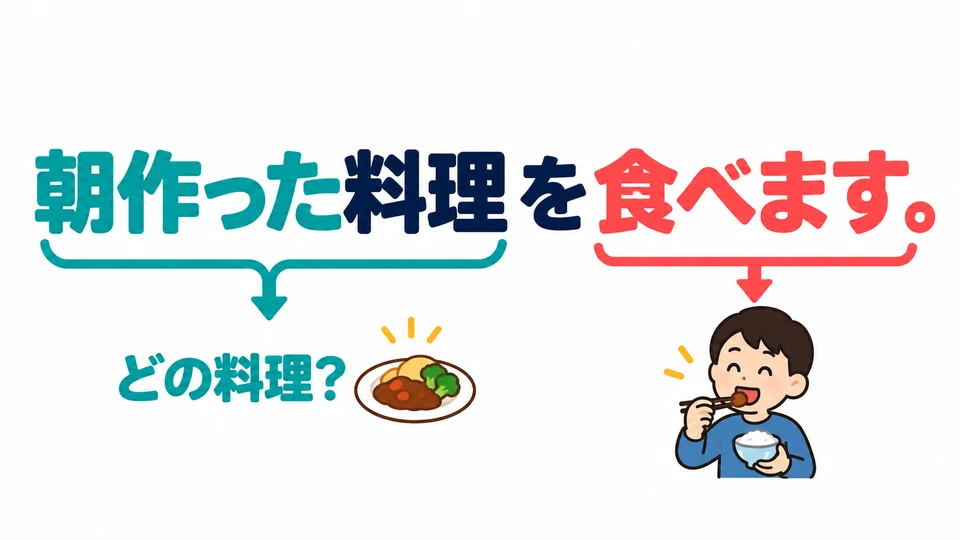
  2. 「朝作った料理」 is one whole noun phrase. Add を after it to mark what is eaten.
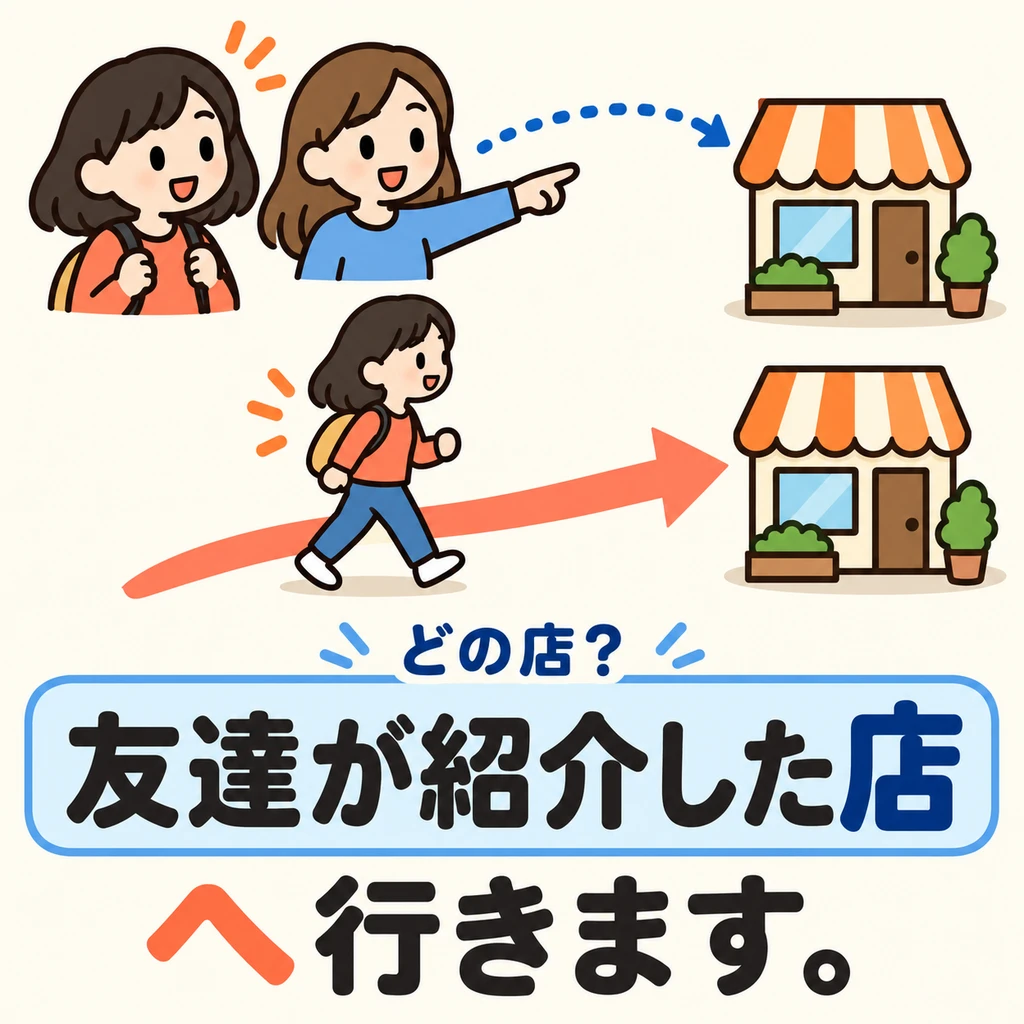
    「朝作った料理」 is one whole noun phrase. Add を after it to mark what is eaten.

  3. Which shop are you going to? First specify “the shop a friend recommended,” then add へ after the whole phrase to mark the destination.
    Which shop are you going to? First specify “the shop a friend recommended,” then add へ after the whole phrase to mark the destination.

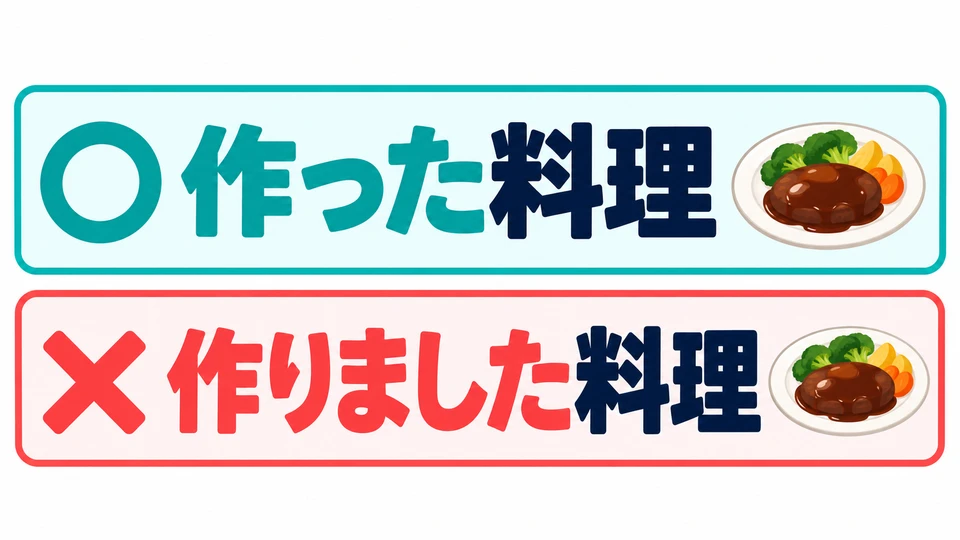
  4. A verb modifying a noun uses the plain form: 作った料理, not 作りました料理.
    A verb modifying a noun uses the plain form: 作った料理, not 作りました料理.

  5. The words before the noun specify “which one.” At the end, 食べます politely expresses the action of eating.
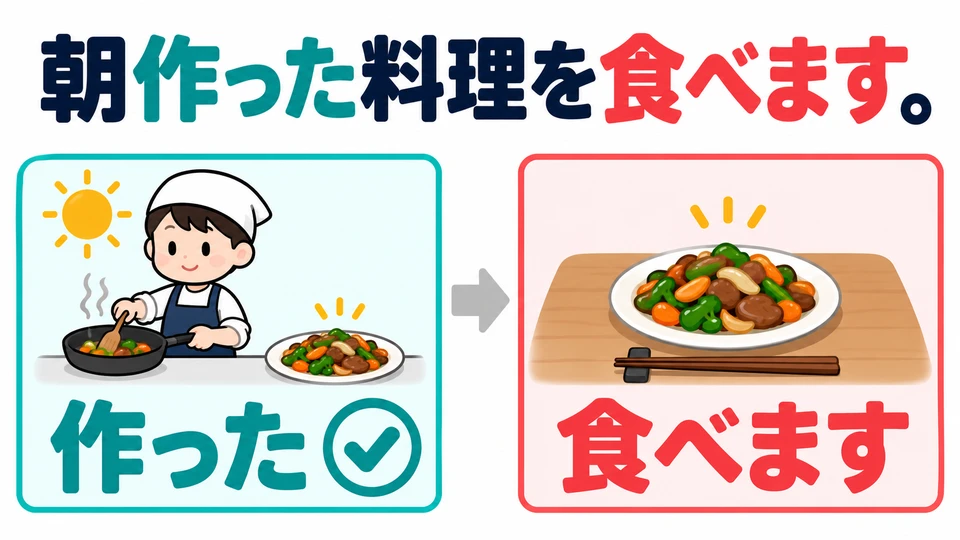
    The words before the noun specify “which one.” At the end, 食べます politely expresses the action of eating.

  6. 「作った」 says the food has already been made. The sentence ends in 食べます; it does not say it has already been eaten.
    「作った」 says the food has already been made. The sentence ends in 食べます; it does not say it has already been eaten.

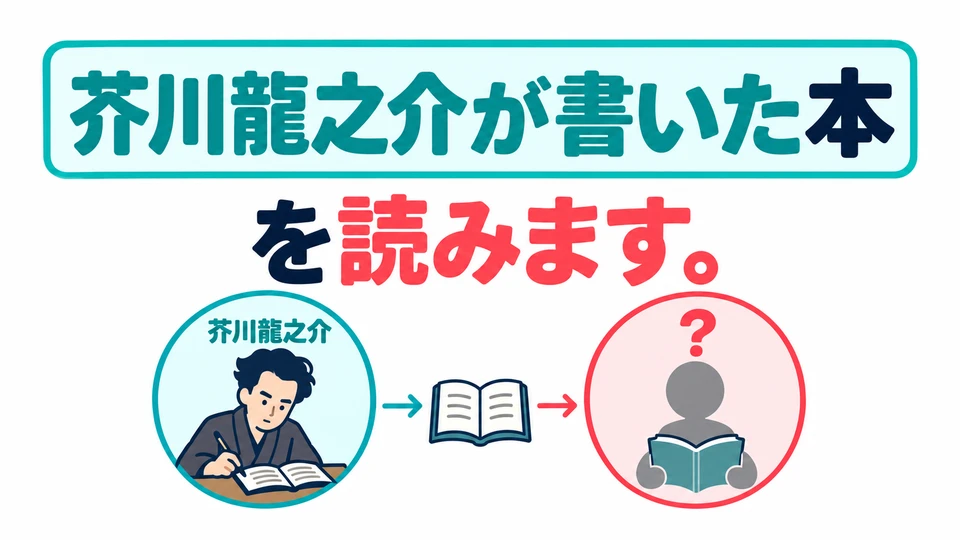
  7. In the book example, the person before が is the writer. The reader is left unstated, so keep the two roles separate.

    In the book example, the person before が is the writer. The reader is left unstated, so keep the two roles separate.

Example sentences

  • 朝あさasa作ったつくったtsukutta料理りょうりryouriをo食べます。たべますtabemasu

    I eat the food I made in the morning.

  • 芥川あくたがわakutagawa龍之介りゅうのすけryuunosukeがga書いた

In a conversation

  • A
    どちらのサイトさいとを見ますみますか。か

    A: Which site do you look at?

  • B
    友達ともだちが紹介しょうかいしたサイトさいとを見ます。みます

Check yourself

  1. Which sentence is correct?

    1. 朝作った料理を食べます。
    2. 朝作ったの料理を食べます。
    3. 朝作ったります料理を食べます。
    4. 朝作りた料理を食べます。
    Show answer

    Answer: A 朝作った料理を食べます。

  2. Which sentence is correct?

    1. 芥川龍之介が書いた本を読みます。
    2. 芥川龍之介が書いたの読みます。
    3. 芥川龍之介に書いた本を読みます。
    4. 芥川龍之介は書くの本を読みます。
    Show answer

    Answer: A 芥川龍之介が書いた本を読みます。

  3. Which sentence is correct?

    1. 昨日集めた情報を使います。
    2. 昨日集めたの情報を使います。
    3. 昨日集めった情報を使います。
    4. 昨日集めるな情報を使います。
    Show answer

    Answer: A 昨日集めた情報を使います。

More grammar in this theme

  • 〜た〜を/へnoun modifier + particle

Keep practising

Test your Japanese vocabulary12 adaptive questions, freeCheck your pronunciationRead aloud and get a scorePractise verb forms10-question conjugation quizSee the whole courseGrammar, vocabulary and quizzes by theme
かいた
kaita
本ほんhon
をo
読みます。よみますyomimasu

I read the book written by Ryunosuke Akutagawa.

B: I look at the site a friend introduced.

  • A
    そのサイトさいとはわ詳しいですくわしいですか。か

    A: Is that site detailed?

  • B
    ええ、ええとても詳しいですくわしいですよ。よ

    B: Yes, it's very detailed.

  • Take the quiz
    〜たことがありますpast experience
    知っていますかasking if someone knows
    〜という〜named or called something
    〜は〜ですdescribing a noun
    〜ていますwearing state
    〜た〜はnoun modifier as topic
    Previous〜ています
    Next〜た〜は