JPEDLAB iconJPEDLAB
Save history

Create an account and play

Explore first, then save your progress whenever you are ready. No email address is required.

Start free
Read as articleCards
See the whole course›Beginner 3›TV and Magazines

Japanese grammar · ≈ JLPT N4 · Beginner 3

〜ています~te imasu

resulting state still holds

「〜ています」 describes a state that remains after a change, such as a window being open.

Start the interactive lessonIllustrated cards, audio and speaking practiceTake the quiz
Pattern
〜ています
Romaji
~te imasu
JLPT (approx.)
≈ N4
Course level
Beginner 3
Theme
TV and Magazines

How it works

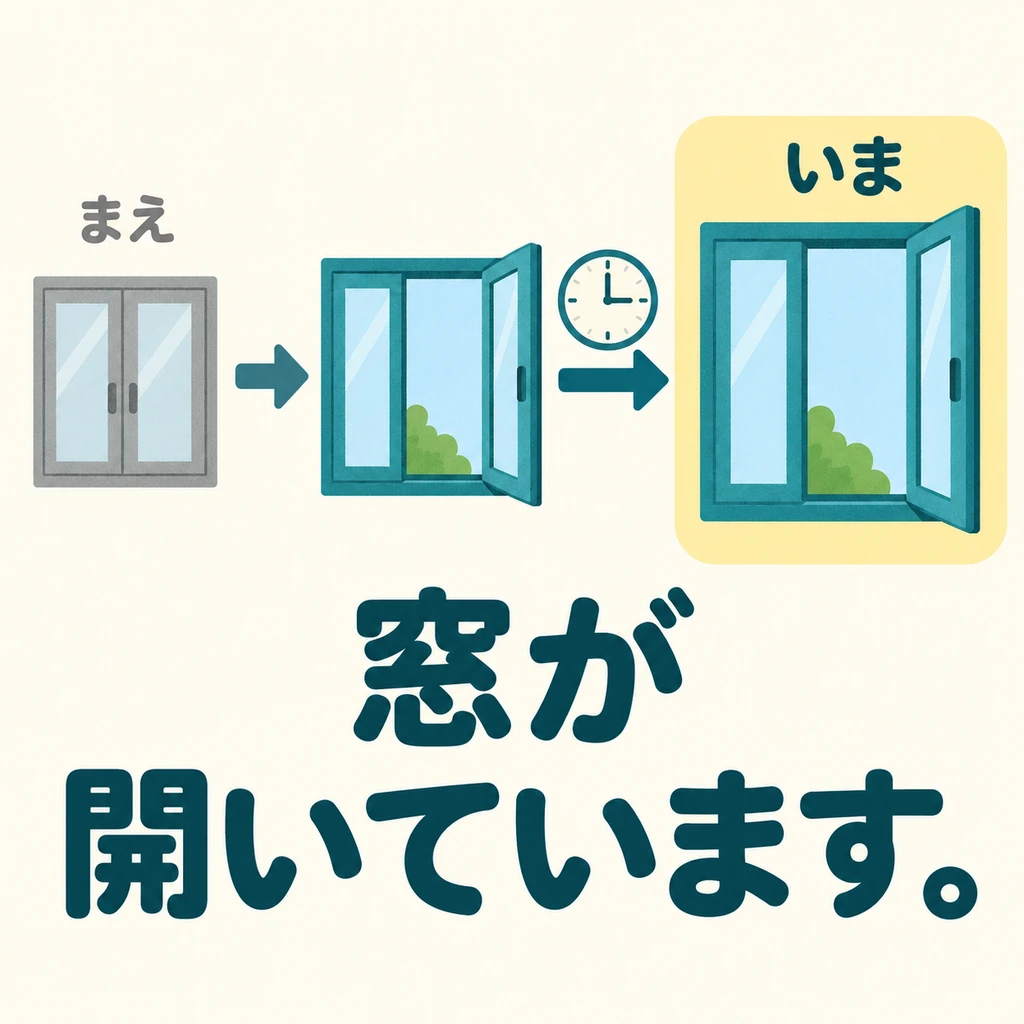
  1. Follow the time arrows: the window opened and is still open now. The focus is on the state left by the change.
    Follow the time arrows: the window opened and is still open now. The focus is on the state left by the change.

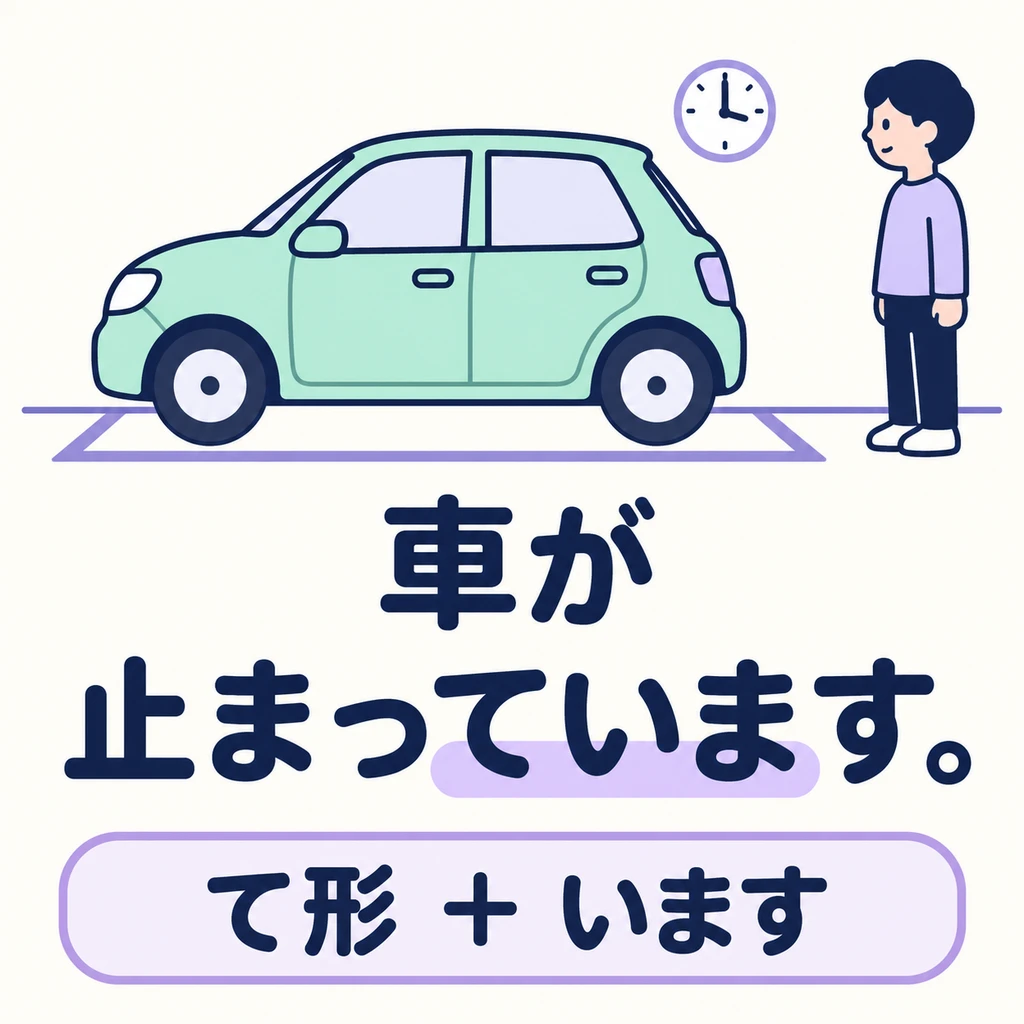
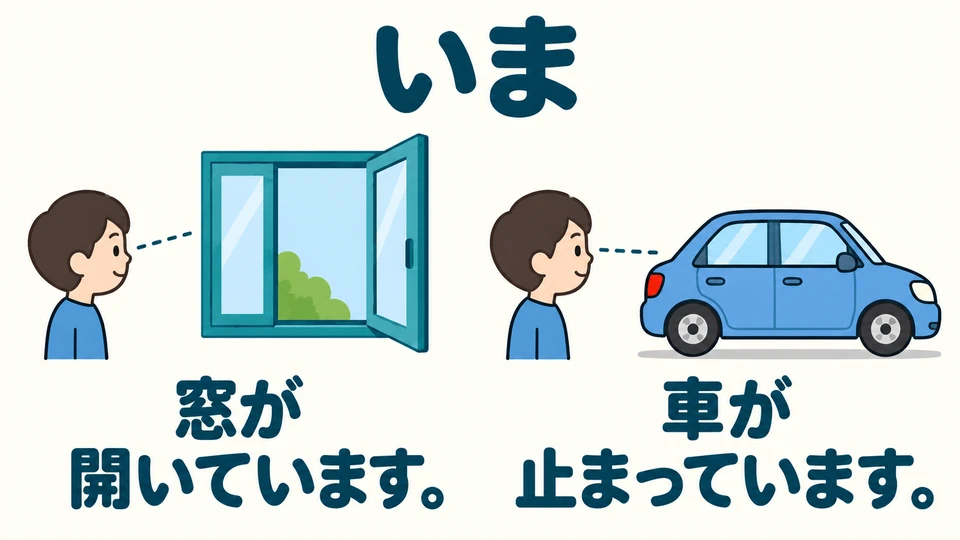
  2. The car has stopped and is still there now. Use 「止まっています」 to describe the state you see.
    The car has stopped and is still there now. Use 「止まっています」 to describe the state you see.

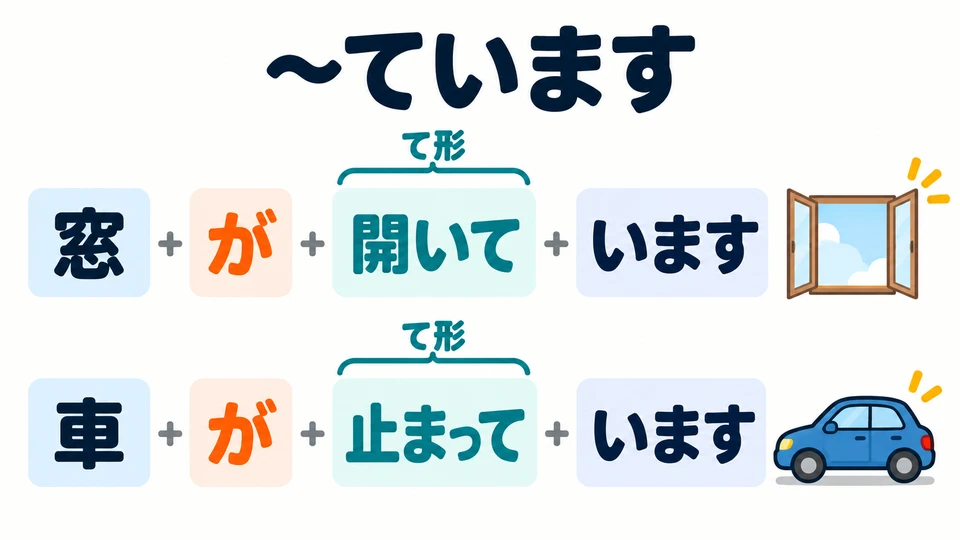
  3. To express this resulting state, add 「います」 to the verb’s て form. Put 「が」 after the thing whose state you describe.
    To express this resulting state, add 「います」 to the verb’s て form. Put 「が」 after the thing whose state you describe.

  4. You can say this just by observing the window or car as it is now. You don’t need to know who caused the change.
    You can say this just by observing the window or car as it is now. You don’t need to know who caused the change.

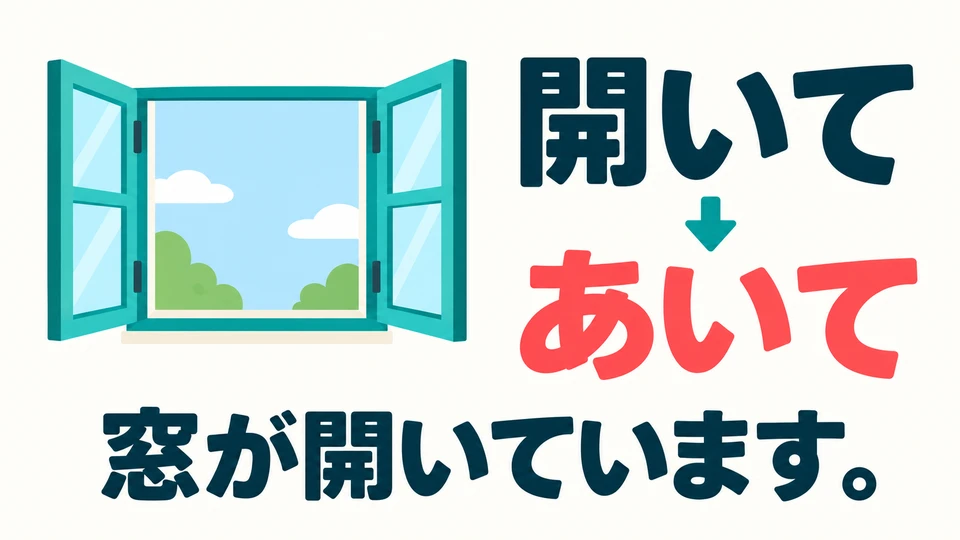
  5. In the example, 「開いて」 is usually read 「あいて」. Keep this reading in mind when saying that a window is open.
    In the example, 「開いて」 is usually read 「あいて」. Keep this reading in mind when saying that a window is open.

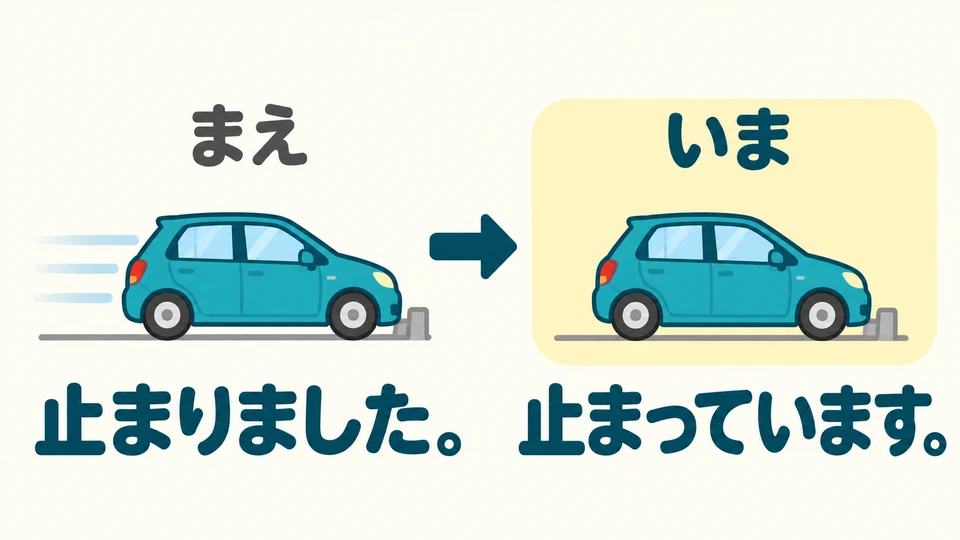
  6. 「止まりました」 says the car stopped; 「止まっています」 emphasizes that it is still stopped now.

    「止まりました」 says the car stopped; 「止まっています」 emphasizes that it is still stopped now.

Example sentences

  • 窓まどmadoがga開いあいaiてteいますimasu

    The window is open

  • 車くるまkurumaがga止まっとまっtomatてteいます

In a conversation

  • A
    あれ、あれ窓まどが開いあいていますね。ね

    A: Oh, the window is open.

  • B
    そうですね。ね閉めましょうしめましょうか。か

    B: Yes, it is. Shall I close it?

Check yourself

  1. Which sentence is correct?

    1. ドアが開いています。
    2. ドアが開きって。
    3. ドアが開きいて。
    4. ドアが開きますしています。
    Show answer

    Answer: A ドアが開いています。

  2. Which sentence is correct?

    1. 電気がついています。
    2. 電気がついてにます。
    3. 電気がつきっています。
    4. 電気がつきますしています。
    Show answer

    Answer: A 電気がついています。

  3. Which sentence is correct?

    1. ゴミ箱が壊れています。
    2. ゴミ箱が壊れてあります。
    3. ゴミ箱が壊れっています。
    4. ゴミ箱が壊れますしています。
    Show answer

    Answer: A ゴミ箱が壊れています。

More grammar in this theme

  • 〜ていますresulting state still holds

Keep practising

Test your Japanese vocabulary12 adaptive questions, freeCheck your pronunciationRead aloud and get a scorePractise verb forms10-question conjugation quizSee the whole courseGrammar, vocabulary and quizzes by theme
imasu

The car is stopped

A
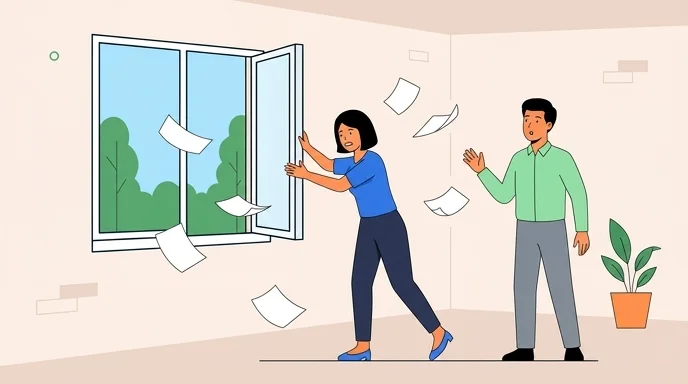
お願いおねがいします。します風かぜが強いですつよいですから。から

A: Please. The wind is strong.

Take the quiz
〜そうですhearsay; I hear that
〜て/〜でcause and result
〜たらif; imagined condition
〜と思いますI think; give an opinion
〜ても/〜でもeven if; still
て形link actions; form requests
Previousて形