JPEDLAB iconJPEDLAB
Save history

Create an account and play

Explore first, then save your progress whenever you are ready. No email address is required.

Start free
Read as articleCards
See the whole course›Beginner 3›Unexpected Events

Japanese grammar · ≈ JLPT N4 · Beginner 3

〜たら、〜た~tara, ~ta

discovery after an action

Use past 〜たら with a past result to describe what you discovered after doing something.

Start the interactive lessonIllustrated cards, audio and speaking practice

How it works

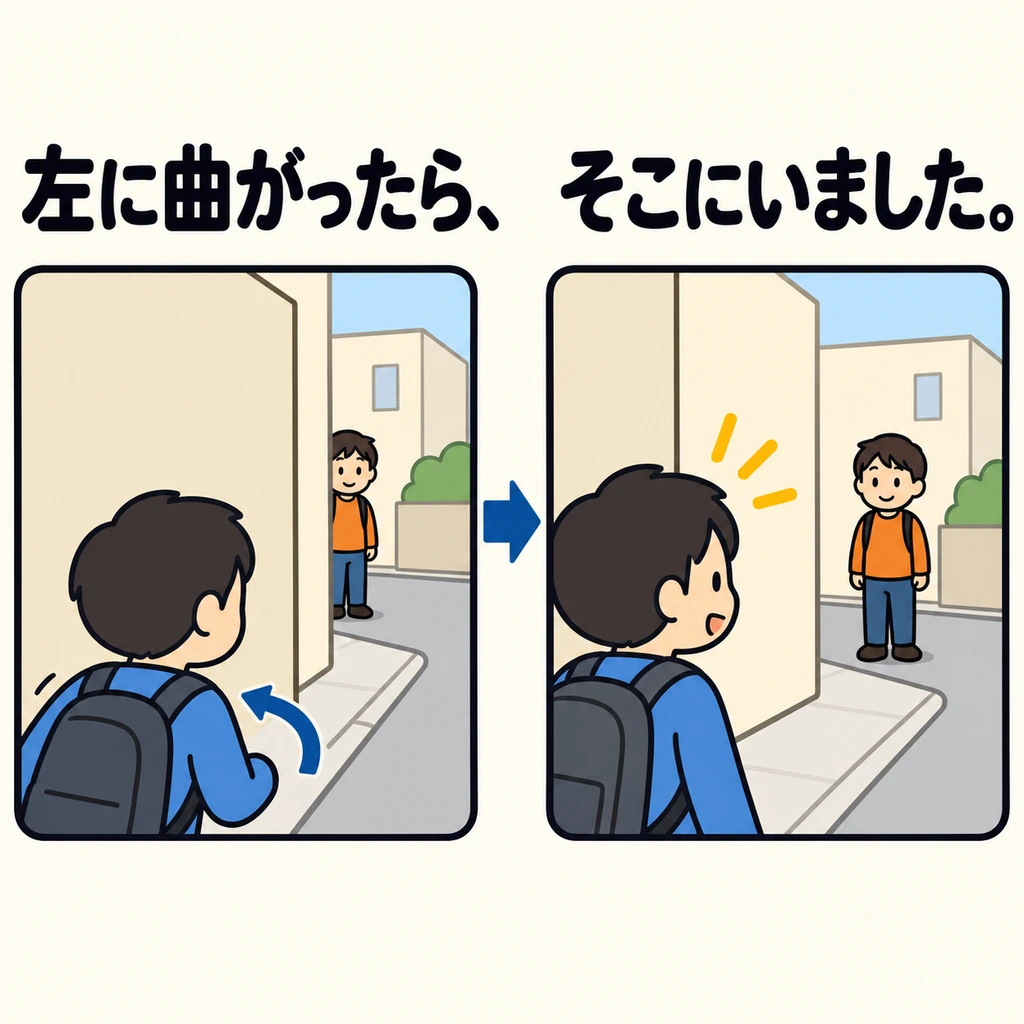
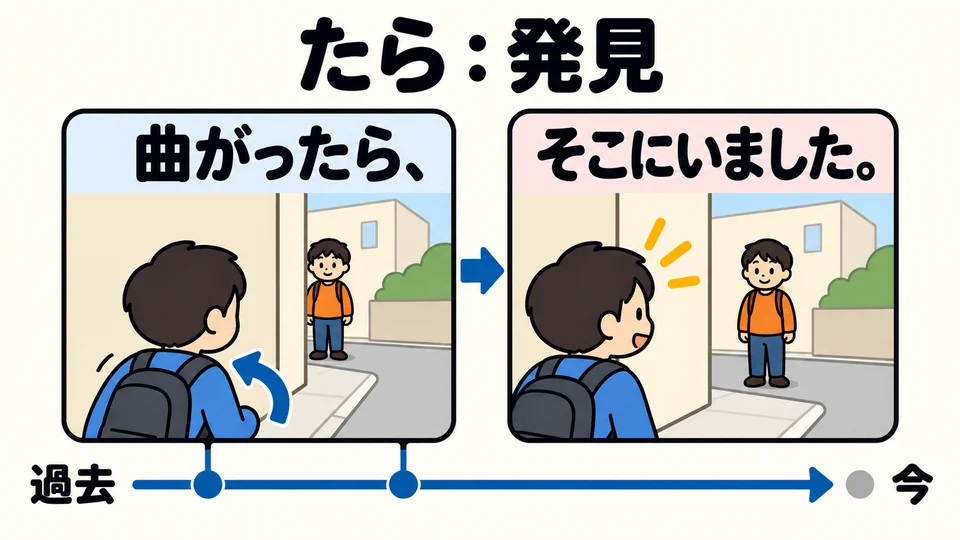
  1. You see your friend only after turning left. Look at the picture: did you know your friend was there before you turned?
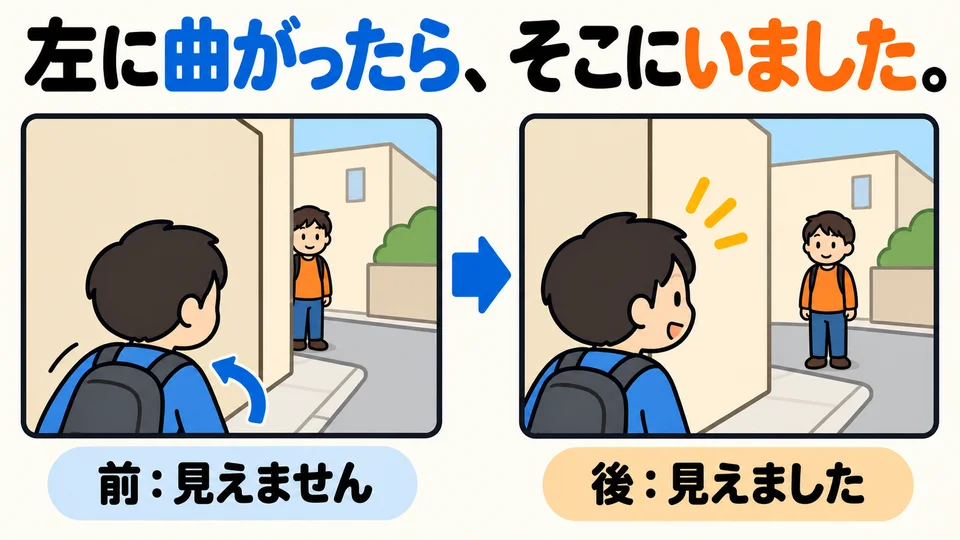
    You see your friend only after turning left. Look at the picture: did you know your friend was there before you turned?

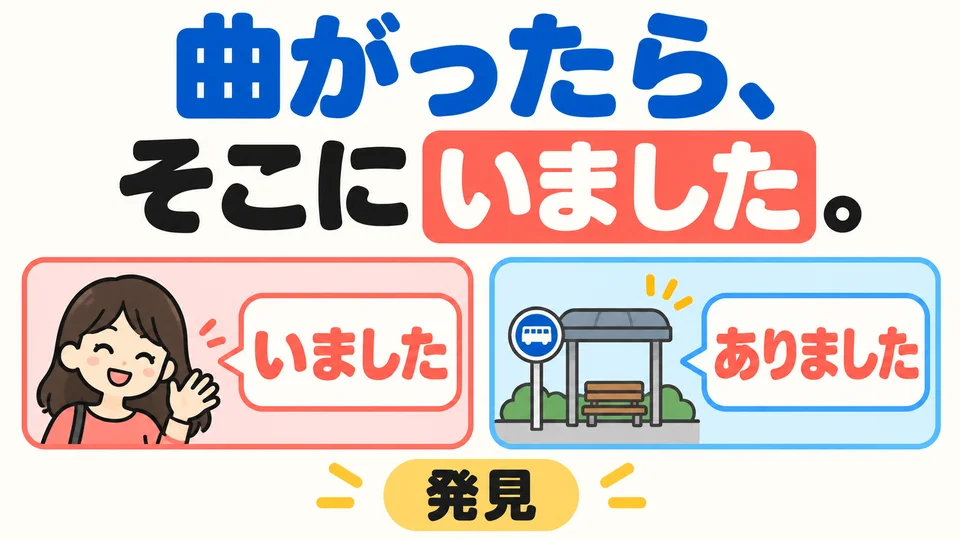
  2. Your friend was already there; you only discovered this after turning left. Turning did not make your friend appear.
    Your friend was already there; you only discovered this after turning left. Turning did not make your friend appear.

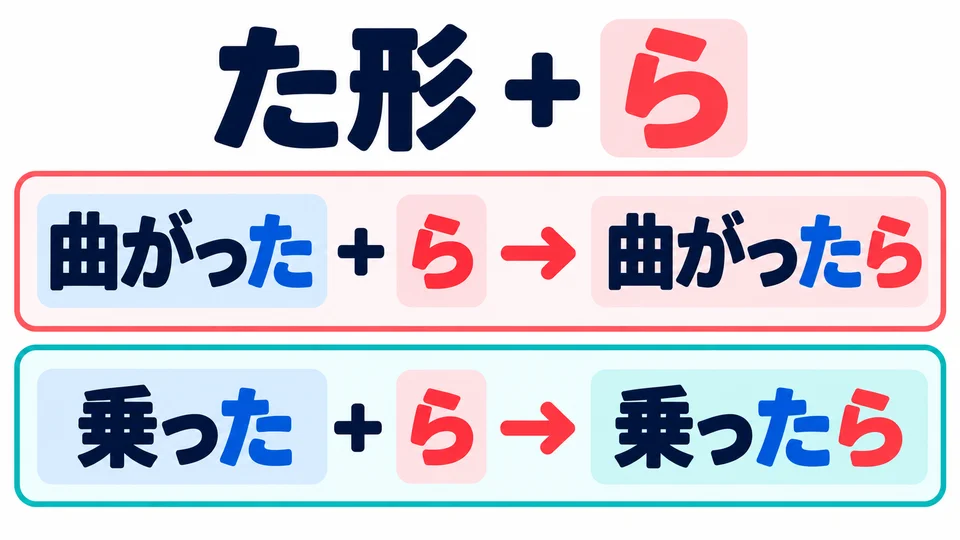
  3. Add 「ら」 to the verb’s た-form: 曲がった→曲がったら, 乗った→乗ったら.
    Add 「ら」 to the verb’s た-form: 曲がった→曲がったら, 乗った→乗ったら.

  4. The second clause uses the past tense, such as 「いました」 or 「ありました」, to describe what you discovered then.
    The second clause uses the past tense, such as 「いました」 or 「ありました」, to describe what you discovered then.

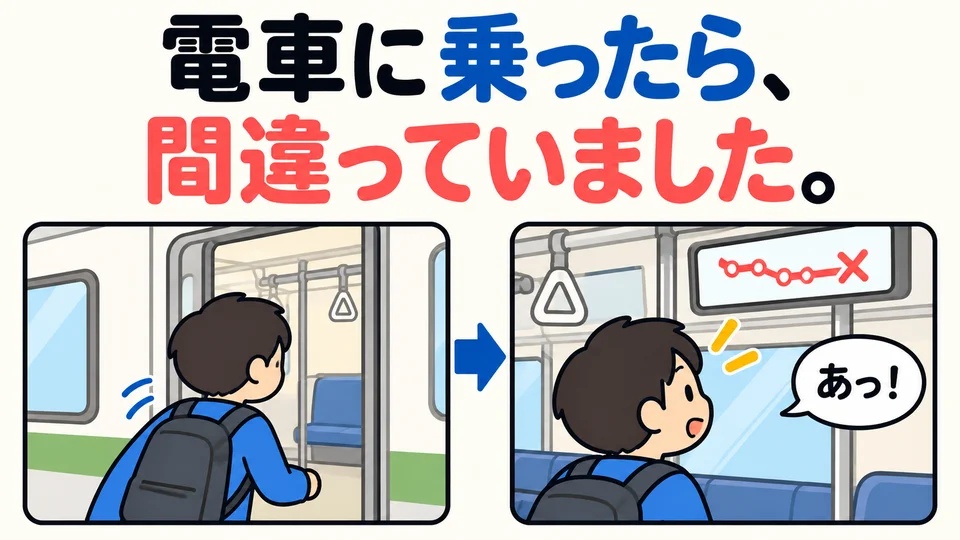
  5. 「電車に乗ったら、間違っていました。」 Only after boarding did you realize you were on the wrong train.
    「電車に乗ったら、間違っていました。」 Only after boarding did you realize you were on the wrong train.

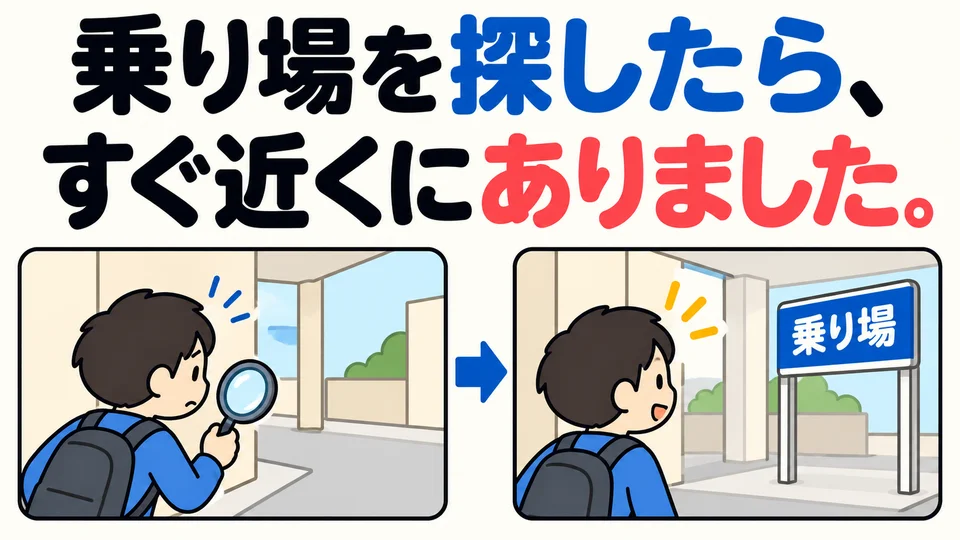
  6. 「乗り場を探したら、すぐ近くにありました。」 You looked for the boarding point and discovered it was very close by.
    「乗り場を探したら、すぐ近くにありました。」 You looked for the boarding point and discovered it was very close by.

  7. Here, 「たら」 tells an actual past experience: you did something, then happened to discover or realize something.

    Here, 「たら」 tells an actual past experience: you did something, then happened to discover or realize something.

Example sentences

  • 電車でんしゃdenshaにni乗ったら、のったらnottara間違っまちがっmachigatてteいました。いましたimashita

    I got on the train, and I realized I was on the wrong one.

  • 乗り場のりばnoribaを

In a conversation

  • A
    どこかで会いましたあいましたか。か

    A: Did you see him somewhere?

  • B
    ええ、ええ交差こうさ点てんを左ひだりに曲がったら、まがったらそこに

Check yourself

  1. Level 1 · Recognise

    Which sentence is correct?

  2. Level 1 · Recognise

    Listen and choose the meaning

  3. Level 2 · Build

    Put the words in order

    When I opened the window, I could see the beautiful sea.

  4. Level 3 · Use

    What goes in the blank?

    電車に 間違っていました。

    When I got on the train, I realized I was on the wrong one.

More grammar in this theme

  • 〜たら、〜たdiscovery after an action

Keep practising

Test your Japanese vocabulary12 adaptive questions, freeCheck your pronunciationRead aloud and get a scorePractise verb forms10-question conjugation quizSee the whole courseGrammar, vocabulary and quizzes by theme
o
探したら、さがしたらsagashitara
すぐsugu
近くちかくchikaku
にni
ありました。ありましたarimashita

I looked for the boarding point, and it was right nearby.

いました
よ。よ

B: Yes, I turned left at the intersection, and there he was.

  • A
    そうですか。か気付かなくきづかなくてすみません。すみません

    A: I see. Sorry I did not notice.

  • B
    いえ、いえ気きにしないでください。ください

    B: No, please do not worry about it.

  • 〜てしまいましたregret: ended up doing
    〜かもしれませんpossibility: might be
    〜たあとで、〜after doing, then
    〜ていただけませんかvery polite request
    〜て、〜/〜で、〜cause and result
    Previous〜て、〜/〜で、〜