
〜てしまいました~te shimaimashita
Te shimaimashita (〜てしまいました) means “regret: ended up doing”.
I unfortunately lost my wallet.
Use 〜てしまいました to report an unfortunate past action with regret.
In the course
How it works
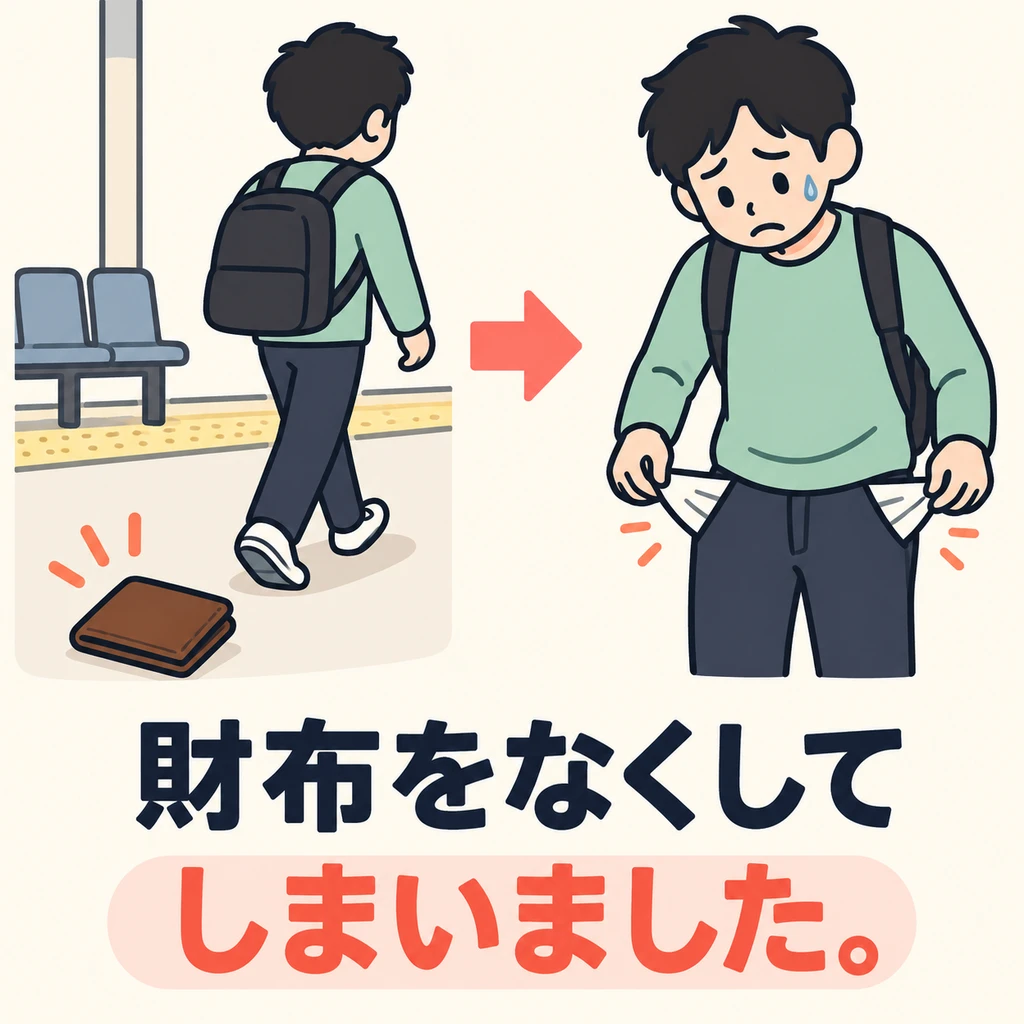
Look at the picture: he has lost his wallet. How does he feel? This expression conveys “Oh no, what a shame!”
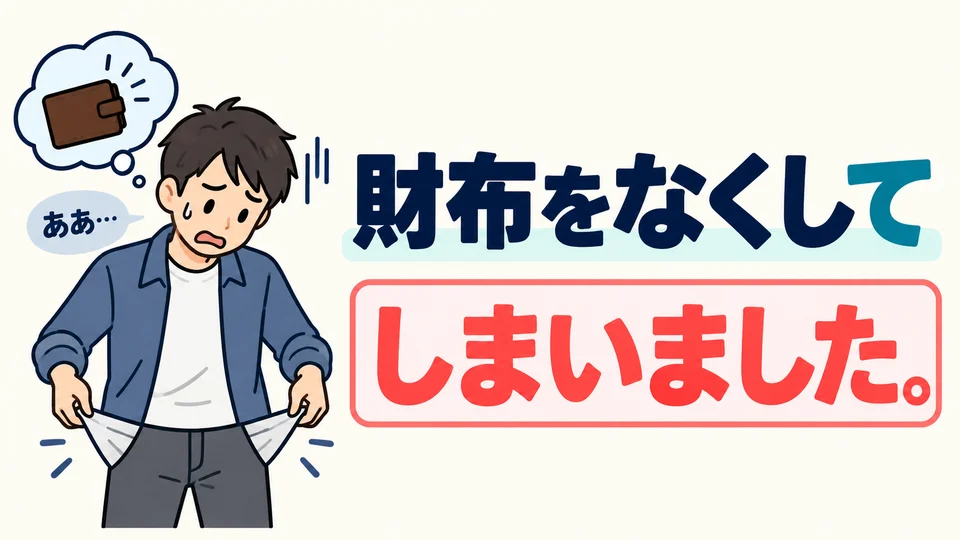
Use it to express regret or disappointment when you accidentally lose something or something unfortunate happens.
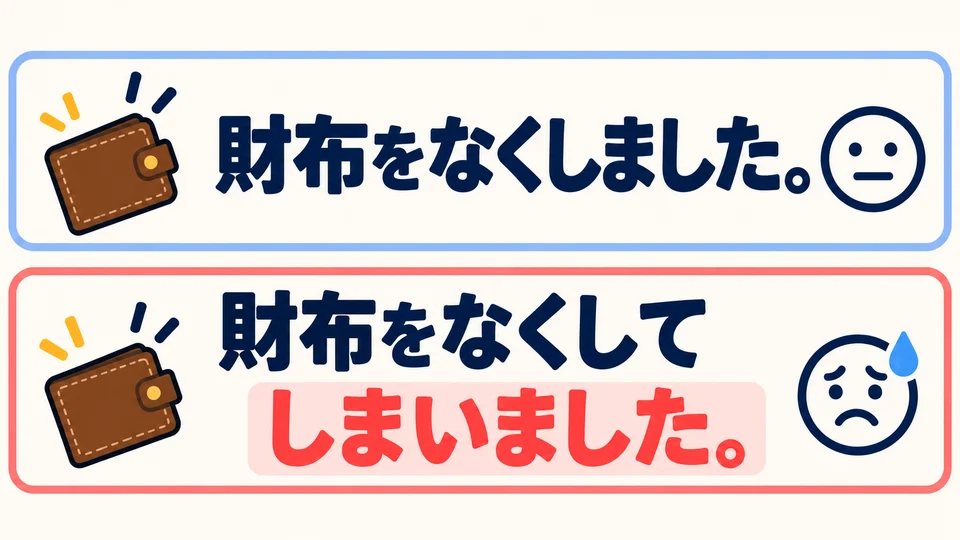
The ordinary past tense simply reports what happened. Adding 「しまいました」 also conveys the speaker’s regret.
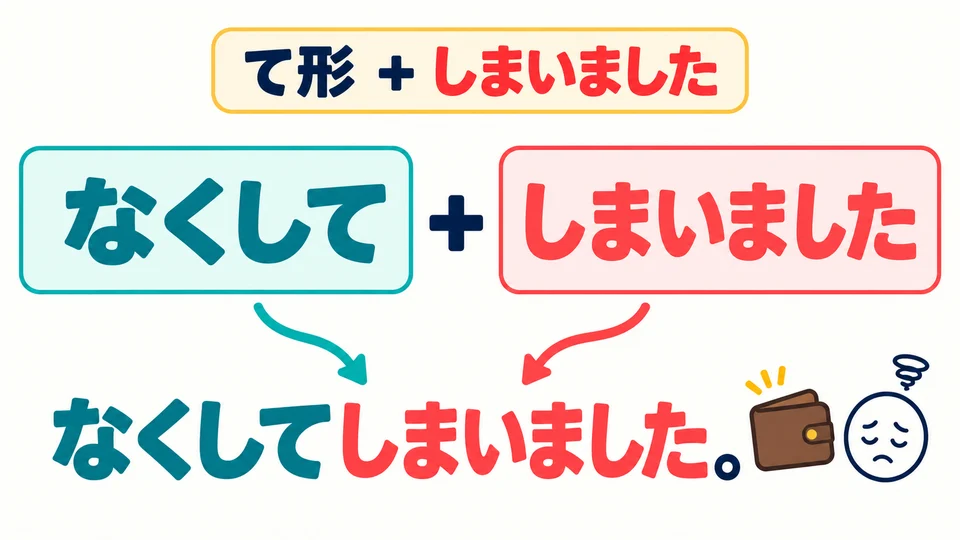
Attach it to the verb’s て-form: なくして+しまいました. Here, we are talking about something that has already happened.
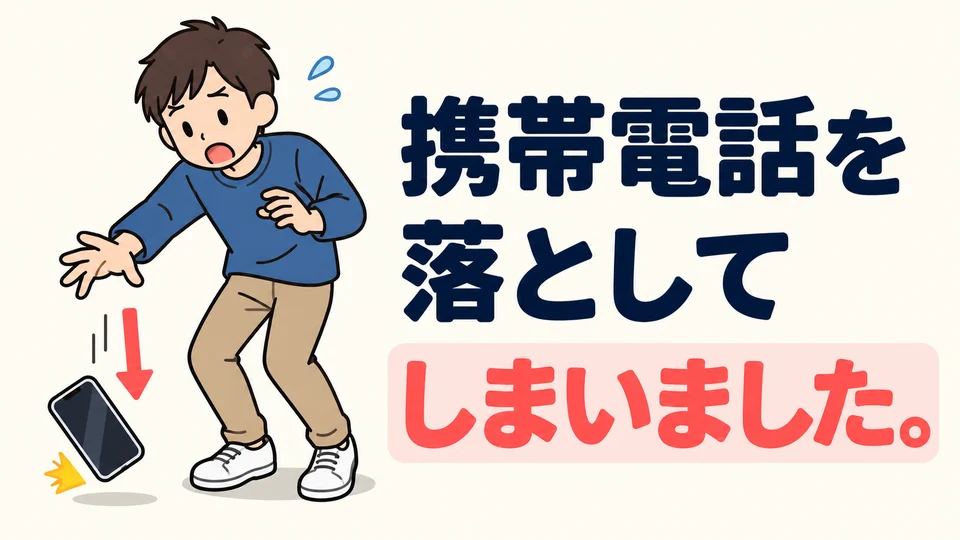
「落としてしまいました」 means you accidentally dropped something. The speaker dropped their phone and feels upset about it.
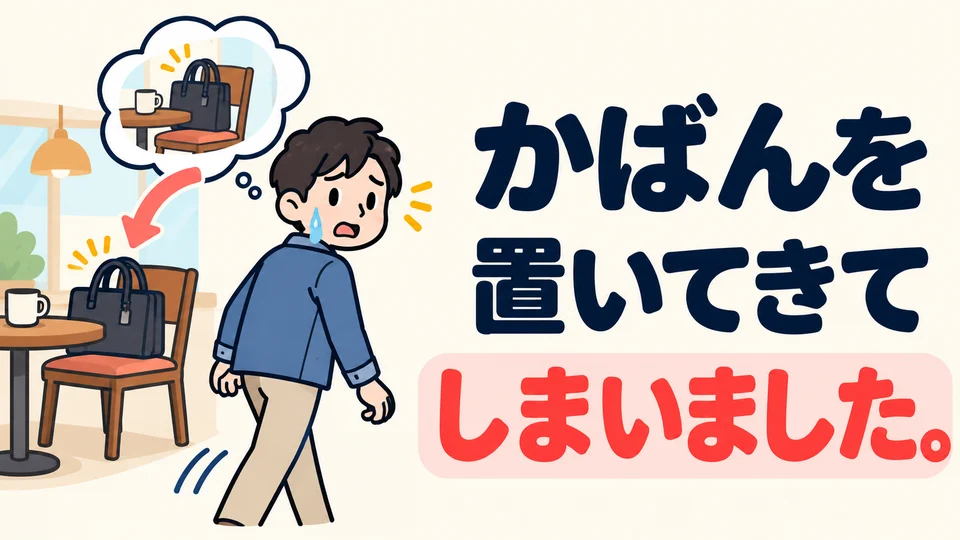
「置いてきてしまいました」 means you left your bag there. It expresses regret about forgetting to take it with you.
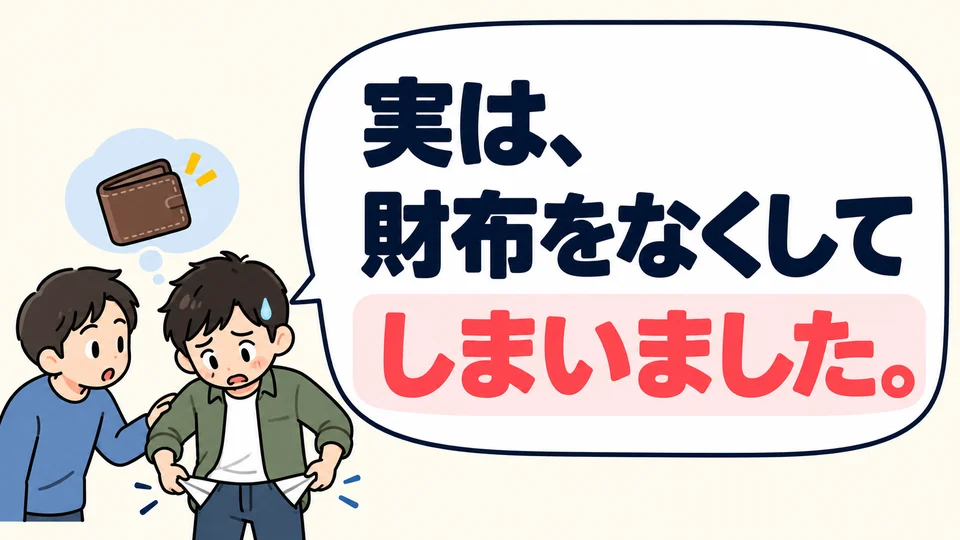
When someone asks what is wrong, use this expression to explain that you lost your wallet and let them hear your regret.
Example sentences
- 財布saifuをoなくしnakushiてteしまいました。shimaimashita
I unfortunately lost my wallet.
- 携帯keitai電話denwaをo落としotoshi
In a conversation

- A大丈夫ですか?何かあったんですか。
A: Are you okay? Did something happen?
- B実は、財布をなくして
Check yourself
Level 1 · Recognise
Which sentence is correct?
Level 1 · Recognise
Listen and choose the meaning
Level 2 · Build
Put the words in order
I lost my wallet.
Level 3 · Use
What goes in the blank?
財布 しまいました。
I lost my wallet.
More grammar in this theme
- 〜てしまいましたregret: ended up doing