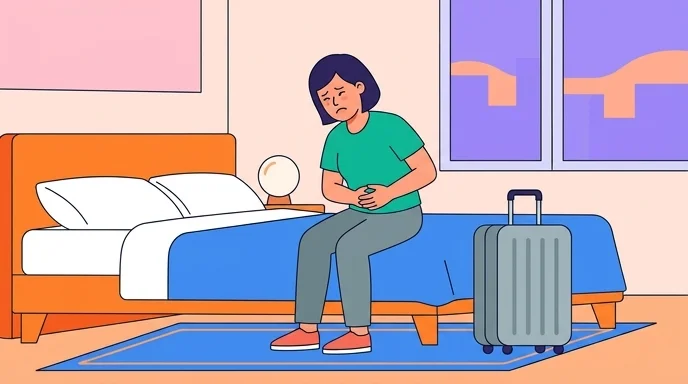
Japanese grammar · ≈ JLPT N5 · Beginner 1
どうでしたか/どうして〜/〜からですdou deshita ka / doushite ~ / ~kara desu
ask past impression and reason
Ask 「どうでしたか」 about a past experience, then use 「〜からです」 to give its reason.
How it works
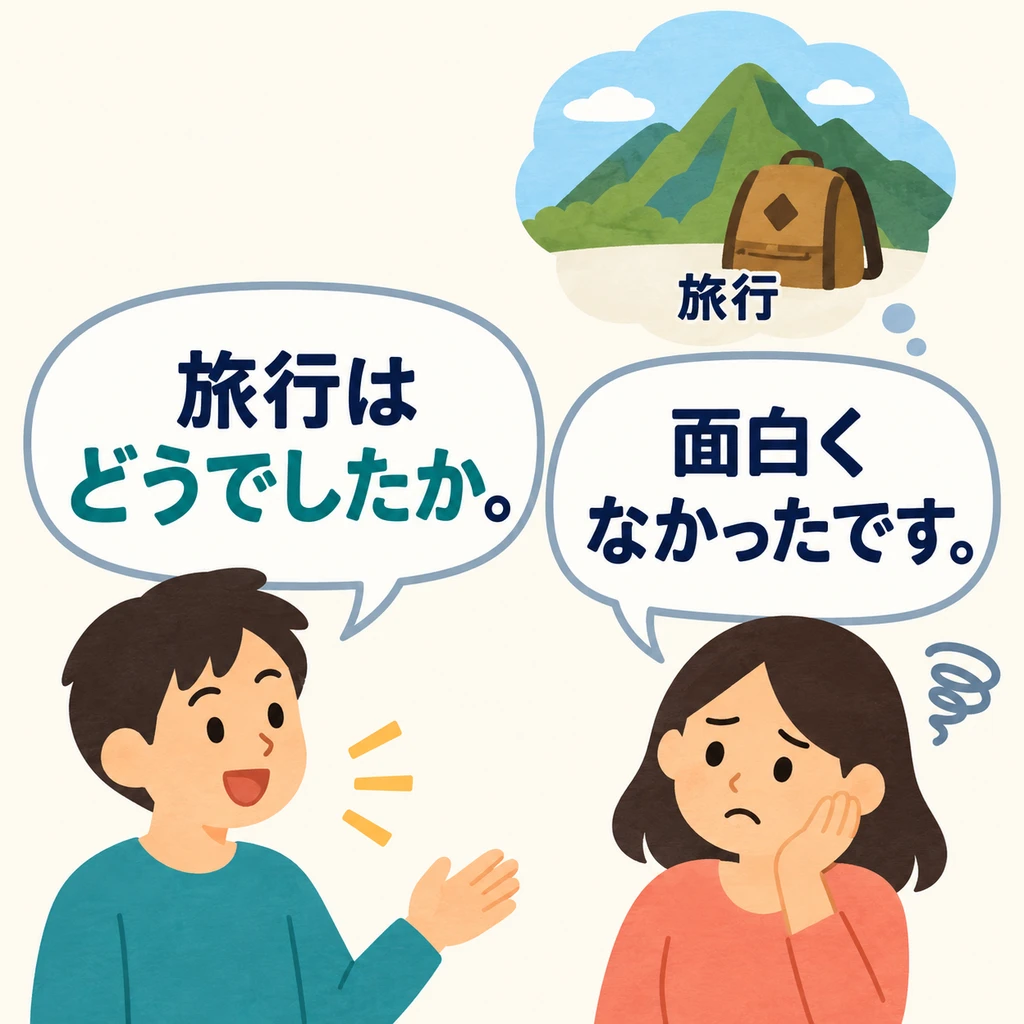
After a trip, use 「どうでしたか」 to ask what the other person thought of it.
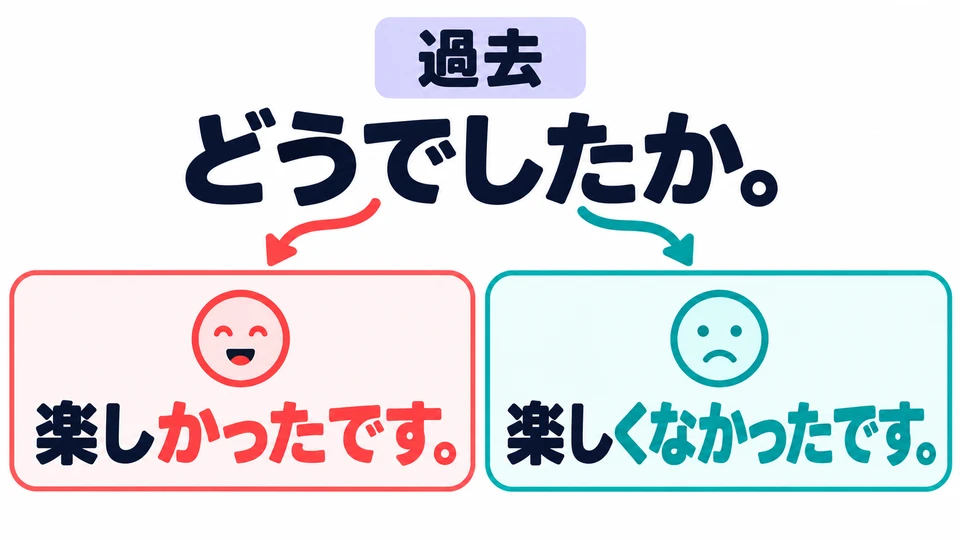
The question asks about a past experience. Whether it was enjoyable or not, answer in the past tense.
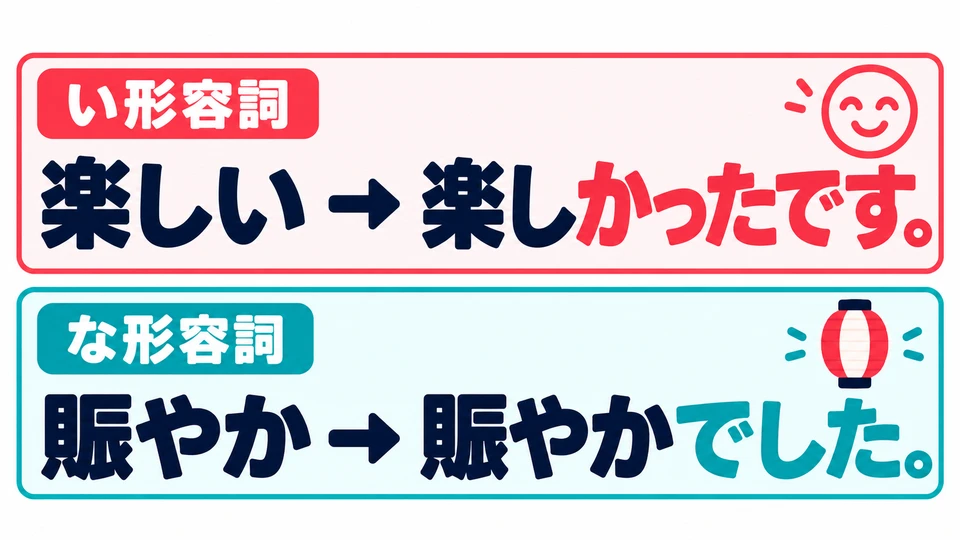
To give your impression, use 「楽しかったです」 for an い-adjective and 「賑やかでした」 for a な-adjective.
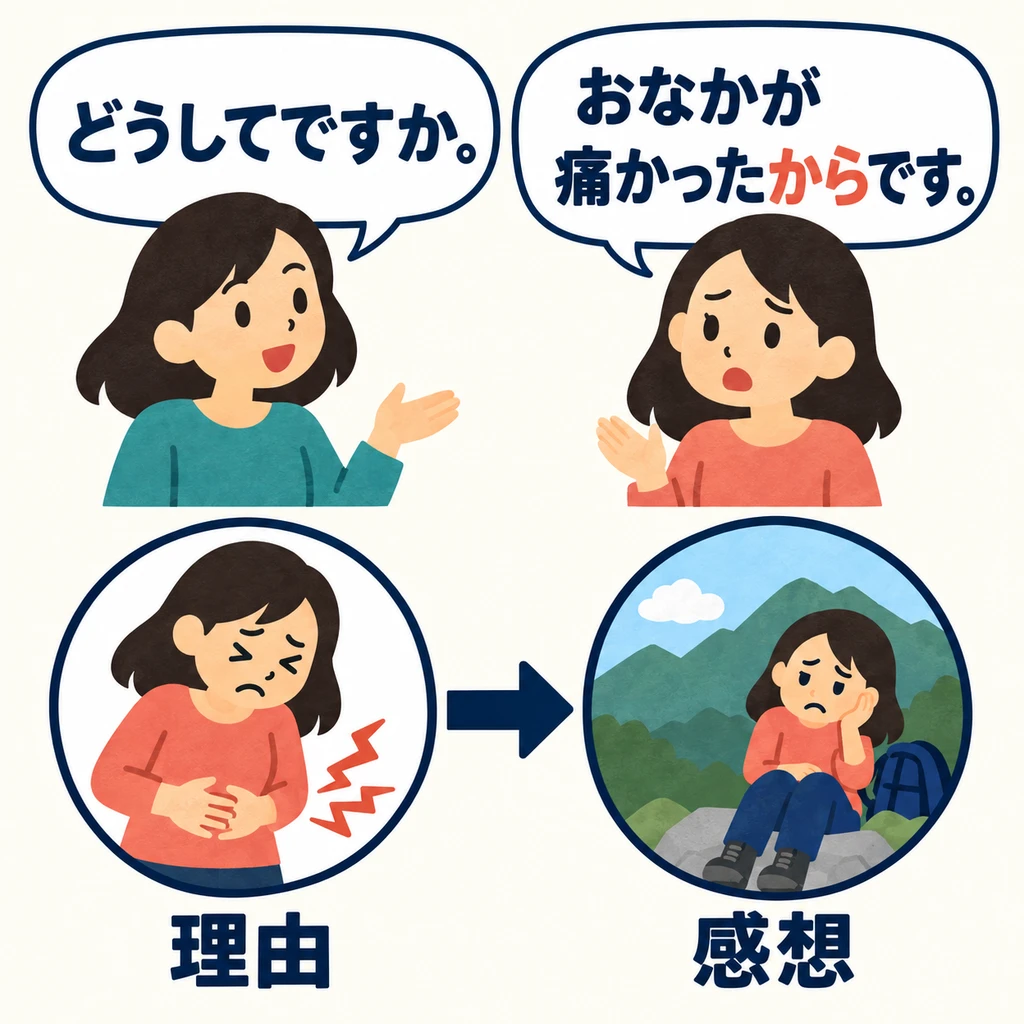
After hearing their impression, use 「どうして」 to follow up if you want to know the reason.
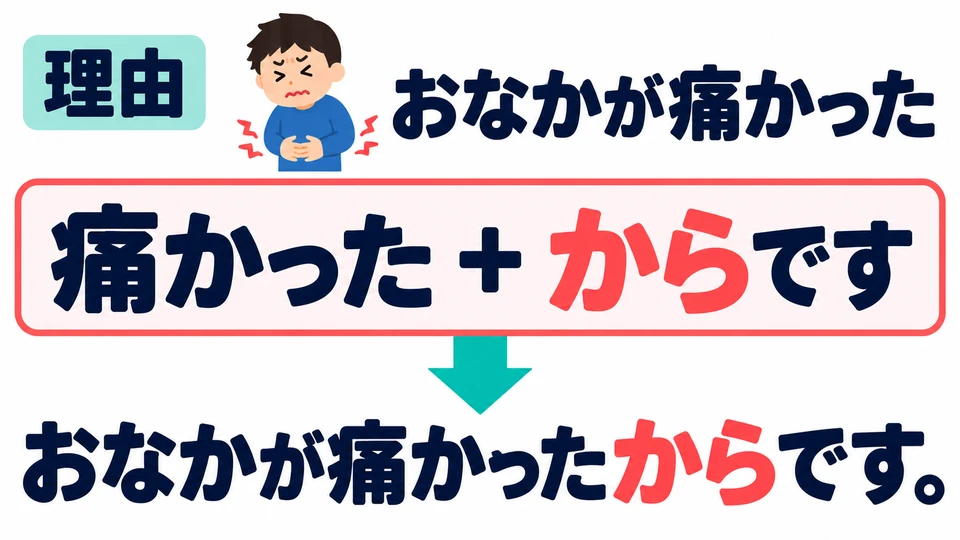
Put the reason before 「から」: 痛かった+からです means “because I had a stomachache” here.
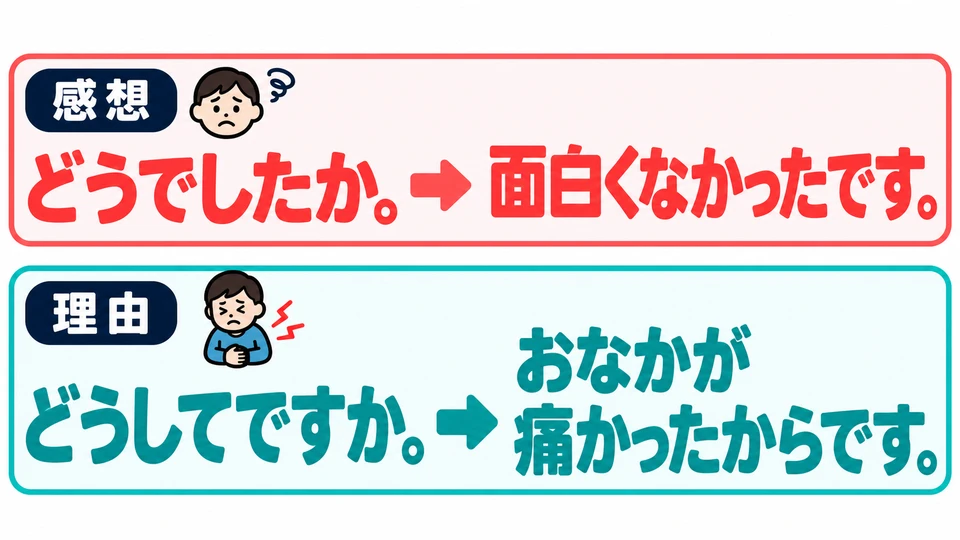
「どうでしたか」 asks for an impression; 「どうしてですか」 asks for a reason. Each calls for a different answer.
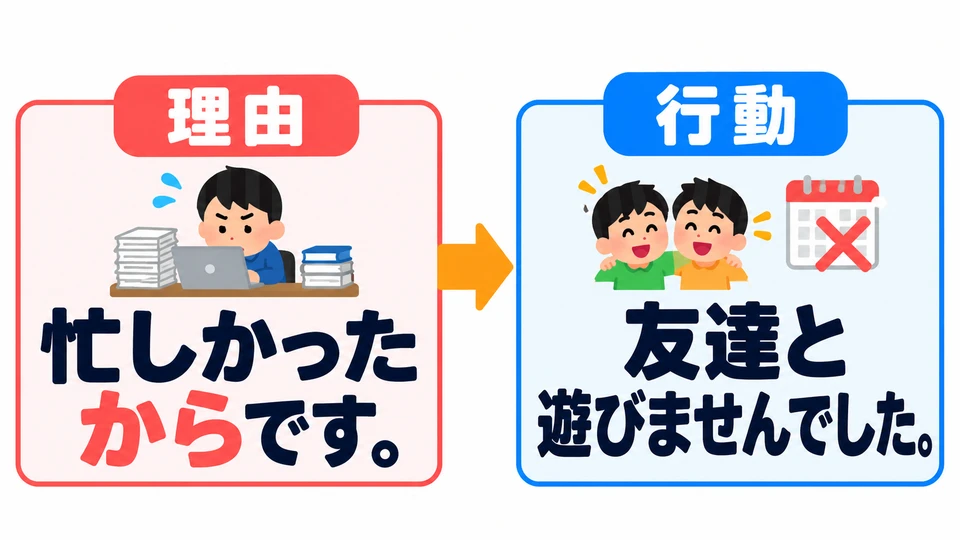
A reason can also explain an action: 「忙しかったからです」 explains why the person didn’t go out with friends—because they were busy.
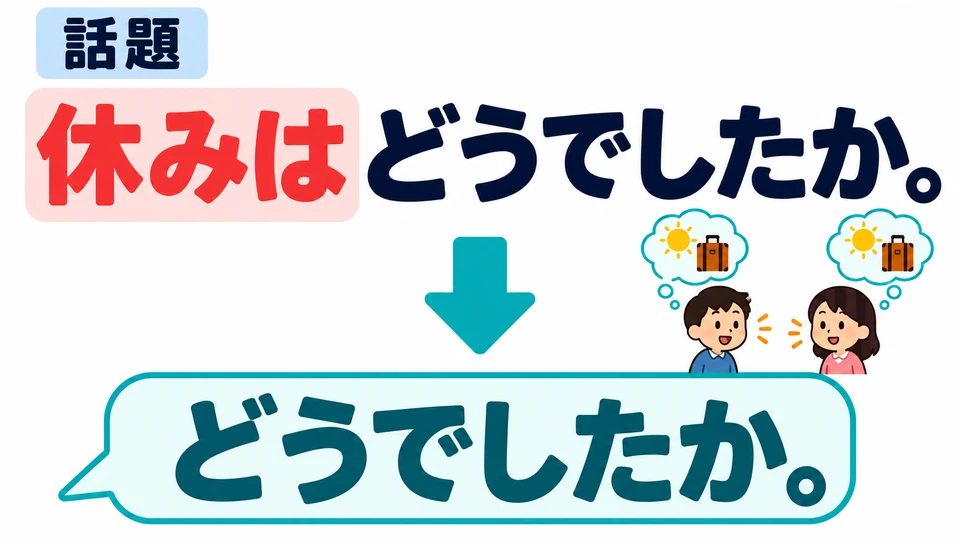
The examples put the topic before 「は」. If both people know the topic, you can simply ask 「どうでしたか」.
Example sentences
- 休みyasumiはwaどうdouでしたdeshitaか。ka
How was your day off?
- 祭りmatsuriはwaどうdou
In a conversation
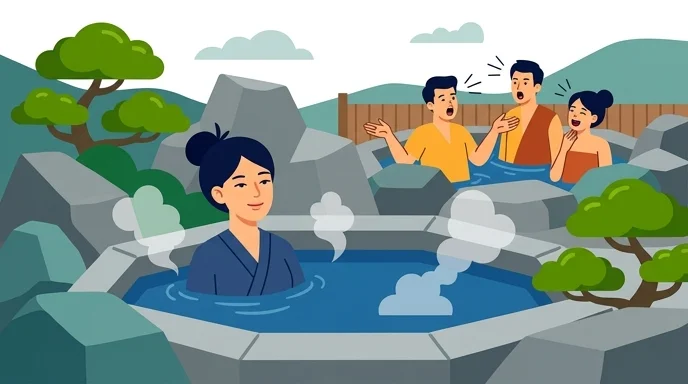
- A休みはどうでしたか。
A: How was your day off?
- Bとても楽しかったです。
B: It was a lot of fun.
- A祭りはどう
Check yourself
Level 1 · Recognise
Which sentence is correct?
Level 1 · Recognise
Listen and choose the meaning
Level 2 · Build
Put the words in order
How was your holiday?
Level 3 · Use
What goes in the blank?
先週 どうでしたか。
How was last week's holiday?
More grammar in this theme
- どうでしたか/どうして〜/〜からですask past impression and reason