JPEDLAB iconJPEDLAB
Save history

Create an account and play

Explore first, then save your progress whenever you are ready. No email address is required.

Start free
Read as articleCards
1/13

After a trip, use 「どうでしたか」 to ask what the other person thought of it.

››

Lesson notes · ≈ JLPT N5 · Beginner 1

どうでしたか/どうして〜/〜からですdou deshita ka / doushite ~ / ~kara desu

ask past impression and reason

Ask 「どうでしたか」 about a past experience, then use 「〜からです」 to give its reason.

How it works
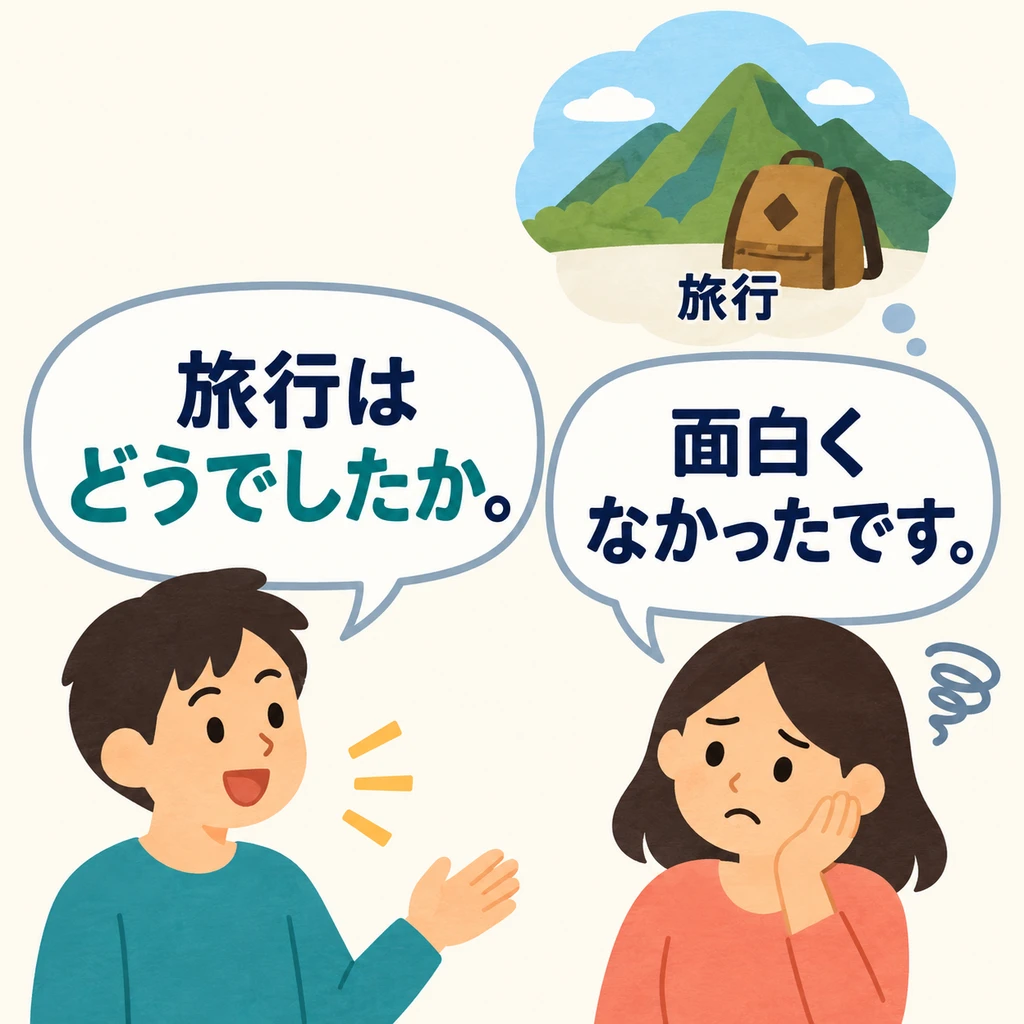
  1. After a trip, use 「どうでしたか」 to ask what the other person thought of it.
    After a trip, use 「どうでしたか」 to ask what the other person thought of it.

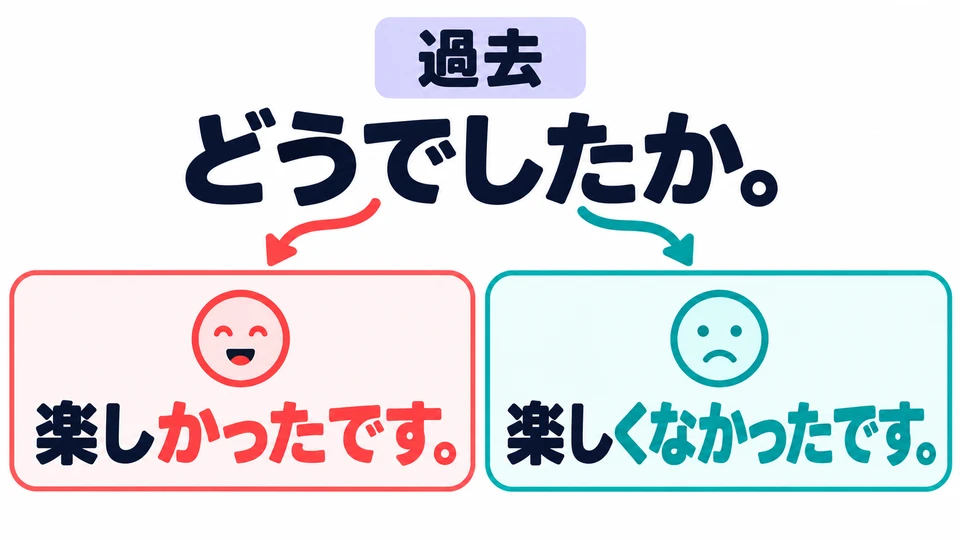
  2. The question asks about a past experience. Whether it was enjoyable or not, answer in the past tense.
    The question asks about a past experience. Whether it was enjoyable or not, answer in the past tense.
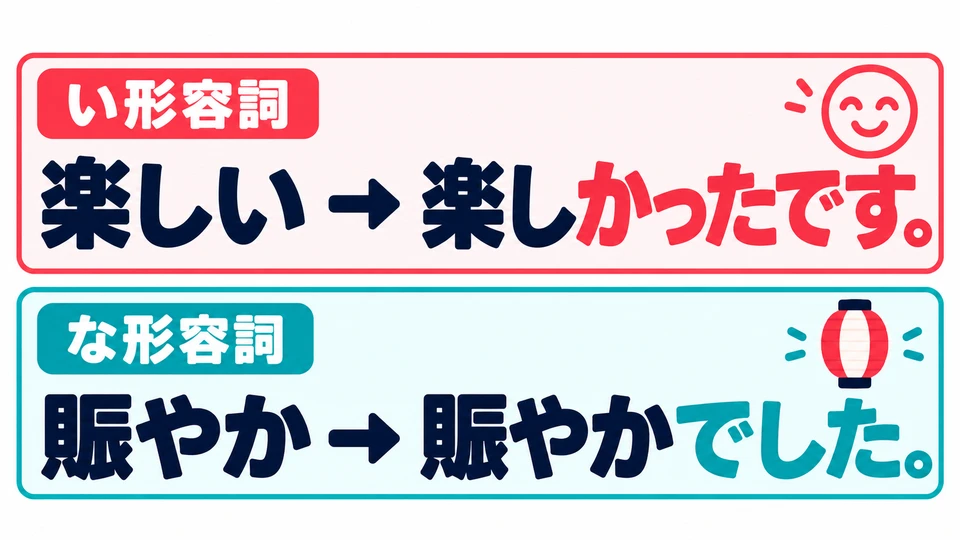
  • To give your impression, use 「楽しかったです」 for an い-adjective and 「賑やかでした」 for a な-adjective.

    To give your impression, use 「楽しかったです」 for an い-adjective and 「賑やかでした」 for a な-adjective.

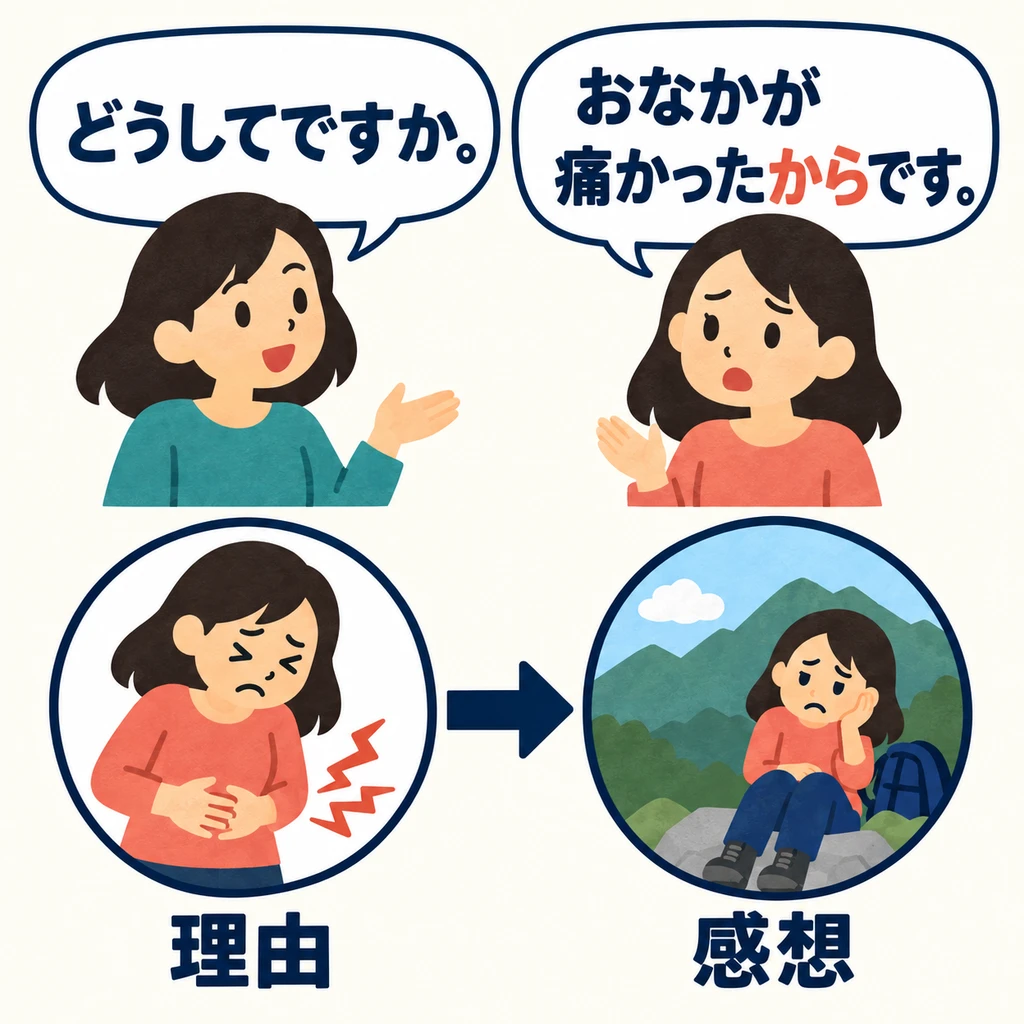
  • After hearing their impression, use 「どうして」 to follow up if you want to know the reason.

    After hearing their impression, use 「どうして」 to follow up if you want to know the reason.

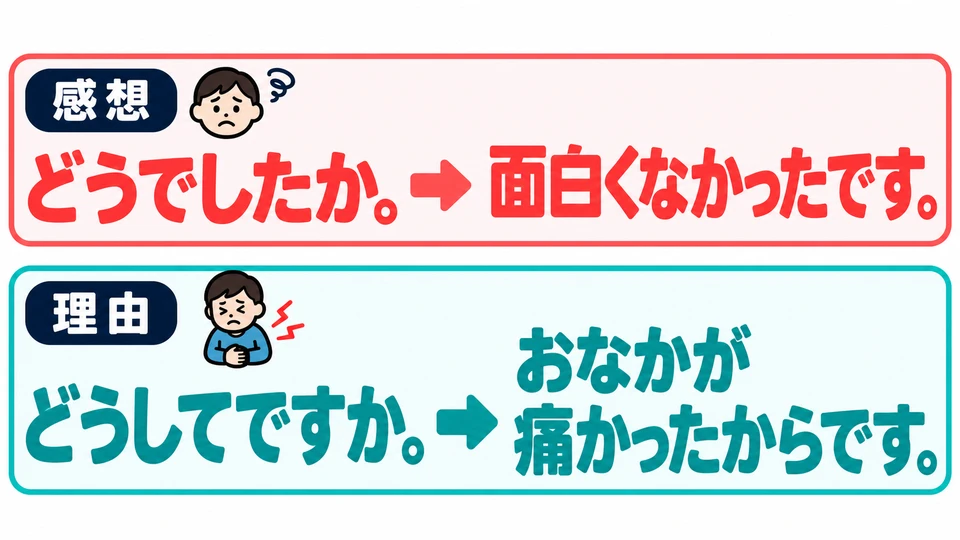
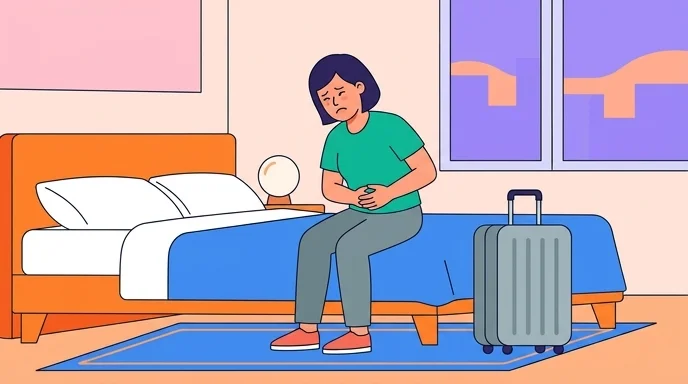
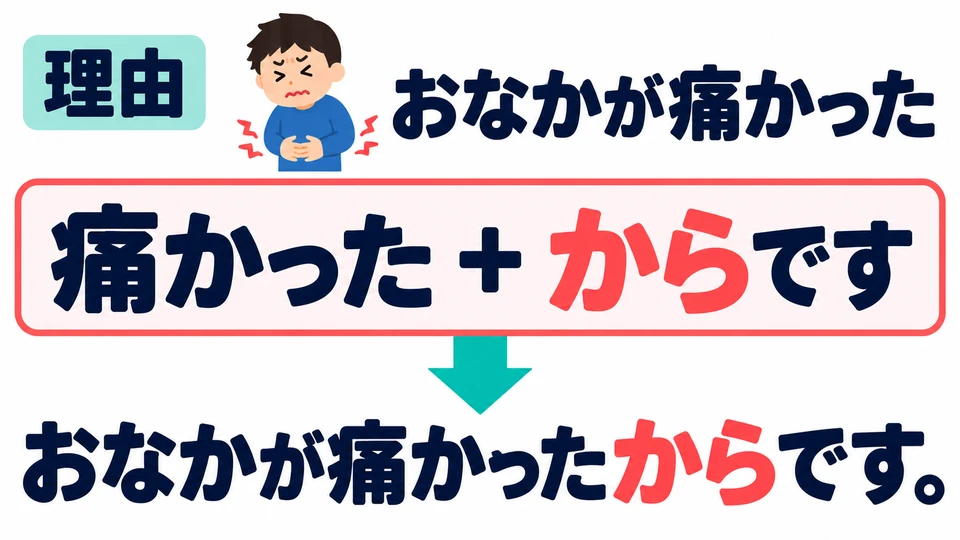
  • Put the reason before 「から」: 痛かった+からです means “because I had a stomachache” here.

    Put the reason before 「から」: 痛かった+からです means “because I had a stomachache” here.

  • 「どうでしたか」 asks for an impression; 「どうしてですか」 asks for a reason. Each calls for a different answer.

    「どうでしたか」 asks for an impression; 「どうしてですか」 asks for a reason. Each calls for a different answer.

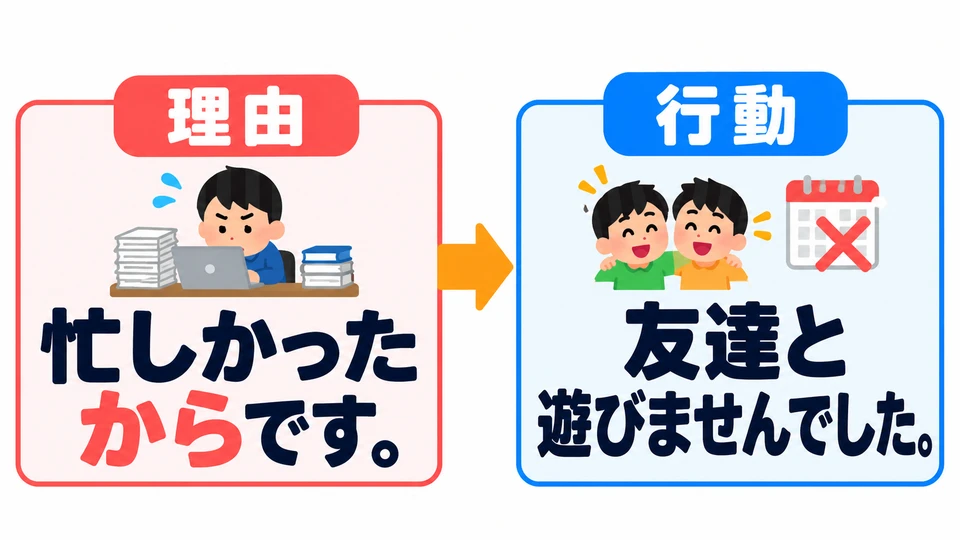
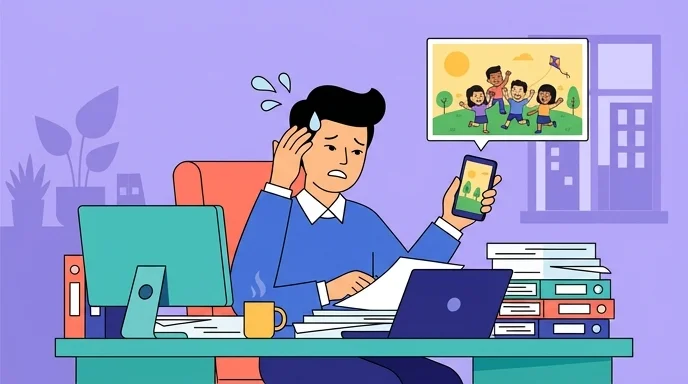
  • A reason can also explain an action: 「忙しかったからです」 explains why the person didn’t go out with friends—because they were busy.

    A reason can also explain an action: 「忙しかったからです」 explains why the person didn’t go out with friends—because they were busy.

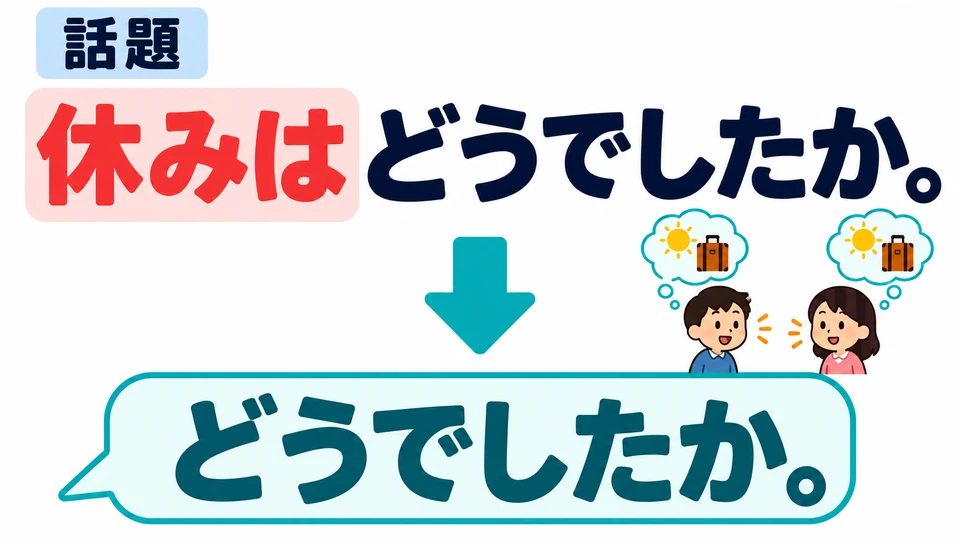
  • The examples put the topic before 「は」. If both people know the topic, you can simply ask 「どうでしたか」.

    The examples put the topic before 「は」. If both people know the topic, you can simply ask 「どうでしたか」.

  • Example sentences

    • 休みやすみyasumiはわwaどうdouでしたdeshitaか。かka

      How was your day off?

    • 祭りまつりmatsuriはわwaどうdouでしたdeshitaか。かka

      How was the festival?

    In a conversation

    • A
      休みやすみはわどうでしたか。か

      A: How was your day off?

    • B
      とても楽しかったです。たのしかったです

      B: It was a lot of fun.

    • A
      祭りまつりはわどうでしたか。か

      A: How was the festival?

    • B
      賑やかでした。にぎやかでした

      B: It was lively.

    • A
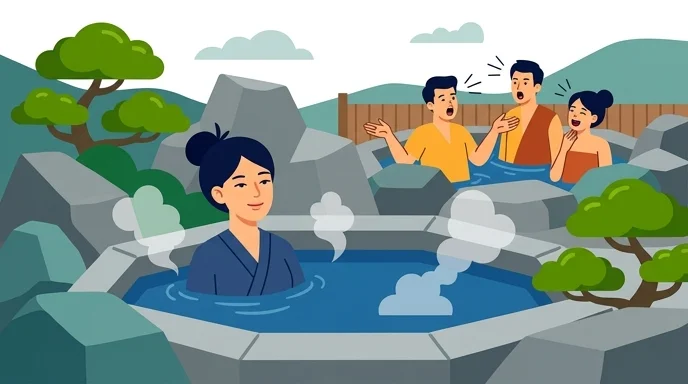
      温泉おんせんはわどうでしたか。か

      A: How was the hot spring?

    • B
      よかったです。よかったですでも少しすこしうるさかったです。うるさかったです

      B: It was nice. But it was a little noisy.

    • A
      どうでしたか。か

      A: How was it?

    • B
      楽しくたのしくなかったです。なかったです

      B: It wasn't fun.

    • A
      どうして友達ともだちと遊びませんでしたあそびませんでした
    • A
      旅行りょこうはわどうでしたか。か

      A: How was the trip?

    • B
      面白くおもしろくなかったです。なかったです

      B: It wasn't interesting.

    • A
      どうしてです

    Check yourself

    1. Level 1 · Recognise

      Which sentence is correct?

    2. Level 1 · Recognise

      Listen and choose the meaning

    3. Level 2 · Build

      Put the words in order

      How was your holiday?

    4. Level 3 · Use

      What goes in the blank?

      先週 どうでしたか。

      How was last week's holiday?

    More grammar in this theme

    • 〜ました/〜ませんでしたpast affirmative and negative
    • どこかへ行きましたかask if someone went somewhere
    • それからthen; next action
    • 〜かったです/〜くなかったですpast adjective impression
    • 〜でした/〜じゃありませんでしたpast state, affirmative or negative
    • どうでしたか/どうして〜/〜からですask past impression and reason
    • 〜がほしいですwant to have something
    • 〜が好きです/嫌いですlikes and dislikes
    • 〜たいです/〜たくないですwant or not want to do
    • 〜へ〜に行きますgo somewhere to do something
    Previous〜でした/〜じゃありませんでしたNext〜がほしいです

    Keep practising

    Test your Japanese vocabulary12 adaptive questions, freeCheck your pronunciationRead aloud and get a scorePractise verb forms10-question conjugation quizSee the whole courseGrammar, vocabulary and quizzes by theme
    See the whole course
    Beginner 1
    Days Off
    か。か

    A: Why didn't you go out with your friends?

  • B
    忙しかったいそがしかったからです。です

    B: Because I was busy.

  • か。か

    A: Why?

  • B
    おなかが痛かったいたかったからです。です

    B: Because I had a stomachache.