JPEDLAB iconJPEDLAB
Save history

Create an account and play

Explore first, then save your progress whenever you are ready. No email address is required.

Start free
Read as articleCards
1/13

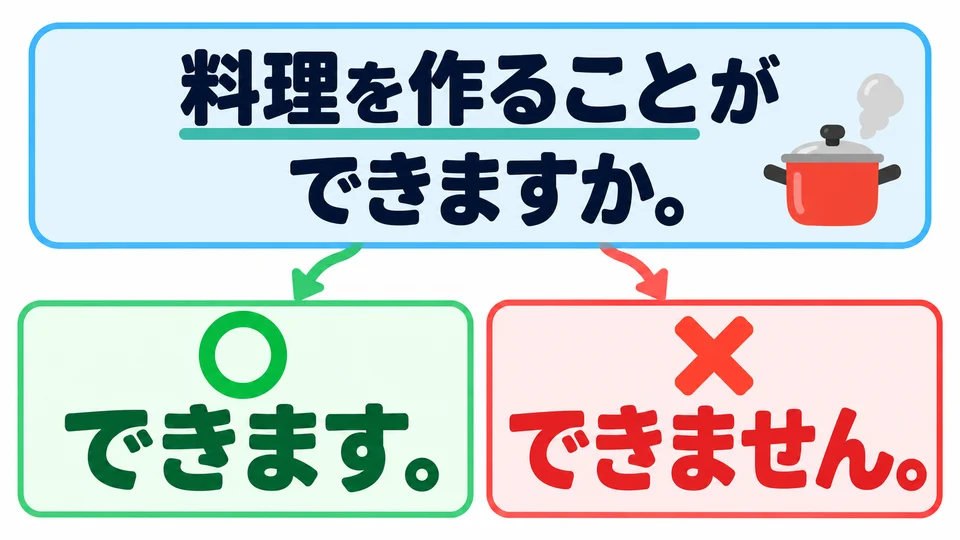
To find out whether someone can cook, ask and answer as shown in the picture.

››

Lesson notes · ≈ JLPT N5 · Beginner 2

〜ことができますか~koto ga dekimasu ka

ask if someone can

Add 「か」 to 「〜ことができます」 to ask about an ability; answer できます or できません.

How it works
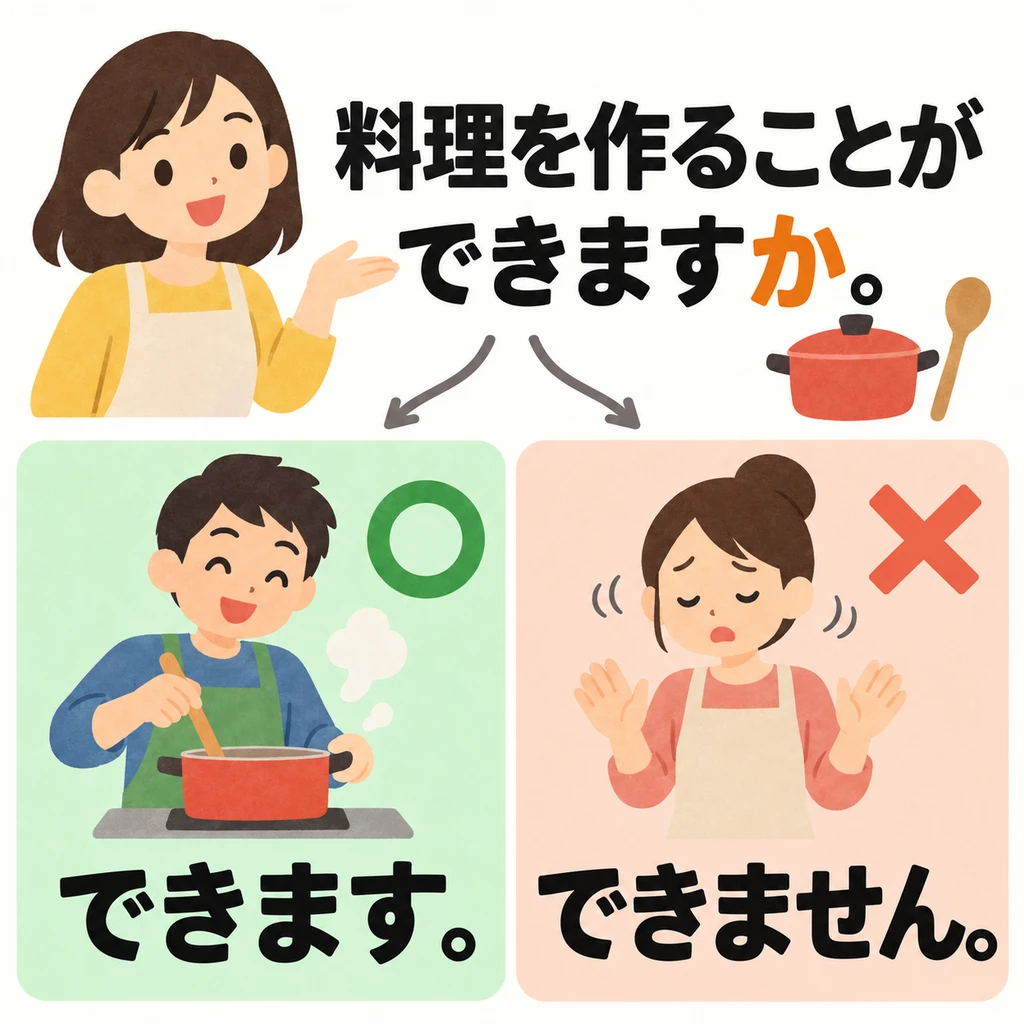
  1. To find out whether someone can cook, ask and answer as shown in the picture.
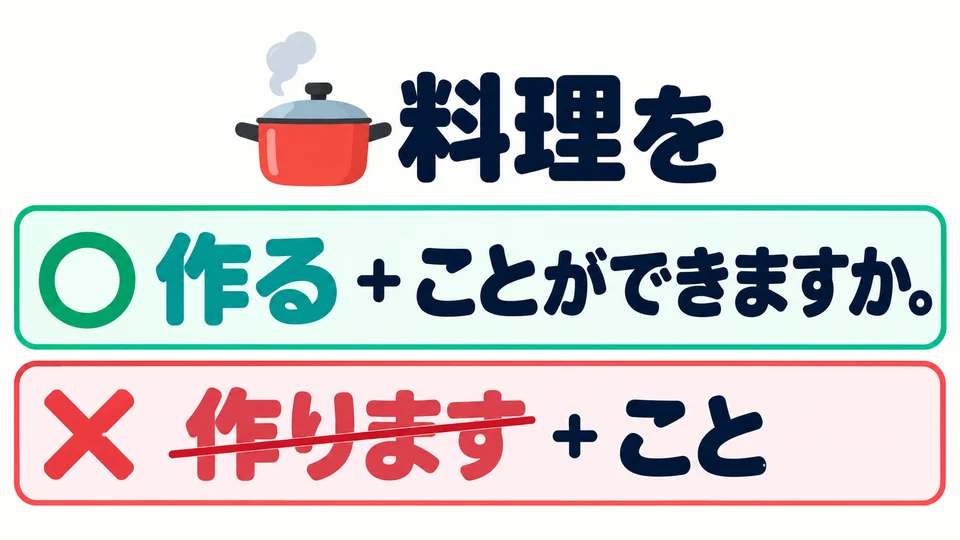
    To find out whether someone can cook, ask and answer as shown in the picture.

  2. Put the action before 「こと」 in the dictionary form: use 「作る」 here, not 「作ります」.
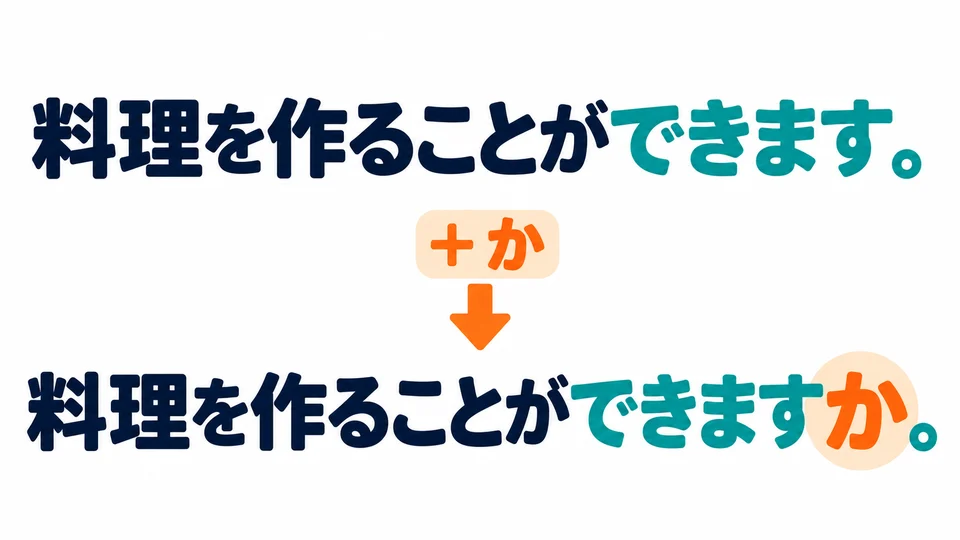
    Put the action before 「こと」 in the dictionary form: use 「作る」 here, not 「作ります」.
Add 「か」 after 「ことができます」 to turn a statement of ability into a question about ability.

Add 「か」 after 「ことができます」 to turn a statement of ability into a question about ability.

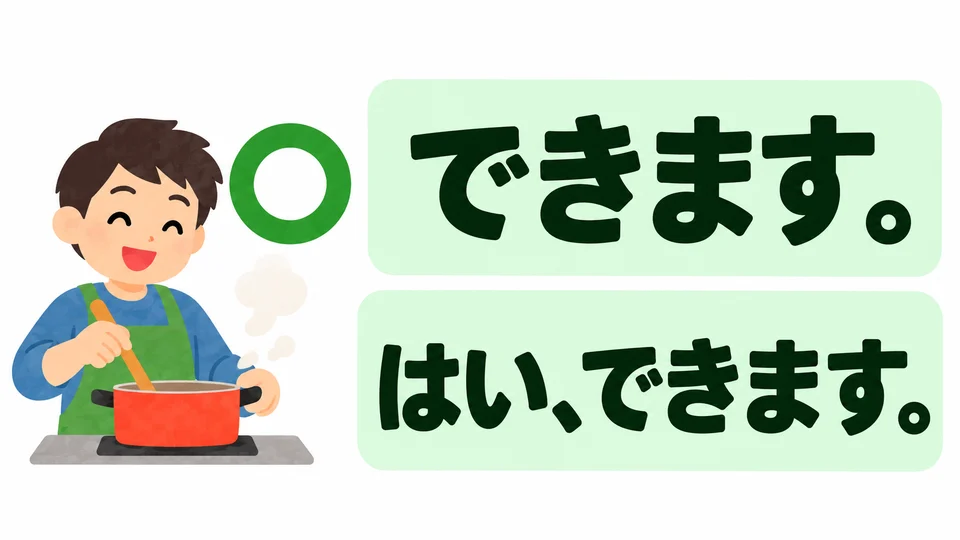
  • If you can do it, answer 「できます」. You can also say 「はい」 first.

    If you can do it, answer 「できます」. You can also say 「はい」 first.

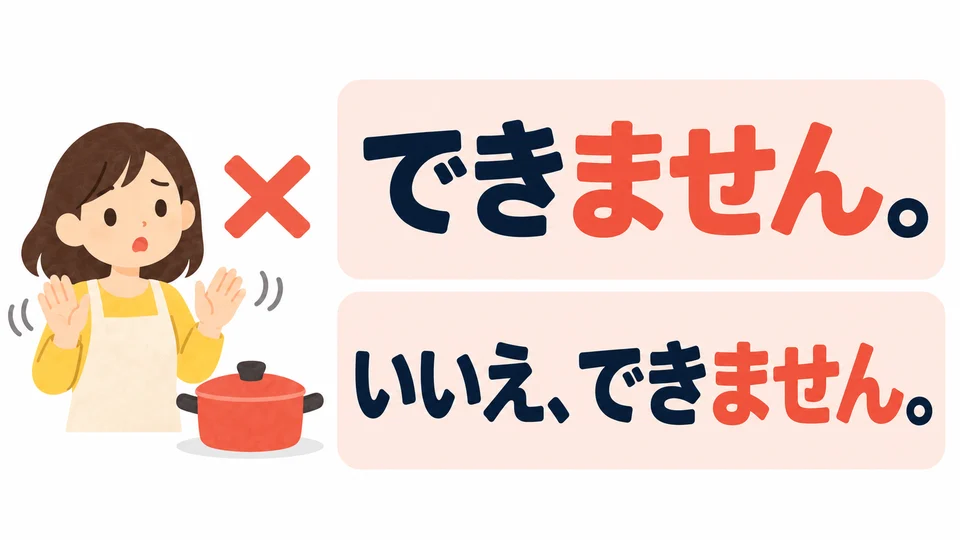
  • If you cannot do it, answer 「できません」. You can also say 「いいえ」 first.

    If you cannot do it, answer 「できません」. You can also say 「いいえ」 first.

  • The question already makes the action clear, so you can leave it out of your answer and just say 「できます」 or 「できません」.

    The question already makes the action clear, so you can leave it out of your answer and just say 「できます」 or 「できません」.

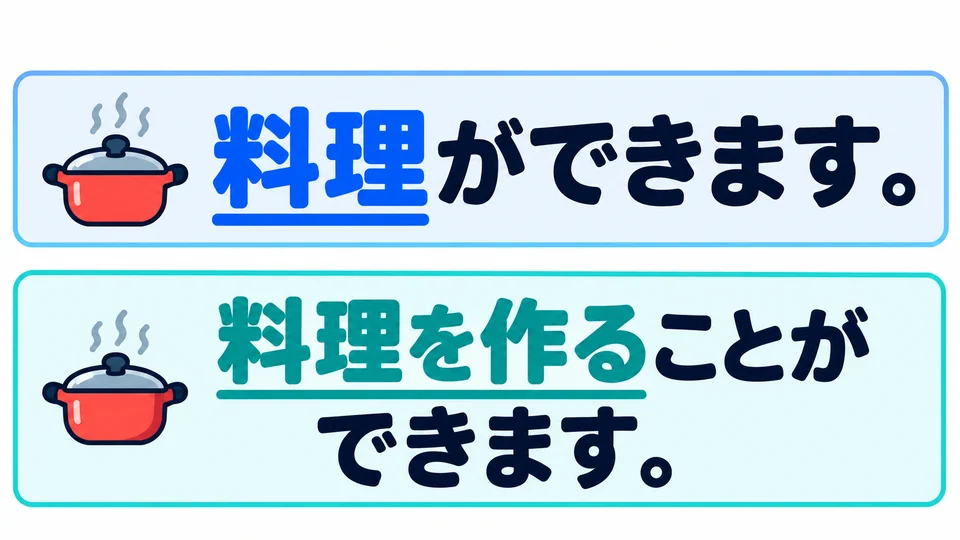
  • In the example, 「料理ができます」 means you can cook; 「料理を作ることができます」 names the action explicitly.

    In the example, 「料理ができます」 means you can cook; 「料理を作ることができます」 names the action explicitly.

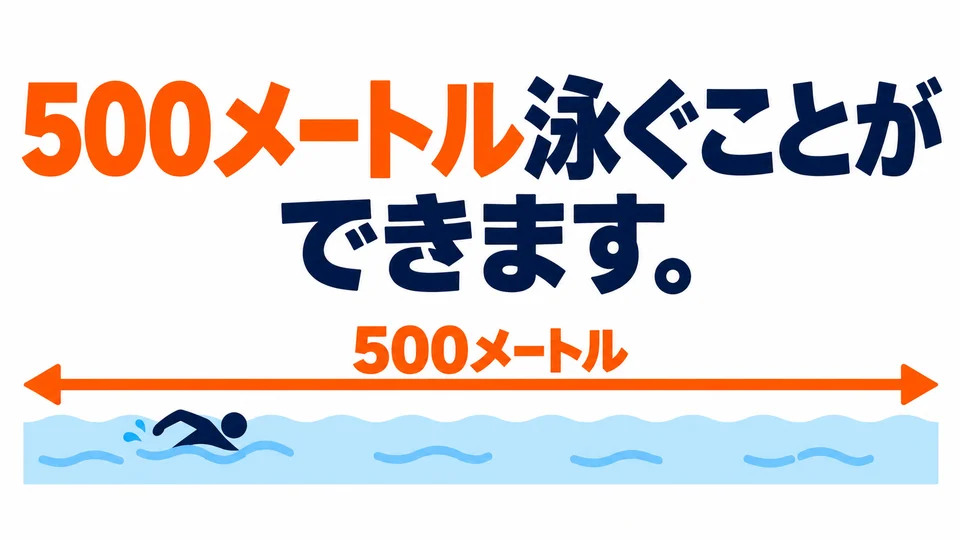
  • When asked how well they can swim, the speaker uses 「500メートル」 to say how far they can swim, making the ability more specific.

    When asked how well they can swim, the speaker uses 「500メートル」 to say how far they can swim, making the ability more specific.

  • Example sentences

    • 料理りょうりryouriをo作るつくるtsukuruことkotoがgaできますdekimasuか。かka

      Can you cook?

    • できますdekimasuよ。よyo

      Yes, I can.

    • A: えーee趣味しゅみshumiはわwa何なんnanですdesuか。かka

      A: What is your hobby?

    • B: びーbii私わたしwatashiのno趣味しゅみshumiはわwa料理りょうりryouriとto水泳すいえいsuieiです。ですdesu

      B: My hobbies are cooking and swimming.

    • A: えーee料理りょうりryouriがgaできますdekimasuか。かka

      A: Can you cook?

    • B: びーbiiはい、はいhai料理りょうりryouriがgaできます。できますdekimasu日本にっぽんnippon料理りょうりryouriとto中華ちゅうかchuuka料理りょうりryouriをo
    • A: えーee水泳すいえいsuieiはわwaどのdonoくらいkuraiできますdekimasuか。かka

      A: How well can you swim?

    • B: びーbii500 ごひゃくgohyakuメートルめーとるmeetoru泳ぐおよぐoyoguことkotoがgaできます。できますdekimasu

      B: I can swim 500 meters.

    • A: えーeeすごいですsugoidesuね。ねne私わたしwatashiはわwa料理りょうりryouriがgaできません。できませんdekimasen

      A: That's amazing. I can't cook.

    • B: びーbii大丈夫ですだいじょうぶですdaijoubudesuよ。よyo一緒いっしょisshoにni練習れんしゅうrenshuuしましょう。しましょうshimashou

      B: It's okay. Let's practice together.

    • A: えーeeありがとうarigatouございます。ございますgozaimasu何なにnaniからkara練習れんしゅうrenshuuしますshimasuか。かka

      A: Thank you. What shall we practice first?

    • B: びーbiiまず、まずmazu簡単なかんたんなkantanna料理りょうりryouriからkara始めましょう。はじめましょうhajimemashou

      B: First, let's start with simple dishes.

    • A: えーee料理りょうりryouriはわwa楽しいですたのしいですtanoshiidesuか。かka

      A: Is cooking fun?

    • B: びーbiiはい、はいhai料理りょうりryouriはわwa楽しくたのしくtanoshikuて、てte美味しいです。おいしいですoishiidesu

      B: Yes, cooking is fun and delicious.

    • A: えーeeじゃあ、じゃあjaa私わたしwatashiもmo料理りょうりryouriをo習いたいです。ならいたいですnaraitaidesu

      A: Then, I want to learn to cook too.

    • B: びーbiiいいですiidesuね。ねne今度、こんどkondo一緒いっしょisshoにni料理りょうりryouriしましょう。しましょうshimashou

      B: That sounds good. Let's cook together sometime.

    • A: えーaはい、はいhaiよろしくyoroshikuお願いおねがいonegaiします。しますshimasu

      A: Yes, I'm looking forward to it.

    In a conversation

    • A
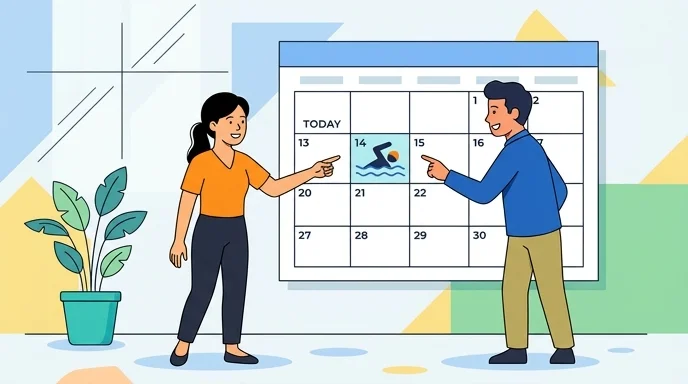
      明日、あす泳ぐおよぐことができますか。か

      A: Can you go swimming tomorrow?

    • B
      はい、はい明日あす泳ぐおよぐことができます。できます

      B: Yes, I can go swimming tomorrow.

    • A
      何時なんじに泳ぎますおよぎますか。か

      A: What time will you swim?

    • B
      午後ごごに泳ぎます。およぎます

      B: I'll swim in the afternoon.

    • A
      料理りょうりを作るつくることができますか。か

      A: Can you cook?

    • B
      いいえ、いいえ今日きょうはわ作るつくることができません。できません
    • A
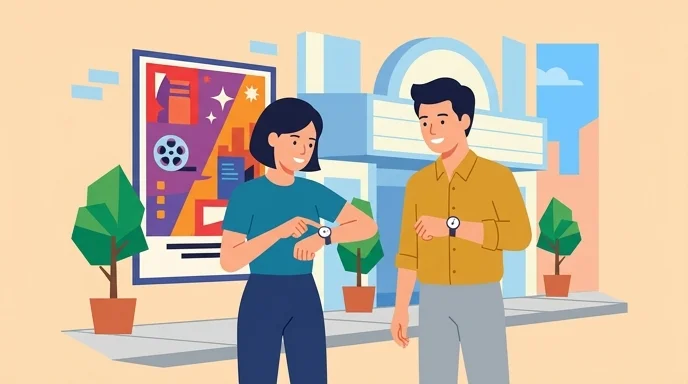
      一緒いっしょに映画えいがを見るみることができますか。か

      A: Can we watch a movie together?

    • B
      はい、はい見るみることができます。できます

    Check yourself

    1. Level 1 · Recognise

      Which sentence is correct?

    2. Level 1 · Recognise

      Listen and choose the meaning

    3. Level 2 · Build

      Put the words in order

      Can you swim? Yes, I can swim.

    4. Level 3 · Use

      What goes in the blank?

      音楽を一緒に 。

      We can listen to music together.

    More grammar in this theme

    • 趣味は〜ことですhobby: activity as a noun
    • いつも・よく・ときどきfrequency: always to sometimes
    • 期間に〜回/冊/本quantity per time period
    • 〜ができますcan do something
    • 〜ことができますcan do an action
    • 〜ことができますかask if someone can
    • 〜て、〜てからsequence actions in order
    • どうやって〜かask how to do something
    Previous〜ことができますNext〜て、〜てから

    Keep practising

    Test your Japanese vocabulary12 adaptive questions, freeCheck your pronunciationRead aloud and get a scorePractise verb forms10-question conjugation quizSee the whole courseGrammar, vocabulary and quizzes by theme
    See the whole course
    Beginner 2
    Hobbies and Preferences
    作るつくるtsukuru
    ことkoto
    がga
    できます。できますdekimasu

    B: Yes, I can. I can cook Japanese and Chinese food.

    B: No, I can't cook today.

  • A
    じゃあ、じゃあ何なにができますか。か

    A: Then, what can you do?

  • B
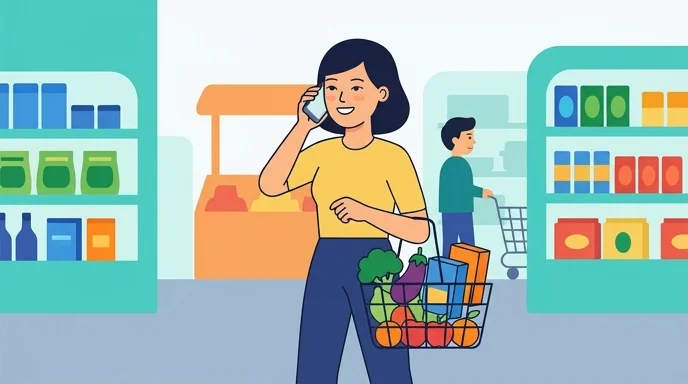
    買い物かいものをすることができます。できます

    B: I can go shopping.

  • B: Yes, we can.

  • A
    何時なんじから見るみることができますか。か

    A: From what time can we watch?

  • B
    7 しち時じから見るみることができます。できます

    B: We can watch from 7 o'clock.