
Japanese grammar · ≈ JLPT N5 · Beginner 3
て形tekei
link actions; form requests
「て形」 links actions, and with います can describe an ongoing activity or a habit.
How it works
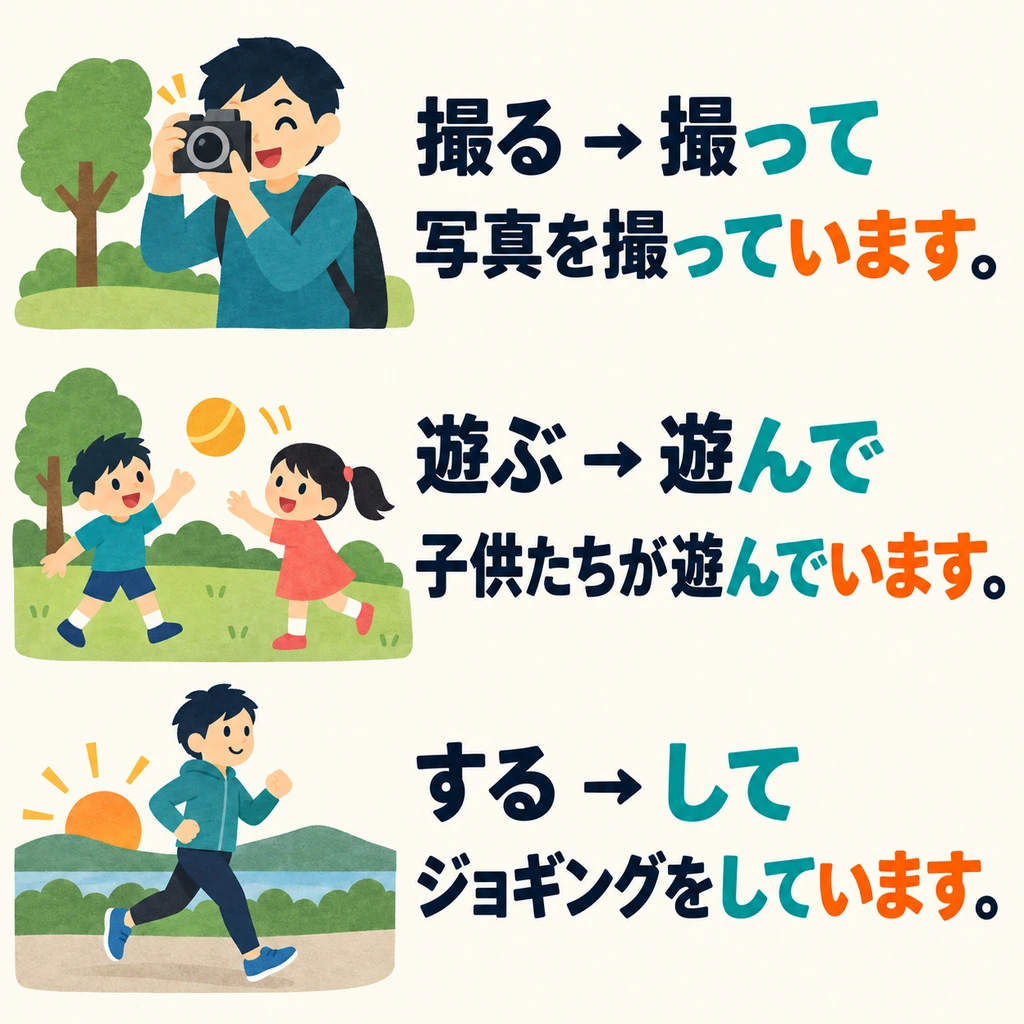
Find the actions in the picture. Adding います to the て form can describe what is happening now.
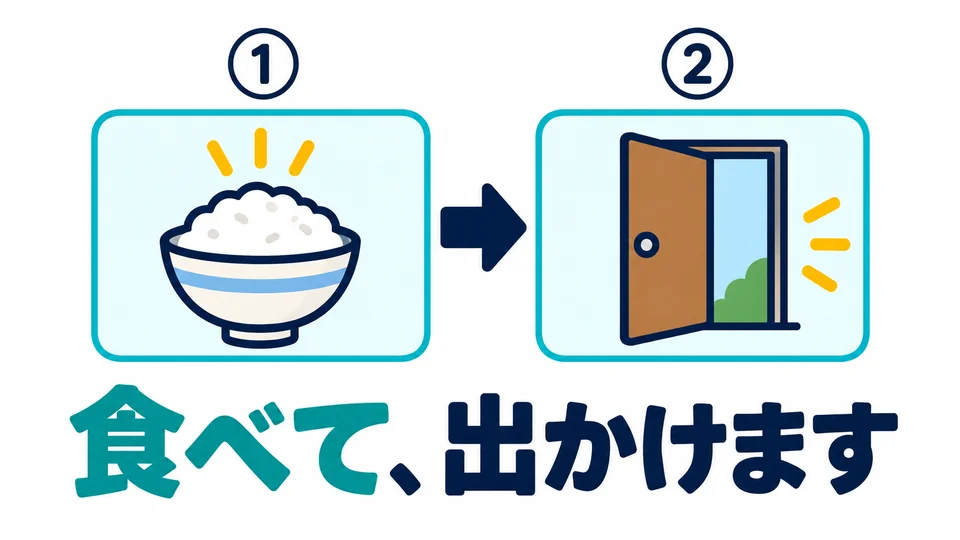
The て form also links actions in order, as in 「食べて、出かけます」. It does not express tense by itself.
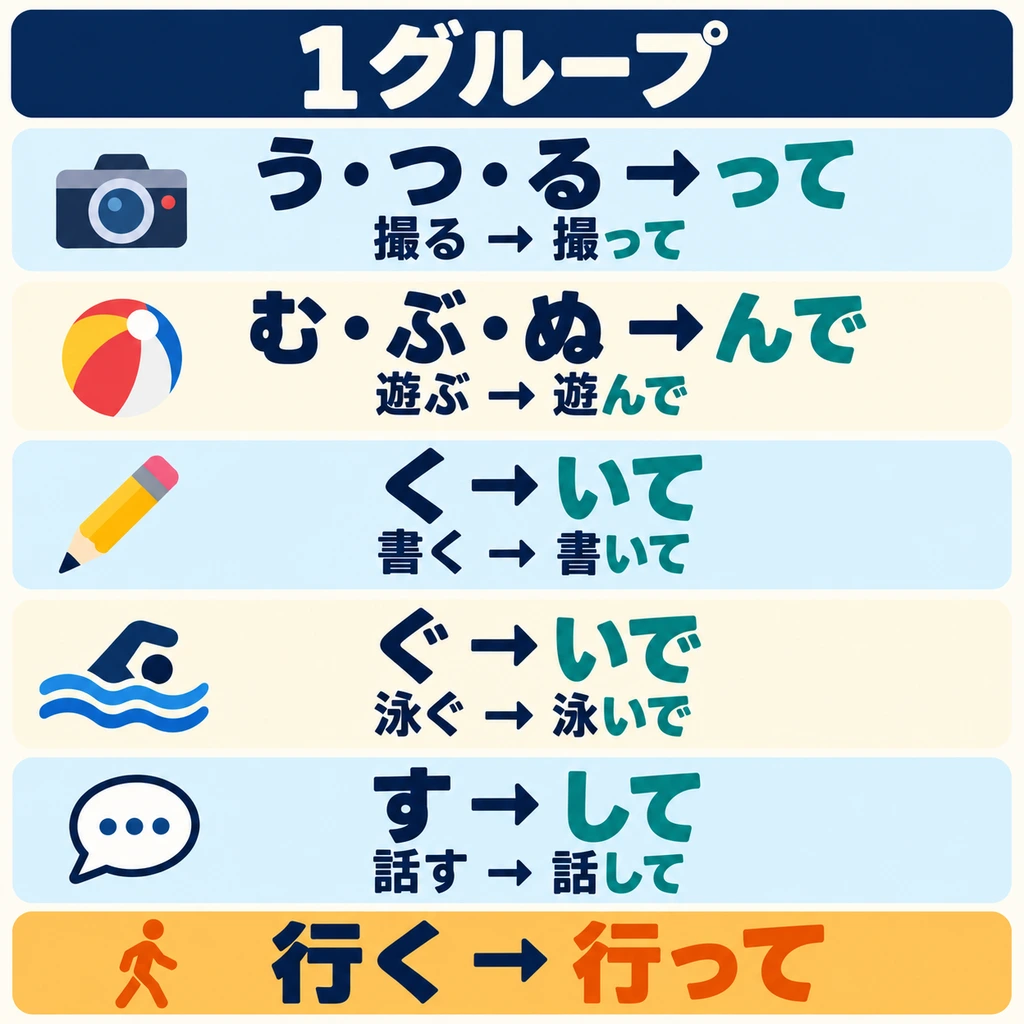
First check the verb group. For Group 1, use the dictionary-form ending to find the right change.
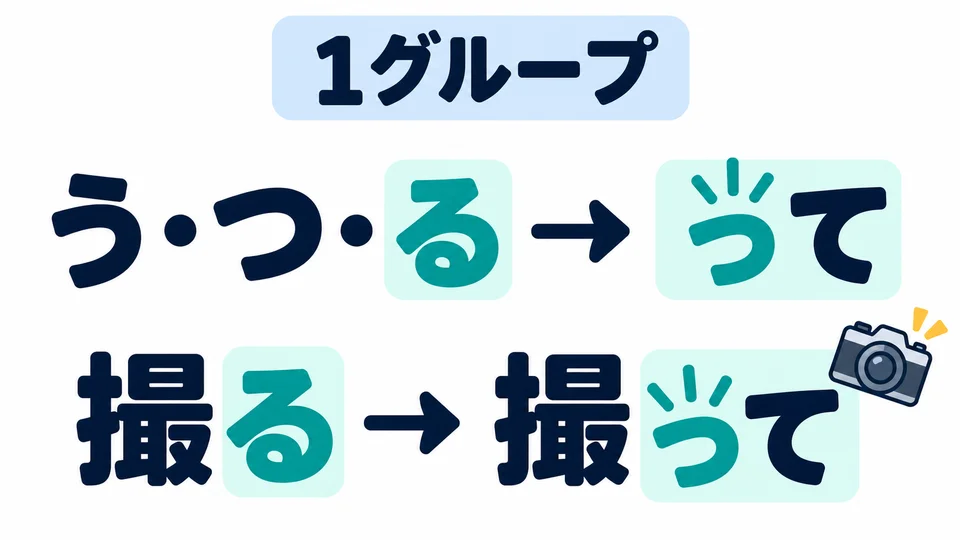
In Group 1, う, つ and る become って. For example, 「撮る→撮って」. Remember the small っ.
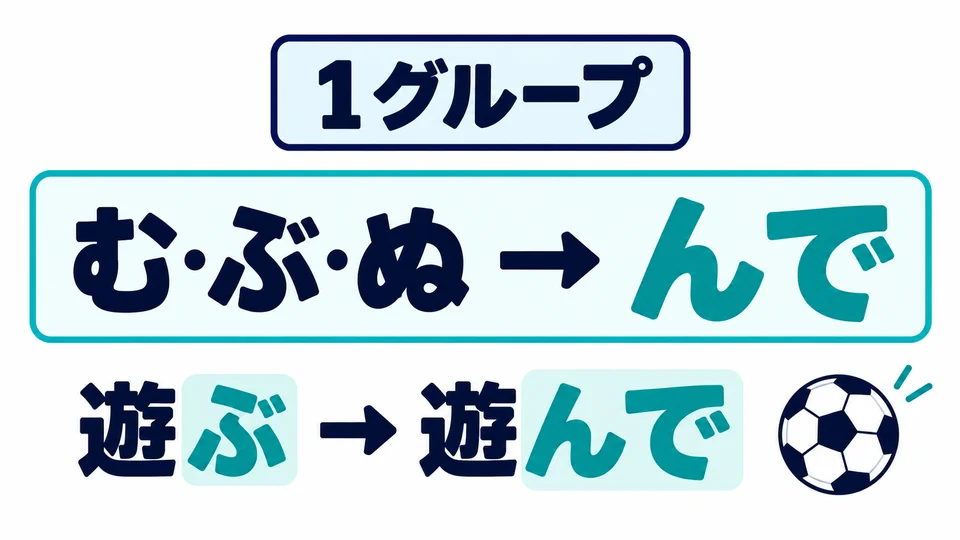
In Group 1, む, ぶ and ぬ become んで. For example, 「遊ぶ→遊んで」. Use で here.
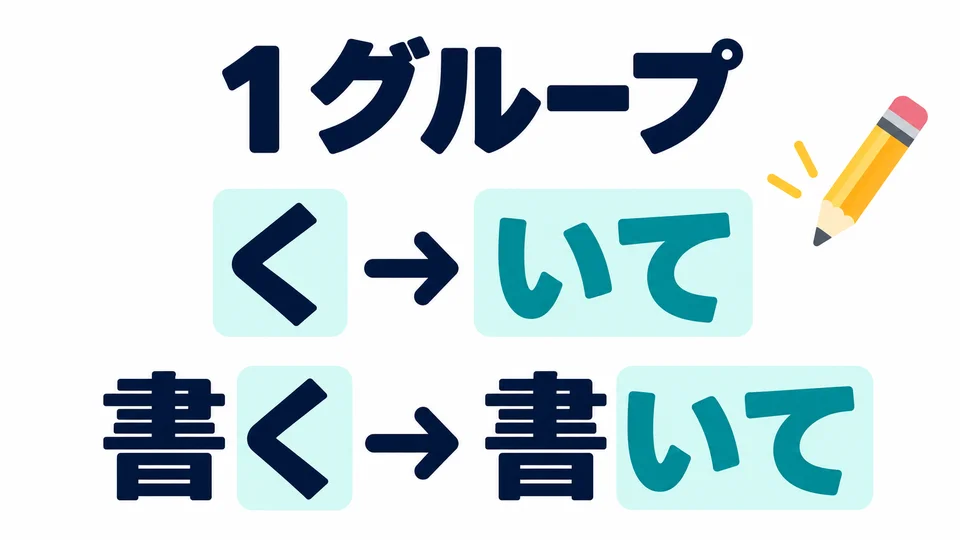
Group 1 verbs ending in く usually change to いて: 「書く→書いて」, not 「書くて」.
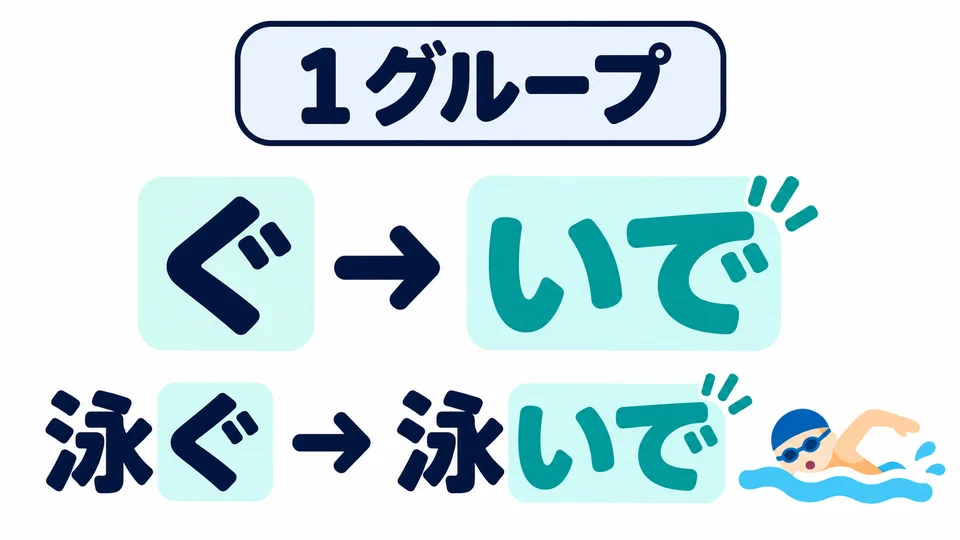
Group 1 verbs ending in ぐ change to いで: 「泳ぐ→泳いで」. Distinguish this from く → いて.
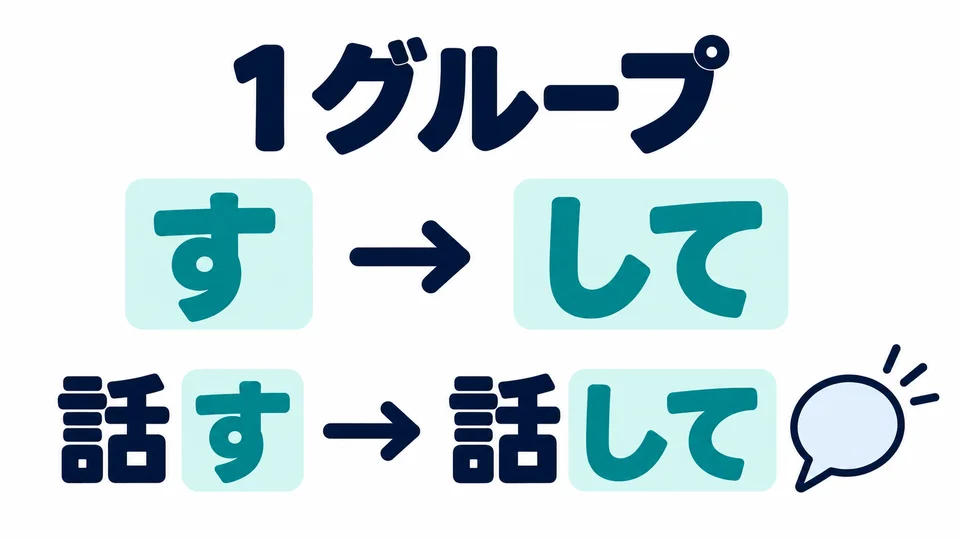
Group 1 verbs ending in す change to して: 「話す→話して」. Keep the stem before the ending.
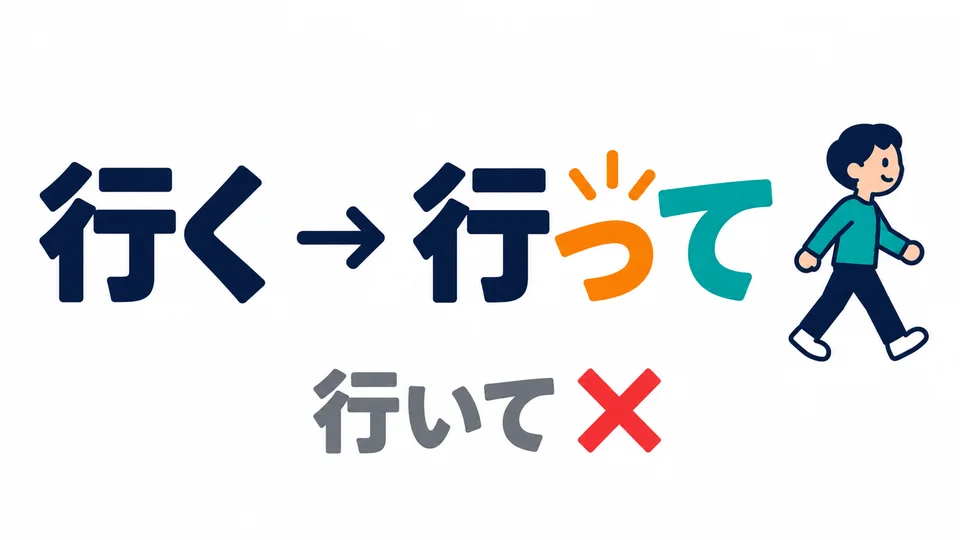
「行く」 is an exception: 行って. Do not apply the usual く rule and say 行いて.
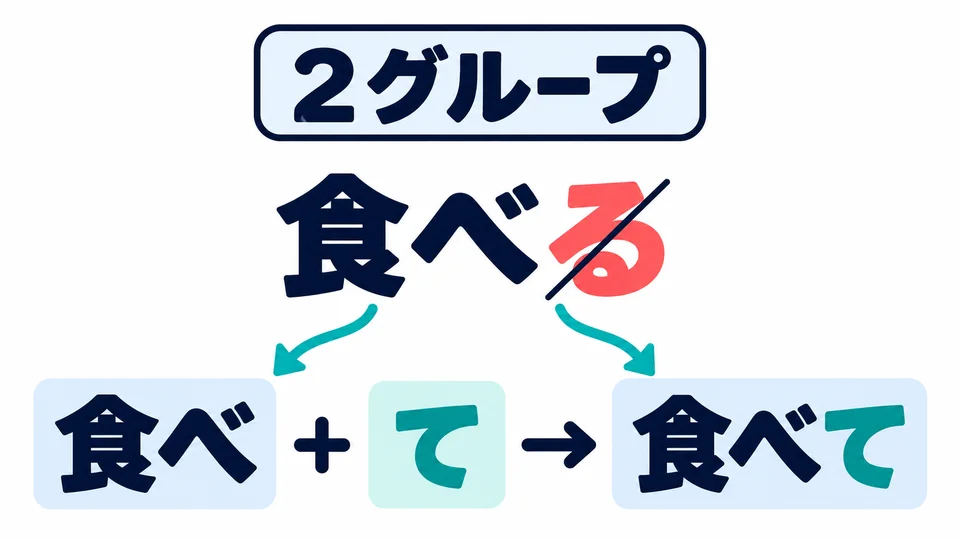
For Group 2, remove る and add て: 「食べる→食べて」. No small っ is needed.
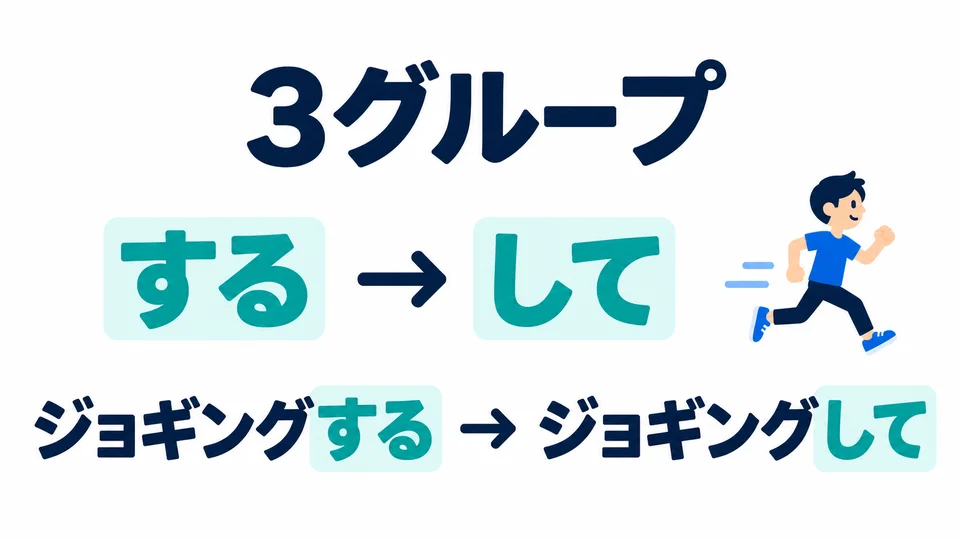
In Group 3, 「する→して」. The same applies to ジョギングする: ジョギングして.
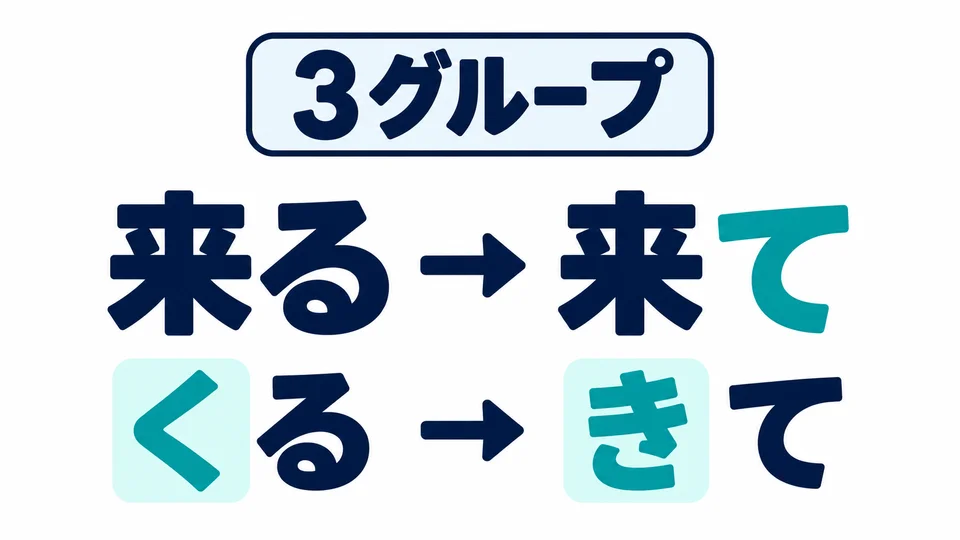
In Group 3, 「来る→来て」. The kanji stays the same, but the reading changes from くる to きて.
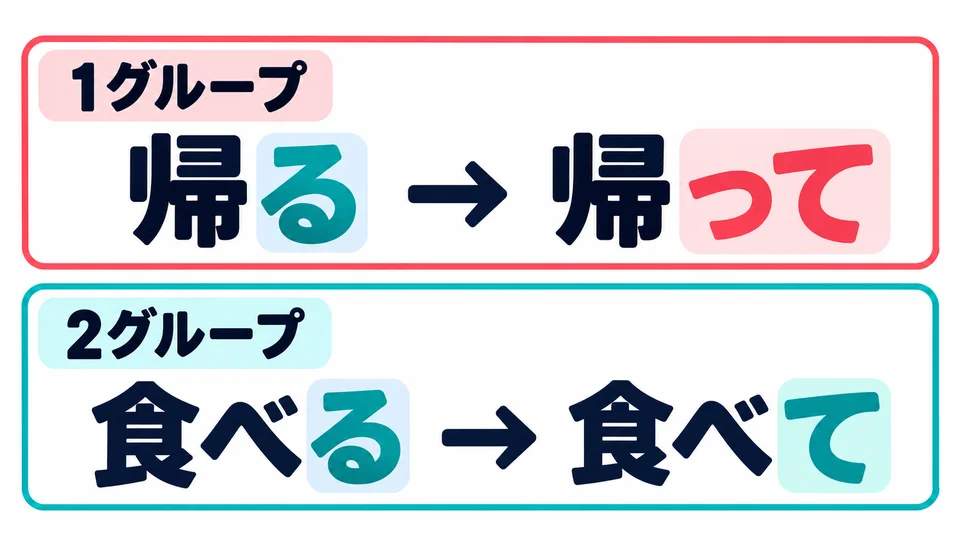
An ending in る does not always mean Group 2. 「帰る」 belongs to Group 1, so it becomes 帰って.
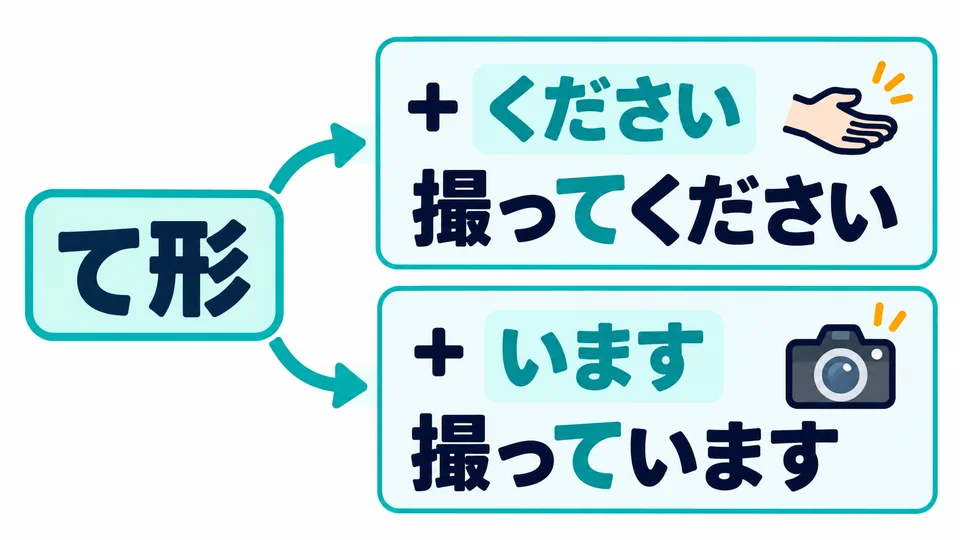
The て form connects expressions. Add ください for a request, or います to describe an activity.
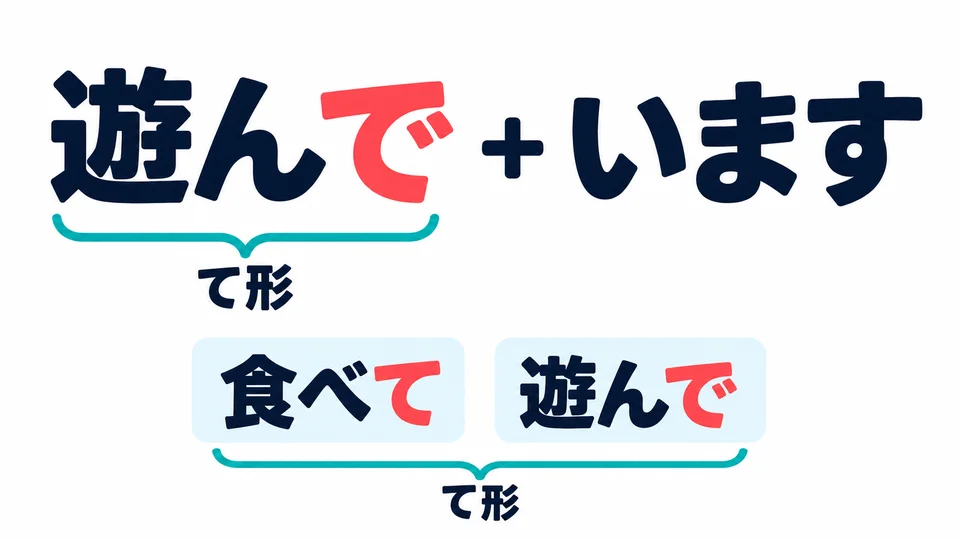
The で in the example 「遊んでいます」 is also part of the て form. This form does not always end in て.
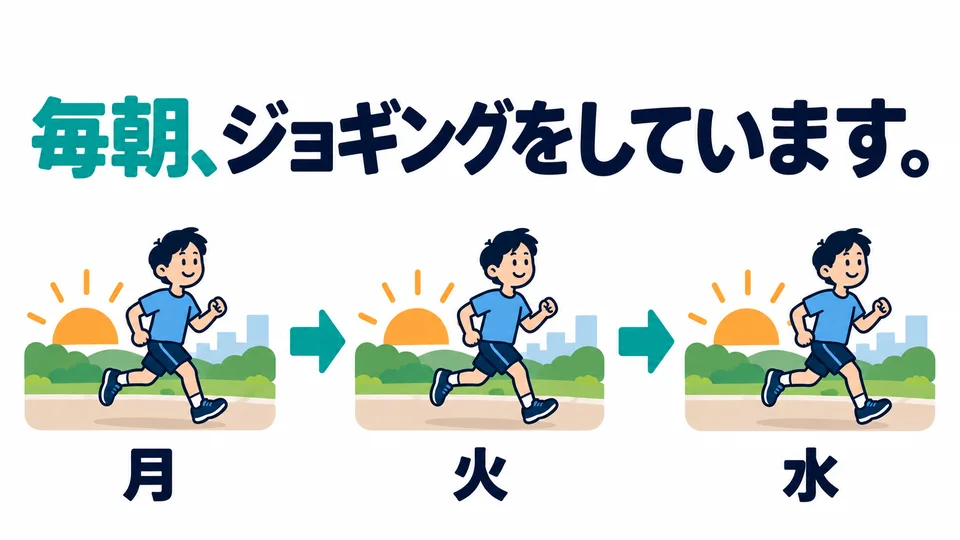
「毎朝」 signals a regular habit. Here, しています does not necessarily mean the speaker is jogging right now.
Example sentences
- 公園kouenでde子供たちkodomotachiがga遊んasonでdeいます。imasu
The children are playing in the park.
- 私watashi
In a conversation
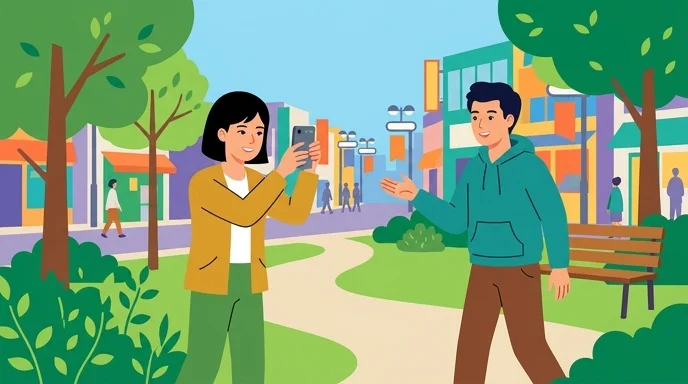
- A今、何をしていますか。
A: What are you doing now?
- B公園で写真を撮って
Check yourself
Level 1 · Recognise
Which sentence is correct?
Level 1 · Recognise
Listen and choose the meaning
Level 2 · Build
Put the words in order
Children are playing in the park.
Level 3 · Use
What goes in the blank?
公園で子供たちが います。
Children are playing in the park.
More grammar in this theme
- て形link actions; form requests