
Japanese grammar · ≈ JLPT N3 · Intermediate 3
〜かけだ/〜かけの/〜かける~kake da / ~kake no / ~kakeru
started but unfinished
Use 「〜かける」 for an action or change that has started but is not yet complete.
How it works
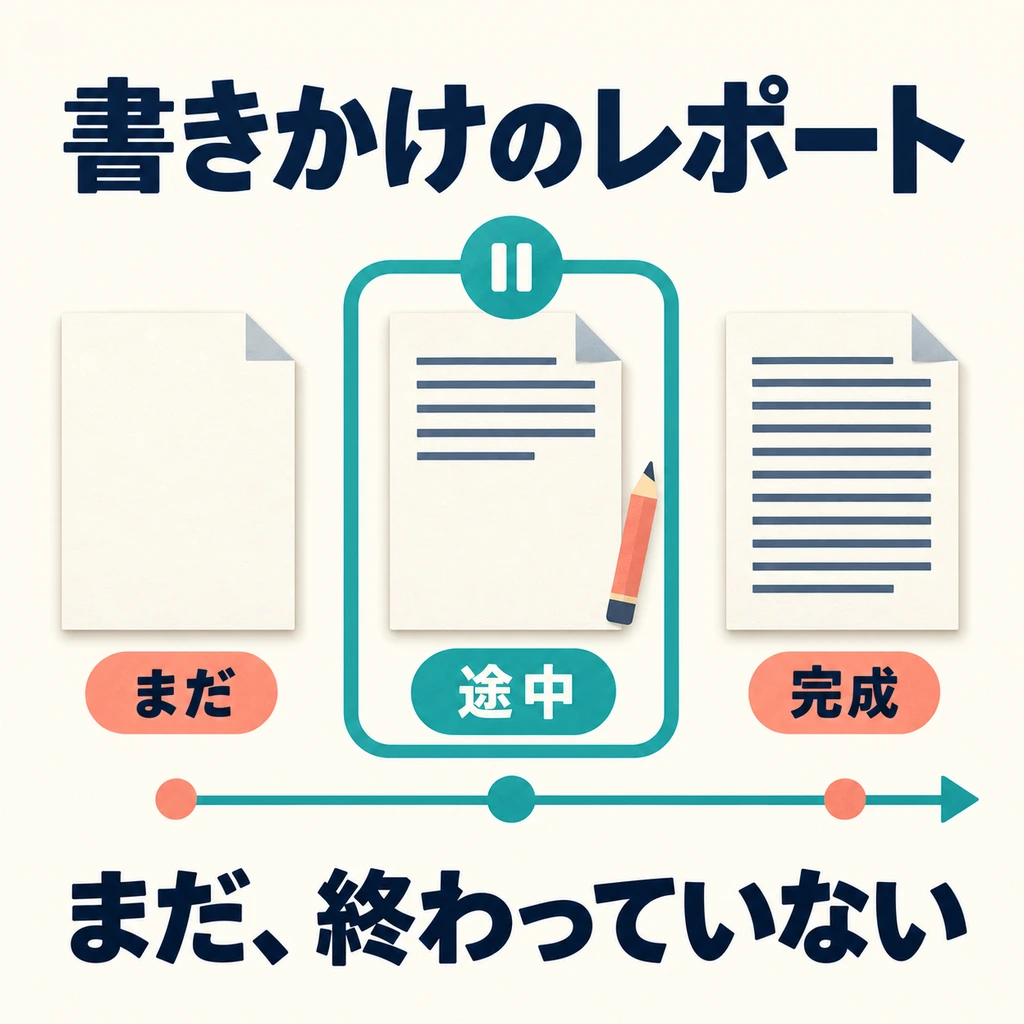
The report has been started but is still unfinished. 「書きかけ」 focuses on that unfinished state.
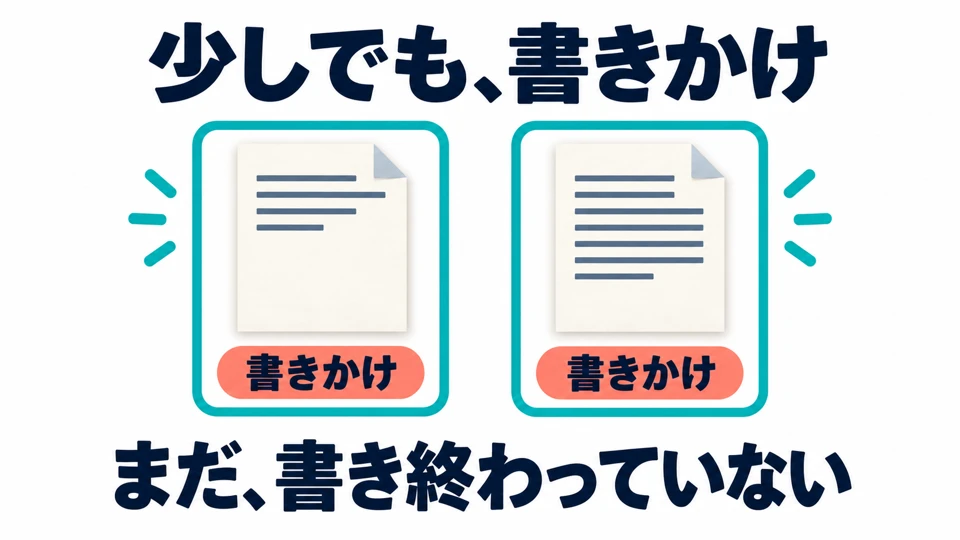
“Half-written” does not have to mean exactly halfway done. Even if only a little has been written, you can say 「書きかけ」.
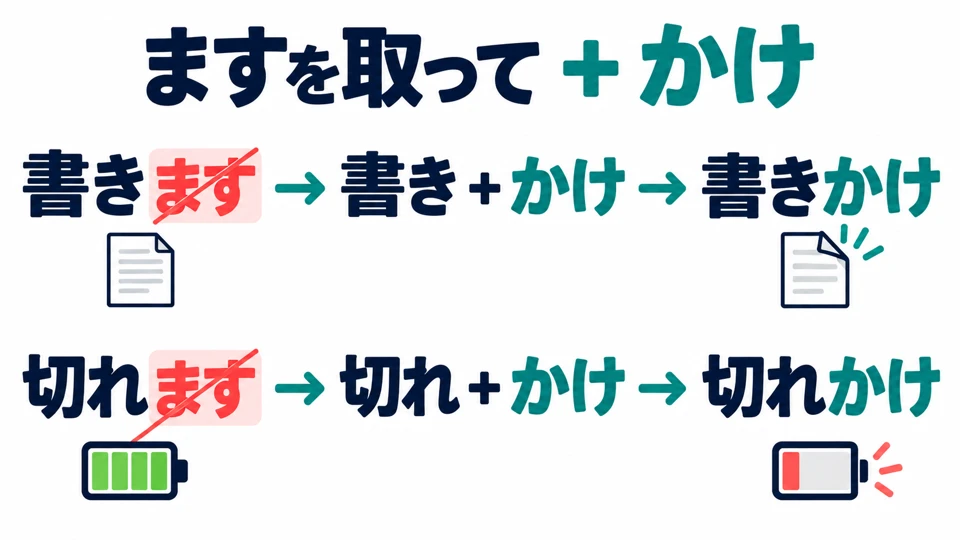
Remove 「ます」 from the verb and add 「かけ」: 書きます→書きかけ; 切れます→切れかけ.
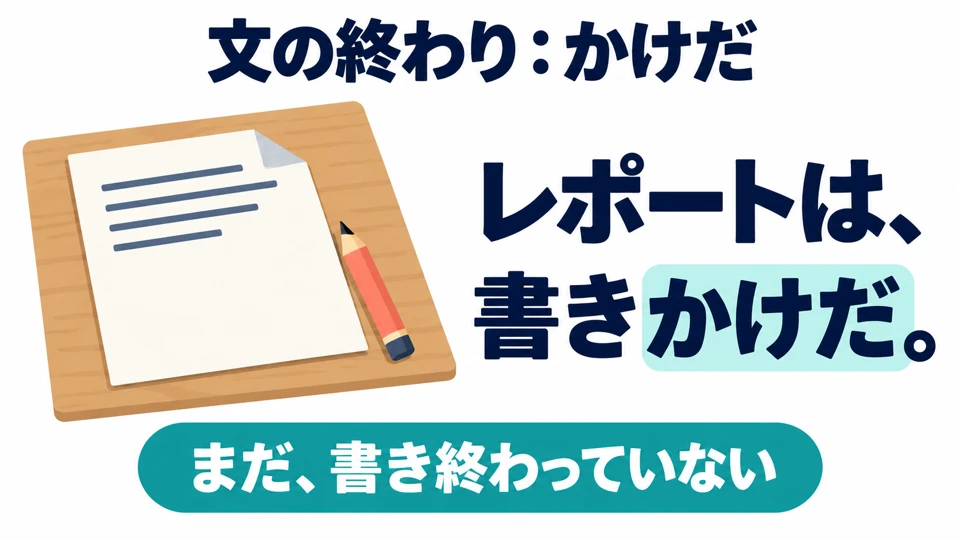
Use 「かけだ」 at the end of a sentence to describe an unfinished state. For example, 「書きかけだ」 means it is not finished being written.
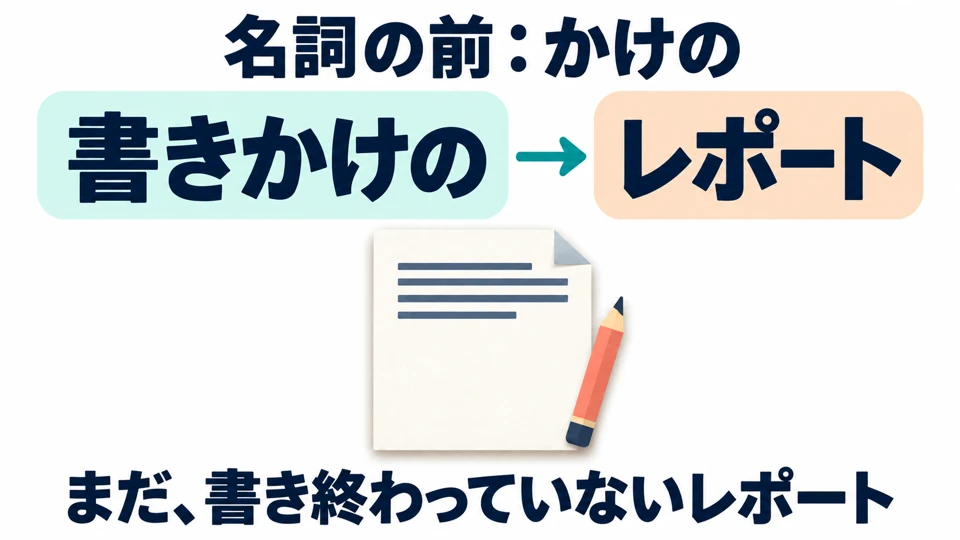
Use 「かけの」 before a noun. 「書きかけのレポート」 is a report that has been started but not finished.
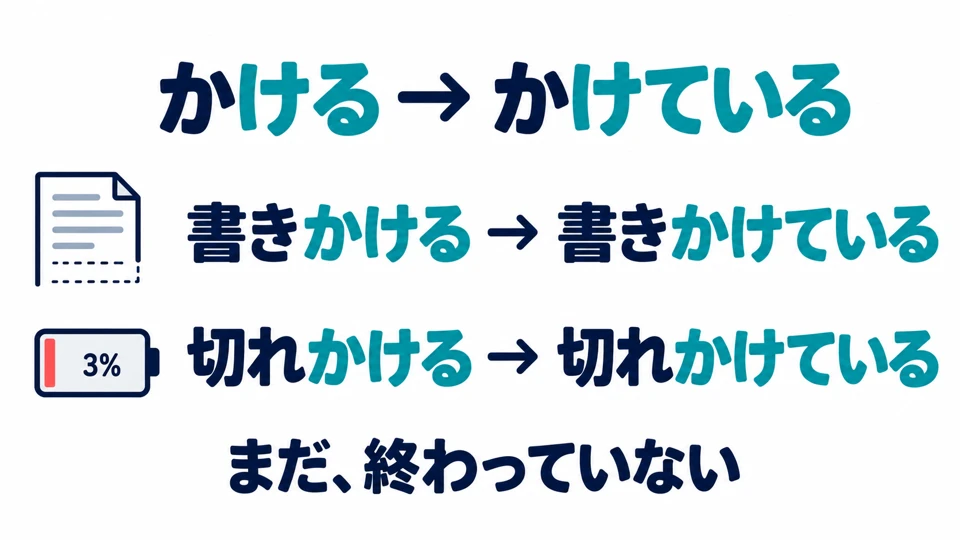
「かける」 is the verb form. It can become 「かけている」 to describe an action or change that is not yet complete.
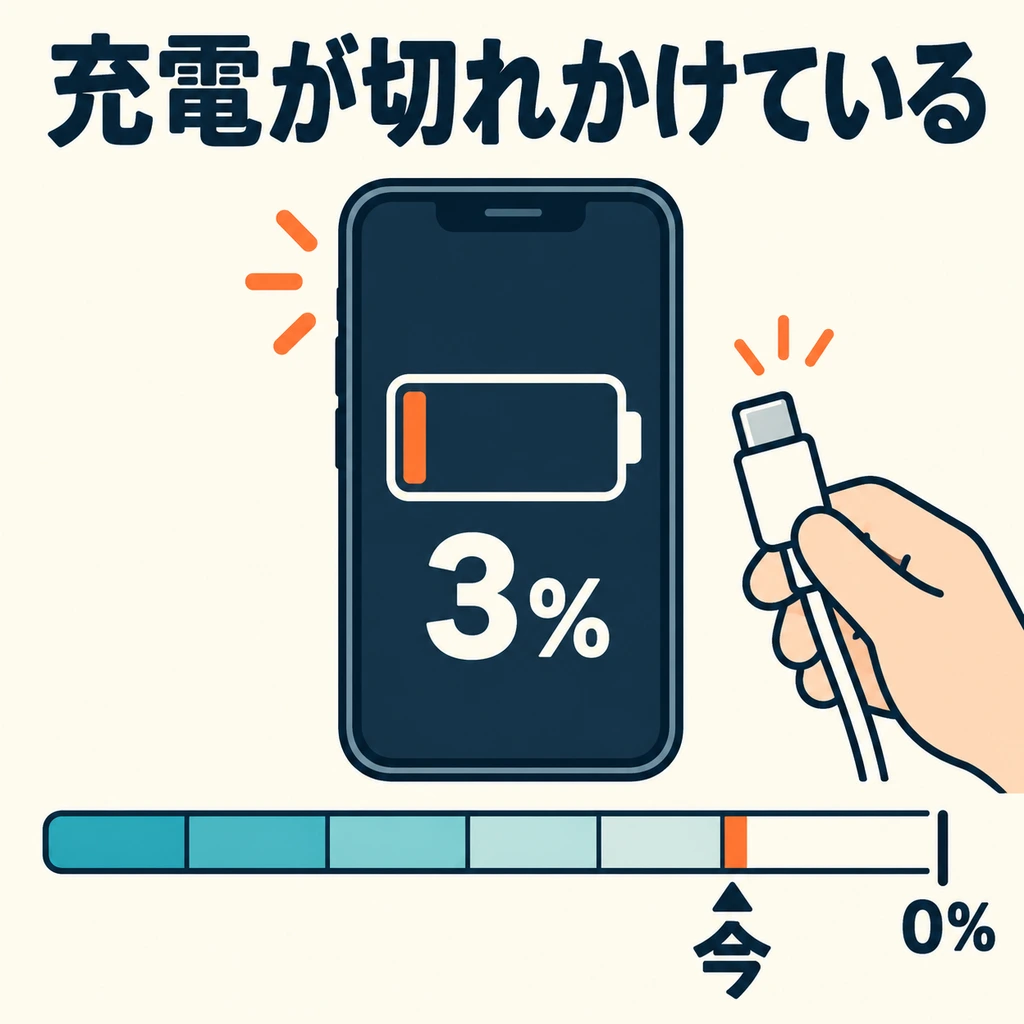
The battery still has 3% left and has not run out yet. 「切れかけている」 means it is almost out of power.
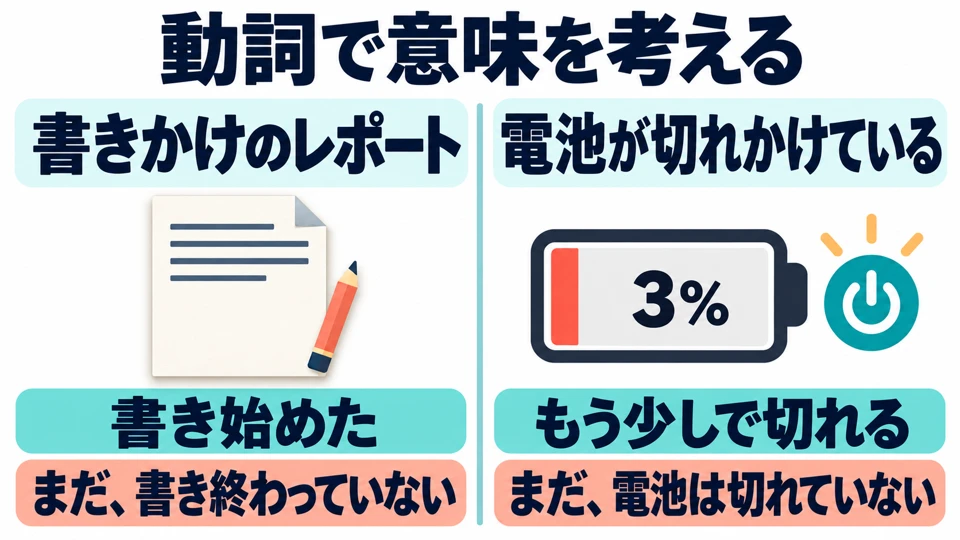
In the examples, the report has been started but is unfinished; the battery is almost empty but still has power. Use the verb to work out the meaning.
Example sentences
- 書きかけkakikakeのnoレポートrepootoがga保存hozonされないままsarenaimama消えkieてteしまいました。shimaimashita。
The report I was in the middle of writing disappeared without being saved.
In a conversation
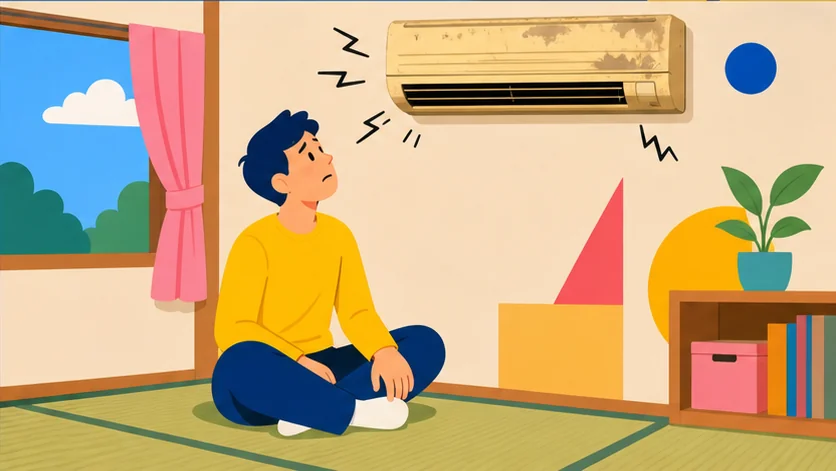
- Aこの使い古したエアコンは、もう壊れかけているようですね。
A: This worn-out air conditioner seems to be on the verge of breaking down.
- Bそうですね、
Check yourself
Level 1 · Recognise
Which sentence is correct?
Level 1 · Recognise
Listen and choose the meaning
Level 2 · Build
Put the words in order
The report I had been writing disappeared before it was saved.
Level 3 · Use
What goes in the blank?
書き____レポートが保存されないまま消えてしまいました。
The report I had only partly written disappeared before I saved it.
More grammar in this theme
- 〜かけだ/〜かけの/〜かけるstarted but unfinished