JPEdLab iconJPEdLab
Save history

Create an account and play

Explore first, then save your progress whenever you are ready. No email address is required.

Start free
  1. Japanese grammar
  2. JLPT N3 grammar
  3. 〜といえば

〜といえば~to ieba

To ieba (〜といえば) means “speaking of; typical association”.

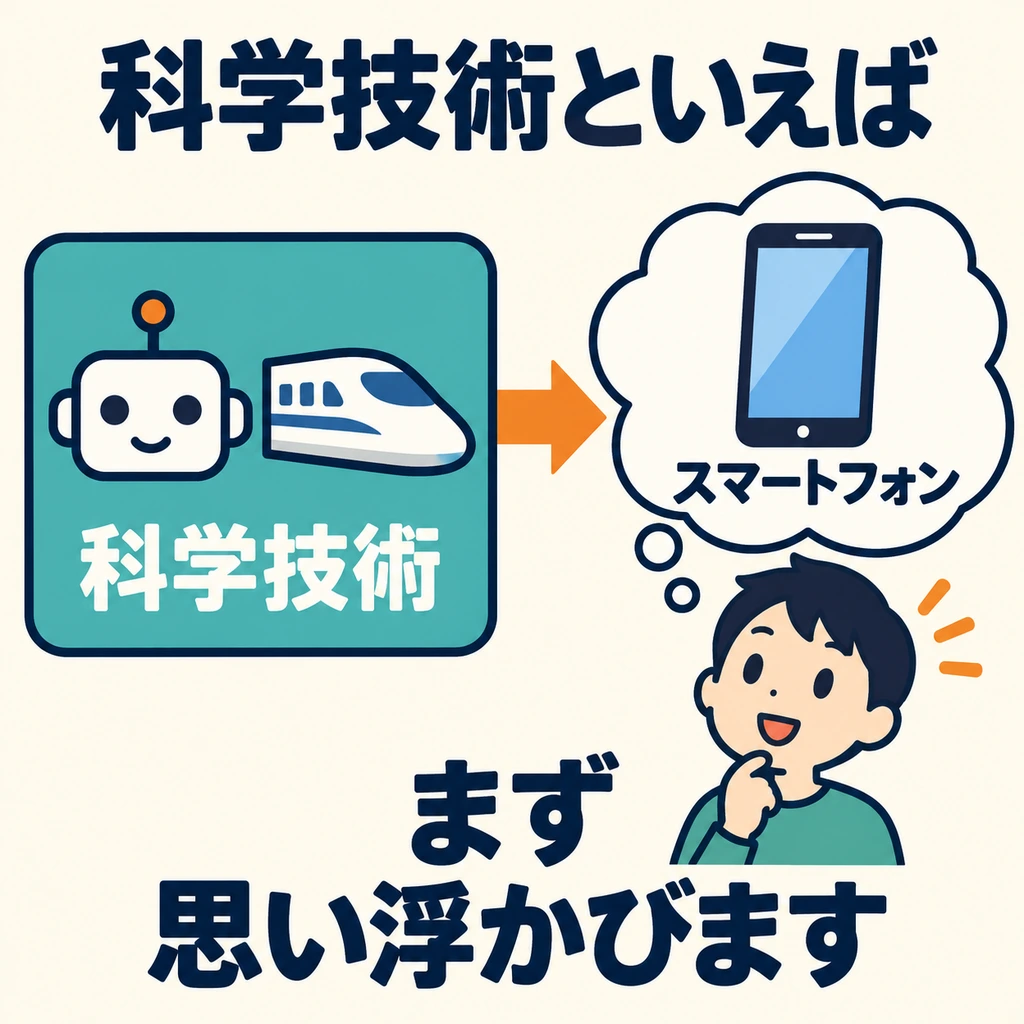
生活せいかつseikatsuにni役立つやくだつyakudatsu科学かがくkagaku技術ぎじゅつgijutsuとtoいえieば、ba、まずmazuスマートフォンすまーとふぉんsumaatofonがga思いおもいomoi浮かびます。うかびます。ukabimasu。

Speaking of science and technology that is useful in daily life, smartphones first come to mind.

「〜といえば」 introduces a typical example or a related topic that comes to mind.

In the course›

How it works

  1. When a topic comes up, use 「といえば」 to name a typical example it brings to mind.
    When a topic comes up, use 「といえば」 to name a typical example it brings to mind.

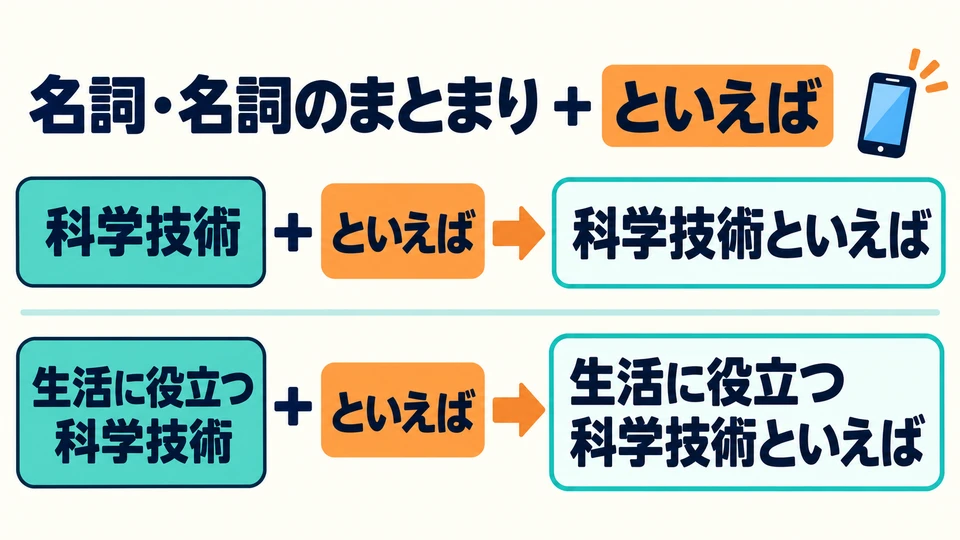
  2. Attach 「といえば」 to a noun or noun phrase, as in 「科学技術といえば」.
    Attach 「といえば」 to a noun or noun phrase, as in 「科学技術といえば」.

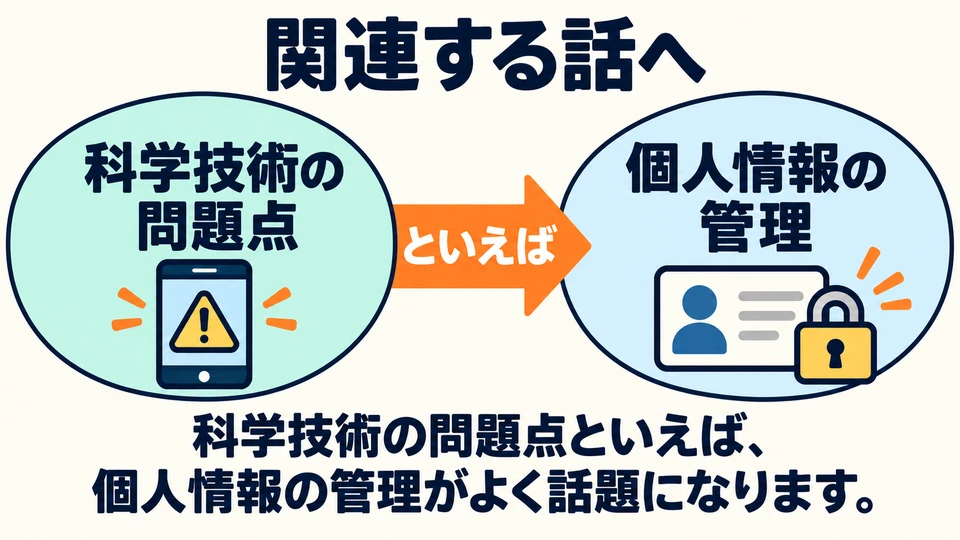
  3. It can also lead into a related subject: mention problems with science and technology, then discuss personal information management.
    It can also lead into a related subject: mention problems with science and technology, then discuss personal information management.

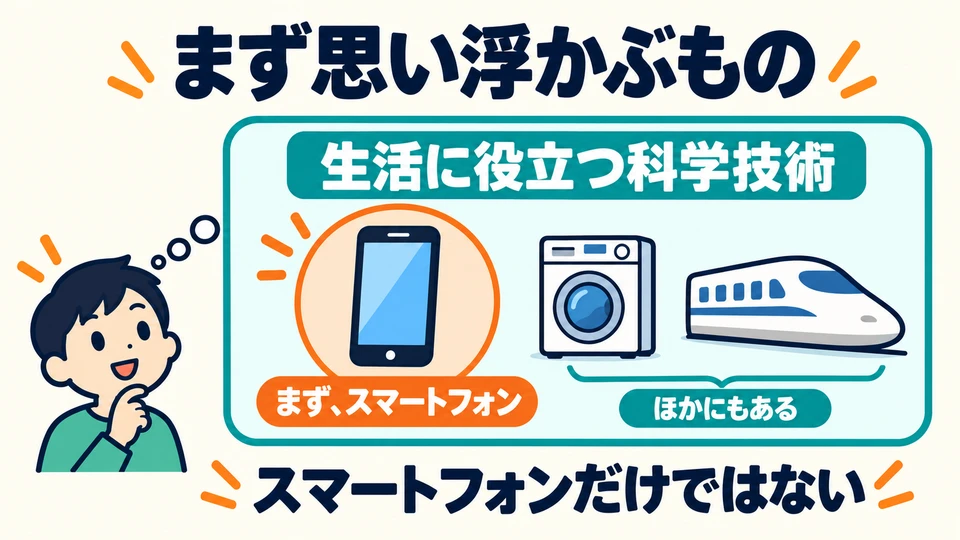
  4. In the example, 「まず」 highlights what comes to mind first. Naming smartphones does not mean they are the only form of science and technology.

    In the example, 「まず」 highlights what comes to mind first. Naming smartphones does not mean they are the only form of science and technology.

Example sentences

  • 生活せいかつseikatsuにni役立つやくだつyakudatsu科学かがくkagaku技術ぎじゅつgijutsuとtoいえieば、ba、まずmazuスマートフォンすまーとふぉんsumaatofonがga思いおもい

In a conversation

  • A
    最近さいきんの電車でんしゃの駅えきのサービスさーびすといえば、切符きっぷを使わないつかわない非接触ひせっしょくの改札かいさつが普通ふつう

Check yourself

  1. Level 1 · Recognise

    Which sentence is correct?

  2. Level 1 · Recognise

    Listen and choose the meaning

  3. Level 2 · Build

    Put the words in order

    Speaking of technology that is useful in daily life, smartphones are the first thing that comes to mind.

  4. Level 3 · Use

    What goes in the blank?

    生活に役立つ科学技術____、まずスマートフォンが思い浮かびます。

    Speaking of technology that helps with daily life, smartphones come to mind first.

More grammar in this theme

  • 〜といえばspeaking of; typical association

More JLPT N3 grammar

Keep practising

Test your Japanese vocabulary12 adaptive questions, freeCheck your pronunciationRead aloud and get a scorePractise verb forms10-question conjugation quizSee the whole courseGrammar, vocabulary and quizzes by theme
omoi
浮かびます。うかびます。ukabimasu。

Speaking of science and technology that is useful in daily life, smartphones first come to mind.

  • 科学かがくkagaku技術ぎじゅつgijutsuのno問題もんだいmondai点てんtenとtoいえieば、ba、個人こじんkojin情報じょうほうjouhouのno管理かんりkanriがgaよくyoku話題わだいwadaiにniなります。narimasu。

    Speaking of the problems with science and technology, the management of personal information is often discussed.

  • になりました
    ね。

    A: Speaking of recent services at train stations, contactless ticket gates that don't require tickets have become common, haven't they?

  • B
    そうですね。切符きっぷを機械きかいに入れるいれる手間てまが省けはぶけて、とても効率的こうりつてきになりました。

    B: That's true. It saves the trouble of putting tickets into the machine, making it very efficient.

  • A
    電子でんし決済けっさいも普及ふきゅうしていますし、どんどん便利べんりになっていきますね。

    A: Electronic payment is also becoming popular, and it's getting more and more convenient.

  • Intermediate 3
    Science, Technology, and Society
    More quizzesOpen this lesson’s quizzes in the course
    〜というとtopic association
    〜べきだ/〜べきではないshould / should not
    〜ほど〜はないnothing is as … as
    〜(より)ほかない/〜(より)ほかしかたがないhave no other choice
    〜(っ)きり/〜(っ)きりだunchanged since then
    〜最中にright in the middle of
    〜かけだ/〜かけの/〜かけるstarted but unfinished
    〜ざるを得ないhave no choice but to
    〜を契機にas a trigger for change
    〜をめぐってconcerning an issue
    〜上のrelated to an aspect
    〜上from a certain perspective
    Next〜というと
    See all 114
    〜一方でwhile also showing another side
    〜と同時にat the same time; while also
    〜によって・〜により・〜によるby means of; due to
    どちらかというと〜・どちらかといえば〜if I had to choose; rather
    〜ものだ・〜もんだas things usually are
    〜ないことはない・〜ないこともないqualified yes; not impossible
    〜も〜ば、〜もlisting different situations
    〜きる・〜きれるfinish completely; be able to finish