JPEdLab iconJPEdLab
Save history

Create an account and play

Explore first, then save your progress whenever you are ready. No email address is required.

Start free
  1. Japanese grammar
  2. JLPT N4 grammar
  3. 〜はちょっと…

〜はちょっと…~ wa chotto...

Wa chotto... (〜はちょっと…) means “soft, indirect refusal”.

日曜にちようnichiyou日びbiはわwaちょっと、、、ちょっとchotto

Sunday is a bit difficult...

Use 「〜はちょっと…」 to gently decline a specific day or food while leaving the refusal implied.

In the course›

How it works

  1. When you receive an invitation but it is inconvenient, you can decline gently like this. Look at her reply in the picture.
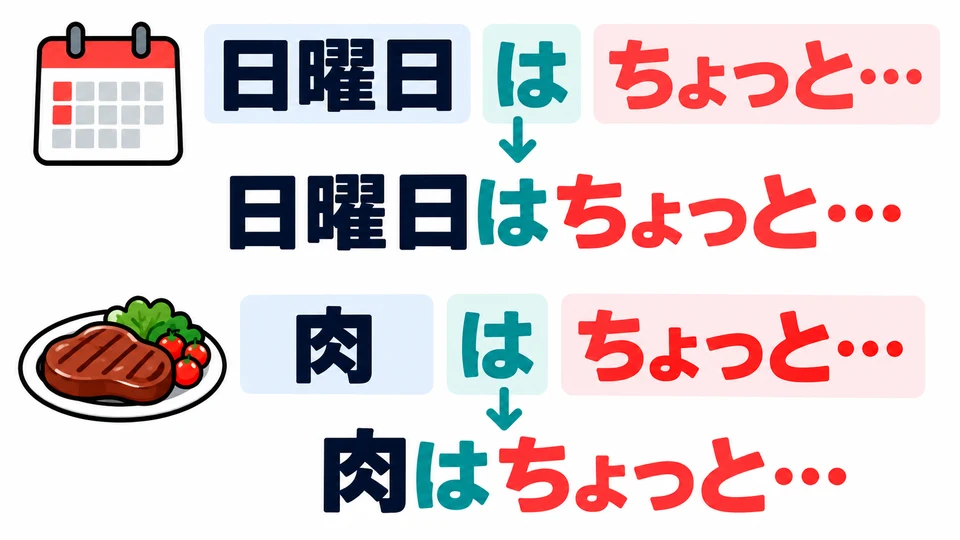
    When you receive an invitation but it is inconvenient, you can decline gently like this. Look at her reply in the picture.

  2. Put the day that does not work for you, or the food you do not want, before 「は」, then add 「ちょっと…」.
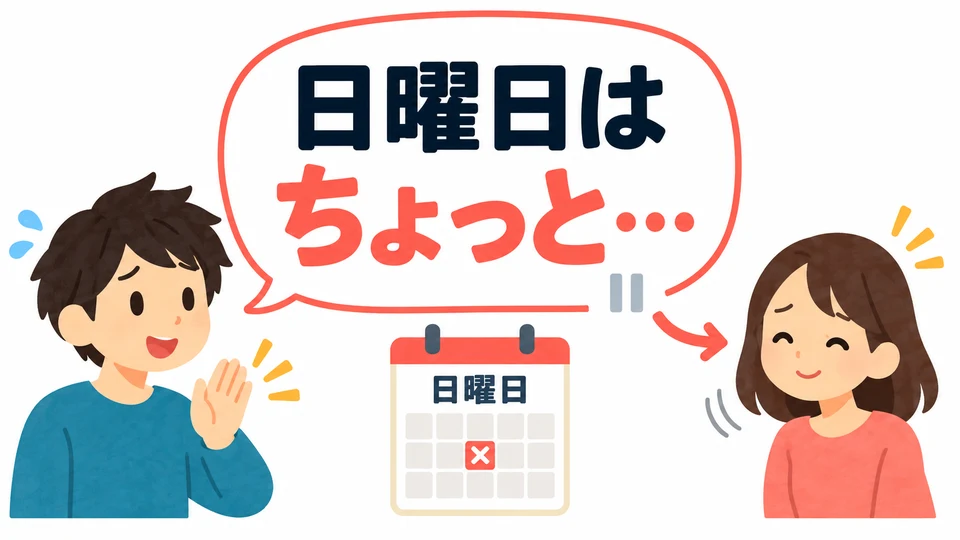
    Put the day that does not work for you, or the food you do not want, before 「は」, then add 「ちょっと…」.

  3. Stop at 「ちょっと…」 and leave the refusal unsaid. The other person can still understand what you mean.
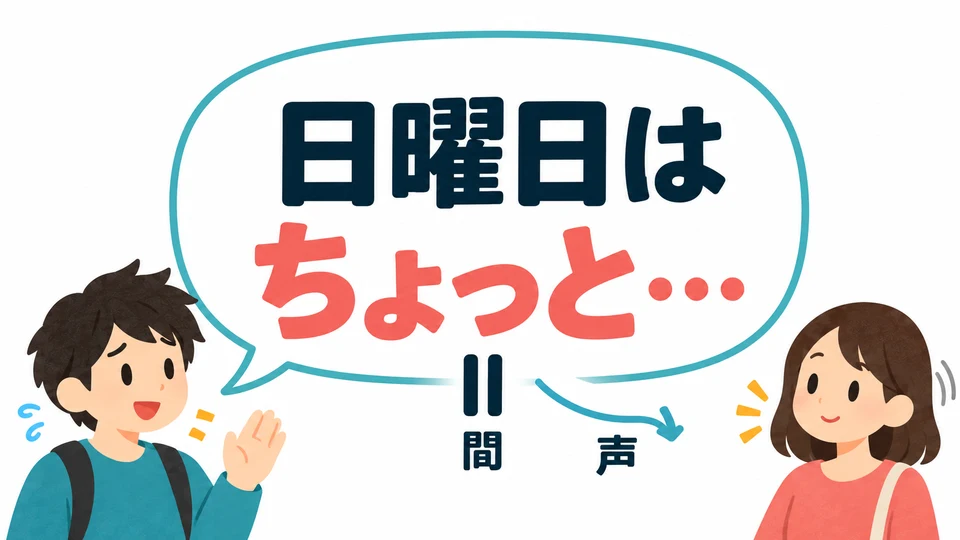
    Stop at 「ちょっと…」 and leave the refusal unsaid. The other person can still understand what you mean.

  4. Pause briefly at 「ちょっと…」 and use a gentle tone to make your refusal sound softer.
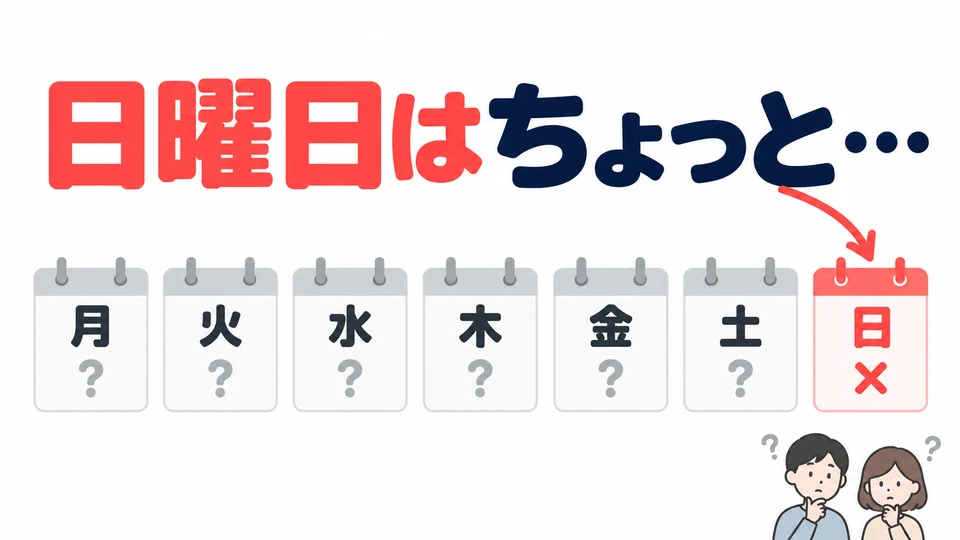
    Pause briefly at 「ちょっと…」 and use a gentle tone to make your refusal sound softer.

  5. In the example, 「日曜日は」 only says that Sunday does not work. It does not necessarily turn down an invitation for another day.
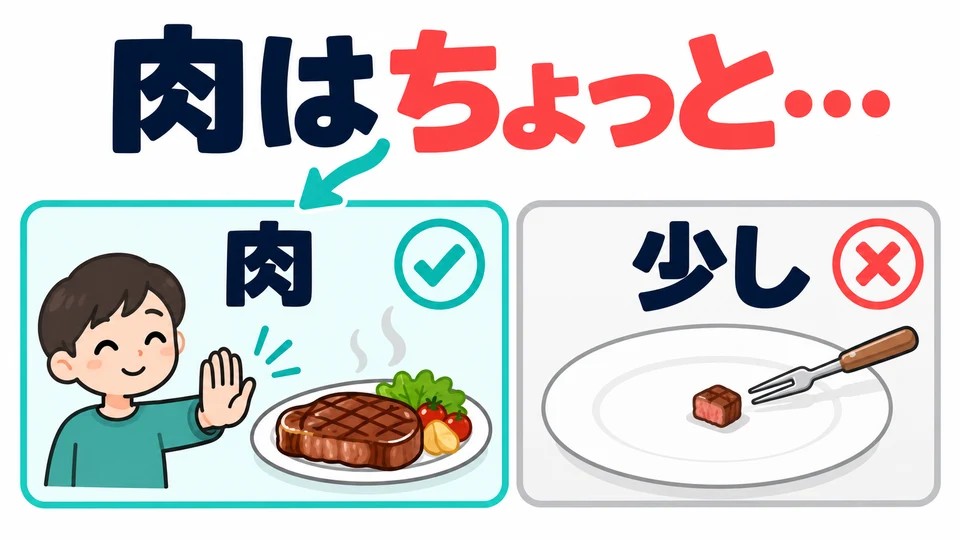
    In the example, 「日曜日は」 only says that Sunday does not work. It does not necessarily turn down an invitation for another day.

  6. 「肉はちょっと…」 politely declines eating meat. It does not mean that you only want a little meat.

    「肉はちょっと…」 politely declines eating meat. It does not mean that you only want a little meat.

Example sentences

  • 日曜にちようnichiyou日びbiはわwaちょっと、、、ちょっとchotto

    Sunday is a bit difficult...

  • 肉にくnikuはわwaちょっと、、、ちょっとchotto

    Meat is a bit... (I'd rather not)

In a conversation
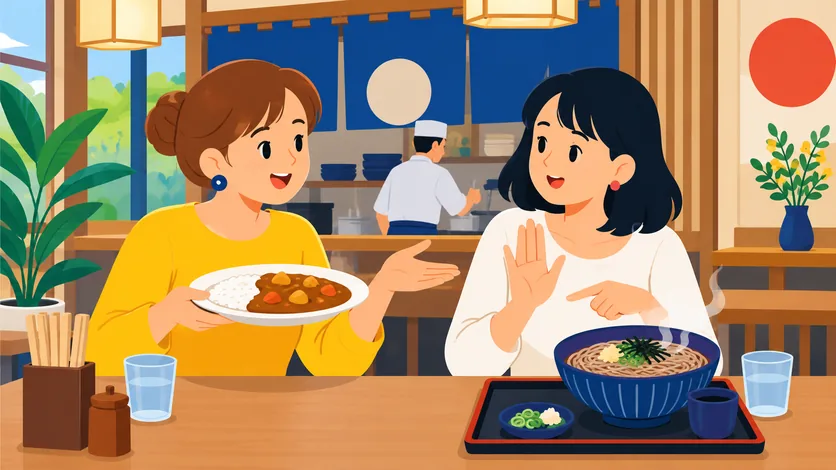
  • A
    カレーかれーを食べたべに行きませんいきませんか。か

    A: Would you like to go out for curry?

  • B
    カレーかれーはわちょっと、、、ちょっと蕎麦そばはわどうです

Check yourself

  1. Level 1 · Recognise

    Which sentence is correct?

  2. Level 1 · Recognise

    Listen and choose the meaning

  3. Level 2 · Build

    Put the words in order

    Curry is a bit... how about soba?

  4. Level 3 · Use

    What goes in the blank?

     肉の料理はどうですか。

    Fish is a bit... How about a meat dish?

More grammar in this theme

  • 〜はちょっと…soft, indirect refusal

More JLPT N4 grammar

Keep practising

Test your Japanese vocabulary12 adaptive questions, freeCheck your pronunciationRead aloud and get a scorePractise verb forms10-question conjugation quizSee the whole courseGrammar, vocabulary and quizzes by theme
か。か

B: Curry is a bit... How about soba?

  • A
    いいですね。ねじゃあ、じゃあそばを食べたべに行きましょう。いきましょう

    A: That sounds good. Well then, let's go eat soba.

    • A
      今夜、こんや肉にく料理りょうりを食べませんたべませんか。か

      A: Would you like to eat meat dishes tonight?

    • B
      肉にくはわちょっと、、、ちょっと魚さかなの料理りょうりはわどうですか。か

      B: Meat is a bit... How about fish dishes?

    • A
      いいですね。ね魚さかなにしましょう。しましょう

      A: That sounds good. Let's go with fish.

    • A
      土曜どよう日びにフェスティバルふぇすてぃばるに行きませんいきませんか。か

      A: Would you like to go to a festival on Saturday?

    • B
      土曜どよう日びはわちょっと、、、ちょっと日曜にちよう日びはわどうですか。か

      B: Saturday is a bit difficult... How about Sunday?

    • A
      日曜にちよう日びもいいです。いいですじゃあ、じゃあ日曜にちよう日びに行きましょう。いきましょう

      A: Sunday is fine too. Well then, let's go on Sunday.

    Beginner 1
    Appointments
    More quizzesOpen this lesson’s quizzes in the course
    〜ませんか/〜ましょうinvite, suggest, or agree
    〜で〜がありますevent at a place; something exists
    〜で〜がいちばん〜ですthe most within a range
    〜と〜とどちらが〜ですかwhich of two is more
    〜は〜より〜ですcomparison: more than
    もう〜ましたかask if already done
    〜はどうですかhow about this option
    〜よ/〜ねshare or confirm information
    Previous〜ませんか/〜ましょう
    Next〜で〜があります
    See all 138
    もらいますreceive: get from someone
    くれますsomeone gives to me/us
    趣味は〜ことですhobby: activity as a noun
    〜てきますgo and come back
    〜が見えます/聞こえますunintentional seeing or hearing
    〜てcasual request or invitation
    〜んですexplaining a situation
    どうしたんですかasking what’s wrong