JPEdLab iconJPEdLab
Save history

Create an account and play

Explore first, then save your progress whenever you are ready. No email address is required.

Start free
  1. Japanese grammar
  2. JLPT N3 grammar
  3. 〜のは、〜です

〜のは、〜です~no wa, ~desu

No wa, desu (〜のは、〜です) means “highlighting or evaluating”.

人気にんきninkiがgaあるaruのnoは、わwaこのkono場所ばしょbashoです。ですdesu

This place is the one that's popular.

Use 〜のは、〜です to highlight an answer or make an action the topic of an evaluation.

In the course›

How it works

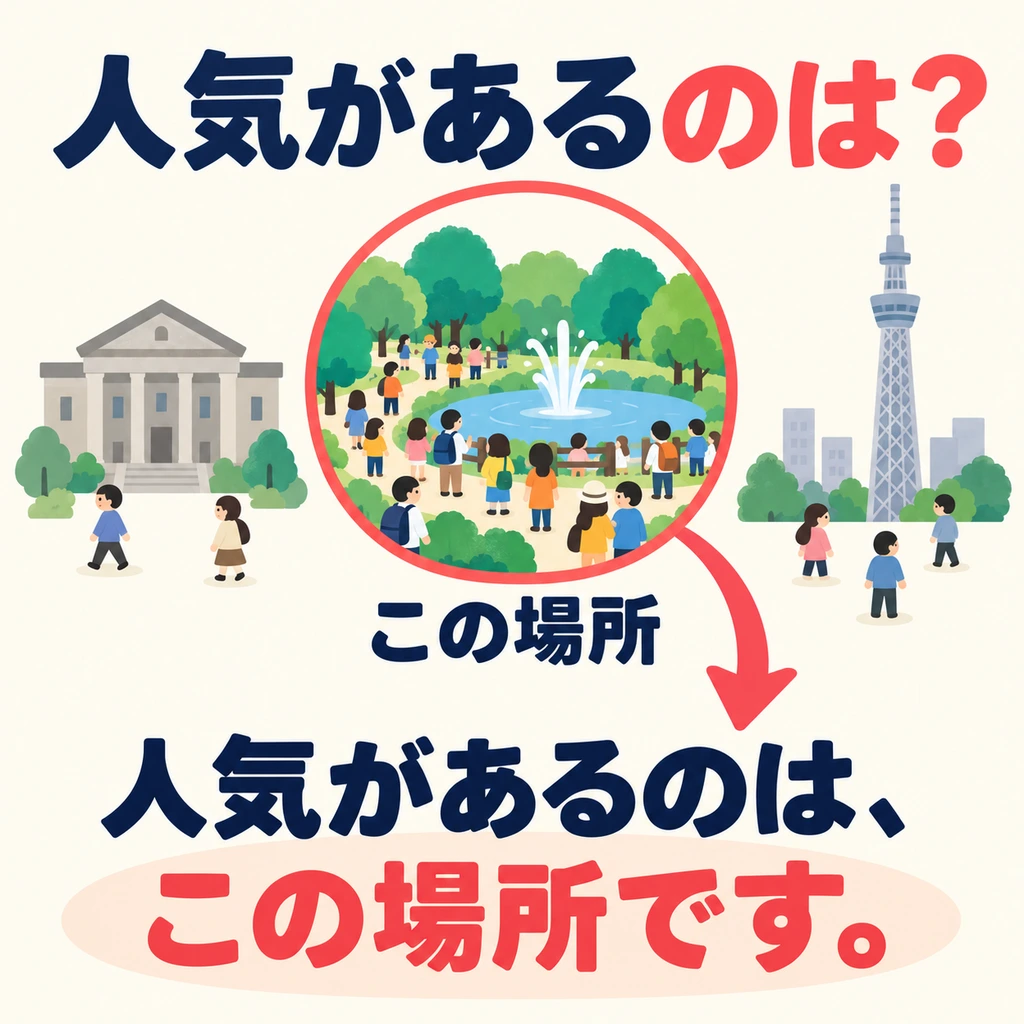
  1. Which place in the picture is most popular? With “~のは、~です”, put the answer you want to highlight in the second half.
    Which place in the picture is most popular? With “~のは、~です”, put the answer you want to highlight in the second half.

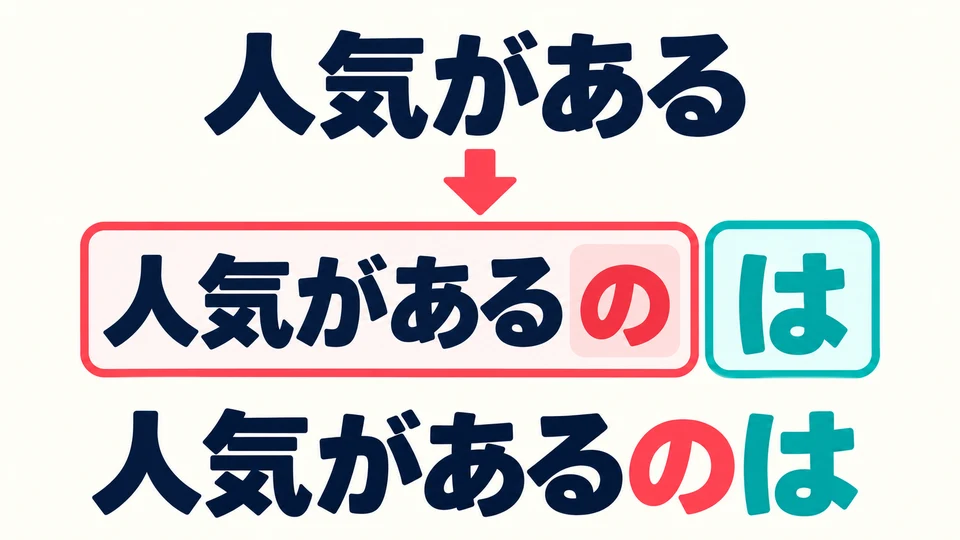
  2. “の” turns “人気がある” into a noun-like unit; “は” then marks it as the topic.
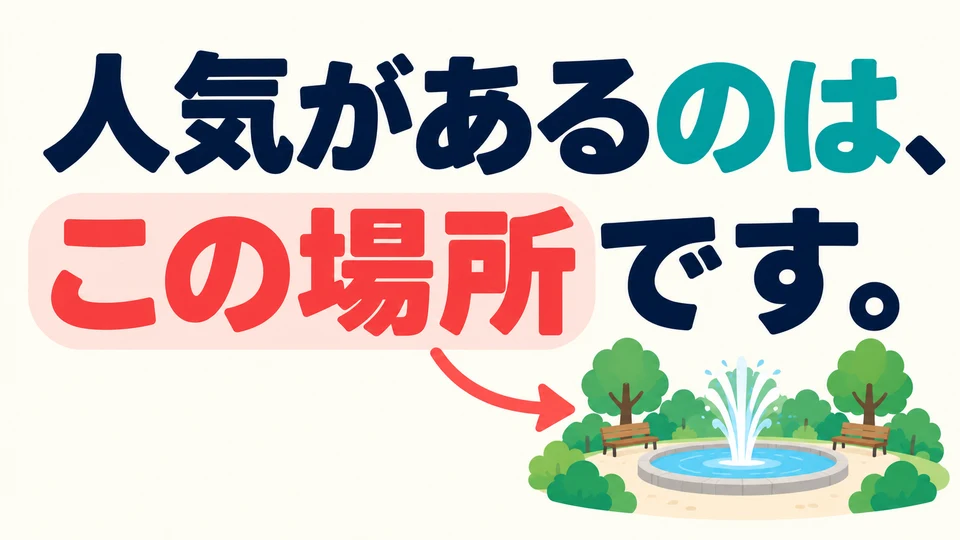
    “の” turns “人気がある” into a noun-like unit; “は” then marks it as the topic.

  3. “人気があるのは、この場所です。” first says “the place that is popular”, then identifies which place it is.
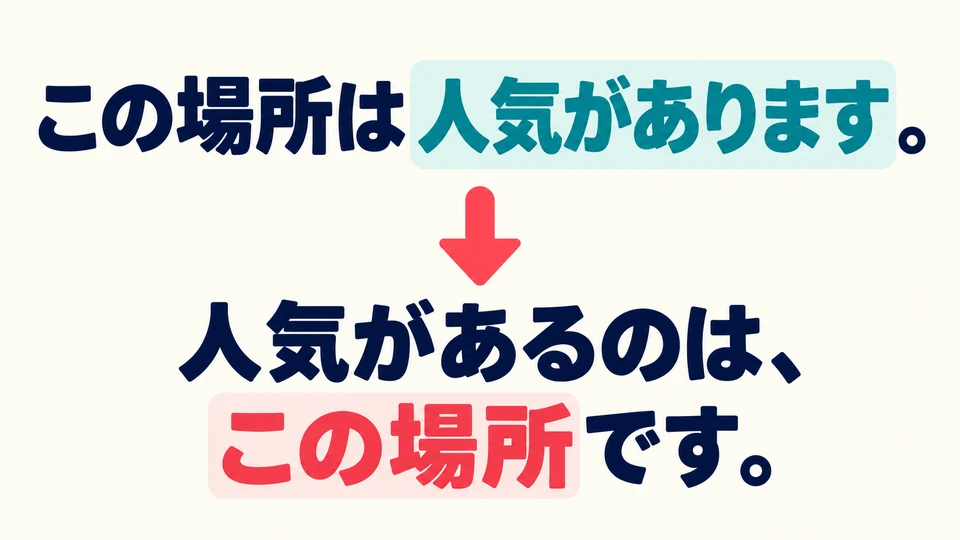
    “人気があるのは、この場所です。” first says “the place that is popular”, then identifies which place it is.

  4. “この場所は人気があります。” describes this place. In the “のは” version, the focus is on “this place”.
    “この場所は人気があります。” describes this place. In the “のは” version, the focus is on “this place”.

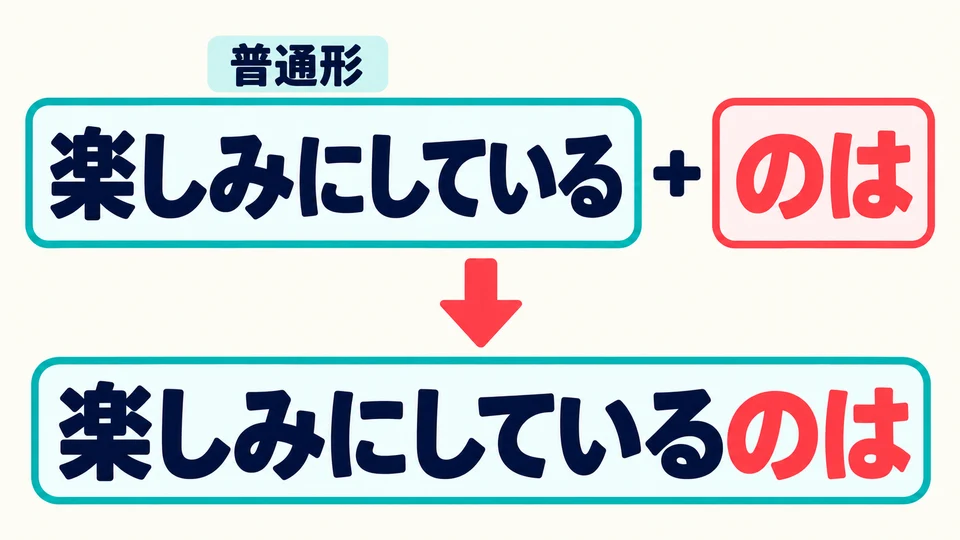
  5. Attach “のは” to a verb’s plain form. In the original dialogue, “楽しみにしているのは” introduces what the speaker looks forward to.
    Attach “のは” to a verb’s plain form. In the original dialogue, “楽しみにしているのは” introduces what the speaker looks forward to.

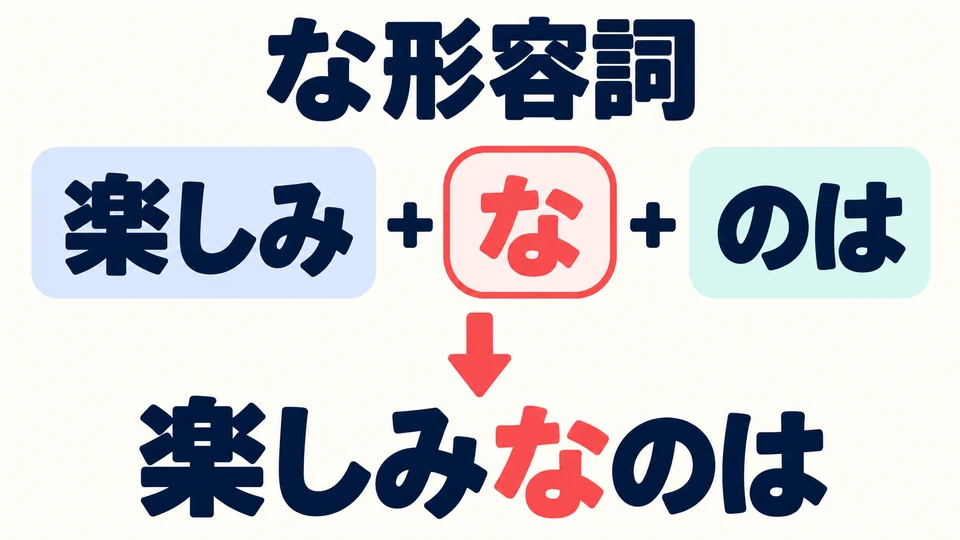
  6. Keep “な” with な-adjectives: “楽しみなのは”. Don’t omit “な” or attach “のは” directly after “です”.
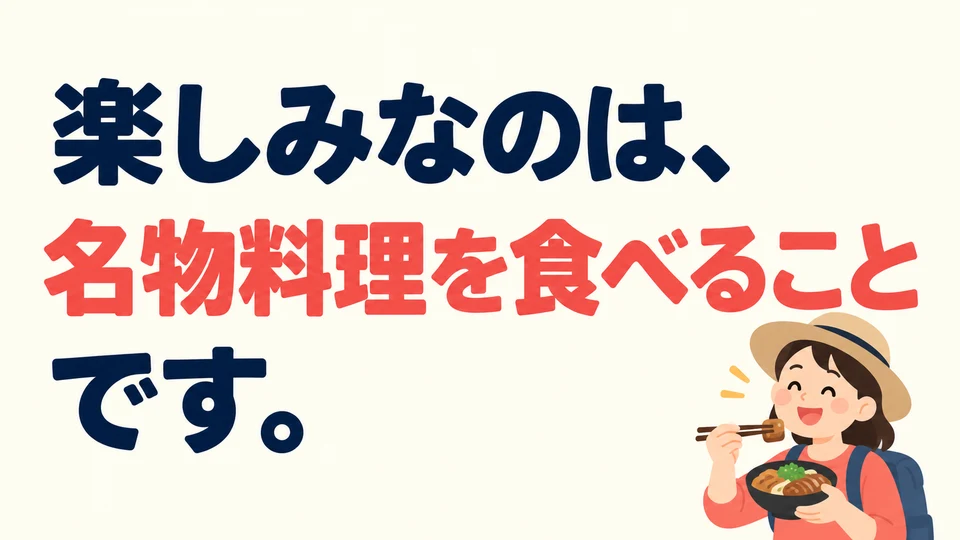
    Keep “な” with な-adjectives: “楽しみなのは”. Don’t omit “な” or attach “のは” directly after “です”.

  7. What are you most looking forward to on the trip? “楽しみなのは、名物料理を食べることです。” gives the answer.
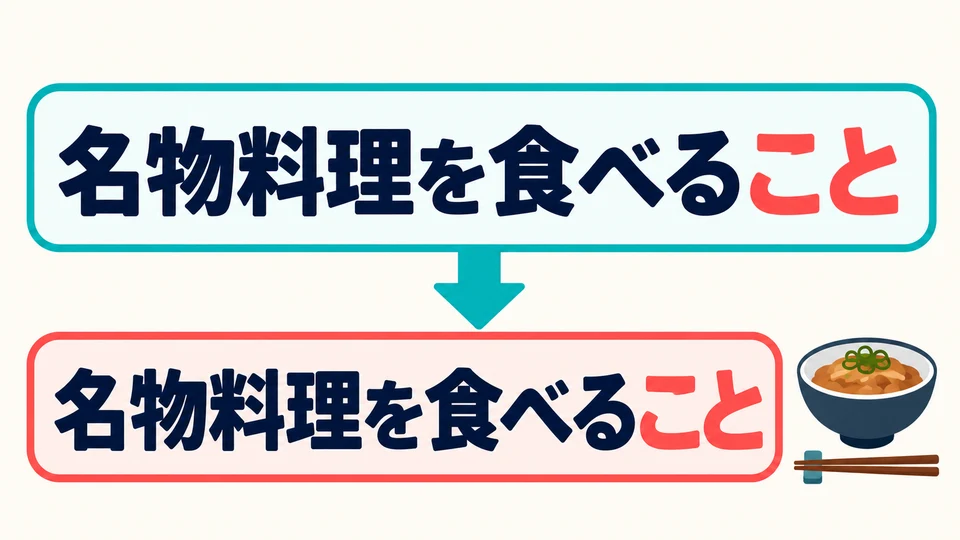
    What are you most looking forward to on the trip? “楽しみなのは、名物料理を食べることです。” gives the answer.

  8. The answer can also be an activity. “名物料理を食べること” makes trying the local cuisine the answer.

    The answer can also be an activity. “名物料理を食べること” makes trying the local cuisine the answer.
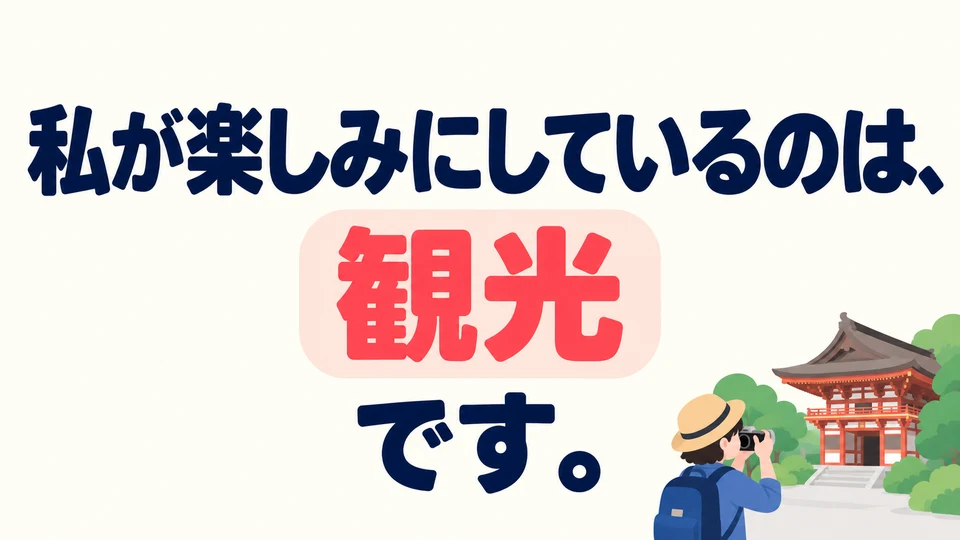
  9. The other person in the original dialogue says “私が楽しみにしているのは、観光です。” The two people look forward to different things.

Example sentences

  • 人気にんきninkiがgaあるaruのnoは、わwaこのkono場所ばしょbashoです。ですdesu

    This place is the one that's popular.

  • 歩くあるくarukuの

In a conversation

  • A
    旅行りょこうで一番いちばん楽しみたのしみなのはわ何なんですか。

    A: What are you most looking forward to on the trip?

  • B
    楽しみたのしみなの

Check yourself

  1. Level 1 · Recognise

    Which sentence is correct?

  2. Level 1 · Recognise

    Listen and choose the meaning

  3. Level 2 · Build

    Put the words in order

    The place that is popular is this one.

  4. Level 3 · Use

    What goes in the blank?

    危ない あの場所です。

    What's dangerous is that place.

More grammar in this theme

  • 〜のは、〜ですhighlighting or evaluating

More JLPT N3 grammar

Keep practising

Test your Japanese vocabulary12 adaptive questions, freeCheck your pronunciationRead aloud and get a scorePractise verb forms10-question conjugation quizSee the whole courseGrammar, vocabulary and quizzes by theme

The other person in the original dialogue says “私が楽しみにしているのは、観光です。” The two people look forward to different things.

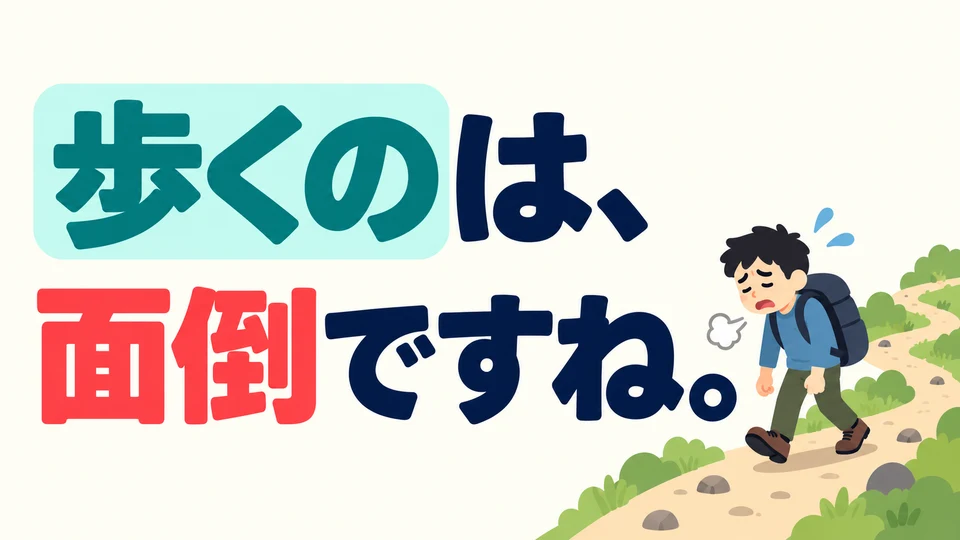
  • “歩くのは、面倒ですね。” also makes an action the topic, but the second half evaluates the activity of walking.

    “歩くのは、面倒ですね。” also makes an action the topic, but the second half evaluates the activity of walking.

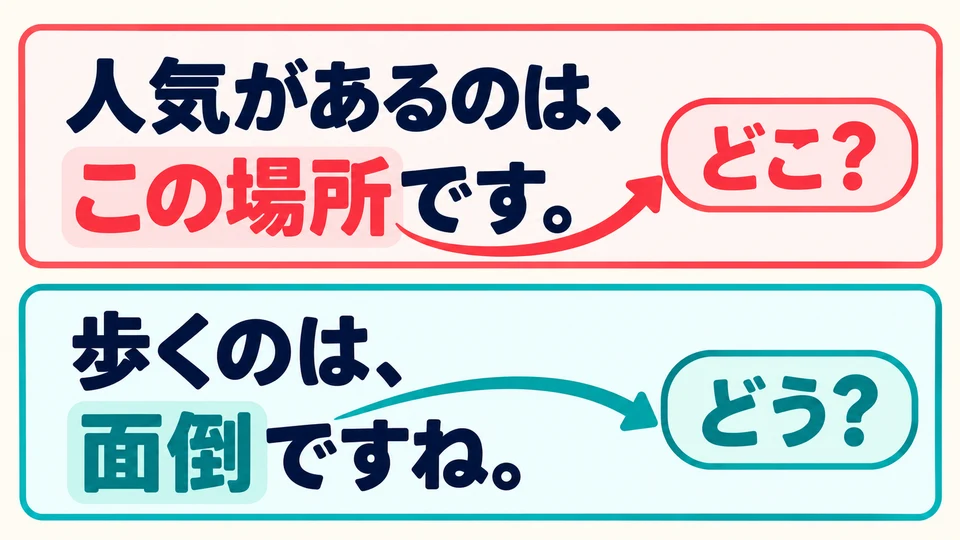
  • When you see “のは”, check the second half: identifying “which one” highlights an answer; describing “what it’s like” gives an evaluation.

    When you see “のは”, check the second half: identifying “which one” highlights an answer; describing “what it’s like” gives an evaluation.

  • no
    は、わwa
    面倒めんどうmendou
    ですdesu
    ね。ねne

    Walking is a hassle.

    は、わ
    名物めいぶつ
    料理りょうり
    を
    食べるたべる
    こと
    です。です

    B: What I'm looking forward to is trying the local cuisine.

  • A
    そうですか。か私わたしが楽しみたのしみにしているのは、わ観光かんこうです。です

    A: I see. What I'm looking forward to is sightseeing.

  • B
    じゃ、じゃ見どころみどころを調べましょうしらべましょうか。か

    B: Then, shall we look up the must-see spots?

  • Beginner 3
    Travel Plans
    More quizzesOpen this lesson’s quizzes in the course
    〜ましょうかsuggestion or offer
    〜し、〜adding reasons or features
    〜そうですprediction from signs
    〜ておきますprepare in advance
    〜てありますpreparation already complete
    Previous〜し、〜
    Next〜そうです
    See all 114
    〜ことになっていますestablished rule or convention
    〜ことになっていますsettled plan or assignment
    〜のにunexpected contrast, despite
    〜ようですinference from clues
    〜ことにしますdecide to do
    〜ないことにしますdecide not to do
    Nばかり/Vてばかりいますkeep doing the same thing
    〜させられますbe made to do