JPEdLab iconJPEdLab
Save history

Create an account and play

Explore first, then save your progress whenever you are ready. No email address is required.

Start free
  1. Japanese grammar
  2. JLPT N4 grammar
  3. 〜ようになります

〜ようになります~you ni narimasu

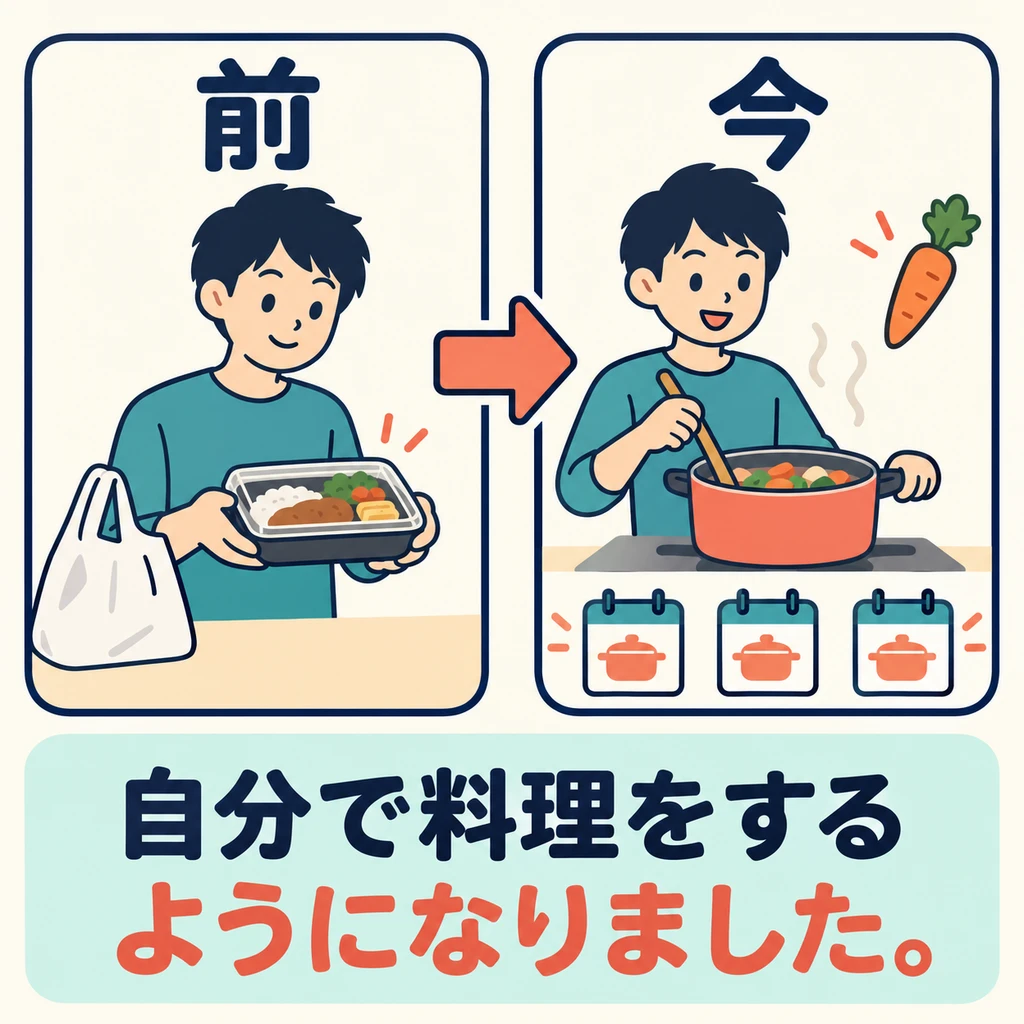
You ni narimasu (〜ようになります) means “begin doing something habitually”.

日本にっぽんnipponにni来きkiてteから、kara、自分じぶんjibunでde料理りょうりryouriをoするsuruようになりました。youninarimashita。

Since coming to Japan, I have started cooking for myself.

Use 「〜ようになります」 when a behavior or habit changes so that you now do something you did not before.

In the course›

How it works

  1. Before, they bought meals; now, they often cook for themselves. Look at the picture: what has changed in their life?
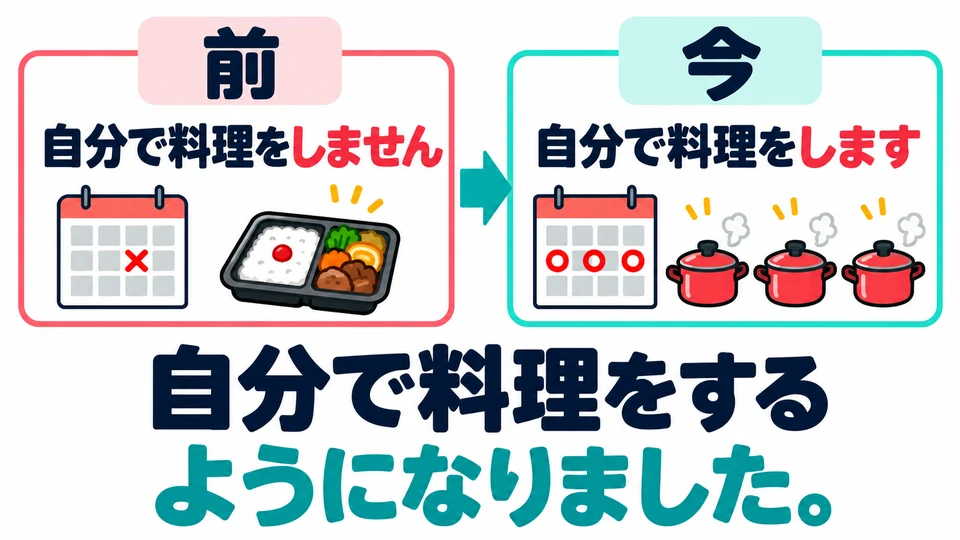
    Before, they bought meals; now, they often cook for themselves. Look at the picture: what has changed in their life?

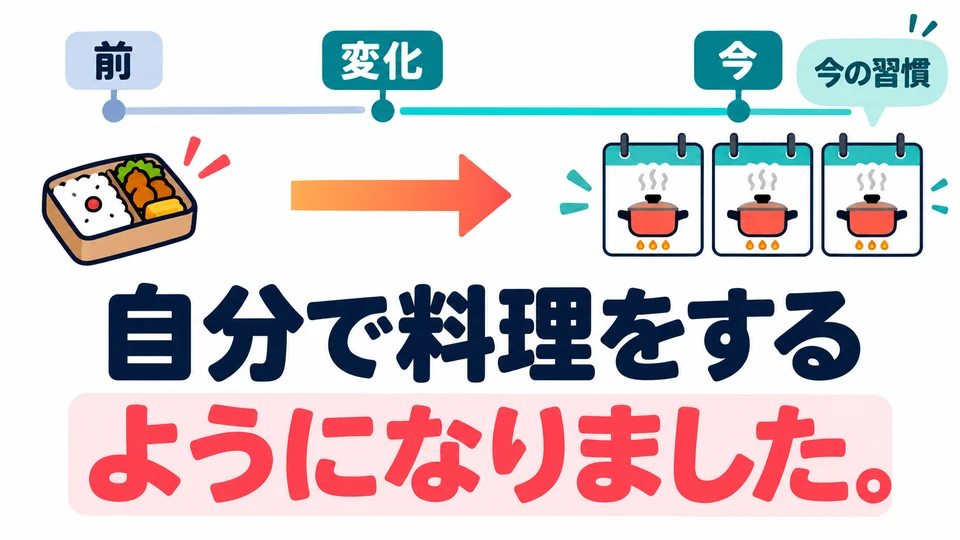
  2. This expresses a change in a habit or behavior: you did not do this before, but now you do.
    This expresses a change in a habit or behavior: you did not do this before, but now you do.

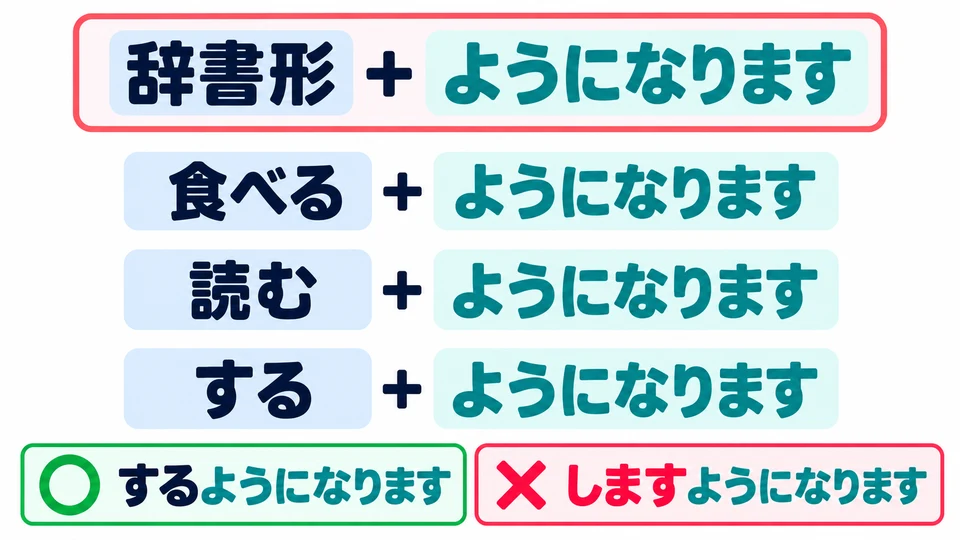
  3. Add 「ようになります」 to the dictionary form of a verb. Use 「する」 directly, not 「します」.
    Add 「ようになります」 to the dictionary form of a verb. Use 「する」 directly, not 「します」.

  4. The change in the picture has already happened, so 「ようになりました」 describes the new habit they have now.
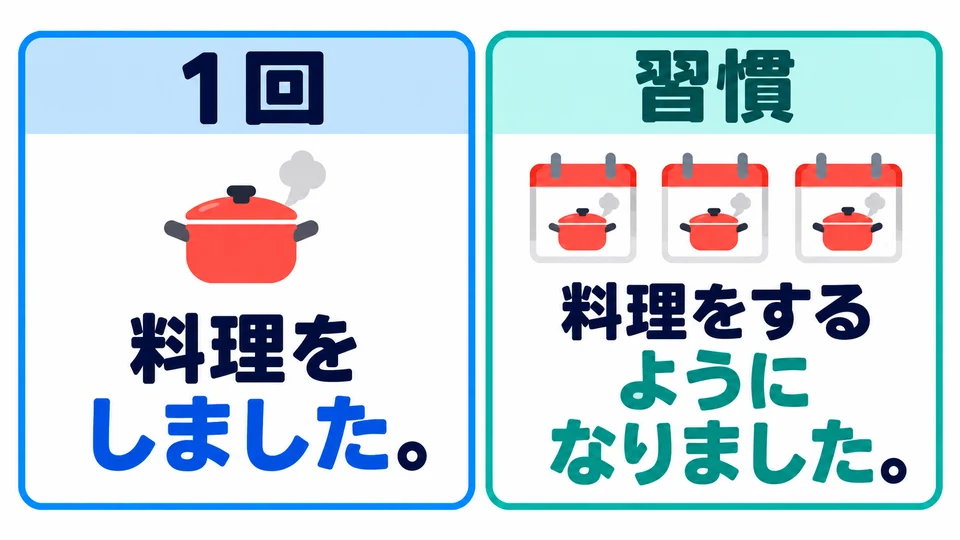
    The change in the picture has already happened, so 「ようになりました」 describes the new habit they have now.

  5. For cooking just once, you can say 「料理をしました」. Here, the focus is on starting a habit of cooking.
    For cooking just once, you can say 「料理をしました」. Here, the focus is on starting a habit of cooking.

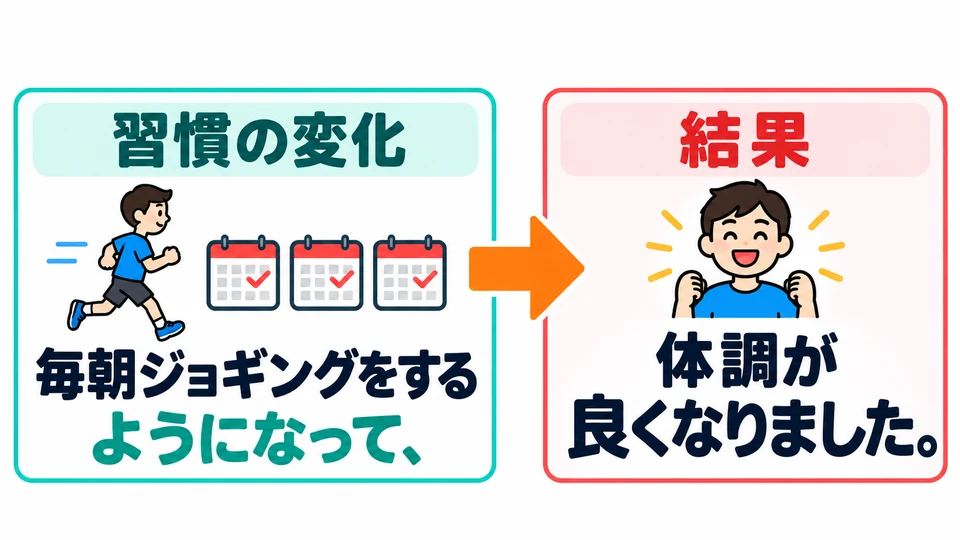
  6. In the jogging example, 「ようになって」 links taking up jogging as a habit with the resulting improvement in health.

    In the jogging example, 「ようになって」 links taking up jogging as a habit with the resulting improvement in health.

Example sentences

  • 日本にっぽんnipponにni来きkiてteから、kara、自分じぶんjibunでde料理りょうりryouriをoするsuruようになりました。youninarimashita。

    Since coming to Japan, I have started cooking for myself.

In a conversation
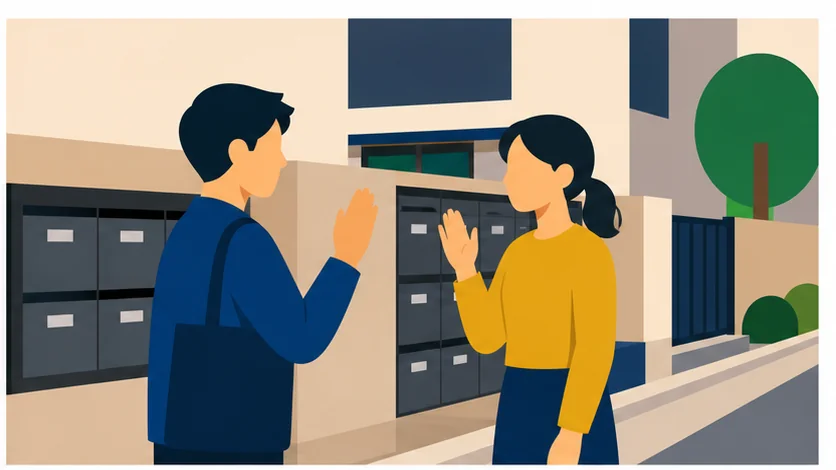
  • A
    この町まちに慣れましたなれましたか?か

    A: Have you gotten used to this town?

  • B
    はい、近所きんじょの人ひとに自分じぶんから声こえを

Check yourself

  1. Level 1 · Recognise

    Which sentence is correct?

  2. Level 1 · Recognise

    Listen and choose the meaning

  3. Level 2 · Build

    Put the words in order

    You will start talking with local residents.

  4. Level 3 · Use

    What goes in the blank?

    日本に来てから、自分で料理を____(する)。

    Since coming to Japan, I started cooking for myself.

More grammar in this theme

  • 〜ようになりますbegin doing something habitually

More JLPT N4 grammar

Keep practising

Test your Japanese vocabulary12 adaptive questions, freeCheck your pronunciationRead aloud and get a scorePractise verb forms10-question conjugation quizSee the whole courseGrammar, vocabulary and quizzes by theme
  • 毎朝まいあさmaiasaジョギングじょぎんぐjoginguをoするsuruようになっyouninatて、te、体調たいちょうtaichouがga良くよくyokuなりました。narimashita。

    Since I started jogging every morning, my physical condition has improved.

  • かける
    ようになりました。

    B: Yes, I have started proactively greeting the neighbors myself.

  • A
    それはわいいことですね。

    A: That is a good thing.

  • Intermediate 1
    Joining Activities and Local Life
    More quizzesOpen this lesson’s quizzes in the course
    〜なくなりますstop doing or feeling
    〜たばかりですrecently completed action
    〜ながら〜while doing another action
    〜と言っていましたreport what someone said
    命令形forceful direct command
    〜なstrongly tell someone not to
    〜ながらtwo actions happening together
    Next〜なくなります
    See all 138
    〜ところですaction stage right now
    〜てきますgradual approach or appearance
    〜そうに〜appearance while doing something
    〜みたいですsimilarity-based comparison
    〜もsurprisingly many or long
    〜しか〜ないonly; less than enough
    〜たらどうですかgentle suggestion or advice
    〜らしいですreported news; apparently