
JPEDLAB iconJPEDLAB
Save history

Create an account and play

Explore first, then save your progress whenever you are ready. No email address is required.

Start free
Read as articleCards
1/10

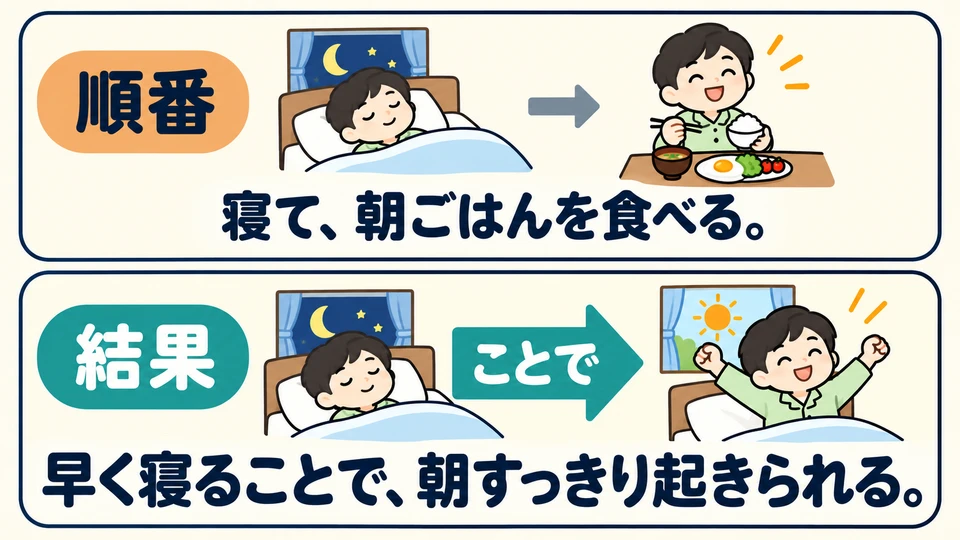
What changes in the morning if you go to bed early? Follow the arrow: the action leads to the result below.

››

Lesson notes · ≈ JLPT N3 · Intermediate 1

〜ことで~ koto de

by doing; through

Use a verb in dictionary form plus 「ことで」 when an action brings about a result or explains its cause.

How it works
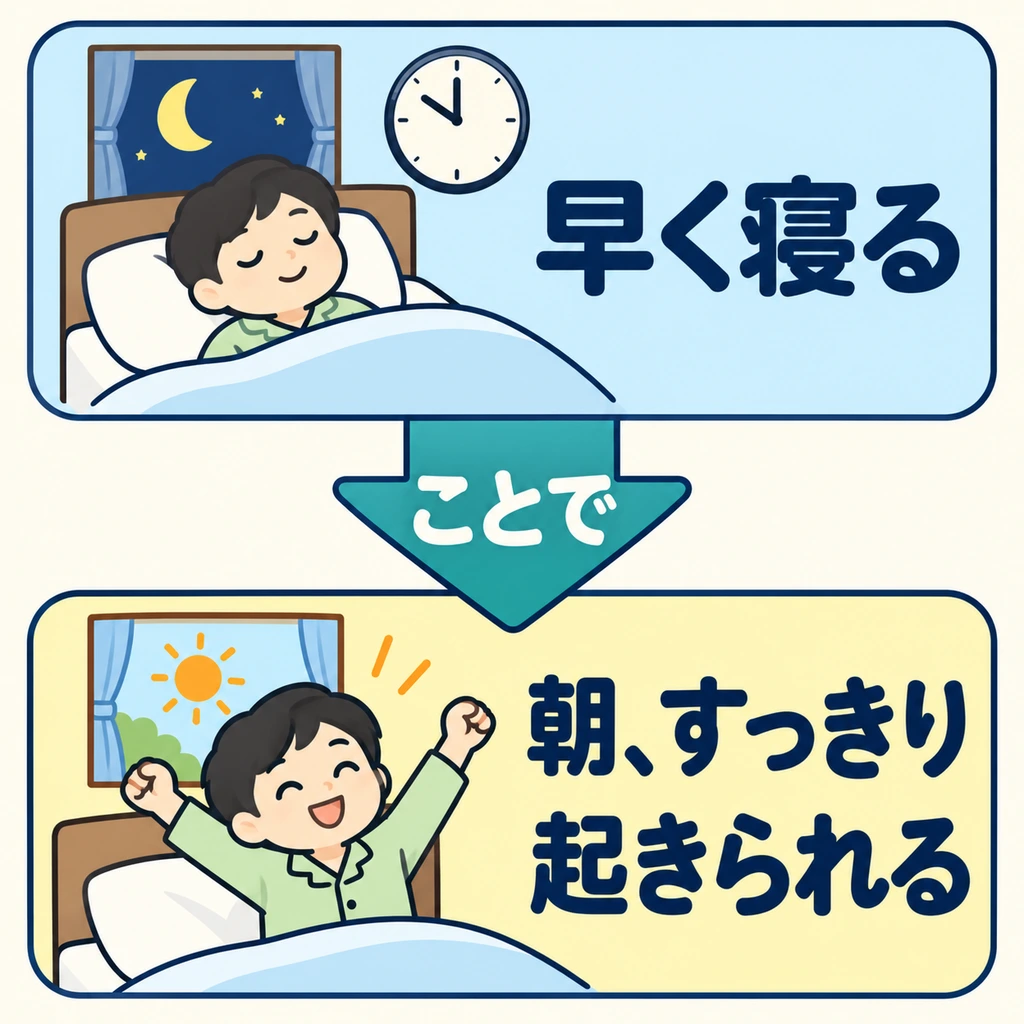
  1. What changes in the morning if you go to bed early? Follow the arrow: the action leads to the result below.
    What changes in the morning if you go to bed early? Follow the arrow: the action leads to the result below.

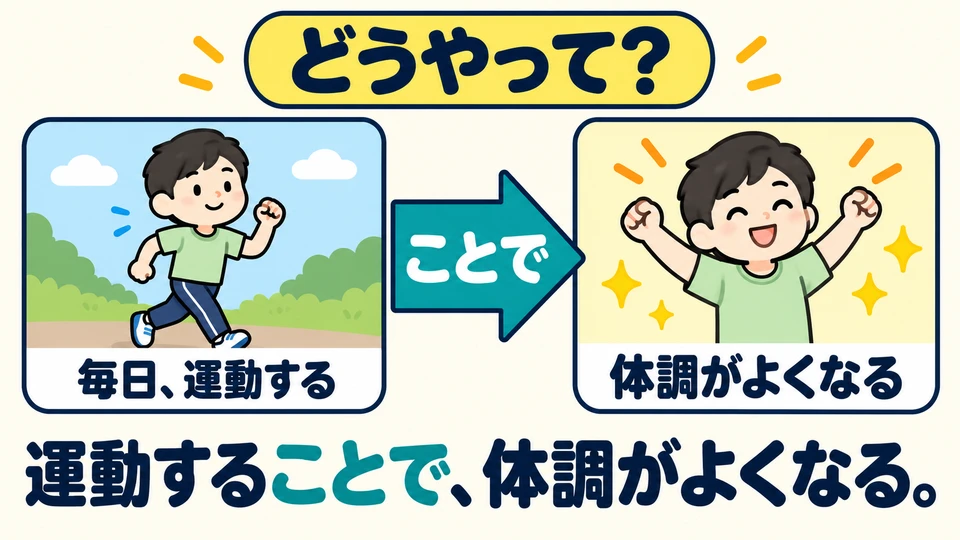
  2. Use 「ことで」 to explain how a result is achieved. It means “by doing…” or “through…”.
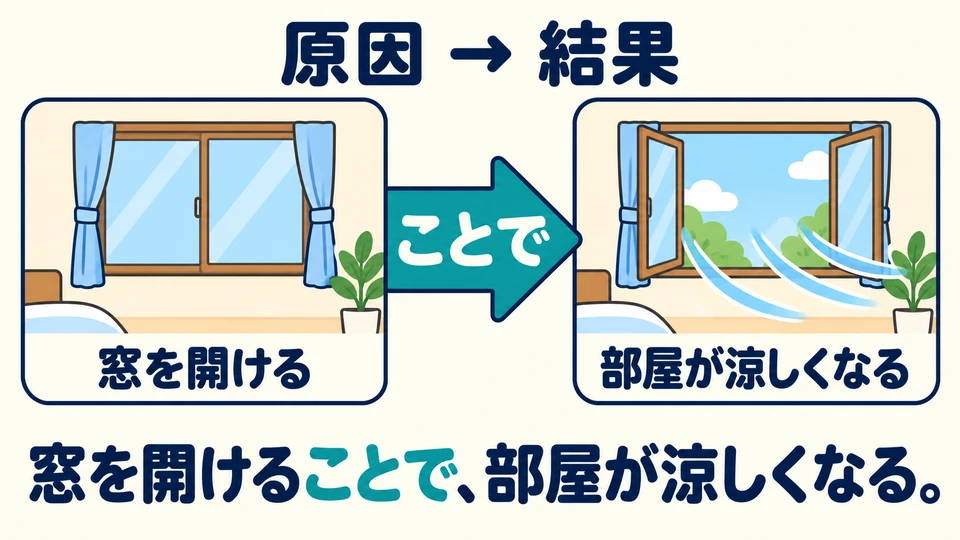
    Use 「ことで」 to explain how a result is achieved. It means “by doing…” or “through…”.

  3. 「ことで」 can also explain a cause: what comes before it brings about the change or result that follows.
    「ことで」 can also explain a cause: what comes before it brings about the change or result that follows.

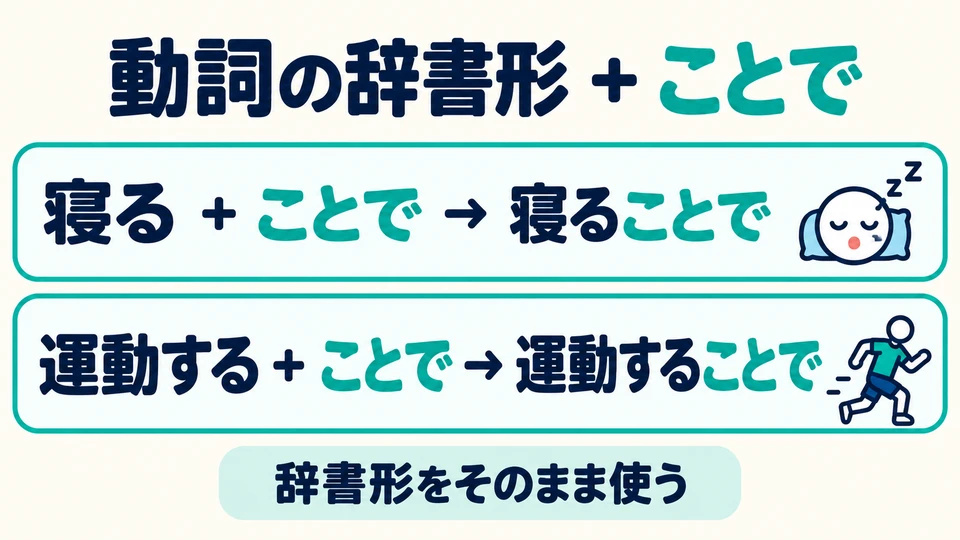
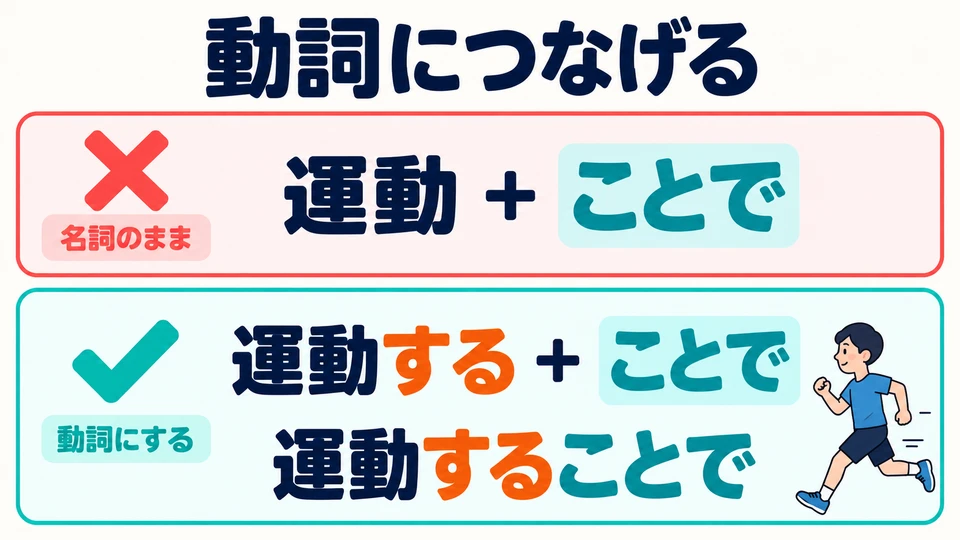
  4. Verb dictionary form + ことで: for example, 「寝ることで」 and 「運動することで」.
    Verb dictionary form + ことで: for example, 「寝ることで」 and 「運動することで」.

  5. This is more than “first do this, then do that”. 「ことで」 emphasizes that the first action brings about the result.
    This is more than “first do this, then do that”. 「ことで」 emphasizes that the first action brings about the result.
  6. In this lesson, we practice using verbs. Nouns and similar words must first form a predicate; they cannot take 「ことで」 directly.

In this lesson, we practice using verbs. Nouns and similar words must first form a predicate; they cannot take 「ことで」 directly.

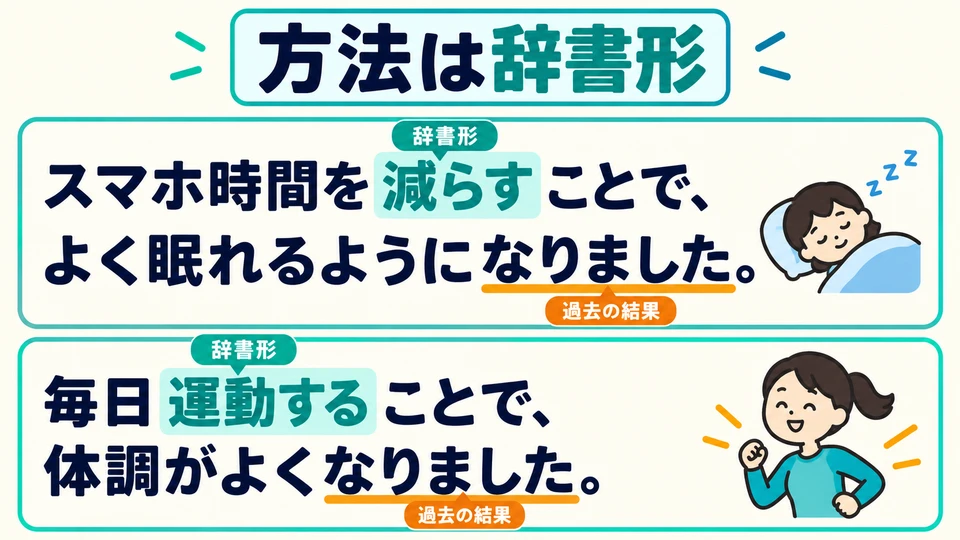
  • Although the results in the examples have already happened, 「減らす」 and 「運動する」 stay in dictionary form to describe the methods used.

    Although the results in the examples have already happened, 「減らす」 and 「運動する」 stay in dictionary form to describe the methods used.

  • Example sentences

    • 夜よるyoruのnoスマホすまほsumaho時間じかんjikanをo減らすへらすherasuことkotoで、de、よくyoku眠れるねむれるnemureruようになりました。youninarimashita。

      By cutting down on smartphone time at night, I've been able to sleep well.

    • 毎日まいにちmainichi少しすこしsukoshi運動うんどうundouするsuruことkotoで、de、体調たいちょうtaichouがgaよくyokuなりました。narimashita。

      By exercising a little every day, my physical condition has improved.

    In a conversation

    • A
      最近、さいきん、夜ふかしよふかしをやめて早くはやく寝るねるようにしているんです。

      A: Recently, I've stopped staying up late and am trying to go to bed early.

    • B
      いいですね。早くはやく寝るねることで、朝あさの気分きぶんはわどう変わりましたかわりましたか。

      B: That's great. By going to bed early, how has your mood in the morning changed?

    • A
      朝あさすっきり起きられるようになっおきられるようになって、朝食ちょうしょくを食べるたべる余裕よゆうもできました。

      A: I can wake up feeling refreshed in the morning now, and I also have enough time to eat breakfast.

    Check yourself

    1. Level 1 · Recognise

      Which sentence is correct?

    2. Level 1 · Recognise

      Listen and choose the meaning

    3. Level 2 · Build

      Put the words in order

      By going to bed early and getting up early, it becomes much easier to concentrate on work in the morning.

    4. Level 3 · Use

      What goes in the blank?

      毎日ニュースを見る____、社会の動きが分かるようになりました。

      By watching the news every day, I can understand what's happening in society.

    More grammar in this theme

    • 〜はずがないcannot possibly; no way
    • 〜なんてsurprise; can you believe
    • 〜ば〜ほどthe more…, the more…
    • こんな・そんな・あんな・どんなthis, that, what kind
    • こんなふうにin this way
    • 〜ことでby doing; through
    • 〜なぁsoftly voiced wish
    • 〜ことがありますsometimes happens
    • 〜こともありますsometimes also happens
    • 〜にとってfrom someone’s perspective
    • 〜ことだしsince, given that
    • 〜てくれない?casual request for help
    • 〜てくれる?could you do it for me
    • 〜じゃない?・〜んじゃない?right?; gentle suggestion
    PreviousこんなふうにNext〜なぁ

    Keep practising

    Test your Japanese vocabulary12 adaptive questions, freeCheck your pronunciationRead aloud and get a scorePractise verb forms10-question conjugation quizSee the whole courseGrammar, vocabulary and quizzes by theme
    See the whole course
    Intermediate 1
    Time Use and Future Planning