JPEDLAB iconJPEDLAB
Save history

Create an account and play

Explore first, then save your progress whenever you are ready. No email address is required.

Start free
Read as articleCards
See the whole course›Intermediate 2›Emergencies and Safety Actions

Japanese grammar · ≈ JLPT N2 · Intermediate 2

〜ものだ・〜ものではない~mono da / ~mono dewa nai

what one should or should not do

Use 〜ものだ for expected conduct and 〜ものではない to warn against conduct, with an instructive tone.

Start the interactive lessonIllustrated cards, audio and speaking practice

How it works

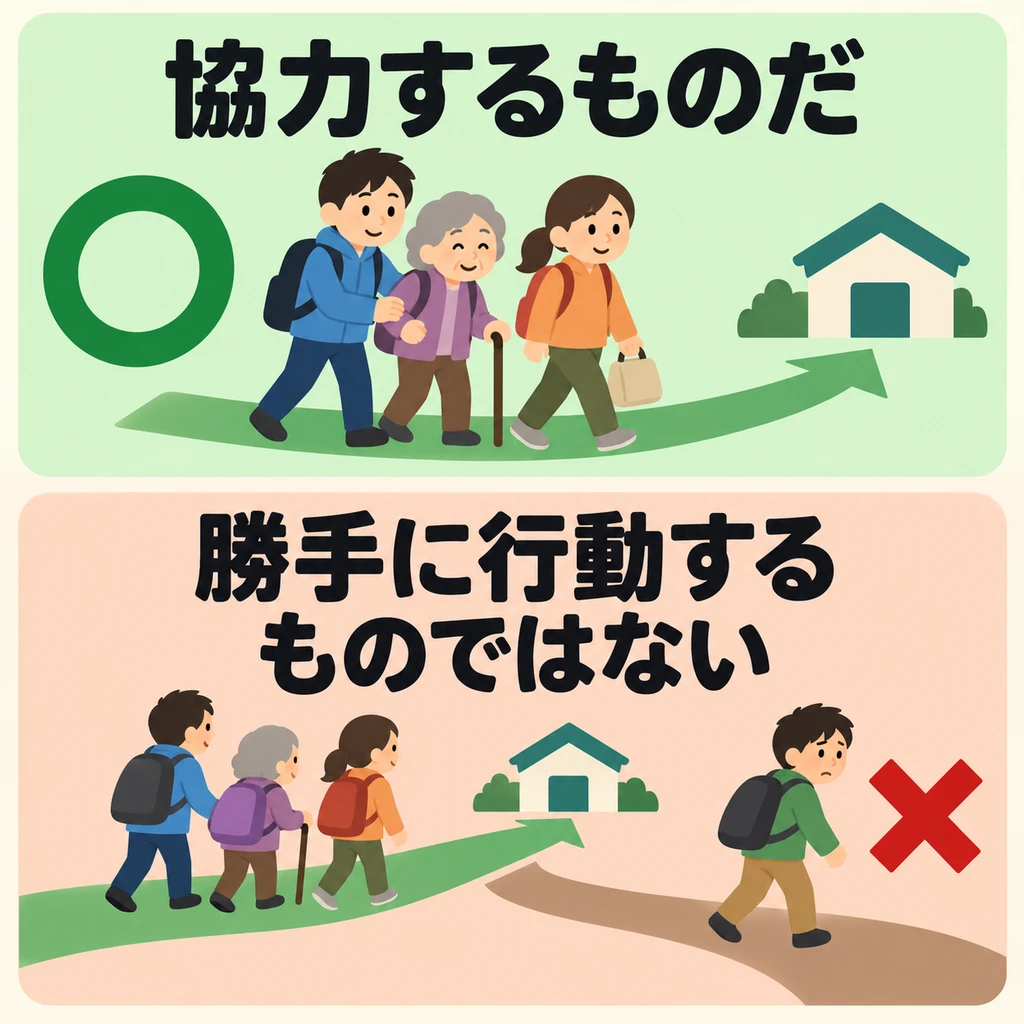
  1. Which action is appropriate during an evacuation? Look at the picture and judge by the common rules everyone should follow.
    Which action is appropriate during an evacuation? Look at the picture and judge by the common rules everyone should follow.

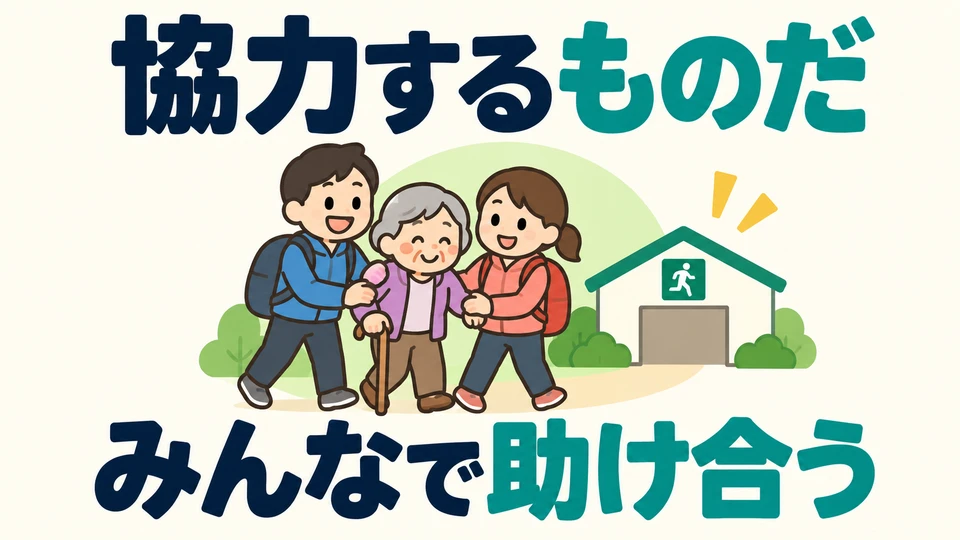
  2. 「協力するものだ」 says that people ought to help one another. It presents what we should do as common sense.
    「協力するものだ」 says that people ought to help one another. It presents what we should do as common sense.

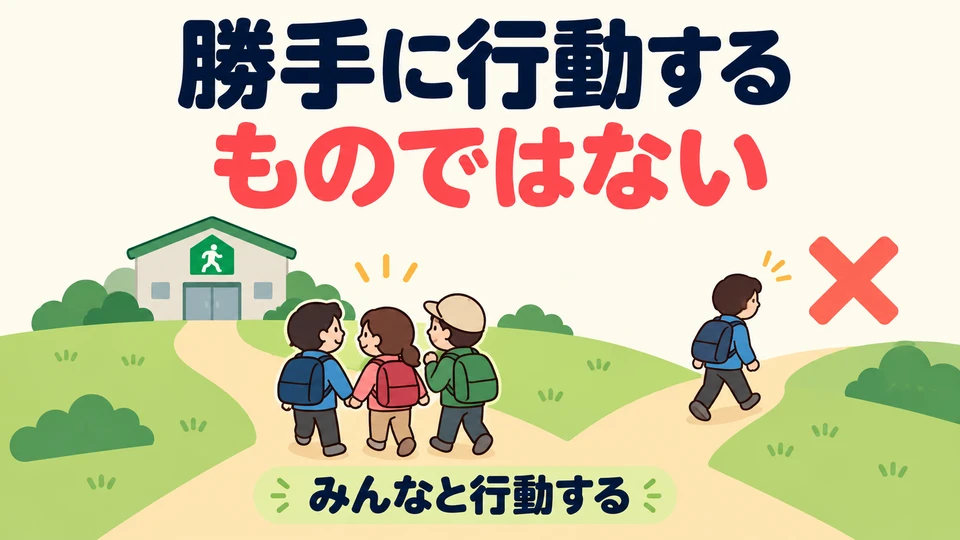
  3. 「勝手に行動するものではない」 warns someone that they should not act on their own without regard for others.
    「勝手に行動するものではない」 warns someone that they should not act on their own without regard for others.

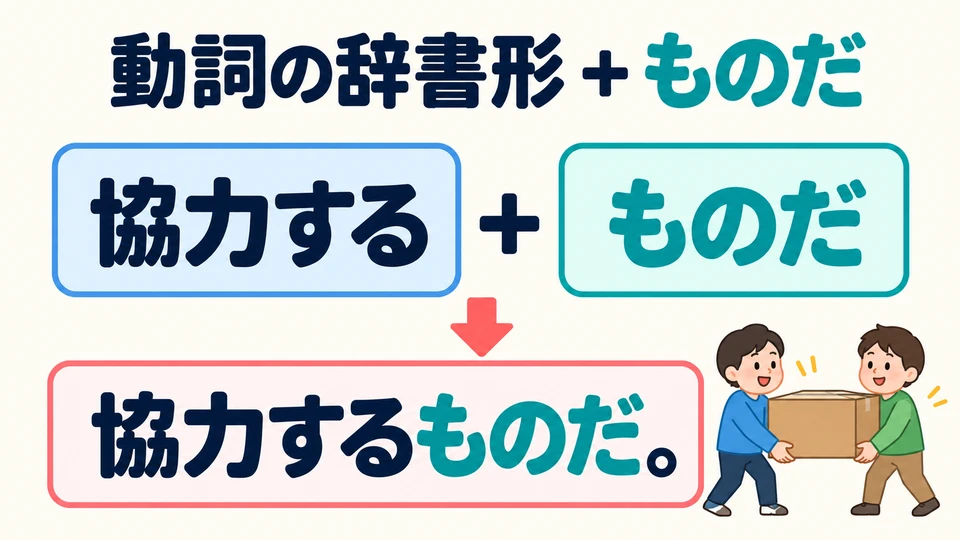
  4. For the affirmative, use the verb’s dictionary form + 「ものだ」, as in 「協力する+ものだ」.
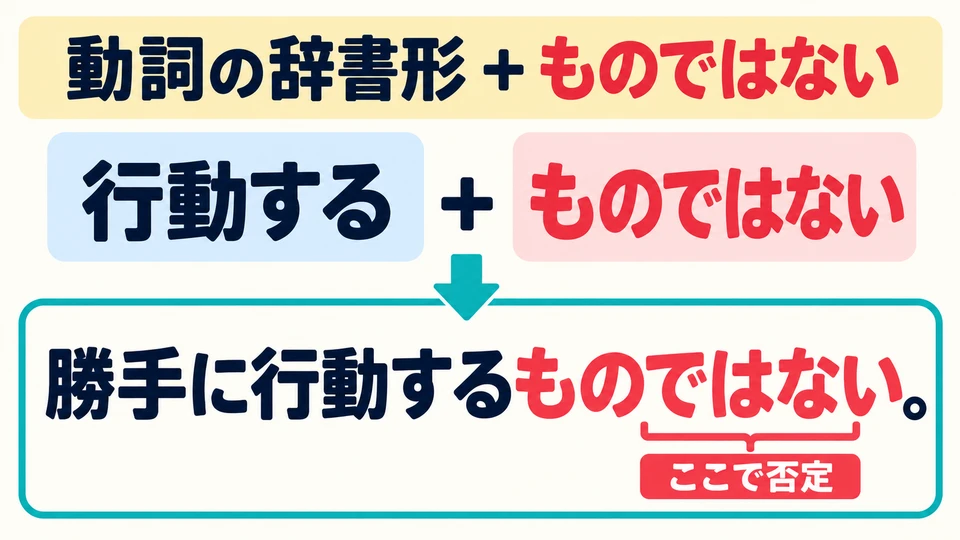
    For the affirmative, use the verb’s dictionary form + 「ものだ」, as in 「協力する+ものだ」.

  5. The negative also follows the verb’s dictionary form: 「行動する+ものではない」. The negation comes at the end.
    The negative also follows the verb’s dictionary form: 「行動する+ものではない」. The negation comes at the end.

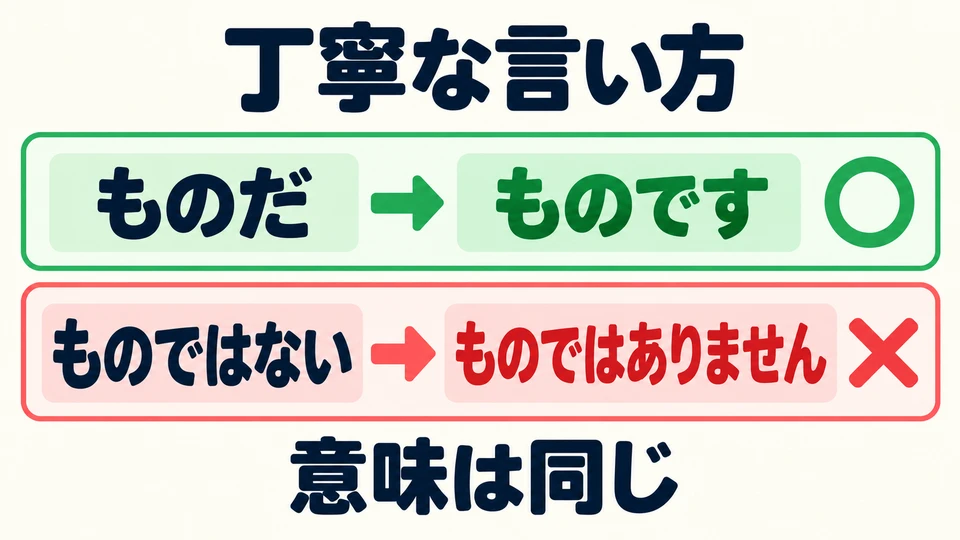
  6. The polite forms are 「ものです/ものではありません」. The meaning of “should” or “should not” stays the same.
    The polite forms are 「ものです/ものではありません」. The meaning of “should” or “should not” stays the same.

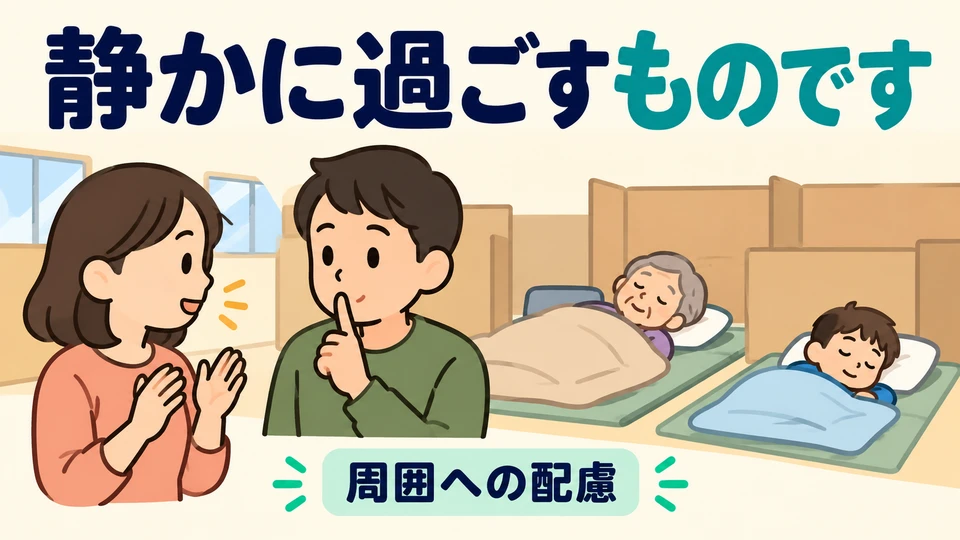
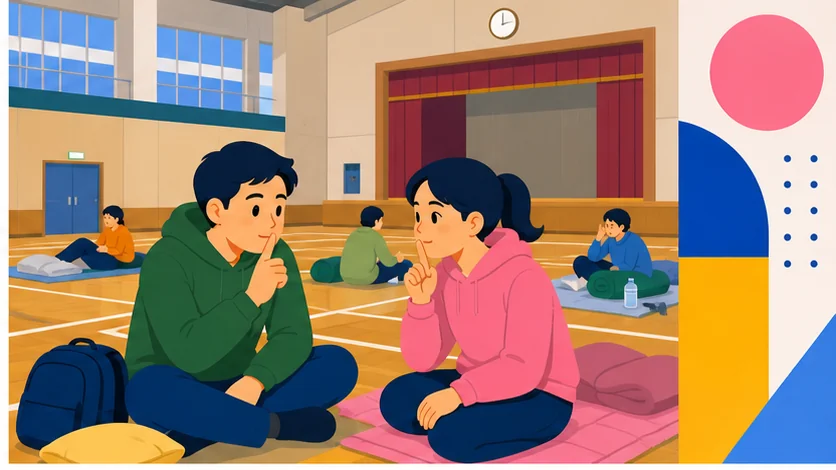
  7. Everyone at the shelter is having a hard time. 「静かに過ごすものです」 reminds people to stay quiet out of consideration for others.
    Everyone at the shelter is having a hard time. 「静かに過ごすものです」 reminds people to stay quiet out of consideration for others.

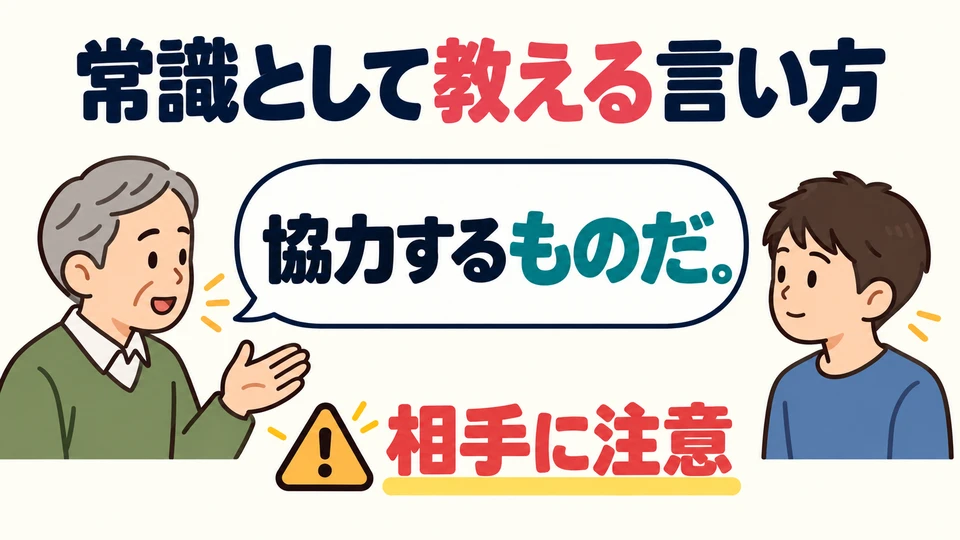
  8. Here, 「ものだ」 emphasizes what people are naturally expected to do. It has an instructive tone, so consider whom you are speaking to.

    Here, 「ものだ」 emphasizes what people are naturally expected to do. It has an instructive tone, so consider whom you are speaking to.

Example sentences

  • 避難ひなんhinanするsuru時ときtokiは、わ、wa、周りまわりmawariのno人ひとhitoとto協力きょうりょくkyouryokuするsuruものmono

In a conversation
Check yourself

  1. Level 1 · Recognise

    Which sentence is correct?

  2. Level 1 · Recognise

    Listen and choose the meaning

  3. Level 2 · Build

    Put the words in order

    When a disaster occurs, we should give priority to helping people who need special consideration, such as the elderly and infants.

  4. Level 3 · Use

    What goes in the blank?

    避難する時は、周りの人と協力する____。

    When evacuating, you should cooperate with those around you.

More grammar in this theme

  • 〜ものだ・〜ものではないwhat one should or should not do

Keep practising

Test your Japanese vocabulary12 adaptive questions, freeCheck your pronunciationRead aloud and get a scorePractise verb forms10-question conjugation quizSee the whole courseGrammar, vocabulary and quizzes by theme
です。desu。

When evacuating, you should cooperate with the people around you.

  • A
    避難所ひなんしょで生活せいかつする時ときは、わ、どのようなことに注意ちゅういすればいいですか。

    A: What kind of things should I be careful about when living in an evacuation shelter?

  • B
    お互いおたがいに大変な状況たいへんなじょうきょうですから、周囲しゅういに配慮はいりょして静かに過ごすしずかにすごすものですよ。

    B: Since everyone is in a difficult situation, we should be considerate of others and spend our time quietly.

  • 避難中ひなんちゅうhinanchuuに、ni、勝手にかってにkatteni別べつbetsuのno道みちmichiへえe行くいくikuものmonoでdeはわwaありません。arimasen。

    During an evacuation, you should not go to another path on your own.

  • A
    そうですね、自分じぶん勝手にかってに行動こうどうするものではわありませんね。気きをつけて過ごします。すごします。

    A: You are right, we shouldn't act selfishly. I will be careful.

  • 〜によって/〜により/〜による〜cause and resulting effect
    〜恐れがあるrisk of an unwanted event
    〜そうにないんですがunlikely; gently explain difficulty
    〜とかでpossible cause, or something
    〜てしまったようなんですinferred accident with regret
    〜ところへ・に・をan event at that moment
    〜につれてgradual changes happening together
    〜とおりに・〜どおりにaccording to; just as
    〜際に・〜際はon the occasion of
    〜ことformal rule or instruction
    〜たままleaving a state unchanged
    〜だらけcovered with many unwanted things
    Previous〜につれて
    Next〜とおりに・〜どおりに