JPEDLAB iconJPEDLAB
Save history

Create an account and play

Explore first, then save your progress whenever you are ready. No email address is required.

Start free
Read as articleCards
See the whole course›Intermediate 2›Geography, Climate, and Local Life

Japanese grammar · ≈ JLPT N3 · Intermediate 2

〜ことから~koto kara

based on the fact

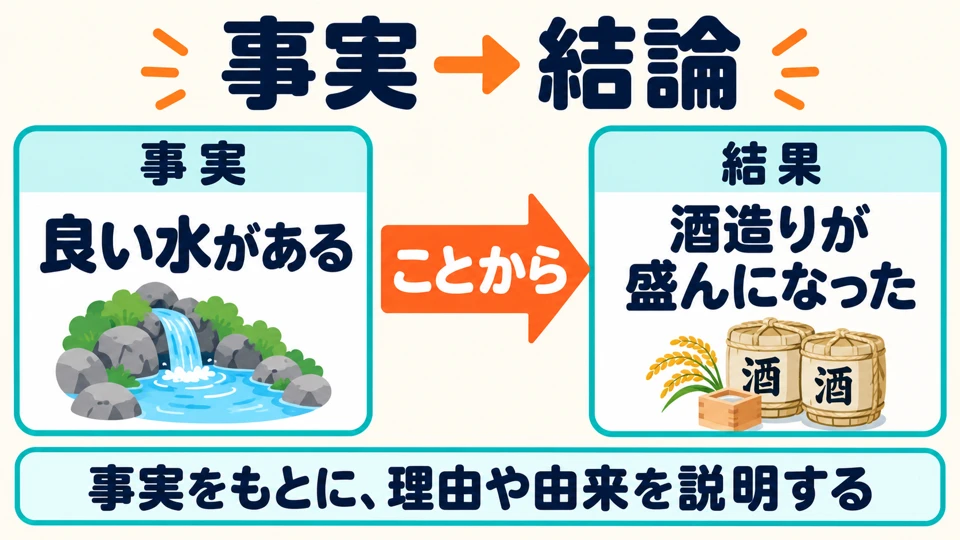
Use 「〜ことから」 after a plain-form fact to explain a cause, origin, or judgment based on it.

Start the interactive lessonIllustrated cards, audio and speaking practice

How it works

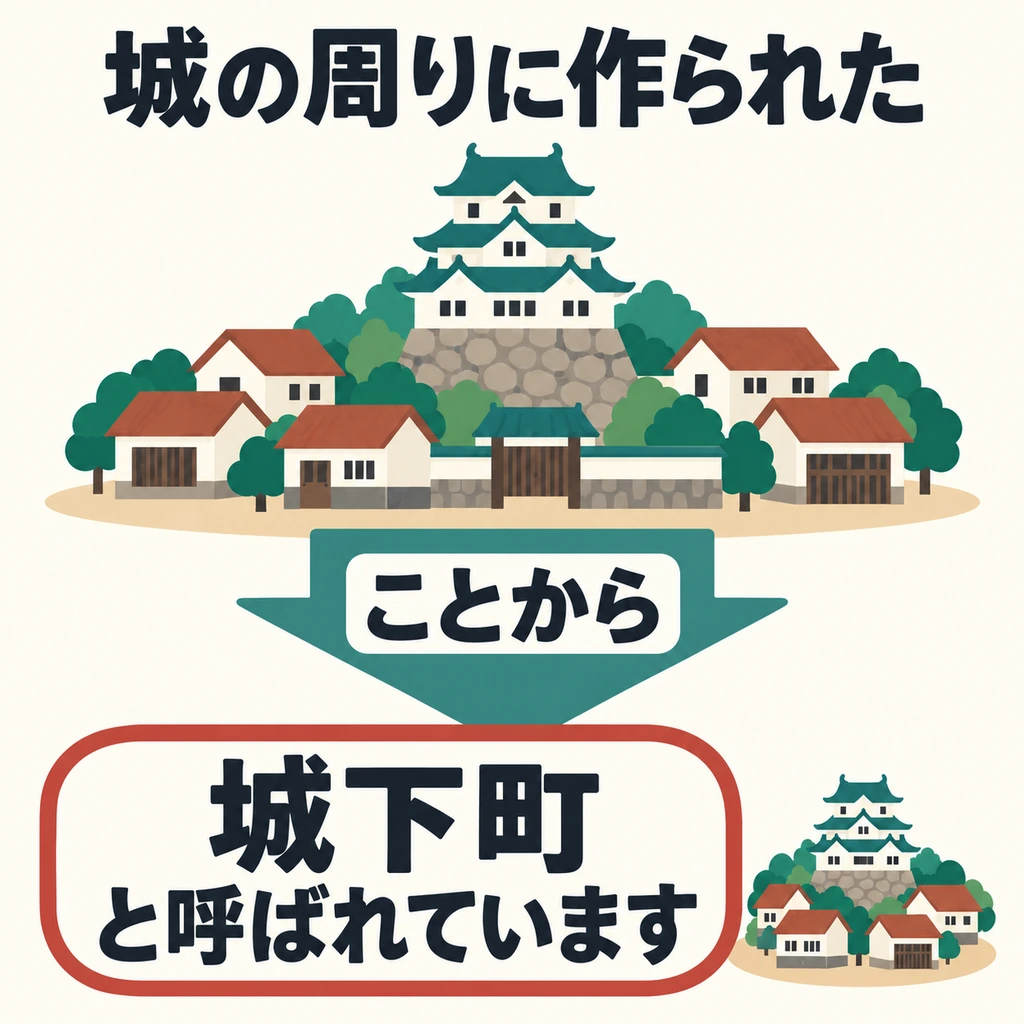
  1. Why is it called 「城下町」 (castle town)? Houses grew up around the castle; this fact explains the name.
    Why is it called 「城下町」 (castle town)? Houses grew up around the castle; this fact explains the name.

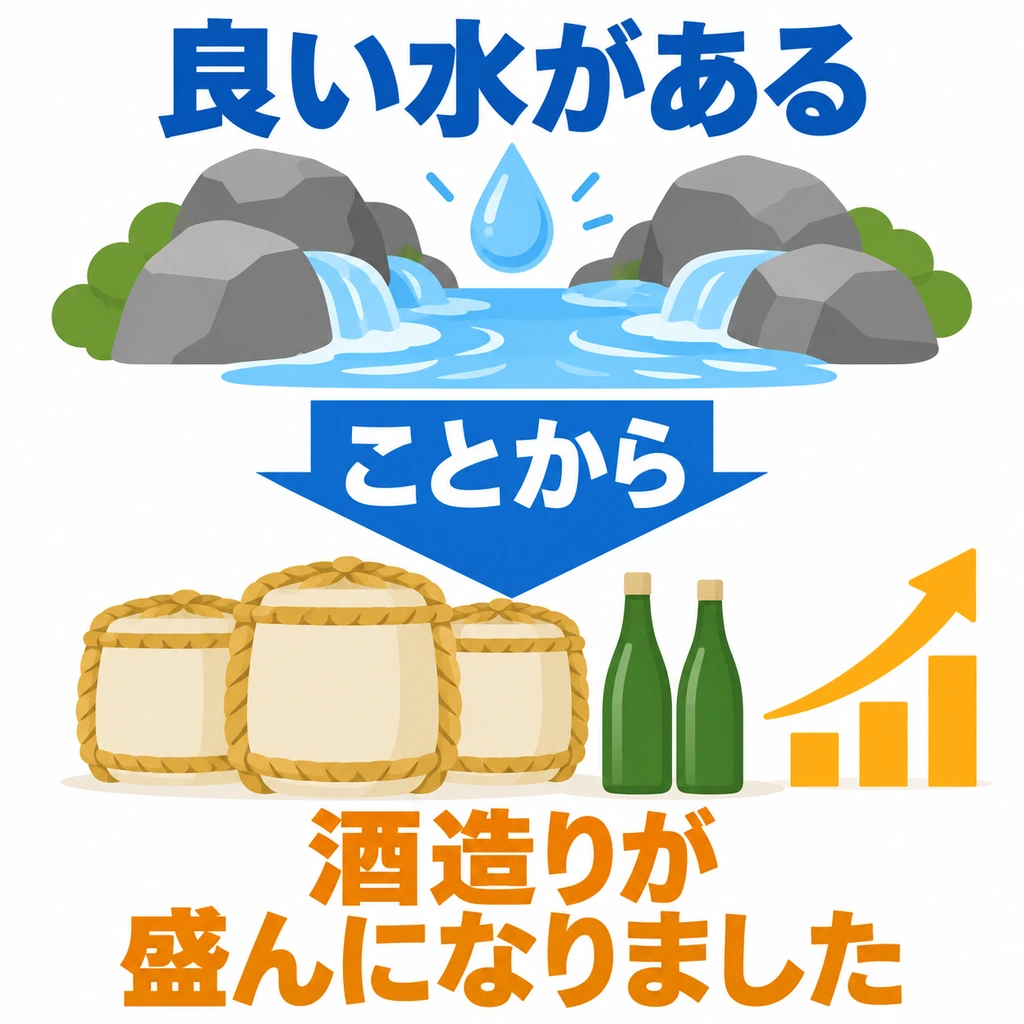
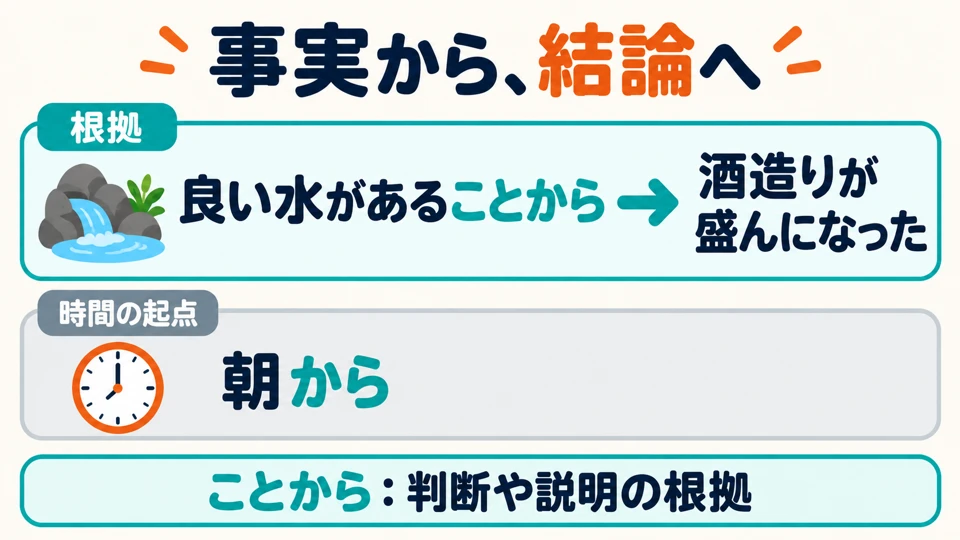
  2. Good water helped sake brewing flourish. The first fact is the cause; what follows explains the result.
    Good water helped sake brewing flourish. The first fact is the cause; what follows explains the result.

  3. Use a known fact as a basis to explain a cause, origin, or judgment. The sense is “based on this fact.”
    Use a known fact as a basis to explain a cause, origin, or judgment. The sense is “based on this fact.”

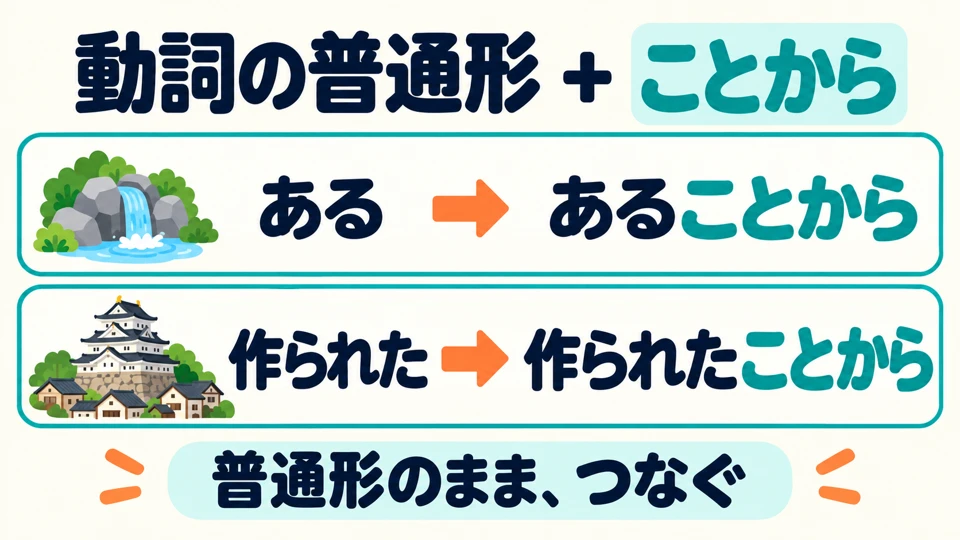
  4. Attach 「ことから」 to the plain form of a verb, as in 「あることから」 or 「作られたことから」.
    Attach 「ことから」 to the plain form of a verb, as in 「あることから」 or 「作られたことから」.

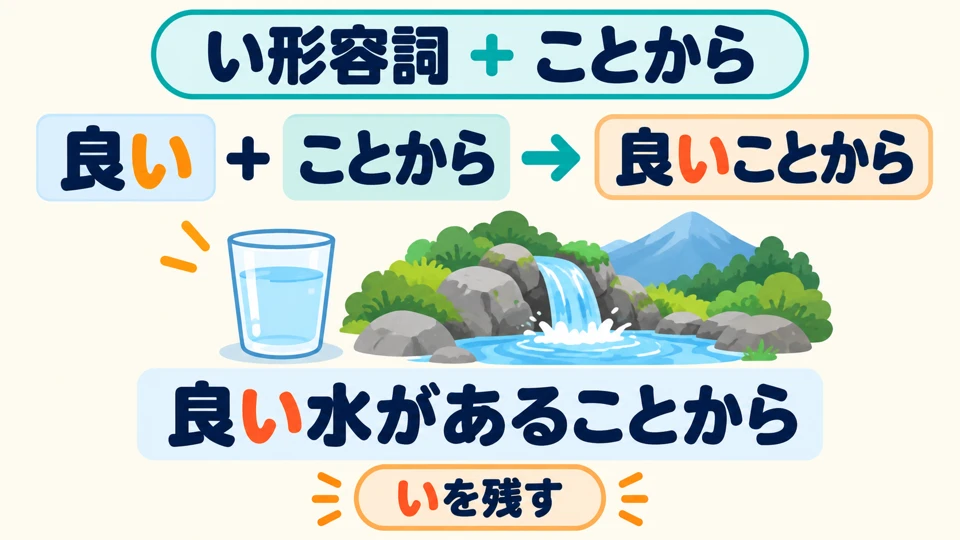
  5. Keep the ending of an い-adjective, as in 「良いことから」. Treat the quality as a fact first.
    Keep the ending of an い-adjective, as in 「良いことから」. Treat the quality as a fact first.

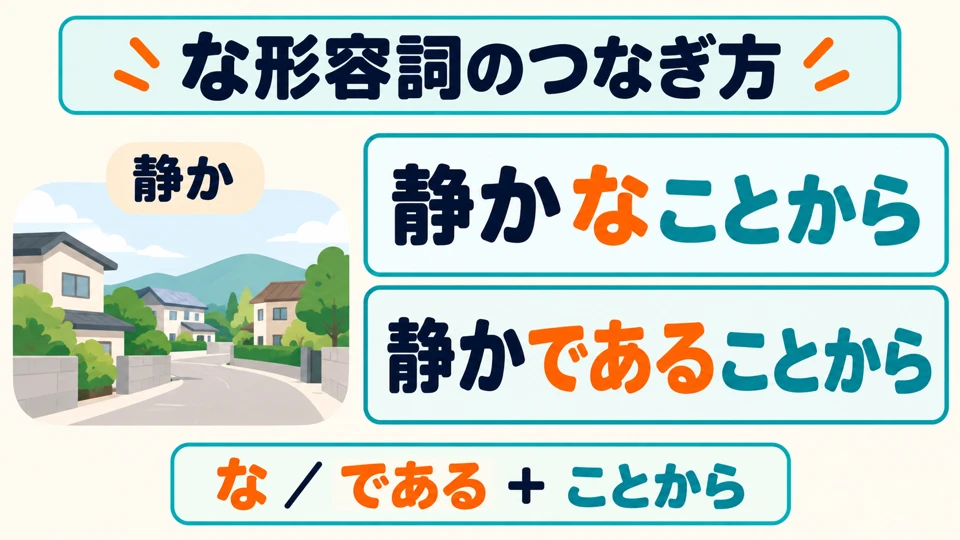
  6. With a な-adjective, use 「なことから」 or 「であることから」. First state the condition that forms the basis.
    With a な-adjective, use 「なことから」 or 「であることから」. First state the condition that forms the basis.

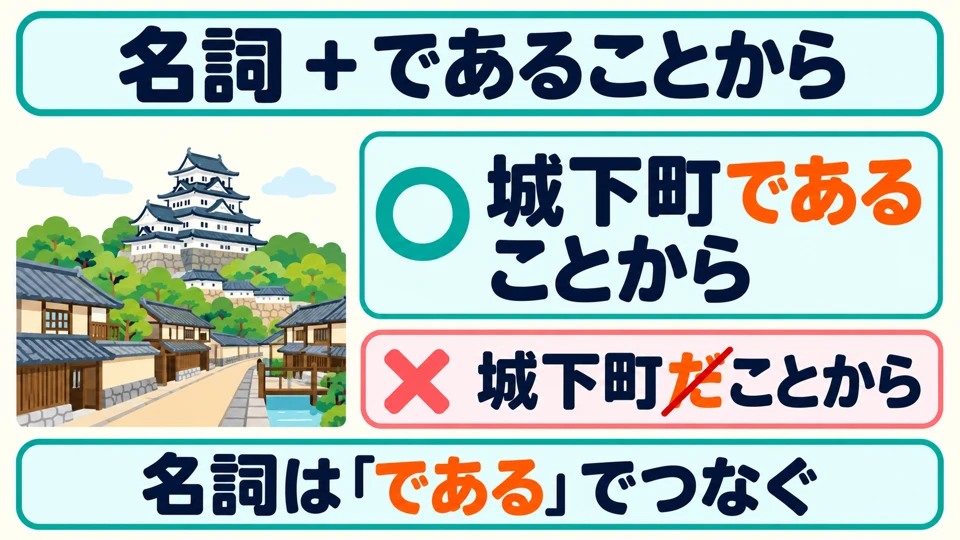
  7. With a noun, use 「であることから」. Do not use 「だことから」; change the form when connecting.
    With a noun, use 「であることから」. Do not use 「だことから」; change the form when connecting.

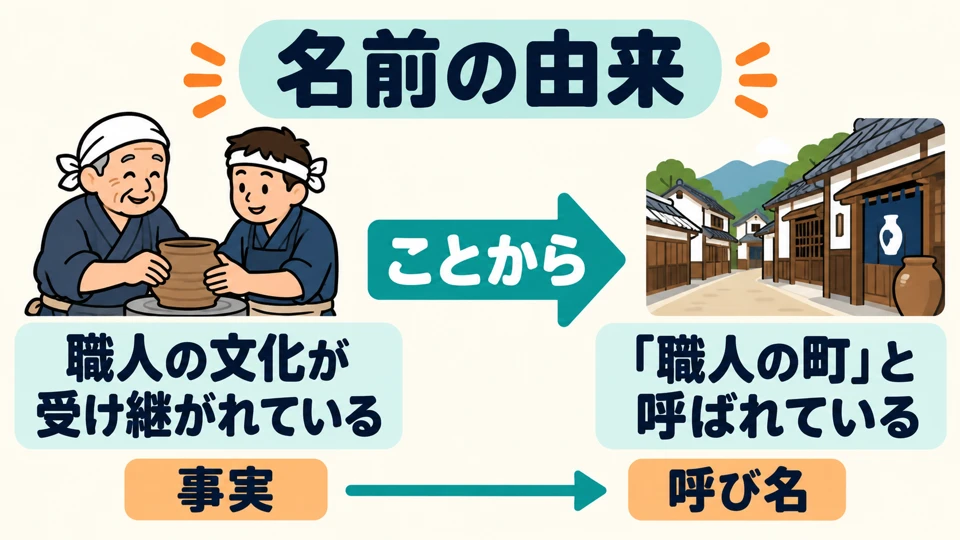
  8. The same applies to “town of artisans”: the fact that it preserves a craft tradition explains the name.
    The same applies to “town of artisans”: the fact that it preserves a craft tradition explains the name.

  9. Here, 「から」 introduces a basis, not a starting point in time. Find the fact first, then the conclusion it supports.

    Here, 「から」 introduces a basis, not a starting point in time. Find the fact first, then the conclusion it supports.

Example sentences

  • このkono町まちmachiはわwa昔、むかし、mukashi、城しろshiroのno周りまわりmawariにni作られたことつくられたことtsukuraretakotoから、kara、城下じょうかjouka

In a conversation

Check yourself

  1. Level 1 · Recognise

    Which sentence is correct?

  2. Level 1 · Recognise

    Listen and choose the meaning

  3. Level 2 · Build

    Put the words in order

    Because this town developed in front of a temple, it is called a temple town.

  4. Level 3 · Use

    What goes in the blank?

    この町は昔、城の周りに作られた____、城下町と呼ばれています。

    This town is called a castle town because it was built around a castle long ago.

More grammar in this theme

  • 〜ことからbased on the fact

Keep practising

Test your Japanese vocabulary12 adaptive questions, freeCheck your pronunciationRead aloud and get a scorePractise verb forms10-question conjugation quizSee the whole courseGrammar, vocabulary and quizzes by theme
町まちmachi
とto
呼ばれよばれyobare
てte
います。imasu。

This town is called a castle town because it was built around a castle in the past.

  • A
    この町まちは、わ、なぜ「なぜ職人しょくにんの町」まちと呼ばれよばれているのですか?か

    A: Why is this town called the "town of craftspeople"?

  • B
    昔むかしから素晴らしいすばらしい工芸品こうげいひんを作るつくる職人しょくにん文化ぶんかが受けうけ継がれつがれていることから、そう呼ばれよばれています。

    B: It is called that because a culture of craftspeople making wonderful crafts has been passed down since ancient times.

  • 良いよいyoi水みずmizuがgaあるaruことkotoから、kara、酒造りさけづくりsakezukuriがga盛んになりました。さかんになりました。sakanninarimashita。

    Sake brewing became popular because of the high-quality water here.

  • A
    なるほど。だから今いまでも地場じば産業さんぎょうが盛んなさかんなんですね。

    A: I see. That's why local industries are still thriving today.

  • 〜に囲まれている・〜に囲まれたbe surrounded by
    〜が〜を占める・〜が占めるaccount for a share
    〜がちoften tends to
    〜に比べてcompared with
    〜に備えてin preparation for
    〜に代わって・〜に代わりin place of
    〜のような・〜のようにexamples such as
    〜としてin the role of
    〜に限るnothing beats
    〜を中心にcentered around
    〜をはじめとしてincluding ... as a leading example
    〜を通して・〜を通じてthrough a means
    〜といえばspeaking of
    〜というとspeaking of; brings to mind
    Previous〜を通して・〜を通じて
    Next〜といえば