
JPEDLAB iconJPEDLAB
Save history

Create an account and play

Explore first, then save your progress whenever you are ready. No email address is required.

Start free
Read as articleCards
1/10

What matters for staying healthy? Follow the arrow from sleep to good health and first identify the goal.

››

Lesson notes · ≈ JLPT N4 · Intermediate 1

〜のに/〜に~noni / ~ni

purpose or goal

Use verb-dictionary-form 〜のに or noun 〜に to state a purpose or goal.

How it works
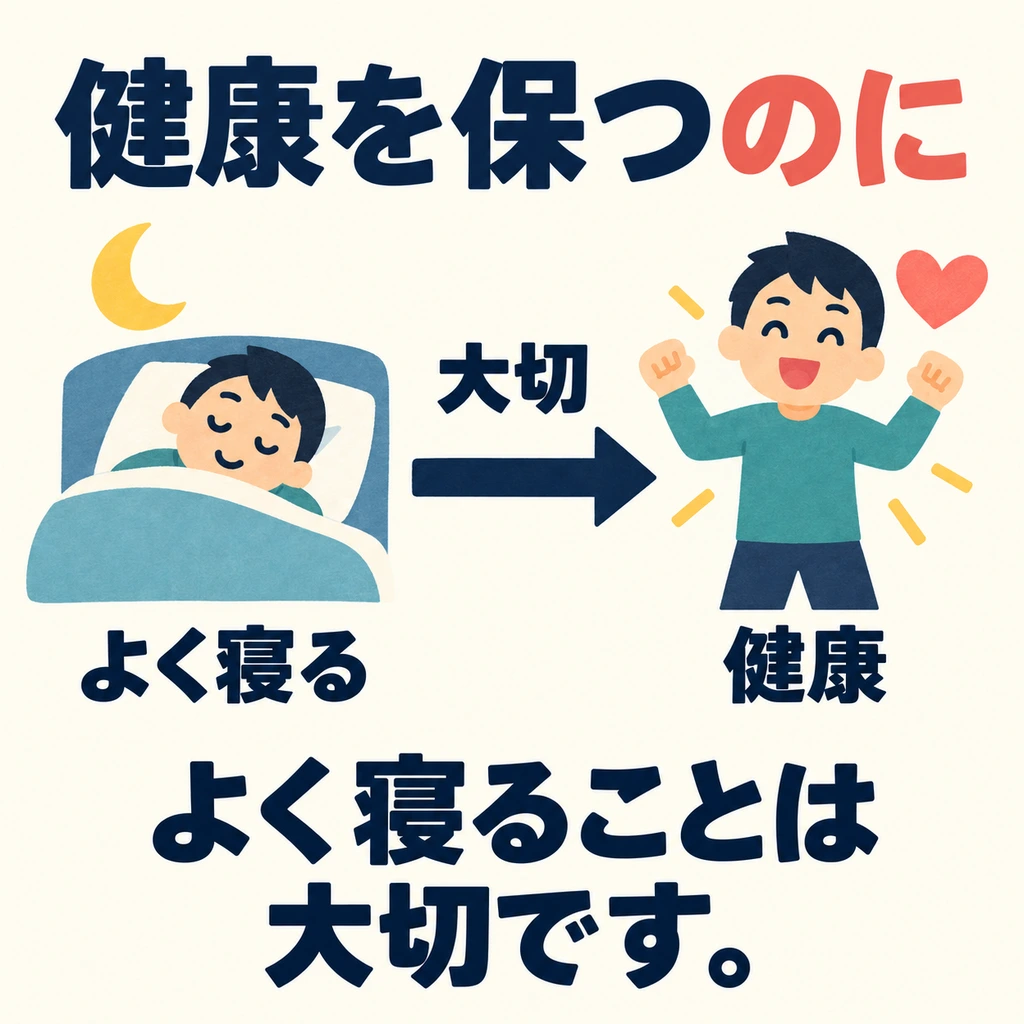
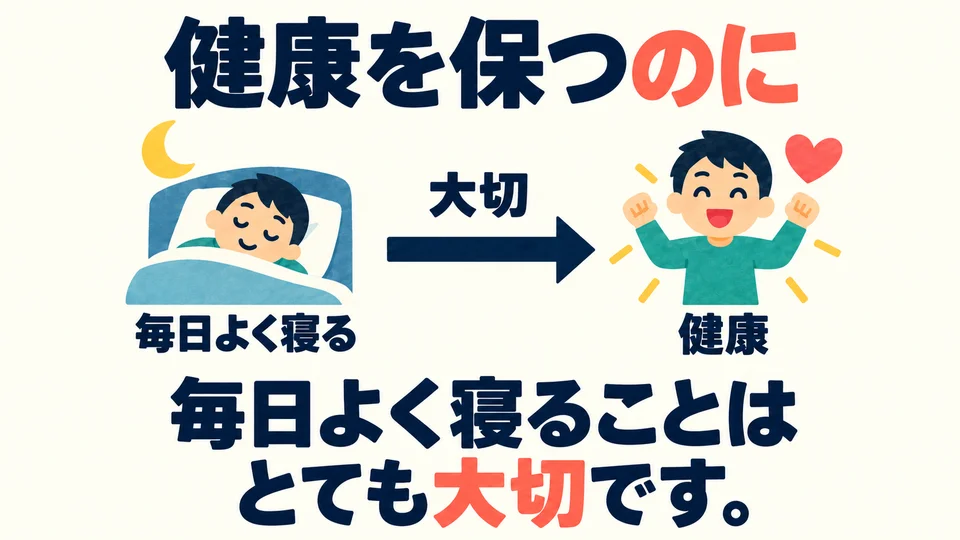
  1. What matters for staying healthy? Follow the arrow from sleep to good health and first identify the goal.
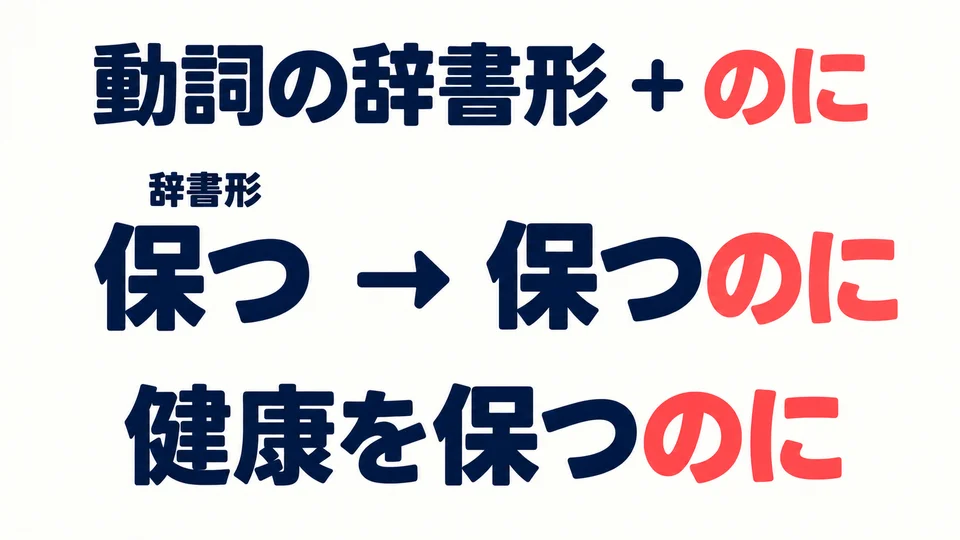
    What matters for staying healthy? Follow the arrow from sleep to good health and first identify the goal.

  2. When an action expresses the goal, add 「のに」 to the verb’s dictionary form: 保つ→保つのに.
    When an action expresses the goal, add 「のに」 to the verb’s dictionary form: 保つ→保つのに.

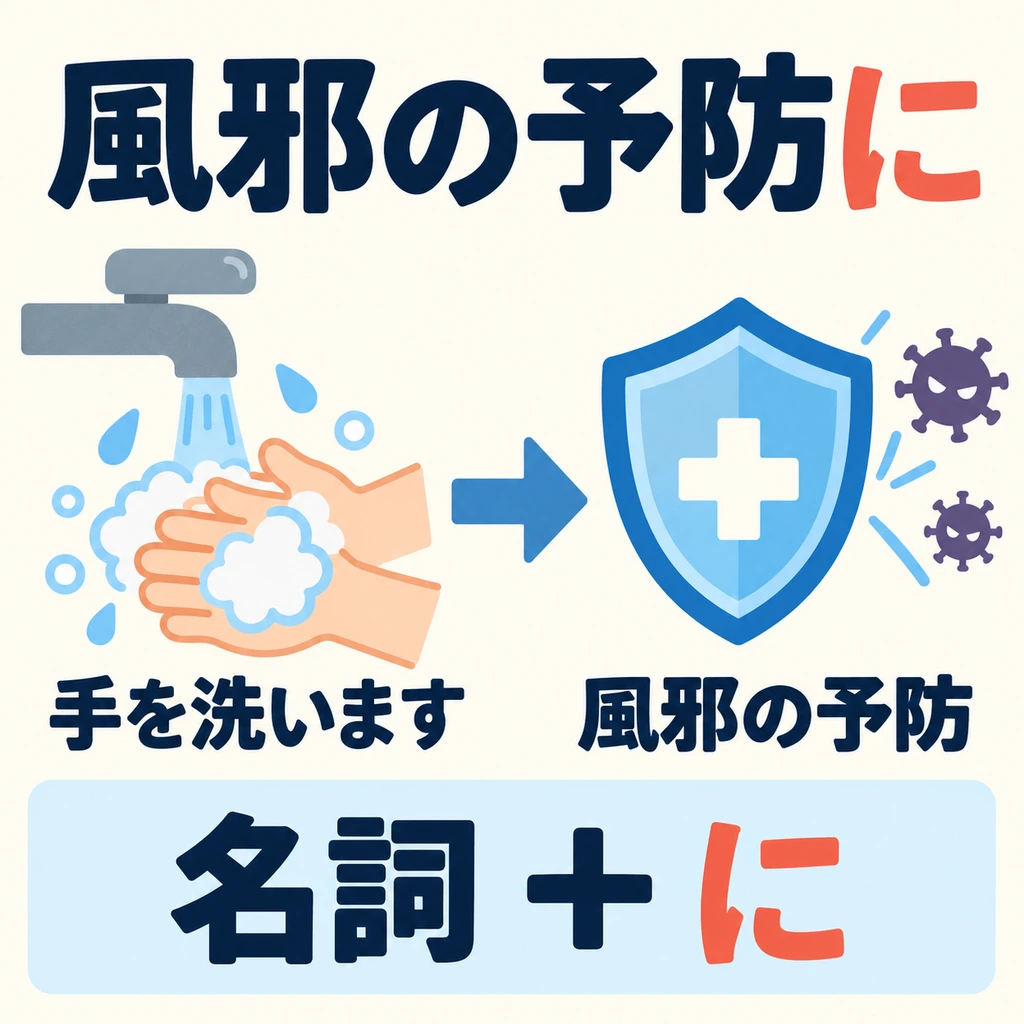
  3. Why wash your hands when you come home? 「風邪の予防」 tells us the purpose: preventing colds.
    Why wash your hands when you come home? 「風邪の予防」 tells us the purpose: preventing colds.

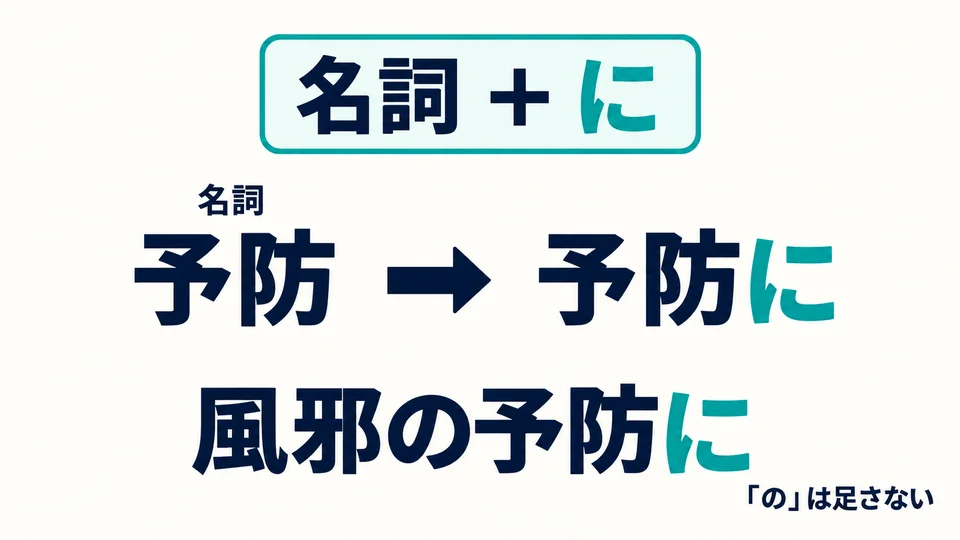
  4. When a noun expresses the purpose, add 「に」 directly: 予防→予防に. Do not add 「の」.
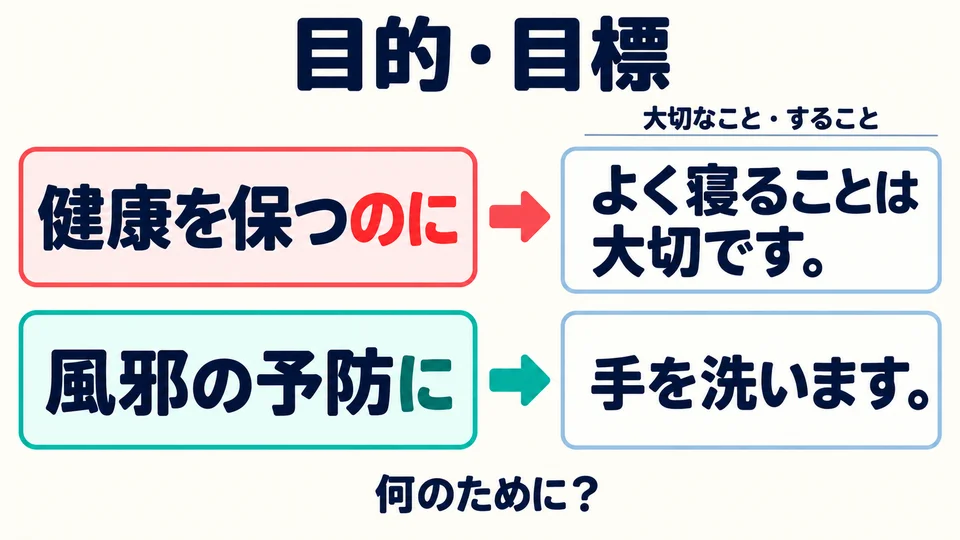
    When a noun expresses the purpose, add 「に」 directly: 予防→予防に. Do not add 「の」.

  5. Both patterns introduce a purpose or goal. The rest of the sentence says what we do for it or what is important for achieving it.
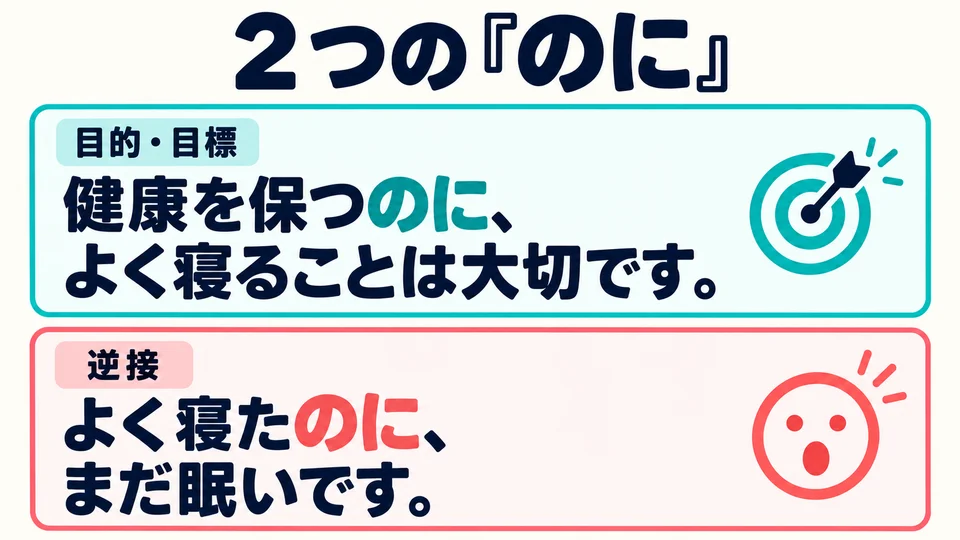
    Both patterns introduce a purpose or goal. The rest of the sentence says what we do for it or what is important for achieving it.
  6. In the health example, 「大切です」 tells us how important an action is for reaching the goal: sleeping well every day matters.

In the health example, 「大切です」 tells us how important an action is for reaching the goal: sleeping well every day matters.

  • Here we discuss what is needed to stay healthy. The contrasting 「のに」 you learned earlier introduces a result that goes against expectations.

    Here we discuss what is needed to stay healthy. The contrasting 「のに」 you learned earlier introduces a result that goes against expectations.

  • Example sentences

    • 健康けんこうkenkouをo保つたもつtamotsuのnoに、ni、毎日まいにちmainichiよくyoku寝るねるneruことkotoはわwaとてもtotemo大切です。たいせつです。taisetsudesu。

      To maintain good health, it is very important to get a good night's sleep every day.

    • 風邪かぜkazeのno予防よぼうyobouに、ni、外そとsotoからkara帰ったら手かえったらてkaettarateをo洗います。あらいます。araimasu。

      To prevent colds, I wash my hands when I get back from outside.

    In a conversation

    • A
      体からだがだるいとき、何なにをしますか。

      A: What do you do when your body feels sluggish?

    • B
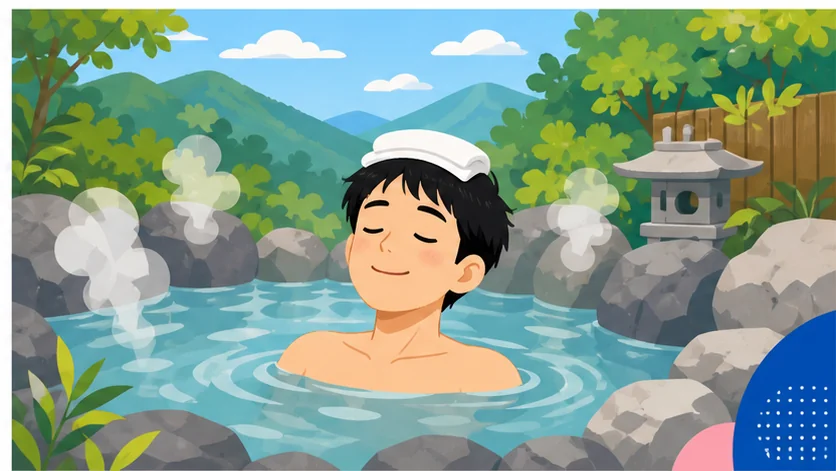
      私わたしは、わ、体力たいりょくを回復かいふくするのに温泉おんせんに行きます。いきます。

      B: I go to a hot spring to recover my physical strength.

    • A
      温泉おんせんはわ体からだが温まっあたたまって、とてもいいですね。

      A: Hot springs warm up your body, so that's very nice.

    Check yourself

    1. Level 1 · Recognise

      Which sentence is correct?

    2. Level 1 · Recognise

      Listen and choose the meaning

    3. Level 2 · Build

      Put the words in order

      I stretch every day to improve my posture.

    4. Level 3 · Use

      What goes in the blank?

      ____、毎日よく寝ることはとても大切です。

      To stay healthy, getting good sleep every day is very important.

    More grammar in this theme

    • 〜もsurprisingly many or long
    • 〜しか〜ないonly; less than enough
    • 〜たらどうですかgentle suggestion or advice
    • 〜ないで〜without doing something
    • 〜らしいですreported news; apparently
    • 〜て〜accompanying state or sequence
    • 〜ないで〜without doing something
    • 〜のに/〜にpurpose or goal
    • 〜やすいですeasy to do
    • 〜にくいですdifficult to do
    • 〜ようにしていますmake a conscious effort; habit
    • 〜ないようにしていますmindful effort to avoid
    • 〜ことにしますdecide to do
    • 〜ないことにしますdecide not to do
    Previous〜ないで〜Next〜やすいです

    Keep practising

    Test your Japanese vocabulary12 adaptive questions, freeCheck your pronunciationRead aloud and get a scorePractise verb forms10-question conjugation quizSee the whole courseGrammar, vocabulary and quizzes by theme
    See the whole course
    Intermediate 1
    Health and Daily Habits