
〜場合~baai
Baai (〜場合) means “in the case that”.
If you want to cancel your reservation, please contact us by the day before.
Use 〜場合 to name a situation and explain the rule or action that applies in that case.
In the course
How it works
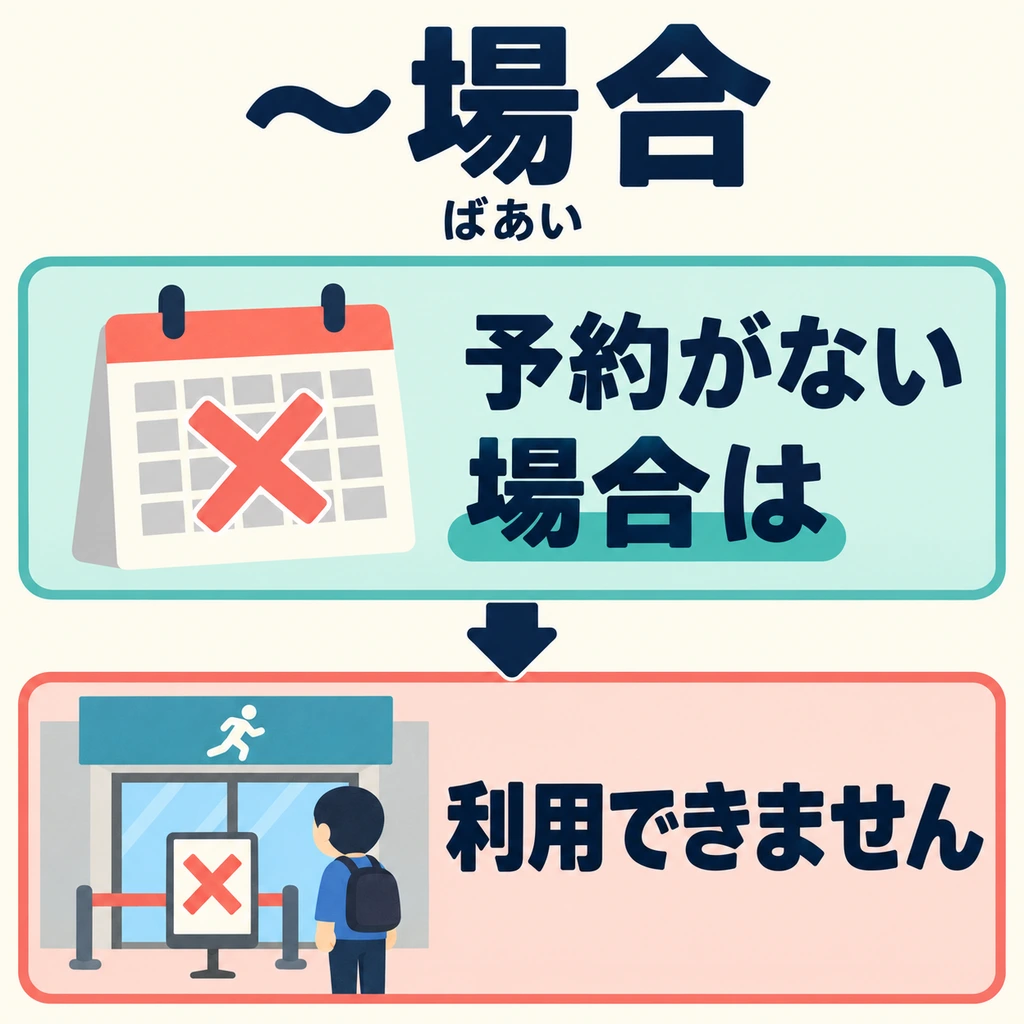
Can you use the facility without a reservation? 「場合」 first specifies a situation, then explains the rule that applies.
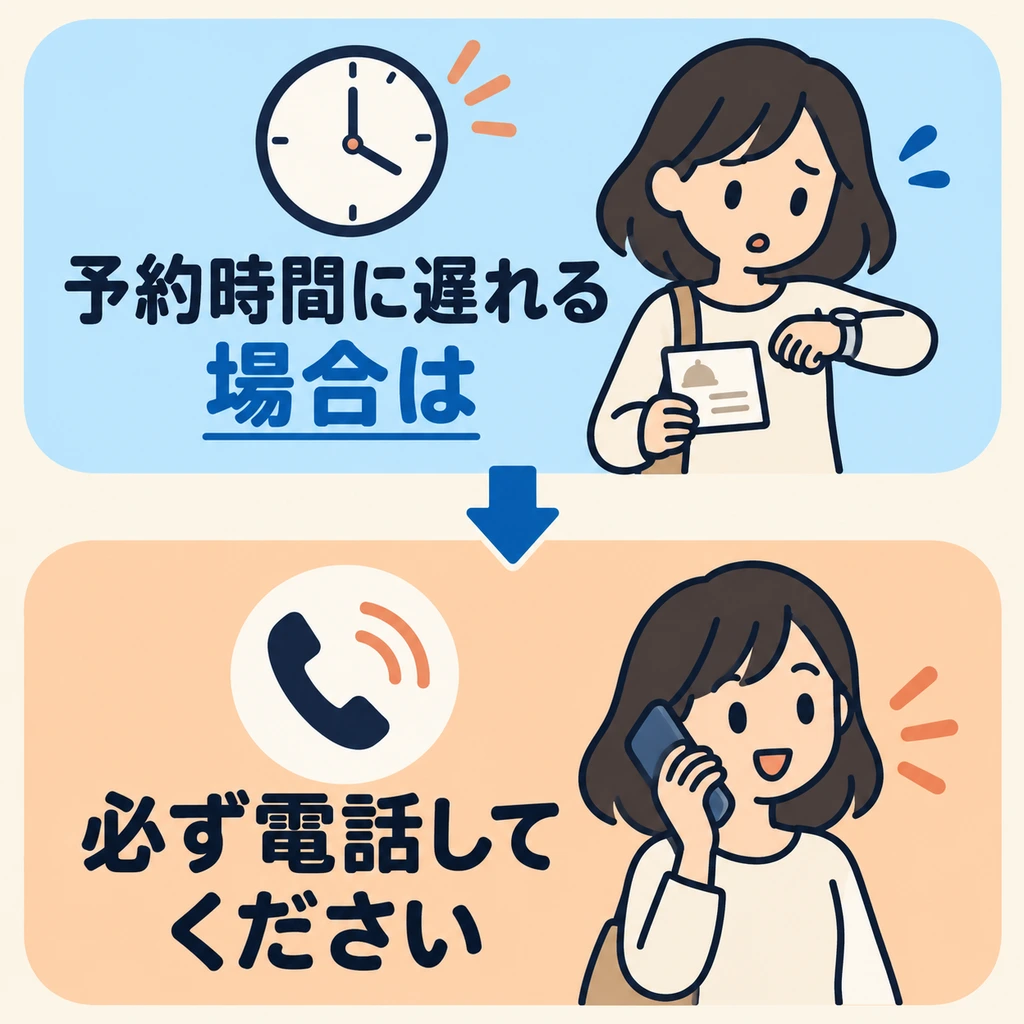
What should you do if you will be late? What follows 「場合は」 explains the action to take in that situation.
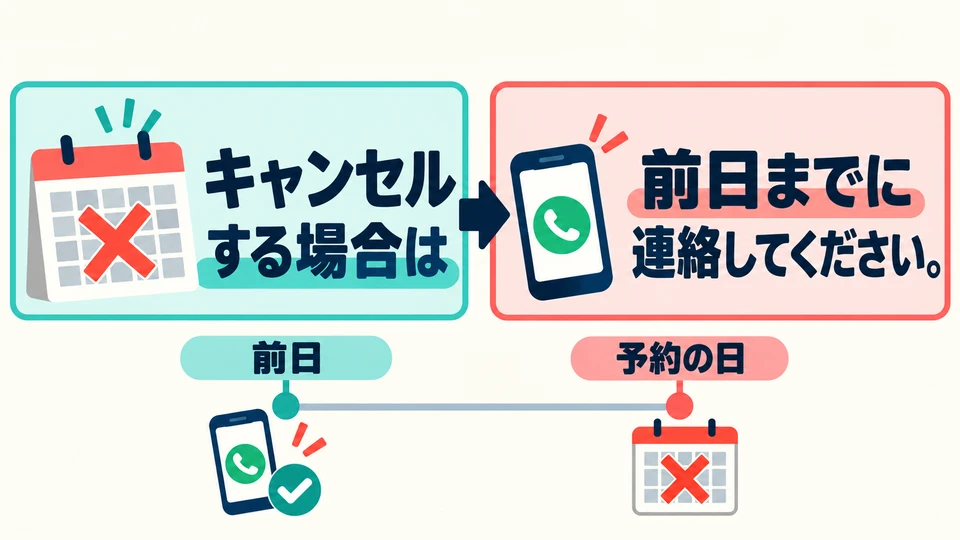
「キャンセルする場合は」 means “if you cancel.” The rest explains that you must get in touch no later than the day before.
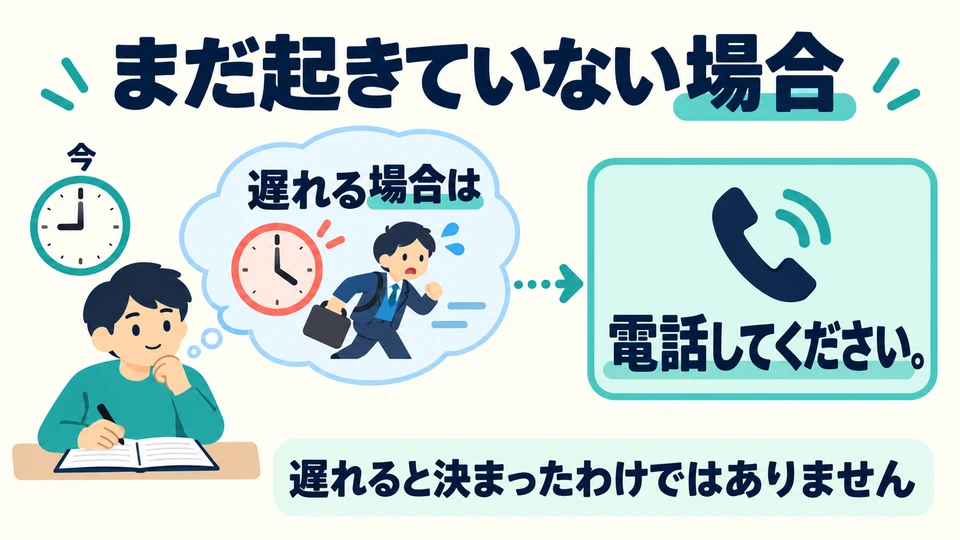
「場合」 can also describe a situation that has not happened yet. Saying “if you are late” does not mean you are already late.
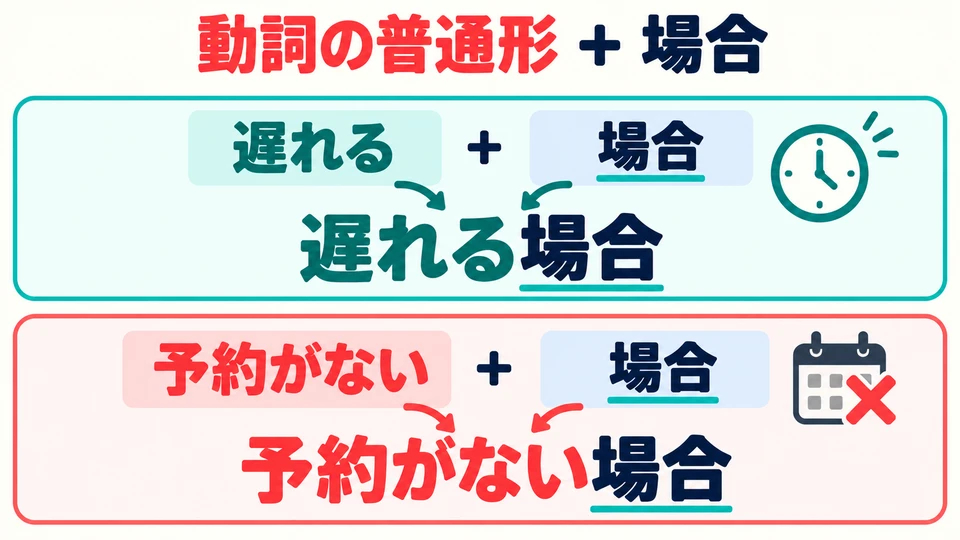
Use the plain form of a verb before 「場合」, as in 「遅れる場合」 and 「予約がない場合」.
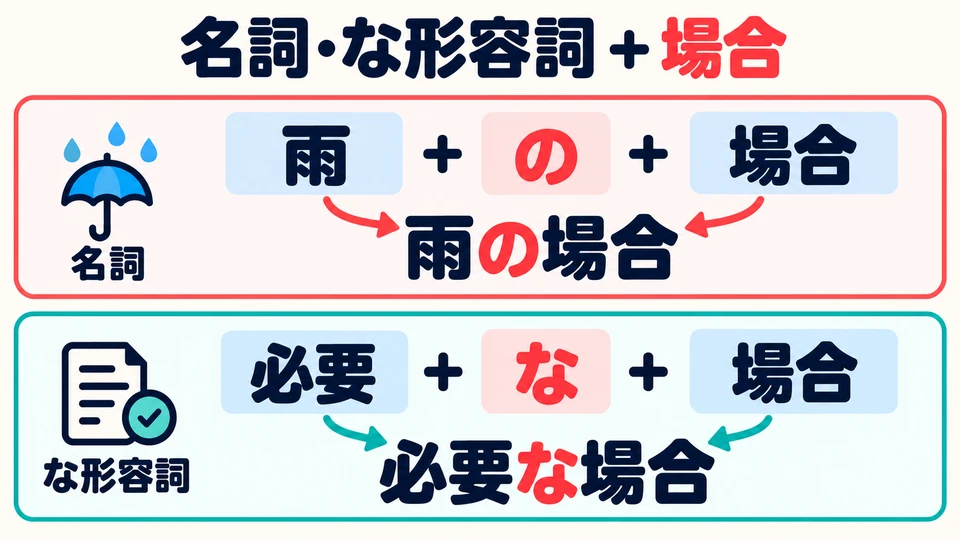
Add 「の」 after a noun and 「な」 after a な-adjective: 「雨の場合」 and 「必要な場合」.
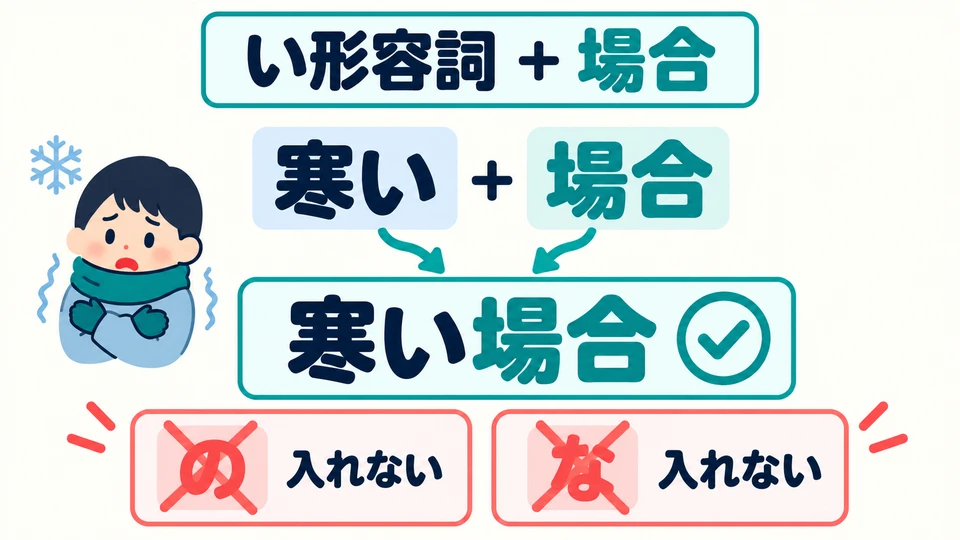
An い-adjective goes directly before 「場合」, as in 「寒い場合」. Do not add 「の」 or 「な」 here.
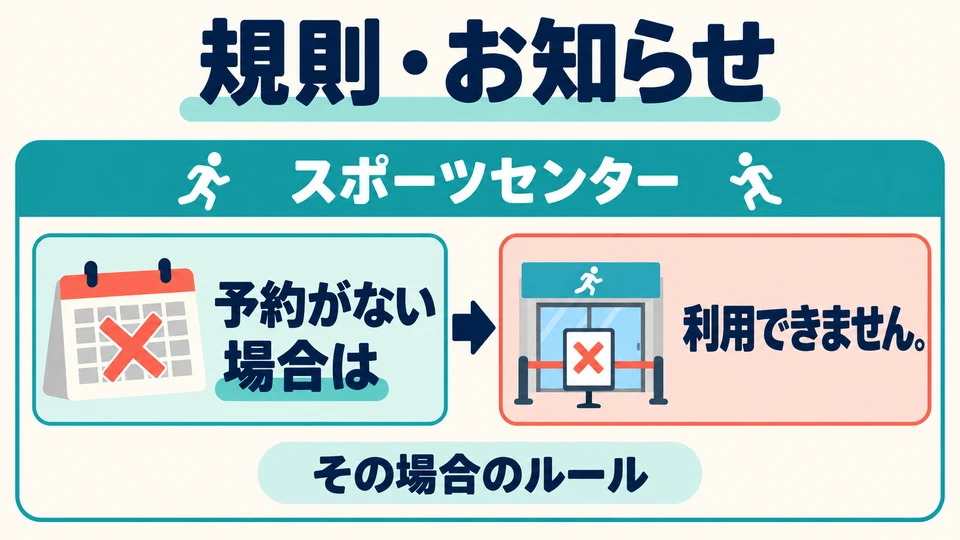
「場合」 is often used in rules, notices, and instructions. It highlights what to do in a particular situation.
Example sentences
- 予約yoyakuをoキャンセルkyanseruするsuru場合baaiは、wa、前日zenjitsuまでmadeにni連絡renrakuしshiて
In a conversation

- Aすみません、このスポーツセンターを利用する場合は、予約が必要ですか。
A: Excuse me, do I need a reservation to use this sports center?
- B
Check yourself
Level 1 · Recognise
Which sentence is correct?
Level 1 · Recognise
Listen and choose the meaning
Level 2 · Build
Put the words in order
If you need to cancel your reservation, please contact us by the day before.
Level 3 · Use
What goes in the blank?
体調が悪い____は、無理をしないで休んでください。
If you don't feel well, don't push yourself and rest.
More grammar in this theme
- 〜場合in the case that