
Japanese grammar · ≈ JLPT N1 · Intermediate 3
〜となると・〜となれば・〜となったら~to naru to / ~to nareba / ~to nattara
when facing a situation
「〜となると」 sets up a situation to face, then explains the judgment, need, or action it brings.
How it works

Treat going on to university as a situation ahead, then explain which skills it will require.
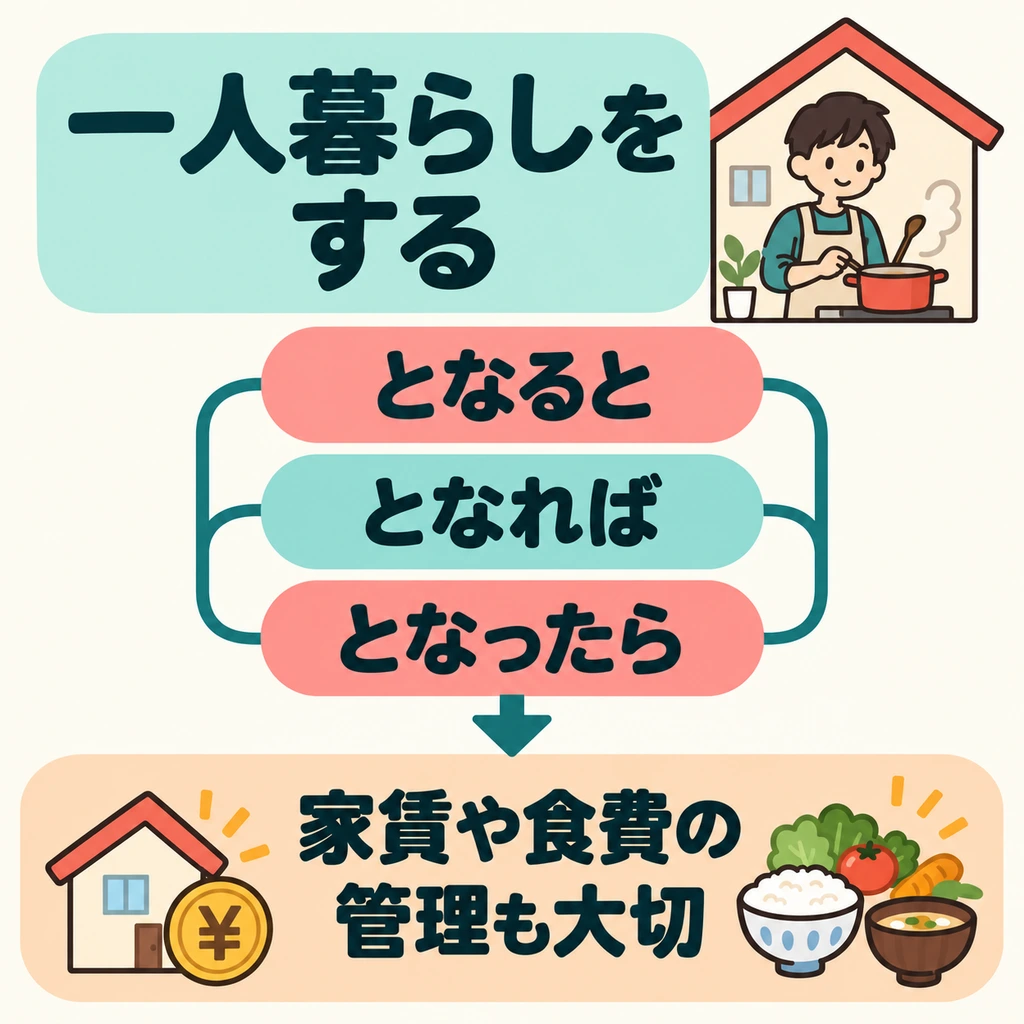
All three forms can introduce a situation to be faced; 「となったら」 sounds more conversational.
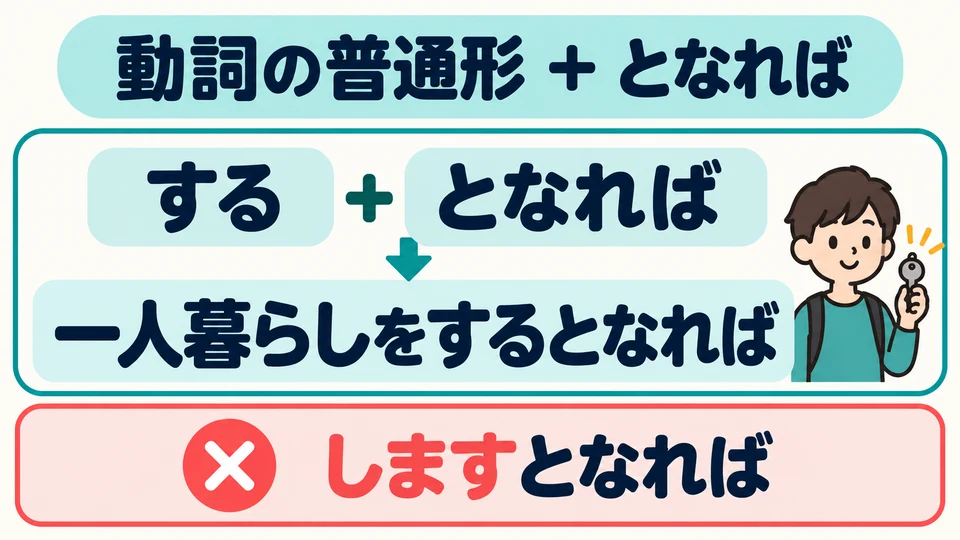
Use the plain form of a verb, as in 「するとなれば」, not 「しますとなれば」.
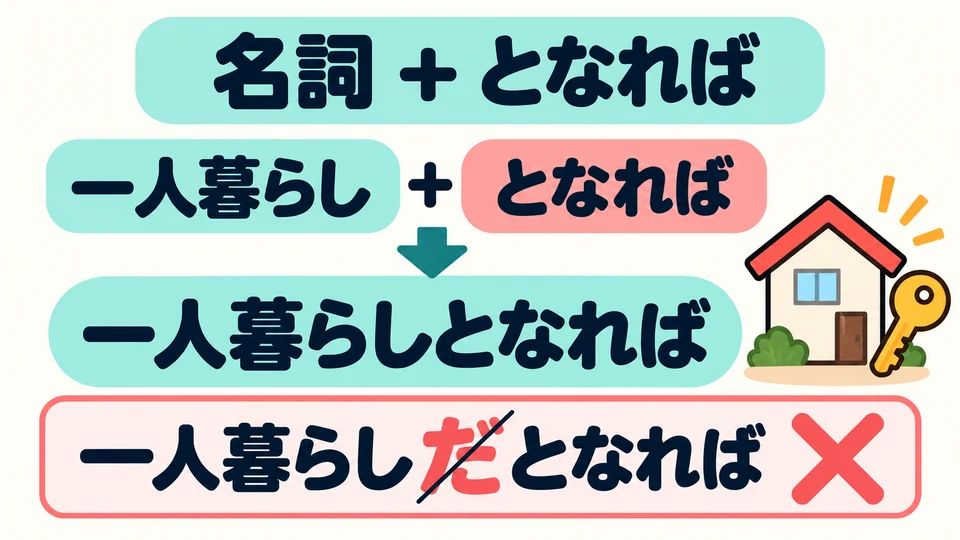
A noun can also connect directly, as in 「一人暮らしとなれば」, with no 「だ」 in between.
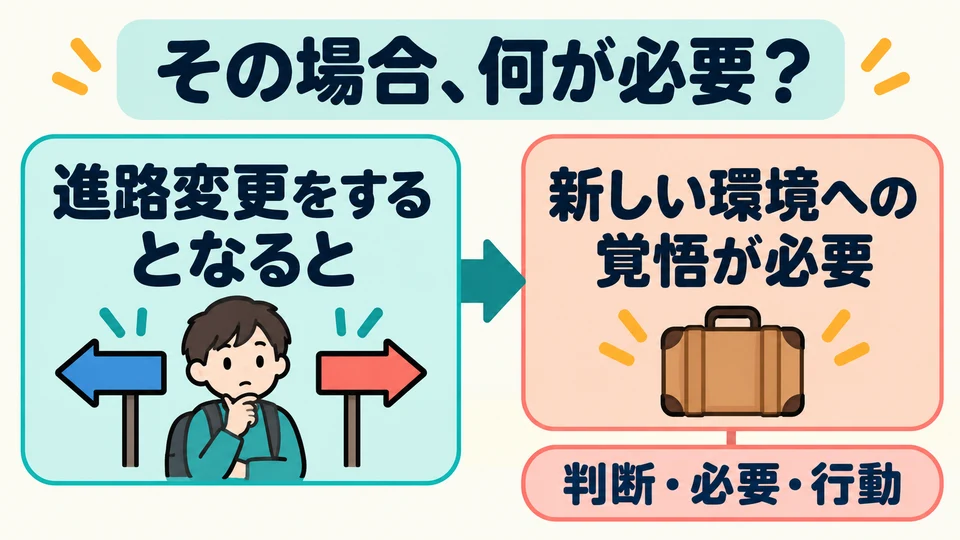
The following clause explains a judgment, need, or action in that situation, spelling out practical concerns.

The example about living alone imagines a future situation; it does not mean the person has already started living alone.
Example sentences
- 日本nipponのno大学daigakuにni進学shingakuするsuruとtoなるnaruと、to、日本nihon語力goryoku
In a conversation

Check yourself
Level 1 · Recognise
Which sentence is correct?
Level 1 · Recognise
Listen and choose the meaning
Level 2 · Build
Put the words in order
If you go on to a university in Japan, you will need not only Japanese ability but also life skills.
Level 3 · Use
What goes in the blank?
日本の大学に進学する____、日本語力だけでなく生活力も必要になります。
If you are going to attend a university in Japan, you need not only Japanese ability but also life skills.
More grammar in this theme
- 〜となると・〜となれば・〜となったらwhen facing a situation