JPEDLAB iconJPEDLAB
Save history

Create an account and play

Explore first, then save your progress whenever you are ready. No email address is required.

Start free
Read as articleCards
See the whole course›Intermediate 2›Thoughtful Communication and Feelings

Japanese grammar · ≈ JLPT N2 · Intermediate 2

〜のことになると・〜のこととなると~ no koto ni naru to / ~ no koto to naru to

when it comes to

Use 「〜のことになると」 when a particular topic brings out someone’s unusual reaction.

Start the interactive lessonIllustrated cards, audio and speaking practice

How it works

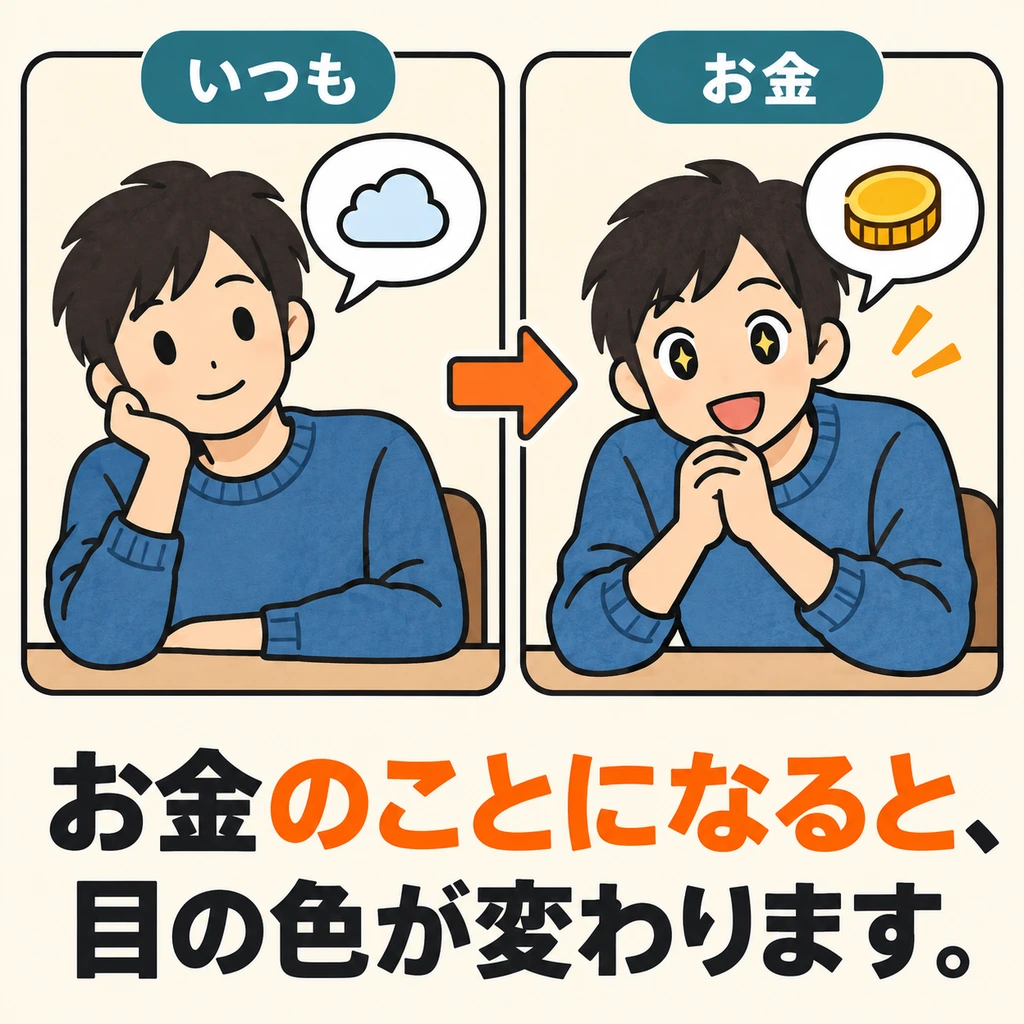
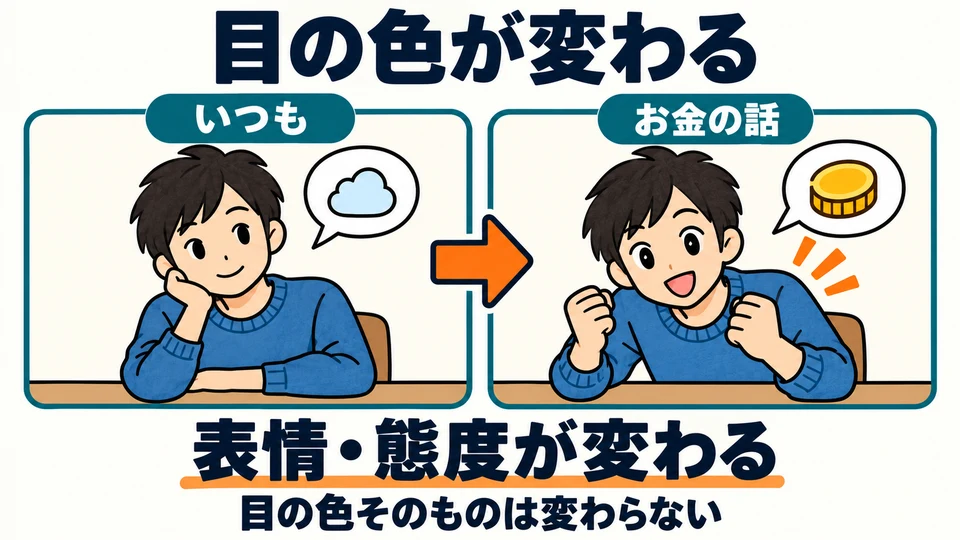
  1. Why has the same person’s expression changed? As soon as money comes up, he reacts differently from usual.
    Why has the same person’s expression changed? As soon as money comes up, he reacts differently from usual.

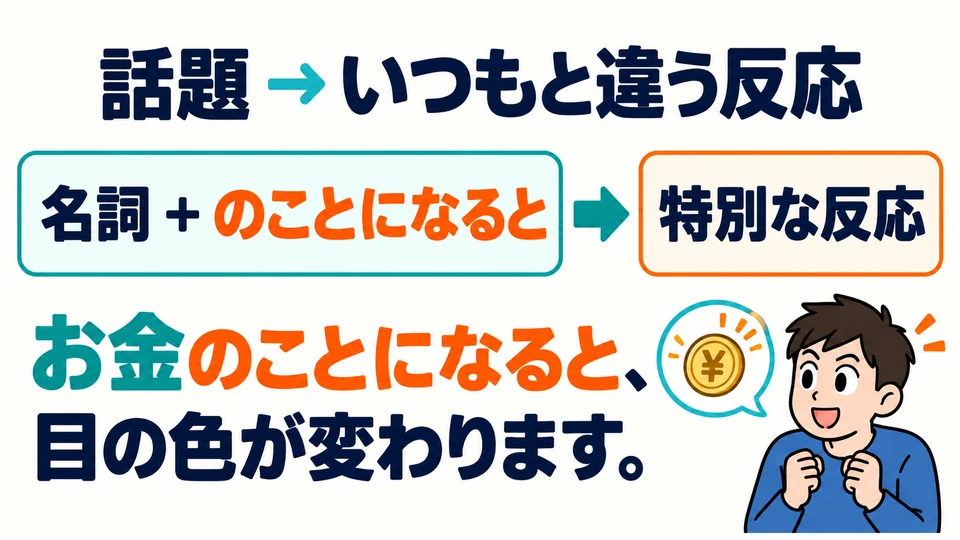
  2. Put the specific topic first: noun + のことになると. Then describe the unusual reaction.
    Put the specific topic first: noun + のことになると. Then describe the unusual reaction.

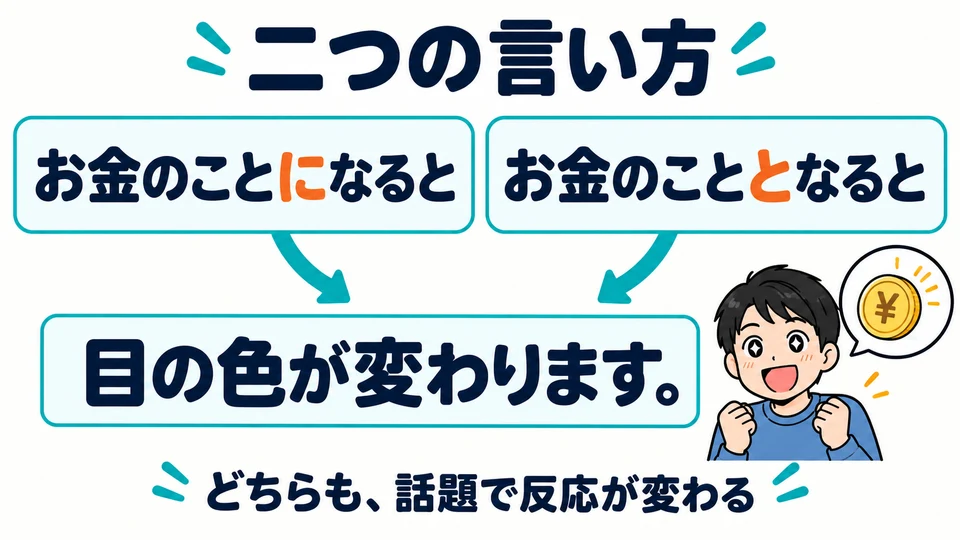
  3. のこととなると also means that when a certain matter comes up, someone reacts differently from usual.
    のこととなると also means that when a certain matter comes up, someone reacts differently from usual.

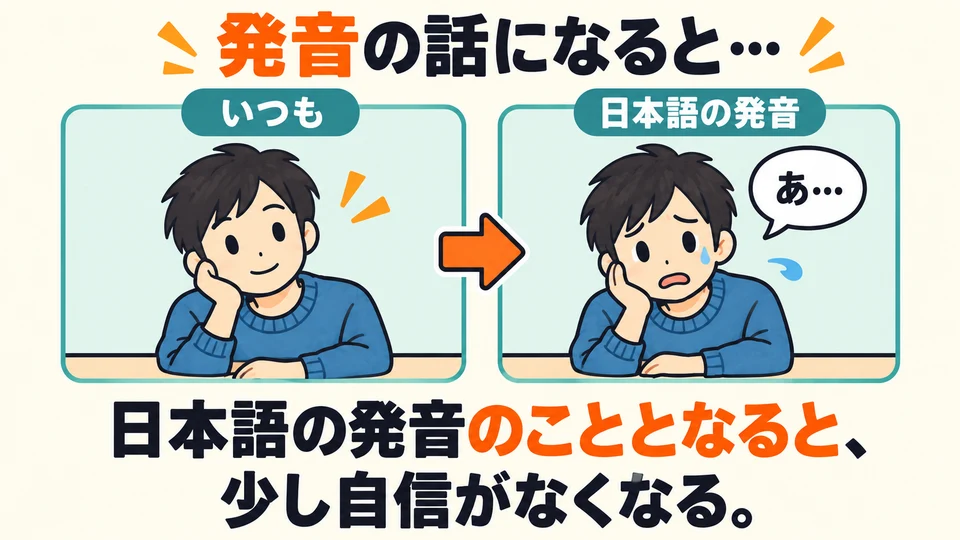
  4. In the pronunciation example, he loses confidence when pronunciation comes up. The change can be negative, too.
    In the pronunciation example, he loses confidence when pronunciation comes up. The change can be negative, too.

  5. In the money example, 「目の色が変わる」 means a change in expression or attitude, not a literal change in eye color.

    In the money example, 「目の色が変わる」 means a change in expression or attitude, not a literal change in eye color.

Example sentences

  • 日本にほんnihon語ごgoのno発音はつおんhatsuonのnoことkotoとtoなるnaruと、to、彼かれkareはわwa少し

In a conversation

Check yourself

  1. Level 1 · Recognise

    Which sentence is correct?

  2. Level 1 · Recognise

    Listen and choose the meaning

  3. Level 2 · Build

    Put the words in order

    When it comes to his own position, he suddenly becomes serious and starts thinking.

  4. Level 3 · Use

    What goes in the blank?

    日本語の発音の____、彼は少し自信がなくなるようです。

    When it comes to Japanese pronunciation, he seems to lose a bit of confidence.

More grammar in this theme

  • 〜のことになると・〜のこととなるとwhen it comes to

Keep practising

Test your Japanese vocabulary12 adaptive questions, freeCheck your pronunciationRead aloud and get a scorePractise verb forms10-question conjugation quizSee the whole courseGrammar, vocabulary and quizzes by theme
すこし
sukoshi
自信じしんjishin
がga
なくなるnakunaru
ようです。youdesu。

When it comes to Japanese pronunciation, he seems to lose some confidence.

  • A
    田中さんたなかさんはわいつも優しいやさしいけれど、仕事しごとの配慮はいりょのことになると本当ほんとうに厳しいですきびしいですね。

    A: Tanaka is always kind, but when it comes to consideration for work, he is really strict.

  • 友だちともだちtomodachiはわwaお金おかねokaneのnoことkotoとtoなるnaruと、to、目めmeのno色いろiroがga変わります。かわります。kawarimasu。

    When it comes to money, my friend's eyes light up.

  • B
    それだけ仕事しごとに対したいして真剣しんけんに取りにとり組んくんでいるということでしょう。

    B: That probably means he takes his work that seriously.

  • A
    なるほど、相手あいてのことを思っおもってこその厳しさきびしさなんですね。

    A: I see, so the strictness is precisely out of consideration for the other person.

  • 〜のことなんですがgently introduce a topic
    〜させていただけませんかpolitely ask permission
    〜ものですからgently explain a reason
    〜の代わりに・〜に代わってinstead of; in place of
    〜おかげでthanks to; good result
    〜おかげだcredit a good result
    〜くせにreproachful contradiction
    〜せいでblame for a bad result
    〜に決まっているstrong certainty; bound to
    人を〜にさせるtrigger someone’s feelings
    〜ことはないno need to
    人にしたら・人にすればfrom someone’s perspective
    人にしてみたら・人にしてみればfrom someone’s perspective
    〜たびにevery time
    〜ば・〜ならばif; on the condition that
    〜たら・〜ためにif; in order to
    Previous〜ことはない
    Next人にしたら・人にすれば