
Japanese grammar · ≈ JLPT N3 · Intermediate 2
〜くせに~kuse ni
reproachful contradiction
Use 「〜くせに」 for a contradiction that reproaches or criticizes someone, often with annoyance.
How it works
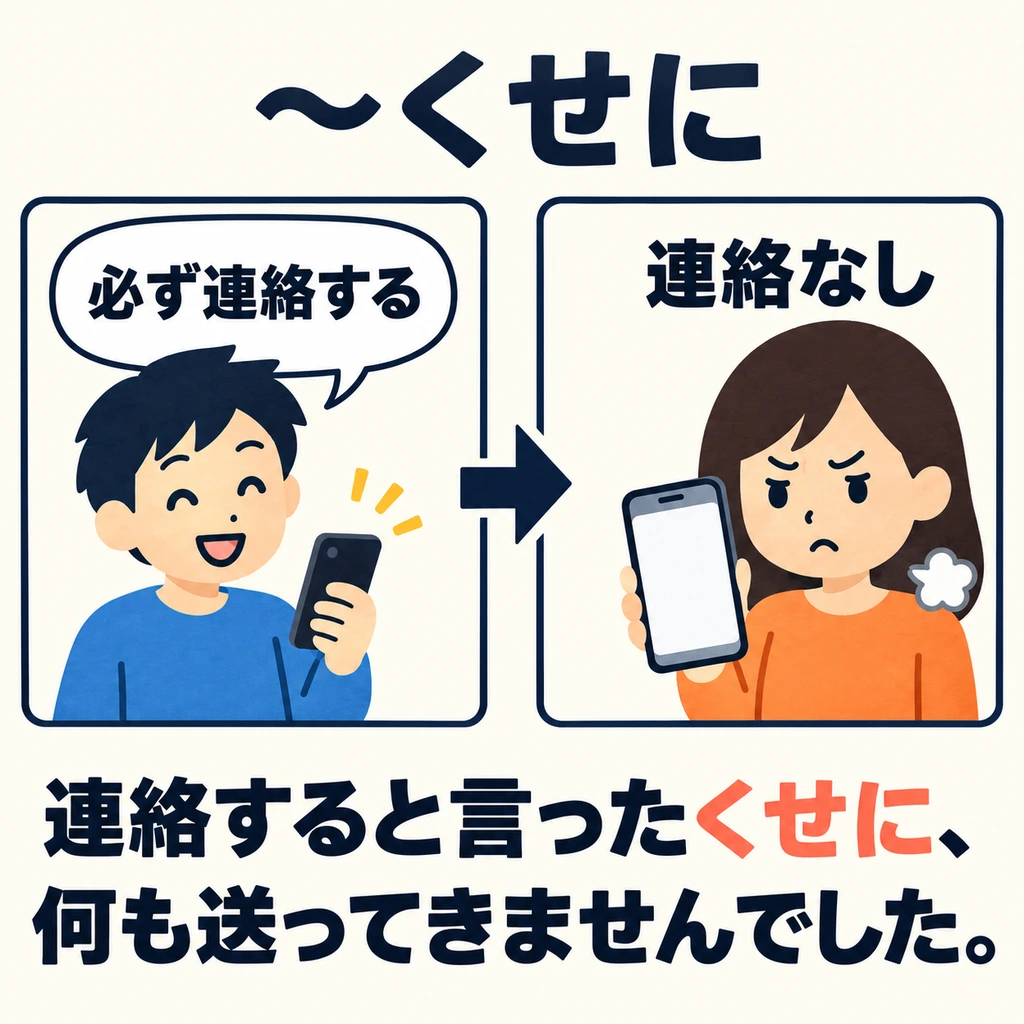
They promised to get in touch, but no message came. Look at her face: what is she blaming them for?
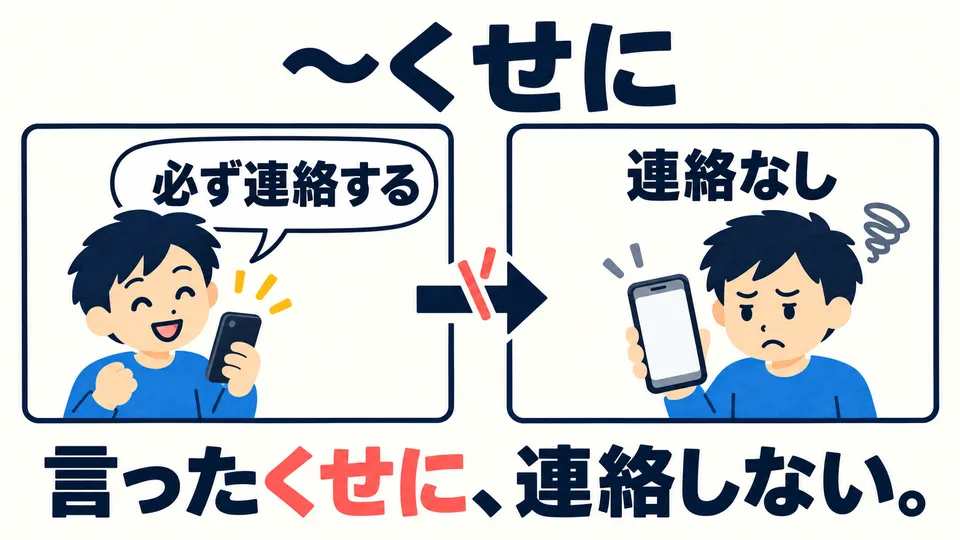
The first part gives a role, situation, or something someone said. The second goes against the expectations this creates.
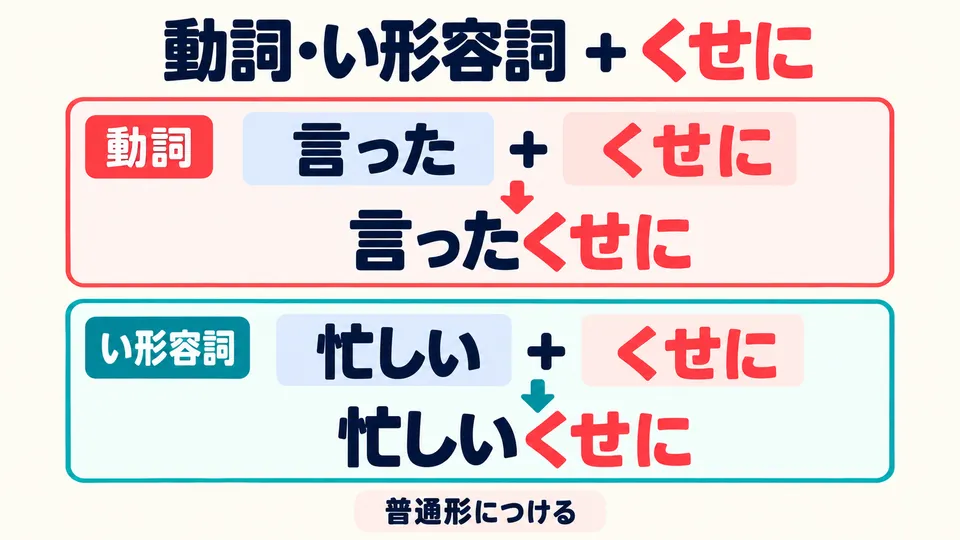
Attach 「くせに」 to the plain form of verbs and い-adjectives. In the example, it is 「言ったくせに」.
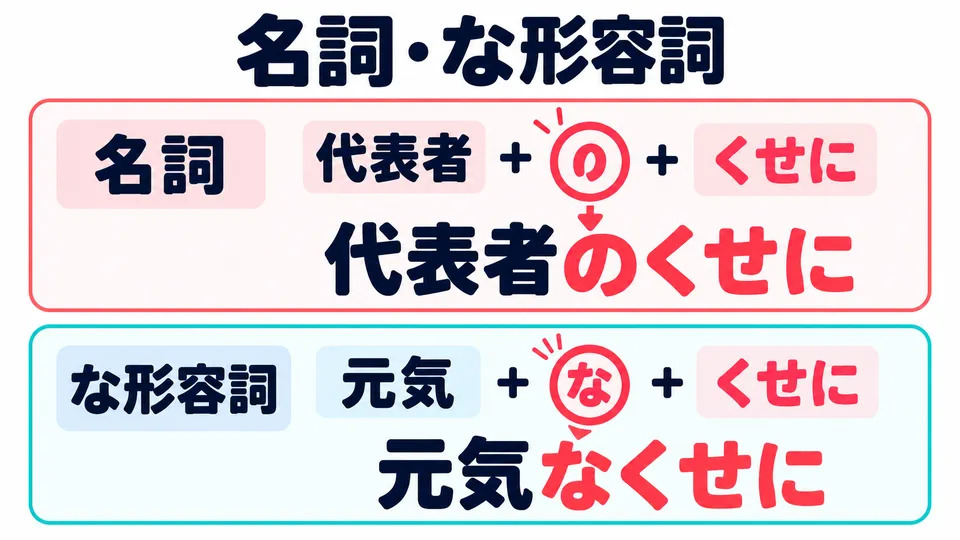
Nouns take 「のくせに」, and な-adjectives take 「なくせに」. Notice the form in between.
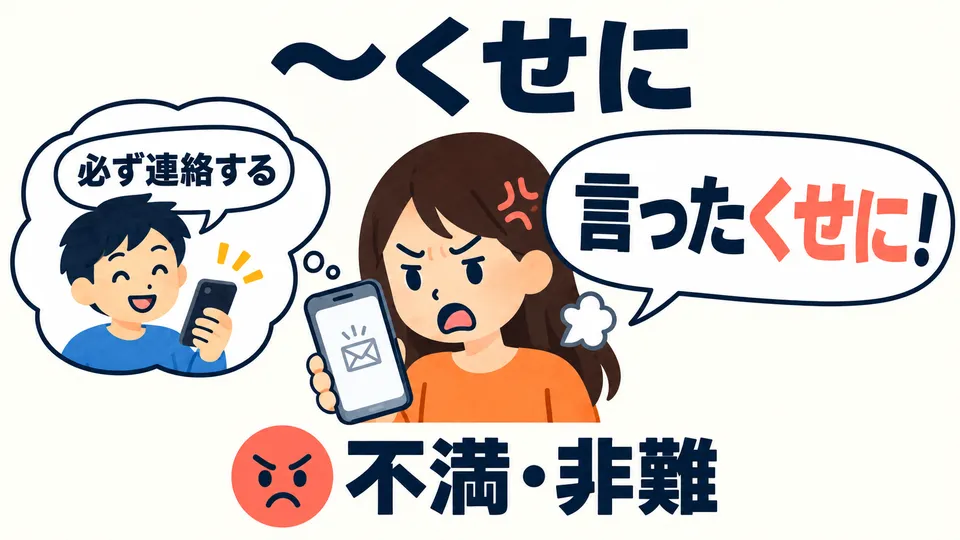
The speaker does more than point out a contradiction: they blame or criticize the other person, often with annoyance or contempt.
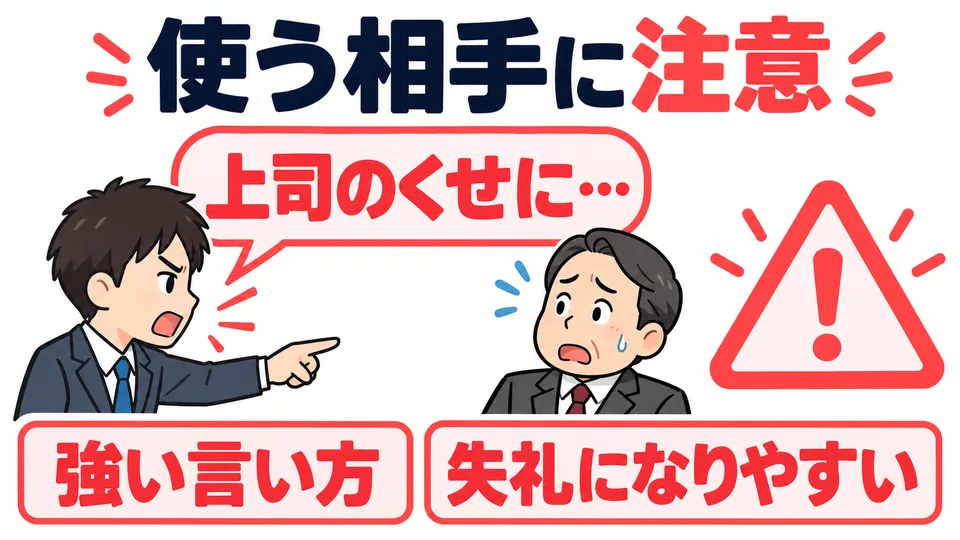
The tone is sharp. Saying it directly to someone can hurt them, and using it with a superior can sound especially rude.
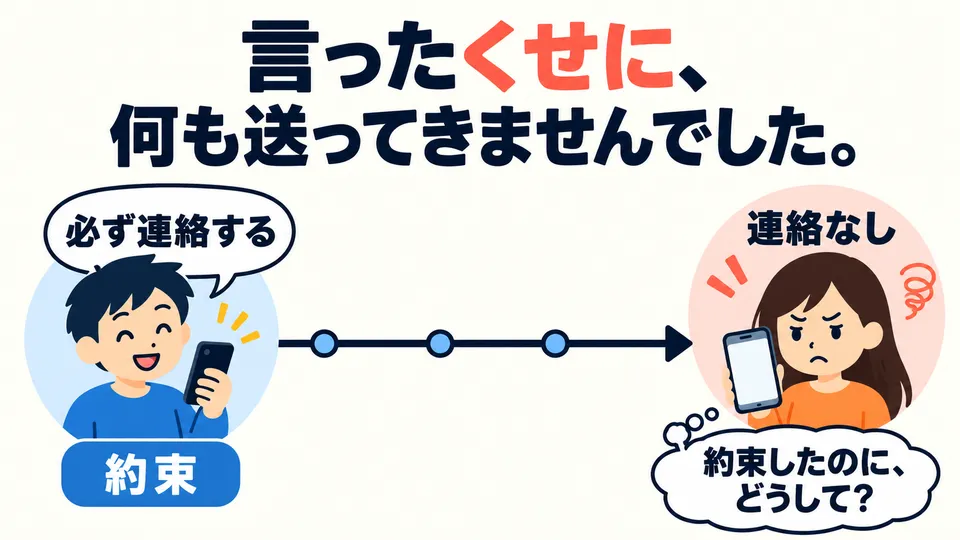
The first sentence starts with a promise the person made themselves. The reproach is: if you promised, why didn’t you get in touch?
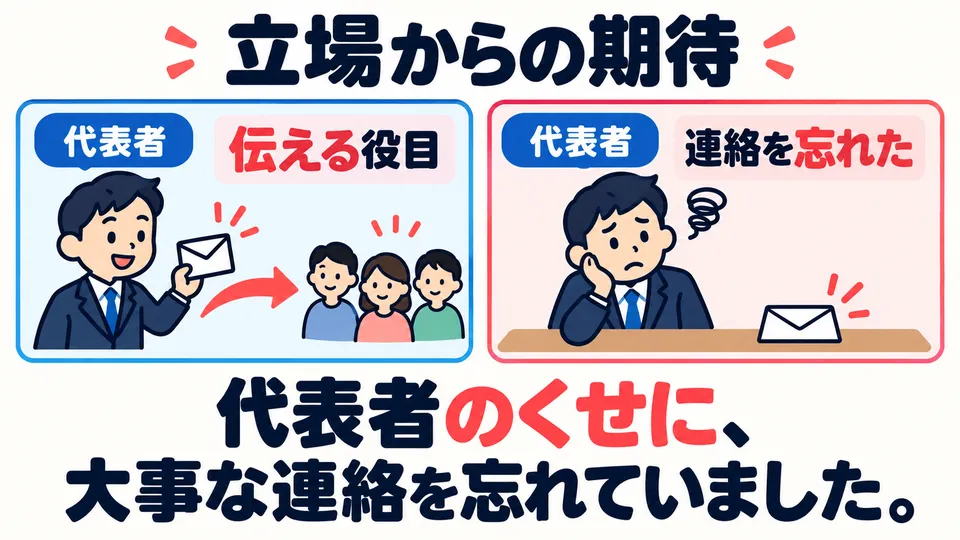
The second sentence bases the reproach on their role as representative: they should pass on information, but forgot the important notification.
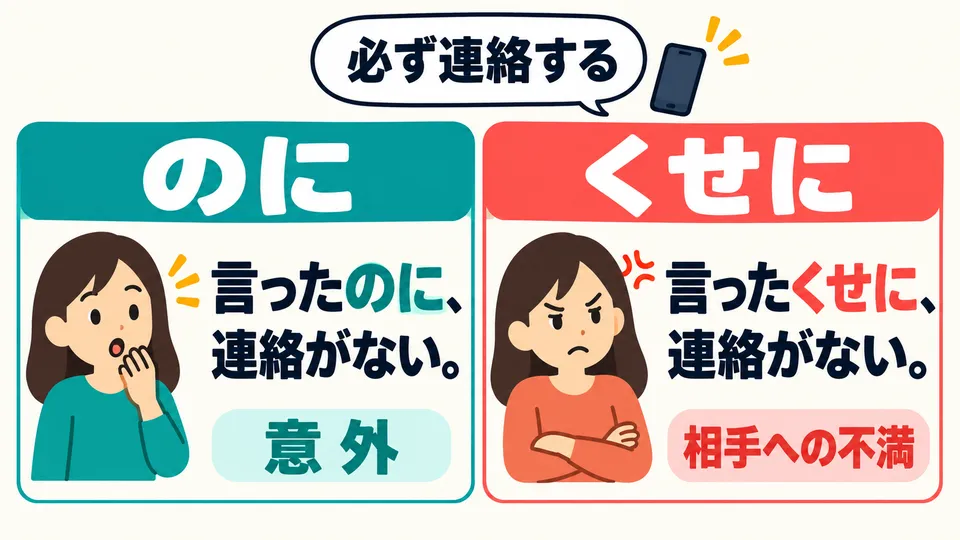
Both sentences can also express surprise with 「のに」. 「くせに」 brings out the annoyance directed at the person more strongly.
Example sentences
- 自分jibunで「de必ずkanarazu連絡renrakuする」suruとto言ったくせittakuseに、ni、何nanもmo送っ
In a conversation

Check yourself
Level 1 · Recognise
Which sentence is correct?
Level 1 · Recognise
Listen and choose the meaning
Level 2 · Build
Put the words in order
Even though they said themselves, "I'll definitely contact you," they didn't send anything.
Level 3 · Use
What goes in the blank?
自分で「必ず連絡する」と言った____、何も送ってきませんでした。
Even though they said they would definitely contact me, they sent nothing.
More grammar in this theme
- 〜くせにreproachful contradiction