JPEDLAB iconJPEDLAB
Save history

Create an account and play

Explore first, then save your progress whenever you are ready. No email address is required.

Start free
Read as articleCards
See the whole course›Intermediate 3›School Systems and Educational Experiences

Japanese grammar · ≈ JLPT N2 · Intermediate 3

〜次第だ・〜次第で~shidai da / ~shidai de

depends on; depending on

「〜次第だ・〜次第で」 says an outcome depends on the noun named as its key factor.

Start the interactive lessonIllustrated cards, audio and speaking practice

How it works

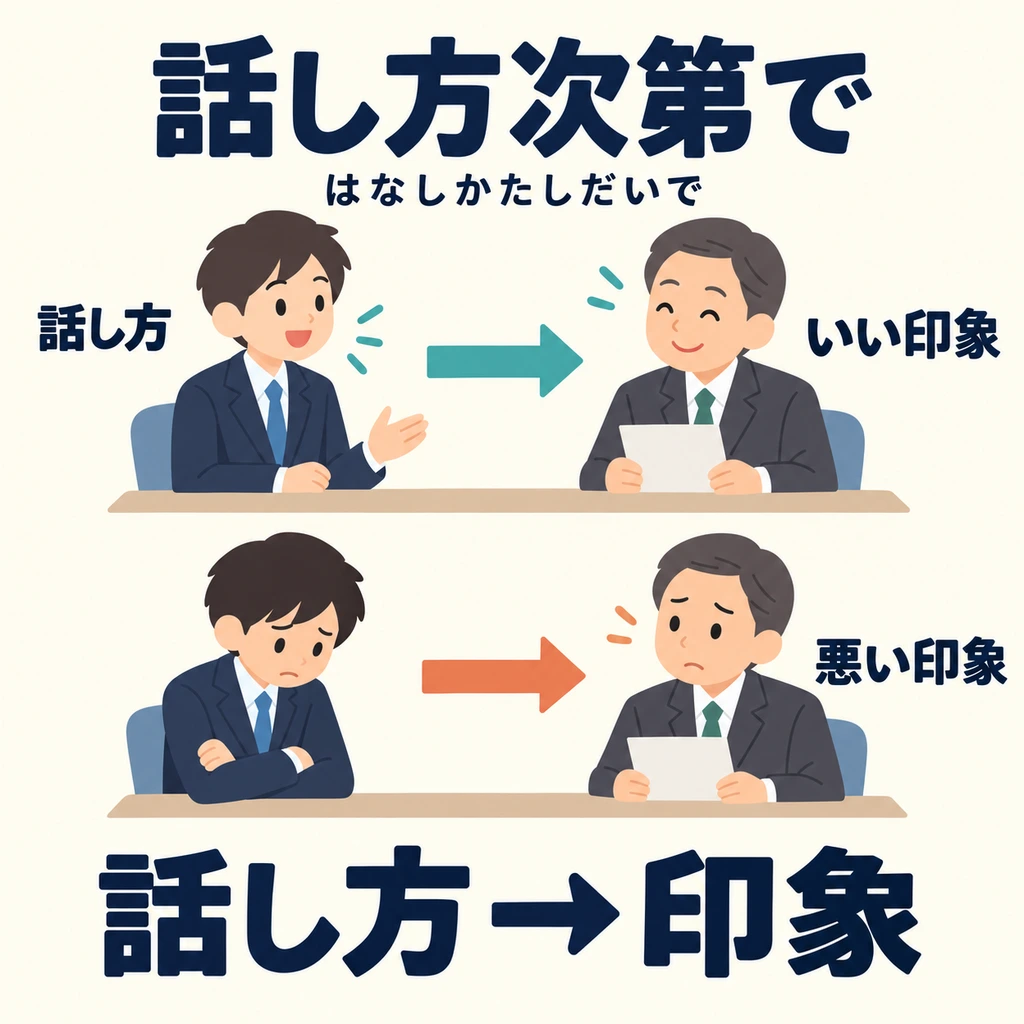
  1. Why does the same person leave different impressions in an interview? Change the way they speak, and the impression changes too.
    Why does the same person leave different impressions in an interview? Change the way they speak, and the impression changes too.

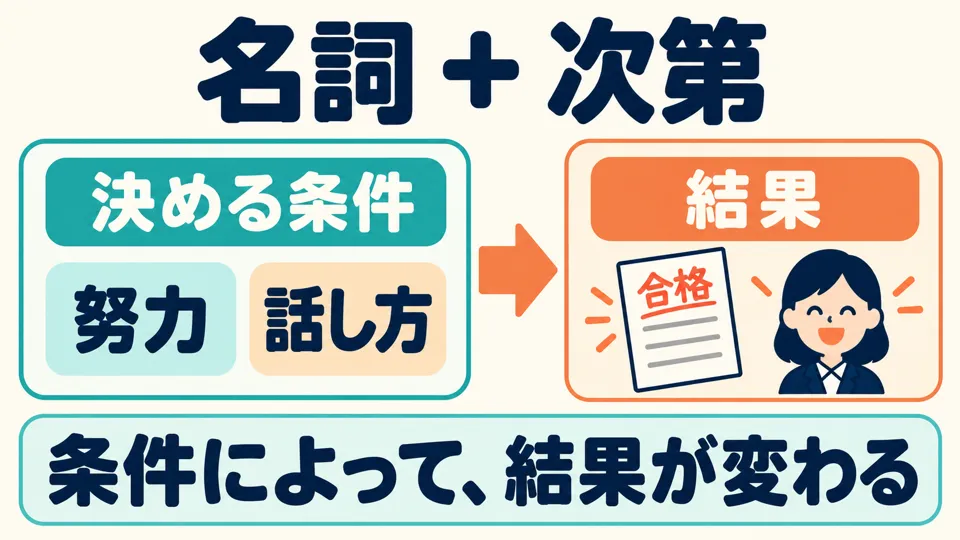
  2. “Noun + 次第” means the outcome depends on that factor. The noun before 次第 names the key condition.
    “Noun + 次第” means the outcome depends on that factor. The noun before 次第 names the key condition.

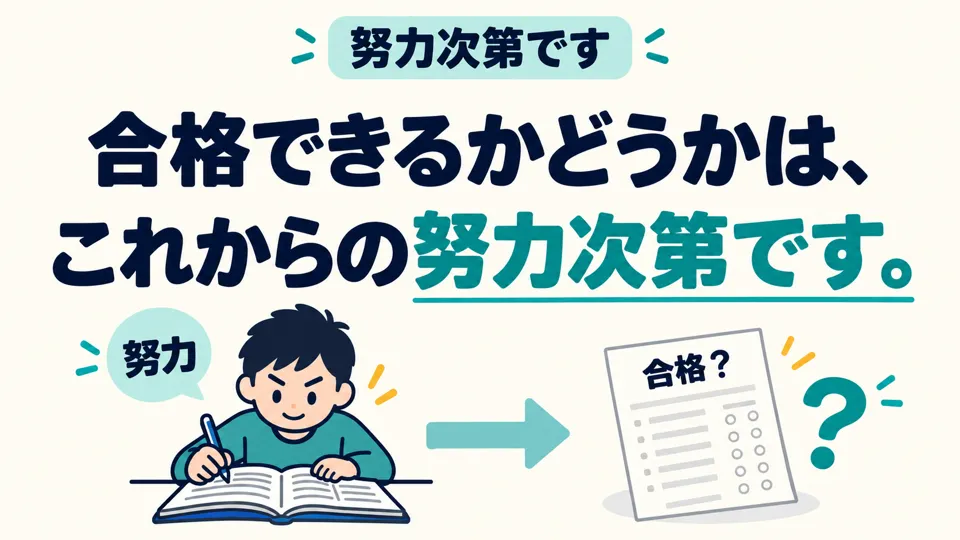
  3. 「努力次第です」 comes at the end of the sentence: whether you pass depends on the effort you make from now on.
    「努力次第です」 comes at the end of the sentence: whether you pass depends on the effort you make from now on.

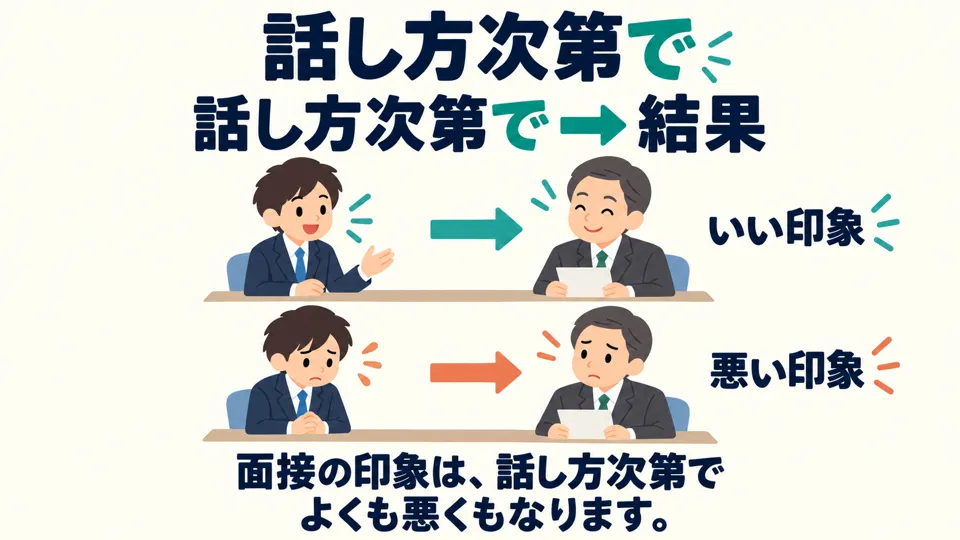
  4. 「話し方次第で」 is followed by the outcome. It shows that the impression can be good or bad depending on how you speak.
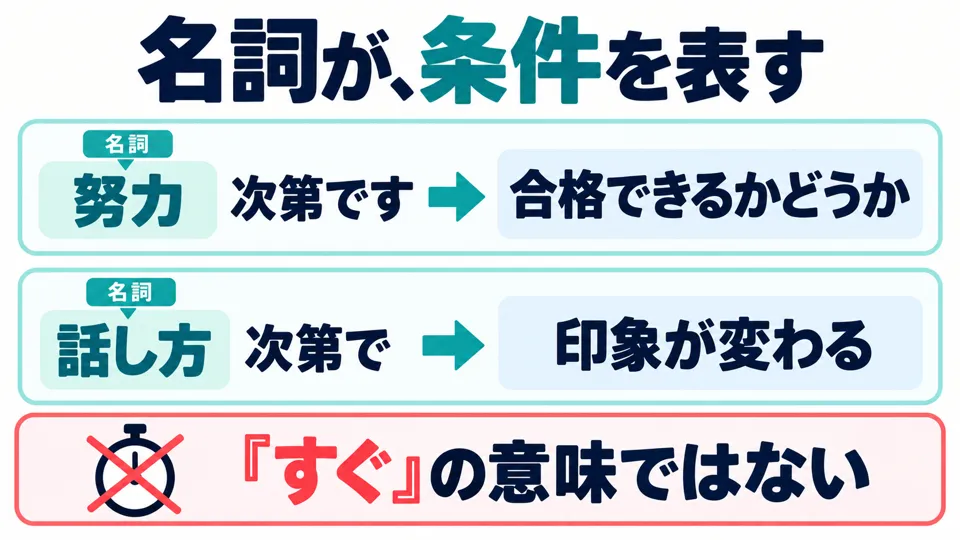
    「話し方次第で」 is followed by the outcome. It shows that the impression can be good or bad depending on how you speak.

  5. In the examples, 「努力」 and 「話し方」 are nouns naming what determines the outcome. They do not mean something happens immediately.
    In the examples, 「努力」 and 「話し方」 are nouns naming what determines the outcome. They do not mean something happens immediately.

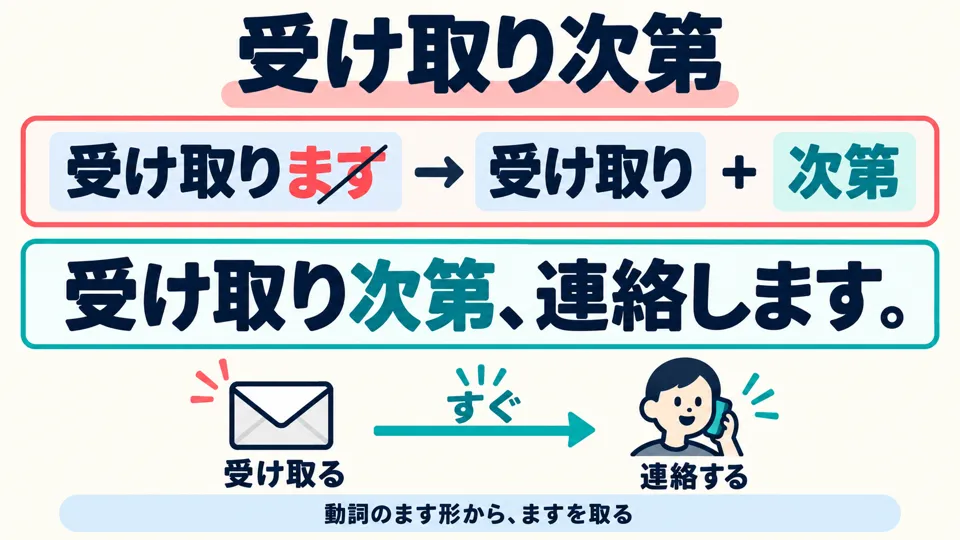
  6. In the earlier pattern 「受け取り次第」, 次第 follows a verb with ます removed. This pattern means “as soon as it is received”.

    In the earlier pattern 「受け取り次第」, 次第 follows a verb with ます removed. This pattern means “as soon as it is received”.

Example sentences

  • 合格ごうかくgoukakuできるdekiruかkaどうdouかkaは、わ、wa、これkoreからkaraのno努力どりょくdoryoku次第しだいshidaiです。

In a conversation

Check yourself

  1. Level 1 · Recognise

    Which sentence is correct?

  2. Level 1 · Recognise

    Listen and choose the meaning

  3. Level 2 · Build

    Put the words in order

    Whether you can pass depends on your future effort.

  4. Level 3 · Use

    What goes in the blank?

    合格できるかどうかは、これからの____です。

    Whether I can pass depends on my effort from here on.

More grammar in this theme

  • 〜次第だ・〜次第でdepends on; depending on

Keep practising

Test your Japanese vocabulary12 adaptive questions, freeCheck your pronunciationRead aloud and get a scorePractise verb forms10-question conjugation quizSee the whole courseGrammar, vocabulary and quizzes by theme
desu。

Whether you can pass depends on your future efforts.

  • A
    この大学だいがくの試験しけんに合格ごうかくできるか心配しんぱいです。

    A: I'm worried about whether I can pass this university's exam.

  • B
    合否ごうひは、わ、これからの集中力しゅうちゅうりょくと受験じゅけん対策たいさく次第しだいですよ。

    B: Passing or failing depends on your focus and exam preparation from now on.

  • 面接めんせつmensetsuのno印象いんしょうinshouは、わ、wa、話し方はなしかたhanashikata次第しだいshidaiでdeよくyokuもmo悪くわるくwarukuもmoなります。narimasu。

    The impression of an interview can be good or bad depending on the way you speak.

  • A
    そうですね、焦らずあせらずに自分じぶんの苦手にがて分野ぶんやを克服こくふくします。

    A: You're right, I will overcome my weak areas without rushing.

  • 〜ものだ・〜もんだas things usually are
    〜にかけてはwhen it comes to; strong at
    〜はともかくset aside and focus
    〜ないことはない・〜ないこともないqualified yes; not impossible
    〜も〜ば、〜もlisting different situations
    〜にわたって/〜にわたり/〜にわたるspan a period, area, or occasions
    〜きる・〜きれるfinish completely; be able to finish
    〜にもかかわらずdespite; contrary to expectation
    〜からいうと・〜からいって・〜からいえばjudging from; from a perspective
    〜となると・〜となれば・〜となったらwhen facing a situation
    〜ぬくpersevere to the end
    〜つつwhile doing; simultaneous actions
    Previous〜となると・〜となれば・〜となったら
    Next〜ぬく