
JPEDLAB iconJPEDLAB
Save history

Create an account and play

Explore first, then save your progress whenever you are ready. No email address is required.

Start free
Read as articleCards
1/8

The senior wants to offer encouragement, but the junior wants some quiet. From the junior’s perspective, what might they be thinking?

››

Lesson notes · ≈ JLPT N3 · Intermediate 2

人にしたら・人にすればhito ni shitara / hito ni sureba

from someone’s perspective

Use 「人にしたら」 or 「人にすれば」 to imagine how someone else might feel from their perspective.

How it works
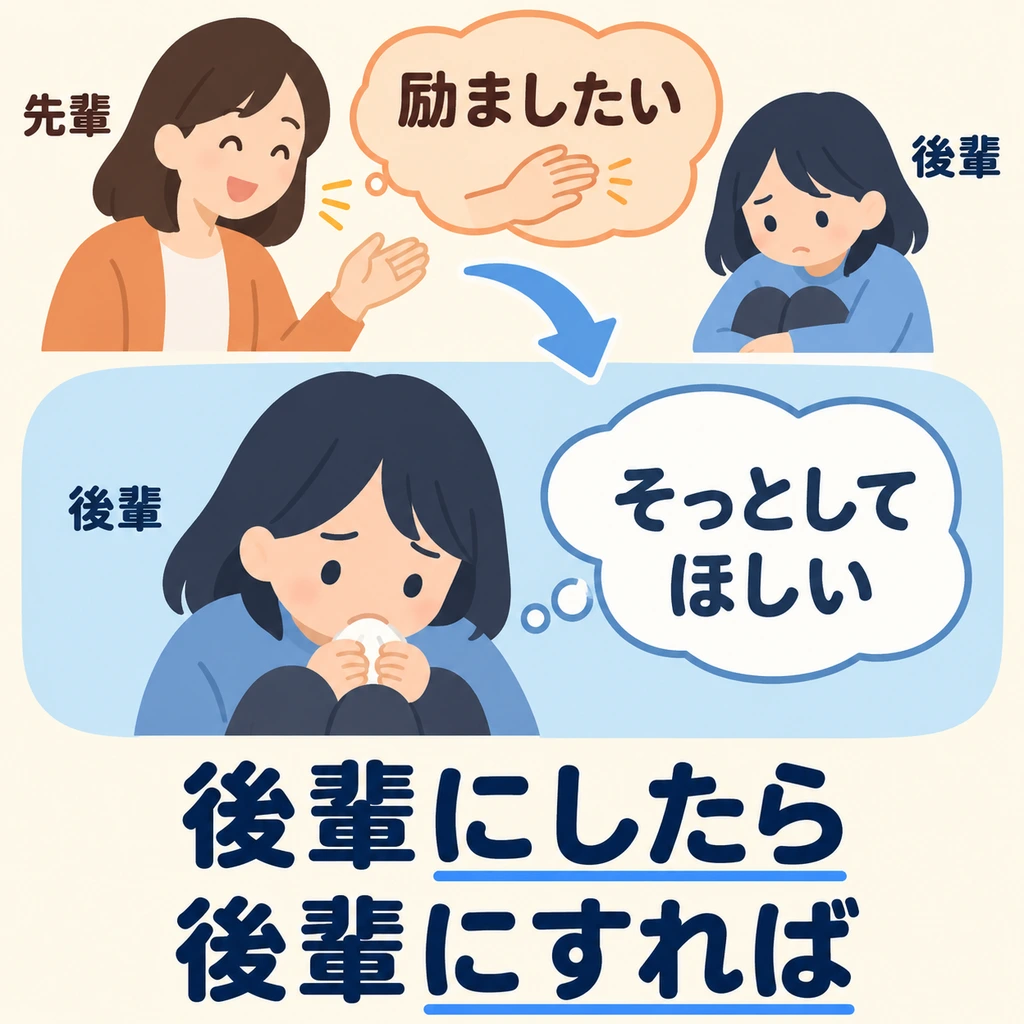
  1. The senior wants to offer encouragement, but the junior wants some quiet. From the junior’s perspective, what might they be thinking?
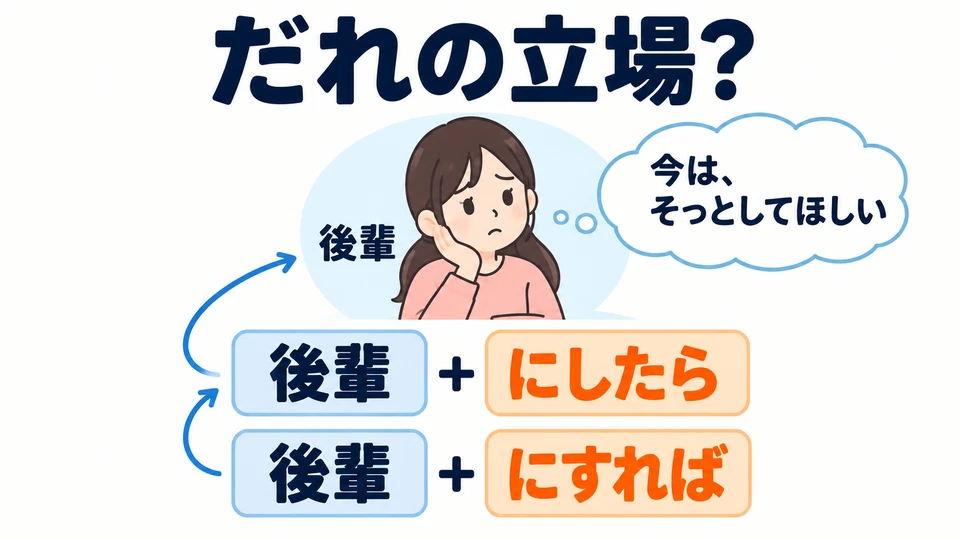
    The senior wants to offer encouragement, but the junior wants some quiet. From the junior’s perspective, what might they be thinking?

  2. Usually follows a noun referring to a person, showing whose perspective we are considering.
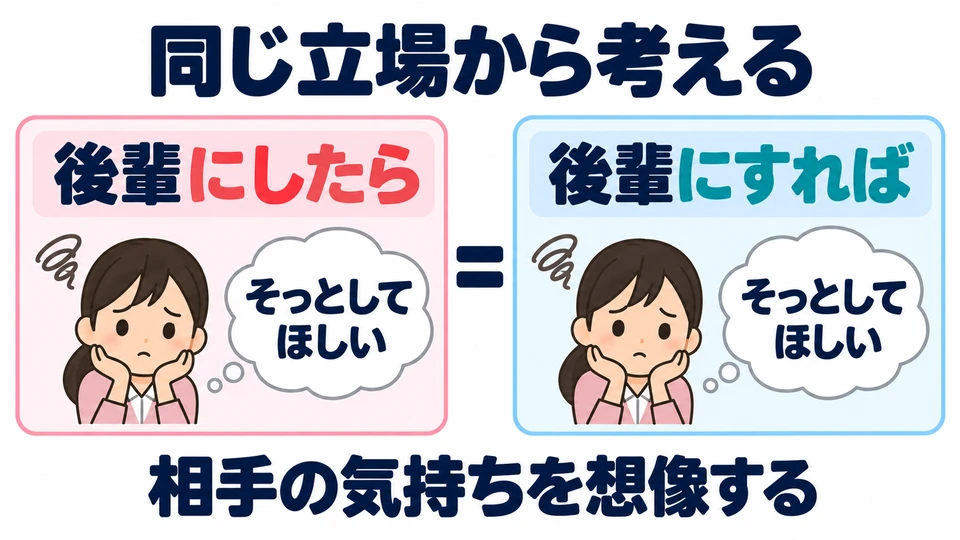
    Usually follows a noun referring to a person, showing whose perspective we are considering.

  3. 「にしたら」 and 「にすれば」 mean much the same thing. Both let us imagine how the other person feels.
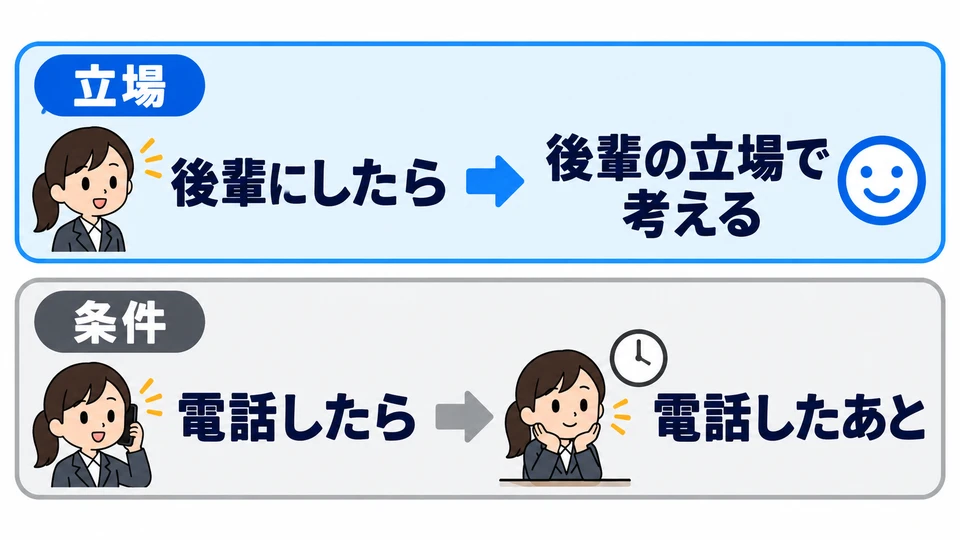
    「にしたら」 and 「にすれば」 mean much the same thing. Both let us imagine how the other person feels.

  4. Here, it does not mean “if someone does something.” It means taking the other person’s perspective and imagining how they would feel.
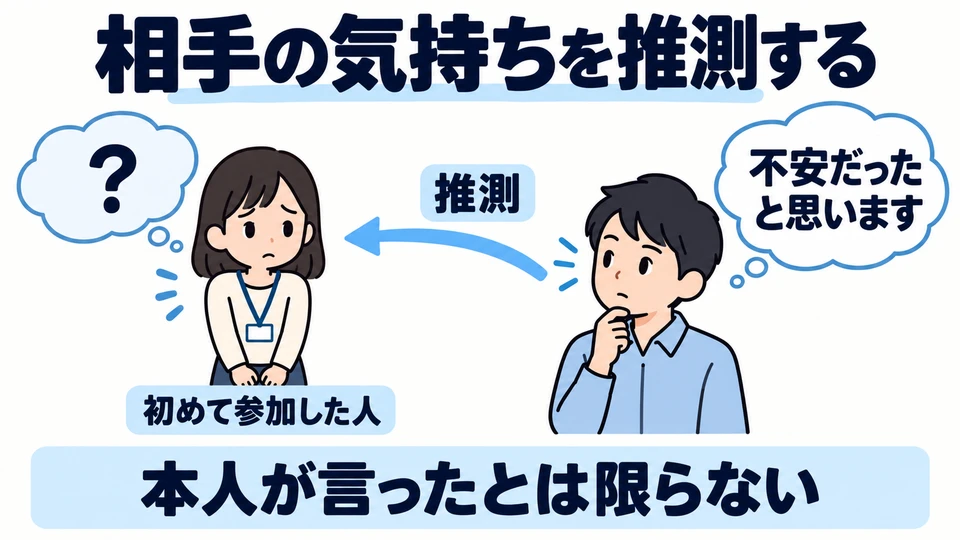
    Here, it does not mean “if someone does something.” It means taking the other person’s perspective and imagining how they would feel.

  5. The anxiety and distress in the examples are inferred. This does not mean the people themselves have said they feel that way.
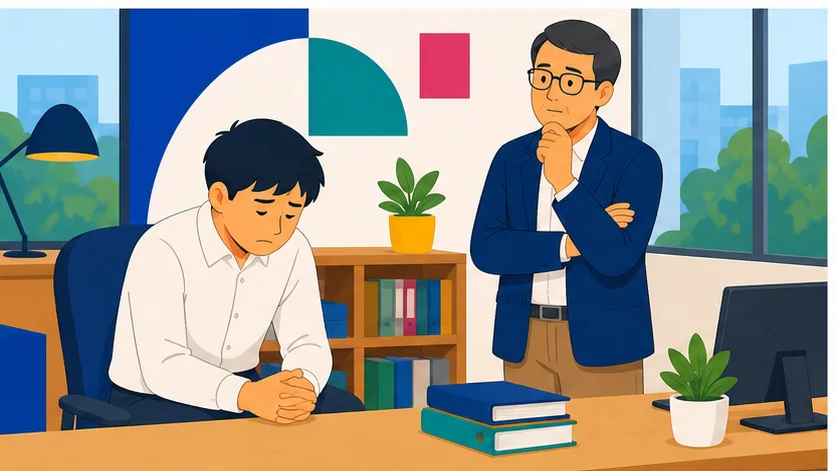
    The anxiety and distress in the examples are inferred. This does not mean the people themselves have said they feel that way.

Example sentences

  • 初めてはじめてhajimete参加さんかsankaした人したひとshitahitoにniしたら、shitara、分からないことわからないことwakaranaikotoがga多くおおくookuてte不安ふあんfuanだったdattaとto思います。おもいます。omoimasu。

    For those participating for the first time, I think they were anxious because there were many things they didn't know.

  • 失敗しっぱいshippaiした本人したほんにんshitahonninにniすれsureば、ba、周りまわりmawariがga思うおもうomou以上いじょうijouにniつらかったはずtsurakattahazuです。desu。

In a conversation

  • A
    後輩こうはいを励まそうはげまそうと思っおもって声こえをかけたのですが、あまり表情ひょうじょうが良くよくありませんでした。

    A: I called out to my junior trying to encourage them, but they didn't look very happy.

  • B
    落ちおち込んこんでいる後輩こうはいにしたら、今いまはわそっとしておいてほしい時間じかんだったのかもしれません
  • A
    そうですね、相手あいての状況じょうきょうをもっと配慮はいりょするべきでした。

    A: That's true. I should have been more considerate of their situation.

Check yourself

  1. Level 1 · Recognise

    Which sentence is correct?

  2. Level 1 · Recognise

    Listen and choose the meaning

  3. Level 2 · Build

    Put the words in order

    For someone participating for the first time, I think it was probably unsettling because there were many things they didn't understand.

  4. Level 3 · Use

    What goes in the blank?

    初めて参加した人____、分からないことが多くて不安だったと思います。

    For someone joining for the first time, there were probably many unknowns, so they likely felt anxious.

More grammar in this theme

  • 〜のことなんですがgently introduce a topic
  • 〜させていただけませんかpolitely ask permission
  • 〜ものですからgently explain a reason
  • 〜の代わりに・〜に代わってinstead of; in place of
  • 〜おかげでthanks to; good result
  • 〜おかげだcredit a good result
  • 〜くせにreproachful contradiction
  • 〜せいでblame for a bad result
  • 〜に決まっているstrong certainty; bound to
  • 人を〜にさせるtrigger someone’s feelings
  • 〜ことはないno need to
  • 〜のことになると・〜のこととなるとwhen it comes to
  • 人にしたら・人にすればfrom someone’s perspective
  • 人にしてみたら・人にしてみればfrom someone’s perspective
  • 〜たびにevery time
  • 〜ば・〜ならばif; on the condition that
  • 〜たら・〜ためにif; in order to
Previous〜のことになると・〜のこととなるとNext人にしてみたら・人にしてみれば

Keep practising

Test your Japanese vocabulary12 adaptive questions, freeCheck your pronunciationRead aloud and get a scorePractise verb forms10-question conjugation quizSee the whole courseGrammar, vocabulary and quizzes by theme
See the whole course
Intermediate 2
Thoughtful Communication and Feelings

For the person who failed, it must have been more painful than those around them thought.

ね。

B: For the depressed junior, maybe now was a time they wanted to be left alone.