JPEDLAB iconJPEDLAB
Save history

Create an account and play

Explore first, then save your progress whenever you are ready. No email address is required.

Start free
Read as articleCards
See the whole course›Intermediate 3›Richness and Beauty of Japanese Expression

Japanese grammar · ≈ JLPT N3 · Intermediate 3

〜でしょう?~deshou?

seeking agreement

Use 「〜でしょう?」 when you have an idea and expect the listener to agree or confirm it.

Start the interactive lessonIllustrated cards, audio and speaking practice

How it works

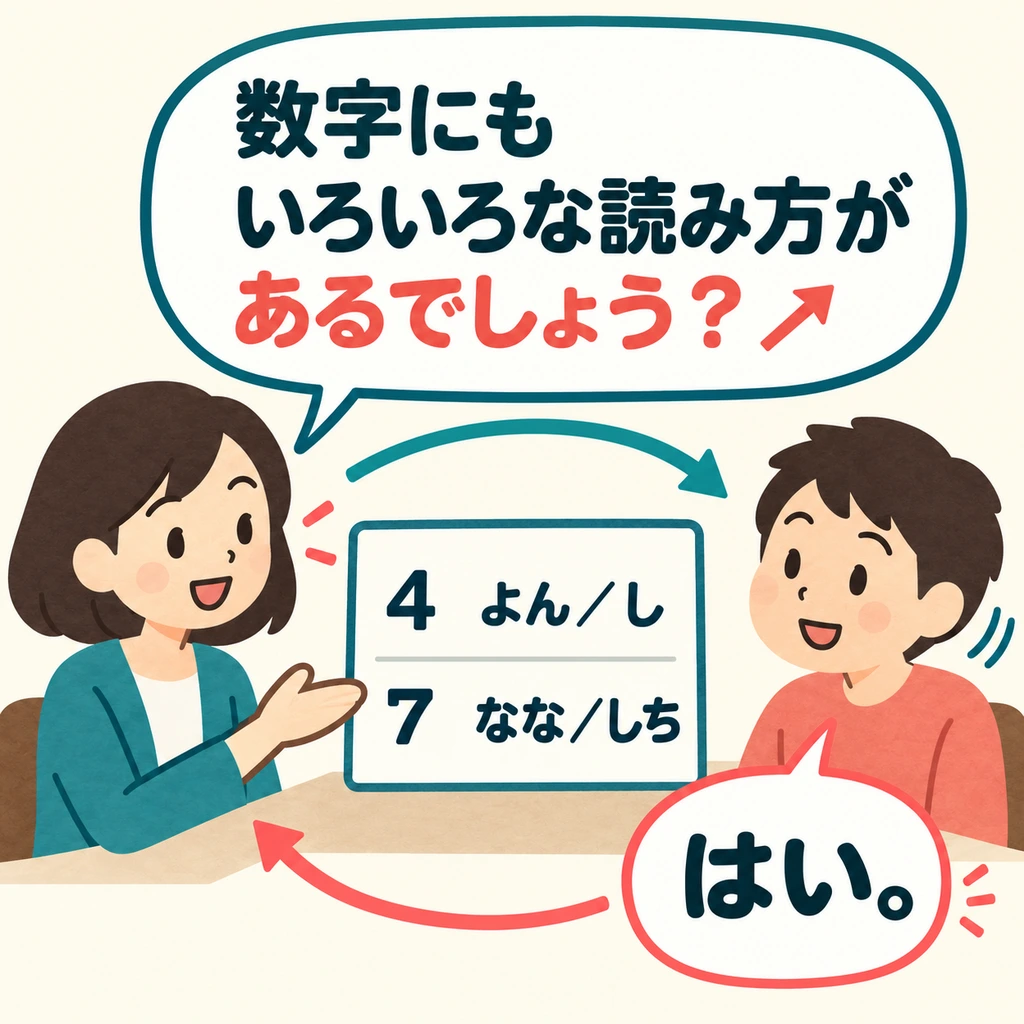
  1. Numbers have several readings, and both people know this. The speaker uses 「でしょう?」 to confirm it with the listener.
    Numbers have several readings, and both people know this. The speaker uses 「でしょう?」 to confirm it with the listener.

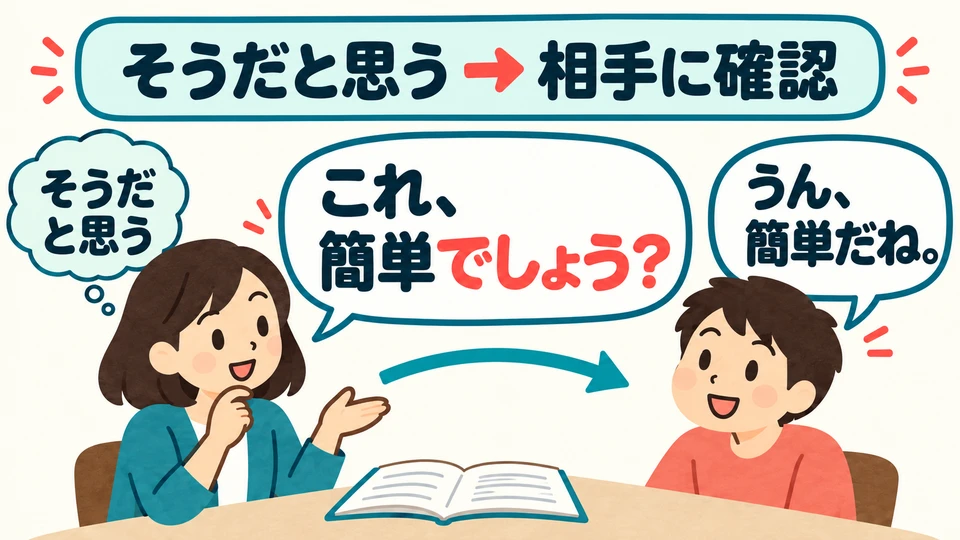
  2. You already have an idea and ask “That’s right, isn’t it?” You expect agreement, rather than asking for entirely new information.
    You already have an idea and ask “That’s right, isn’t it?” You expect agreement, rather than asking for entirely new information.

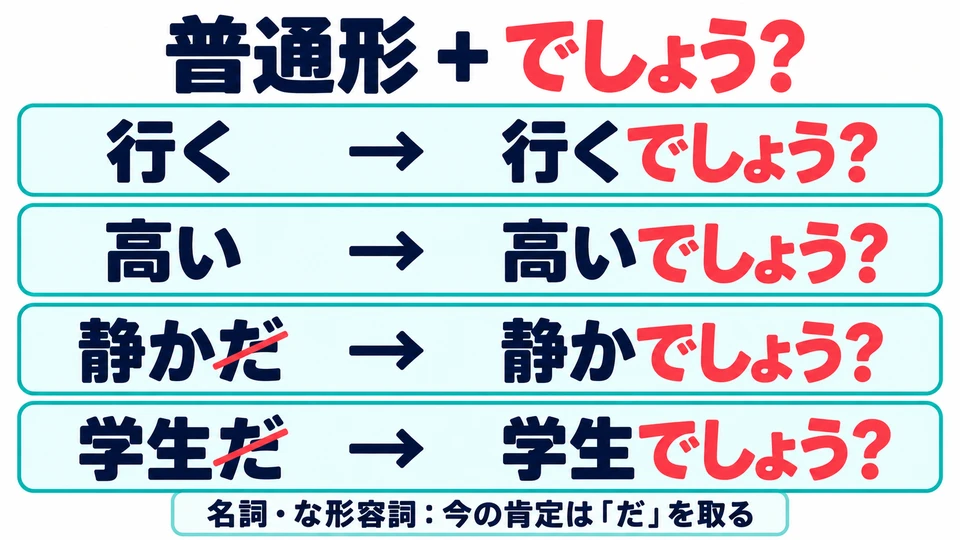
  3. Attach it to the plain form. For nouns and な-adjectives in the present affirmative, drop 「だ」, as in 「語呂合わせでしょう?」.
    Attach it to the plain form. For nouns and な-adjectives in the present affirmative, drop 「だ」, as in 「語呂合わせでしょう?」.

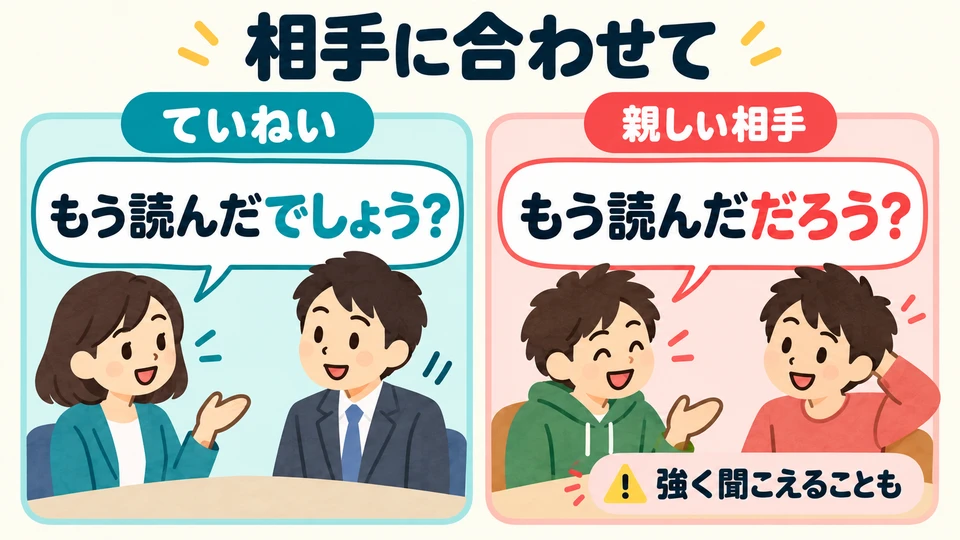
  4. 「でしょう」 is more polite. 「だろう」 is more casual and can sound forceful, so it is mainly used with people you know well.
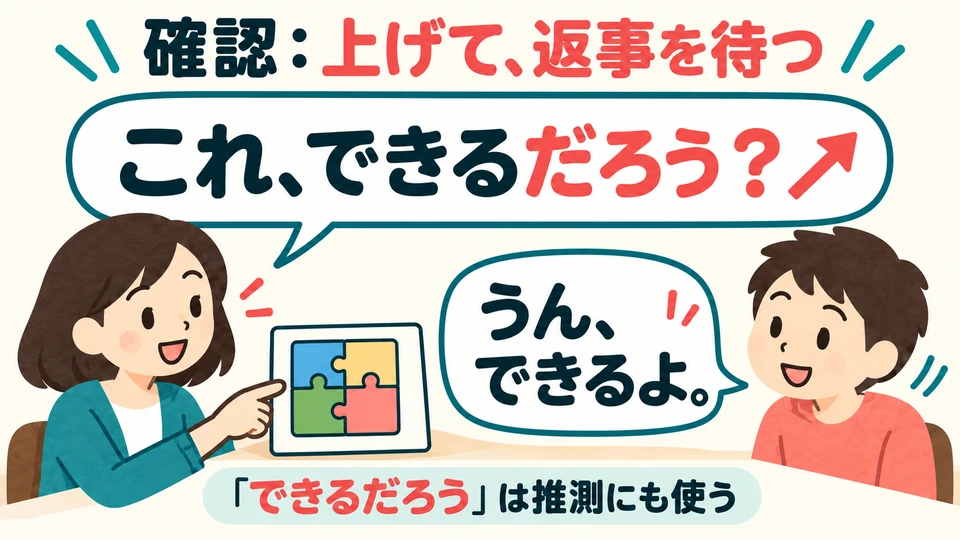
    「でしょう」 is more polite. 「だろう」 is more casual and can sound forceful, so it is mainly used with people you know well.

  5. 「できるだろう」 can also express a guess. Rising intonation at the end and an expected response are clues that it is seeking confirmation.

    「できるだろう」 can also express a guess. Rising intonation at the end and an expected response are clues that it is seeking confirmation.

Example sentences

  • 日本にほんnihon語ごgoでdeは、わ、wa、数字すうじsuujiにniもmoいろいろな読み方いろいろなよみかたiroironayomikataがgaあるでしょう。arudeshou。

    In Japanese, there are various ways to read numbers, right?

In a conversation
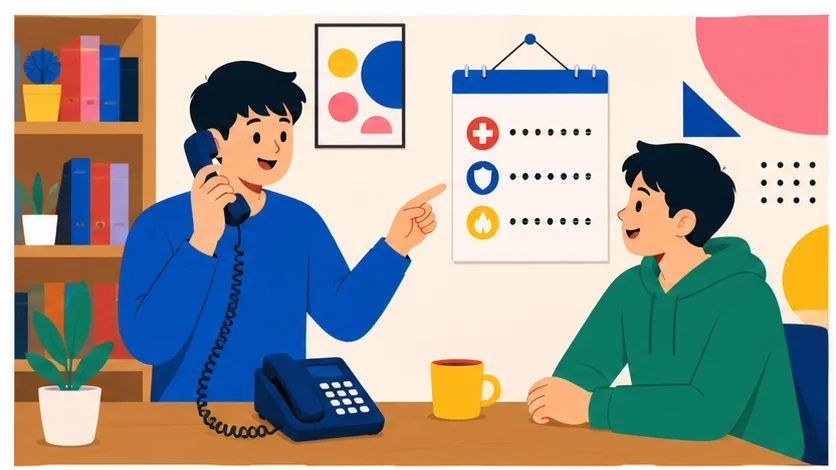
  • A
    「119」ひゃくじゅうきゅうはわ何なんかの語呂合わせごろあわせでしょう?でしょう

    A: "119" is probably some kind of wordplay, isn't it?

  • B
    そうでしょう。「でしょう。いいく」…いくいや、

Check yourself

  1. Level 1 · Recognise

    Which sentence is correct?

  2. Level 1 · Recognise

    Listen and choose the meaning

  3. Level 2 · Build

    Put the words in order

    In Japanese, numbers probably also have a variety of readings.

  4. Level 3 · Use

    What goes in the blank?

    日本語では、数字にもいろいろな読み方がある____。

    In Japanese, numbers probably have various ways of being read.

More grammar in this theme

  • 〜でしょう?seeking agreement

Keep practising

Test your Japanese vocabulary12 adaptive questions, freeCheck your pronunciationRead aloud and get a scorePractise verb forms10-question conjugation quizSee the whole courseGrammar, vocabulary and quizzes by theme
  • 「4649」よんせんろっぴゃくよんじゅうきゅうyonsenroppyakuyonjuukyuuは「わwaよろしく」よろしくyoroshikuとto読むよむyomuことkotoがgaできるだろうdekirudarou

    I suppose "4649" can be read as "yoroshiku."

  • 救急きゅうきゅう
    の
    番号ばんごう
    だ
    から「から
    119」ひゃくじゅうきゅう
    な
    ん
    じゃない
    か
    な。

    B: Probably. "ii-ku"... no, it's the emergency number, so I suppose that's why it's "119."

  • A
    なるほど、番号ばんごう自体じたいが覚えやすいおぼえやすい仕組みしくみになっているでしょうね。

    A: I see, the number itself is probably designed to be easy to remember.

  • 〜がたいsubjectively hard to do
    〜のようにlike; in the manner of
    〜とともにalong with; as … changes
    〜をもとに(して)・〜をもとにしたbased on; using as a basis
    〜っけrecalling and checking
    〜というわけだthat explains why
    〜っこないabsolutely impossible
    〜もん・〜んだもんemotional reason or plea
    〜ほど・〜くらい・〜ぐらいdegree shown by an example
    〜ところだったsomething almost happened
    〜てたまらないoverwhelmingly intense feeling
    〜というわけではないthat does not mean
    〜くらい・〜ぐらいdegree shown by a situation
    Previous〜をもとに(して)・〜をもとにした
    Next〜っけ